

Mexican Real Estate Market Trends for 2026
How Mexico's real estate market is moving: nearshoring, vertical housing, renting vs. buying, and technology.
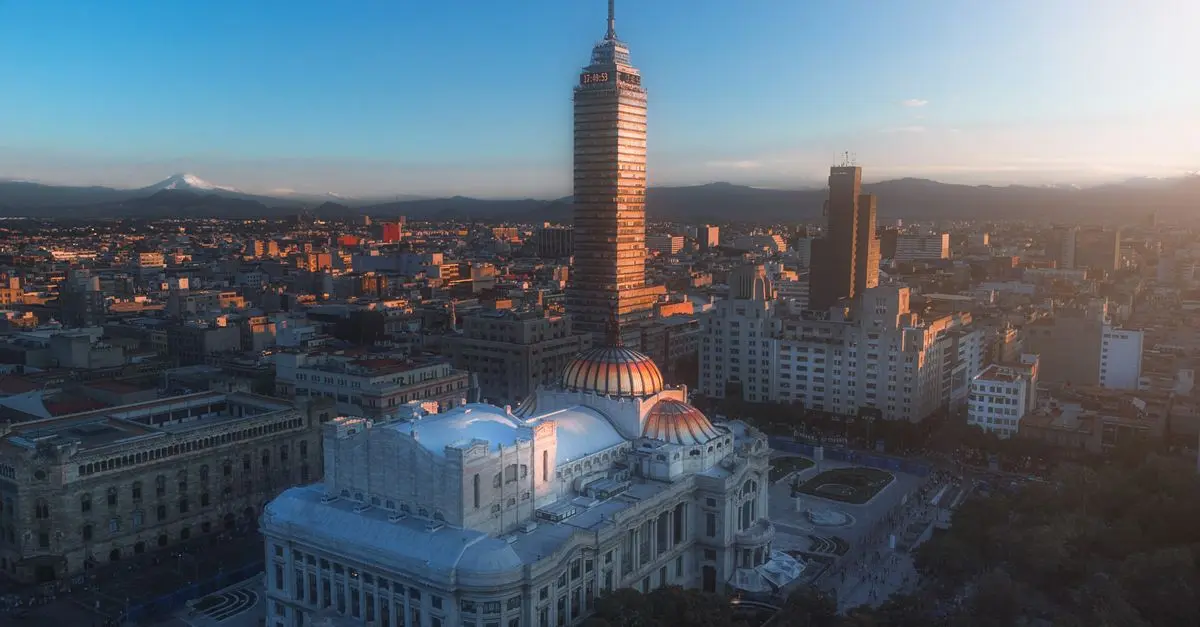
The Mexican real estate market continues to transform at an unusual pace. Between nearshoring reviving industrial cities, a younger generation that prefers renting over buying, and ever-greater technology adoption in the buying and selling process, understanding where the sector is headed has become essential for both buyers and investors. In this article we review, with indicative data and no invented figures, where the sector is pointing this year and what it means in practical terms for anyone looking to buy, sell or rent property in Mexico. This content is informational and does not replace the advice of a financial, legal or real estate professional for your particular case.
1. The nearshoring effect on regional demand
One of the most talked-about phenomena when discussing the direction of the sector in 2026 remains nearshoring: the relocation of supply chains to Mexico by companies seeking to be closer to the U.S. market. This phenomenon has boosted demand for housing, offices and industrial space in corridors such as the Bajío, the north of the country and some areas of central Mexico.
In cities with strong manufacturing and logistics activity, the arrival of skilled workers and executives has pushed up both rents and purchase prices for mid-range and upscale housing. However, the impact is not uniform: it varies widely depending on the municipality, proximity to industrial parks and the availability of infrastructure. Before deciding to invest for this reason, it is worth looking at the specific behavior of the area you are interested in, not just the national trend.
Key fact
If you are considering buying in an area benefiting from nearshoring, check out our guide on nearshoring and the real estate market to understand the phenomenon in more detail.
2. The rise of vertical housing and mixed-use developments
The scarcity of well-located urban land, combined with rising construction costs, has accelerated the trend toward vertical housing in metropolitan areas. Mixed-use developments -which combine apartments, offices, retail and amenities on a single site- are gaining ground against the traditional model of the single-family home on the outskirts.
For many buyers, this represents an interesting alternative: shorter commutes, more services close at hand and, in some cases, a more competitive price per square meter than a comparable house in the same area. If you are interested in exploring this type of property, you can browse the current selection of apartments or compare with houses available in different cities across the country.
3. Renting vs. buying: the generational shift
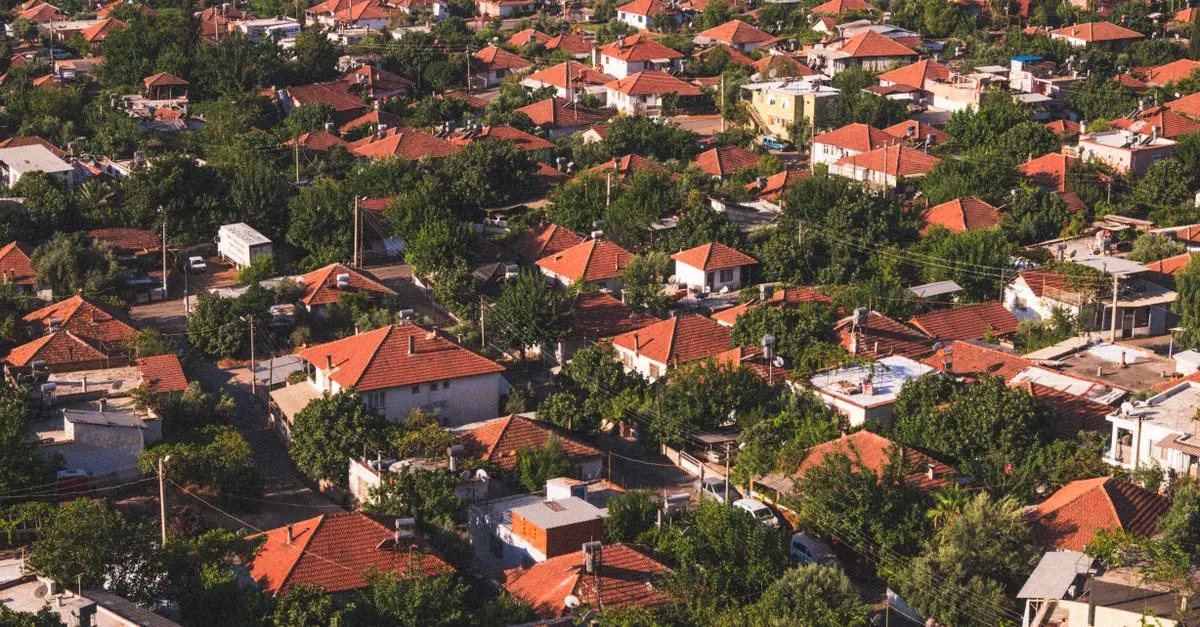
Another very visible change in market behavior is the new relationship younger generations have with housing. Factors such as job mobility, remote or hybrid work, and conditions for accessing credit have led many young people to prioritize the flexibility of renting over the commitment of a long-term purchase, at least in the early stages of their professional lives.
This has driven demand for well-located rental properties, with clear contracts and more agile leasing processes. If you are on the renting side, it pays to know your rights as a tenant and to have a well-drafted lease agreement. If instead you are looking to put a property up for rent, you can explore the rent section to see how similar properties are being positioned.
| Factor | Favors buying | Favors renting |
|---|---|---|
| Job and city stability | High, long-term plan to stay | Low or uncertain |
| Savings for the down payment | Sufficient, with a reserve | Limited or nonexistent |
| Time horizon in the home | 5 years or more, approximately | Less than 3 years, approximately |
| Desired flexibility | Low priority | High priority |
These criteria are indicative: every personal, family and financial situation is different, so it is worth analyzing yours carefully before making a decision of this kind.
4. Technology and the digitalization of the real estate process
The digitalization of the real estate sector in Mexico continues to advance steadily. Online platforms, virtual tours, expense calculators and automated valuation tools have made searching for, comparing and listing properties faster and more transparent than a few years ago. This trend will likely deepen in 2026, with more tools aimed at helping buyers and sellers make informed decisions without depending exclusively on an intermediary.
If you want an idea of a property's value before putting it up for sale, you can rely on tools such as our how much is my property worth section, or check the closing cost calculator (gastos de escrituración) to estimate the costs associated with a sale. Listing a property has also become much simpler; if that is your case, see the guide on how to list on Inmobiliaria32.
Recommendation
Before setting a sale price, compare with similar properties in your area and read our guide on how to price your home to avoid overpricing or underpricing the property.
5. What to expect from prices and mortgage credit
Housing prices in Mexico have shown a sustained upward trend in recent years, although the pace varies widely depending on the city, the colonia (neighborhood) and the type of property. In 2026 it is reasonable to expect this trend to continue at a moderate pace in the areas with the highest demand, while in smaller markets the behavior may be more stable or even mixed.
As for mortgage credit, the conditions -rates, terms, required down payment percentage- change fairly often depending on the institution and the general economic context, so any specific figure should be confirmed directly with the bank or financial intermediary before making a decision. The information in this section is indicative and does not constitute financial advice; for an up-to-date comparative overview, you can review our mortgage loan comparison and the step-by-step mortgage application process.
- Prices per square meter vary substantially between states and cities; consult local data before setting expectations.
- Mortgage rates can move depending on monetary policy; always confirm the current quote with your bank.
- Closing timelines (escrituración) and their costs also vary by state; see the details in our guide to closing costs by state.
- Verifying that the property is free of liens remains a critical step, which can be checked with the certificate of freedom from liens (certificado de libertad de gravamen).
Caution
In an active market, fraud attempts also increase. Before moving forward with any transaction, read our guide on common real estate scams in Mexico and always verify the documentation with the help of a professional.
Frequently asked questions
What are the main real estate trends for 2026 in Mexico?
Among the most relevant are the impact of nearshoring on demand in industrial areas, the growth of vertical housing and mixed-use developments, a generational shift toward renting for greater flexibility, and the growing digitalization of the process of buying, selling and renting property.
Is 2026 a good time to buy a home?
It depends heavily on your personal situation, the area and the type of property. In general, it is worth assessing your job stability, your ability to save for the down payment and how long you plan to live there, as well as comparing current credit conditions across different institutions before deciding.
Will nearshoring continue to drive housing prices?
It will likely continue to have an effect in cities and corridors with strong industrial and logistics activity, although the impact is not uniform across the country. It is worth analyzing the specific behavior of the municipality or area you are interested in rather than assuming a generalized national trend.
Is it better to buy or rent in the current context?
There is no single answer: those seeking long-term stability who already have enough savings tend to lean toward buying, while those who value flexibility or face job uncertainty tend to prefer renting. Analyze your particular case; this information is indicative and does not replace the support of a financial or real estate advisor.
Find your next property or list yours today
Listings
Recent properties
 For sale
MX$1,440,000
Land
Land for Sale in Residencial Lomas del Dorado
Boca del Río, Veracruz
 For sale
MX$3,900,000
House
House for Sale in Las Lomas, Riviera Veracruzana | 3 Bedrooms with Private Bathrooms
Alvarado, Veracruz
 For sale
MX$10,900,000
Land
Attention Investors
Puerto Vallarta, Jalisco
Keep reading
Related articles
Tren Maya's Impact on the Southeast Mexico Real Estate Market
Discover how the Tren Maya is transforming the southeastern Mexican real estate market, with property appreciation of up to 400% and 715,000 jobs expected by 2030.
Carlos Mendoza

Nearshoring and Mexico Real Estate: 2026 Guide
Nearshoring is transforming Mexico's real estate market: industrial warehouses are filling up.
Carlos Mendoza

Luxury Residences in Los Cabos: Market and Trends
An overview of the Los Cabos luxury residence market: who is buying in the area.
María Elena Rodríguez
Step-by-Step Guide to Buying Your First Home in Mexico in 2025
Buying your first home in Mexico is one of the most exciting and challenging moments of your life. With the Mexican real estate market showing signs of stability and new opportunities emerging, 2025 is shaping up to be an excellent year to take this important step.
Inmobiliaria32 Team
Real estate investing
Keep learning before you decide
58 guides on real estate investing, and thousands of properties listed across Mexico.