

Lease Agreements in Mexico: Key Clauses and What to Check
A practical guide to lease agreements in Mexico: essential clauses, what to review before signing, and common mistakes that leave tenants or landlords unprotected.
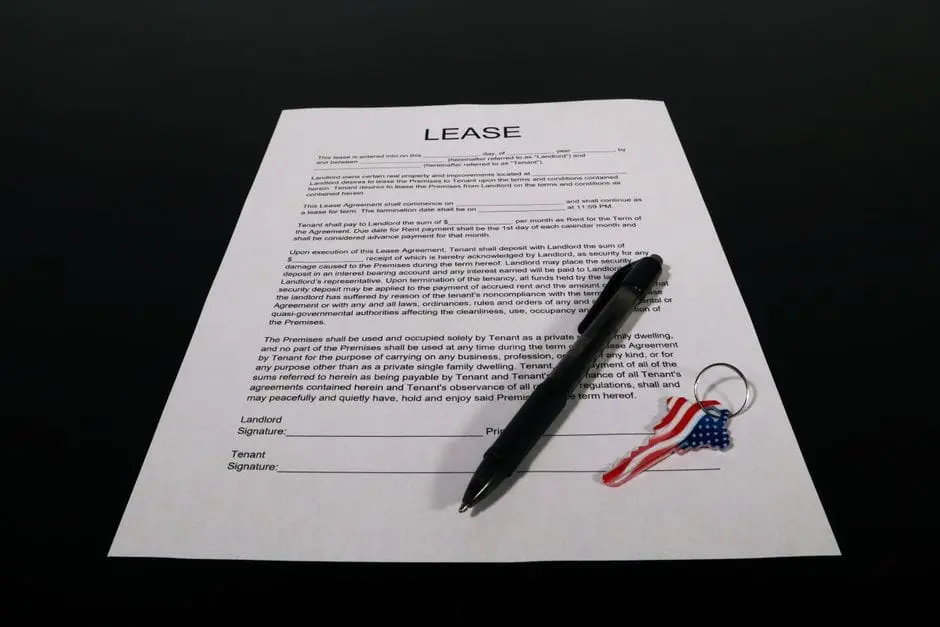
A lease agreement is the document that sets out, in writing, the rules of the game between landlord and tenant for the entire rental. A well-drafted contract prevents most conflicts; a generic one downloaded from the internet and signed without reading is often the source of disputes over deposits, repairs, and rent increases. In this guide we explain which clauses it should include, what to check before signing, and the most common mistakes, with information that applies to most states in Mexico.
1. What it is and why it should always be in writing
A lease is a contract governed by each state's civil code, so the specific rules can vary depending on where the property is located. In general terms, it is the agreement by which the landlord grants the temporary use and enjoyment of a property in exchange for rent paid by the tenant (arrendatario). Although in some states a verbal agreement can have legal effects, renting "on a handshake" is a mistake: without a signed document it is very hard to prove the terms before a judge or conciliation bodies.
The recommended approach is a written contract, signed by both parties and two witnesses. For long-term or high-value rentals, it is advisable to have it ratified before a notary public (notario público) or a corredor público (licensed commercial broker). You can learn more about security and verifying the landlord's identity in our guide to tips for renting safely.
A written contract doesn't only protect you before a judge: it also organizes the day-to-day relationship. When both parties know exactly what was agreed on payments, utilities, and repairs, friction and misunderstandings that tend to escalate into conflicts are reduced. Think of the contract as a shared map: the clearer it is, the less room there is for self-serving interpretations. That is why it pays to take the time to read it and adjust it before signing, rather than accepting a generic template "because everyone uses it."
2. Key clauses that cannot be missing
A complete contract protects landlord and tenant equally because it leaves no room for interpretation. These are the sections that should always appear:
Identification and purpose:
- Full name and official ID details of both parties
- Exact address and description of the property (square footage, number of rooms)
- Agreed use of the property (residential, commercial, mixed)
- Inventory of furniture and appliances included, if applicable
Financial terms:
- Rent amount, currency, payment date and method
- Amount and conditions of the security deposit
- Annual rent increase policy
- Late-payment penalty, if agreed
In addition to the above, the contract should clearly state who is responsible for paying utilities (water, electricity, gas, internet), condominium maintenance fees, and the predial (property tax). When these points are left undefined, they almost always end up in conflict.
3. Deposit, guarantee, and method of payment
The most common arrangement in Mexico is one month's security deposit plus one month's rent in advance at signing. The deposit is not a rent payment: it is a guarantee that must be returned when the contract ends, except for proven damage beyond normal wear and tear. The contract should specify in which cases the landlord may withhold it and the deadline for returning it.
Payment best practices:
- Prefer bank transfers to leave a record of every payment
- Require a written receipt for the deposit and for each monthly payment
- Verify that the amount in numbers and in words match in the contract
- Keep a signed copy of the contract and all payment receipts
If the landlord requests an additional guarantee beyond the deposit, such as a guarantor or a legal rental policy, those terms must be reflected in the contract. We cover the options in depth in the article on guarantors for renting and their alternatives and in the guide to legal rental policies (póliza jurídica de arrendamiento).
4. Repairs, utilities, and maintenance
As a general rule in most civil codes, the landlord is responsible for the repairs needed to keep the property habitable (major structural repairs, installations), while the tenant covers minor maintenance arising from everyday use. Even so, it is wise to spell this out in writing to avoid ambiguity.
| Item | Usually the responsibility of | Note |
|---|---|---|
| Structural repairs | Landlord | Roofs, plumbing, electrical wiring |
| Minor maintenance from use | Tenant | Light bulbs, faucet washers, general cleaning |
| Utilities (electricity, water, gas) | As agreed | Define in the contract to avoid disputes |
| Predial (property tax) | Landlord (usually) | It is a tax on the property |
5. Term, renewal, and early termination
In several states the minimum lease term for residential use is one year, although the parties may agree to longer terms. The contract should state the start and end dates, whether there is automatic renewal, and how many days' notice either party must give if they do not wish to renew.
Early termination
This is one of the most important and most overlooked clauses. If you need to move out before the end of the term, you should know in advance how much notice must be given and what penalty applies. A fair contract usually sets a notice period (for example, 30 days) and, where applicable, the loss of part of the deposit, not all of it. Read it carefully before signing.
On the landlord's side, this clause should balance protecting their income with the reality that life plans change. A disproportionate penalty can scare off good tenants or become open to legal challenge. On the tenant's side, understanding the cost of leaving early in advance avoids surprises if a job or city change comes up. When both parties negotiate this clause transparently, the contract is stronger and easier to comply with.
About eviction:
No landlord can evict you on their own by changing the locks or cutting off utilities. In Mexico, except in very specific cases, eviction requires a court proceeding. If the landlord acts outside the law, document everything and go to a housing procuraduría (consumer/housing protection office) or the corresponding authority in your state.
6. What to review before signing
Before putting your signature on it, take the time to read the entire contract, including the fine print. This quick checklist helps you leave nothing to chance:
- That the landlord's details match their ID and the deed (escritura) or notarized power of attorney
- That the rent amount, deposit, and payment method are written exactly
- That it is clear who pays for each utility and for maintenance
- That the annual increase terms are reasonable and well defined
- That an inventory of the property's condition with dated photos is attached
- That the penalty clauses are balanced for both parties
If you are signing as a landlord and about to put your property on the market, also check how to set a competitive rental price before closing the deal.
7. Common mistakes to avoid
Warning signs and dangerous oversights:
- Signing without seeing the property or paying money before visiting it in person
- Using a generic template without adapting it to your state and your actual situation
- Accepting blank spaces in the contract to be "filled in later"
- Not asking for receipts for payments or not keeping a signed copy of the contract
- Ignoring the early termination clause and its penalties
- Not documenting the property's condition at move-in, which makes deposit disputes at move-out easier
If you notice pressure to sign immediately, cash-only payments without a receipt, or an "owner" who never shows up, read our guide on how to avoid real estate fraud before moving forward.
8. Frequently asked questions
Does the contract have to be signed before a notary?
Not always. In many cases a private contract signed by the parties and two witnesses is enough. However, ratifying it before a notary public (notario público) or corredor público provides greater legal certainty, especially for long-term or high-value rentals.
Can I use a template downloaded from the internet?
It can serve as a starting point, but you must adapt it to your state's laws and your actual conditions. An unreviewed generic contract often omits important clauses. If in doubt, consult an attorney or a broker who specializes in leasing.
How much can rent go up each year?
There is no single nationwide cap; it depends on what is agreed in the contract and on state law. Many contracts tie the increase to annual inflation. What matters is that the formula is written down and clear from the start.
What happens if there is no signed contract?
Without a contract it is very difficult to prove the agreed terms before an authority. Even if payments exist, you are exposed to differing interpretations. That is why it always pays to formalize the rental in writing.
Ready for your next rental?
Explore verified rental properties or list yours with the right clauses from day one.
Listings
Recent properties
 For sale
MX$1,440,000
Land
Land for Sale in Residencial Lomas del Dorado
Boca del Río, Veracruz
 For sale
MX$3,900,000
House
House for Sale in Las Lomas, Riviera Veracruzana | 3 Bedrooms with Private Bathrooms
Alvarado, Veracruz
 For sale
MX$10,900,000
Land
Attention Investors
Puerto Vallarta, Jalisco
Keep reading
Related articles

Abusive Clauses in a Pre-Sale Contract: How to Spot Them
Abusive clauses in pre-sale contracts: the 10 most common, what Mexico's Federal Consumer Protection Law says, and what to do before and after you sign.
Inmobiliaria32 Team

Choosing a City When Returning to Mexico: Key Factors
What to consider when choosing where to live after returning to Mexico: cost of living, climate, connectivity, returnee community and proximity to family.
Carlos Mendoza
How to Get Out of a Timeshare Contract in Mexico
Canceling a timeshare in Mexico is possible within the legal grace period, and even afterward through direct negotiation or help from Profeco.
María Elena Rodríguez

What to Check Before Signing a Rental Contract in Mexico
What to check when renting a home before you sign: property condition, contract clauses, deposit, guarantor and hidden costs. A practical guide for Mexico.
María Elena Rodríguez
Renting and leases
Keep learning before you decide
99 guides on renting and leases, and thousands of properties listed across Mexico.