

Aval for Renting in Mexico: 5 Alternatives If You Have No Guarantor
What an aval or guarantor (fiador) is when renting in Mexico, what documents are required, and 5 real alternatives if you can't find one: legal rental policy, larger deposit, advance rent and more.
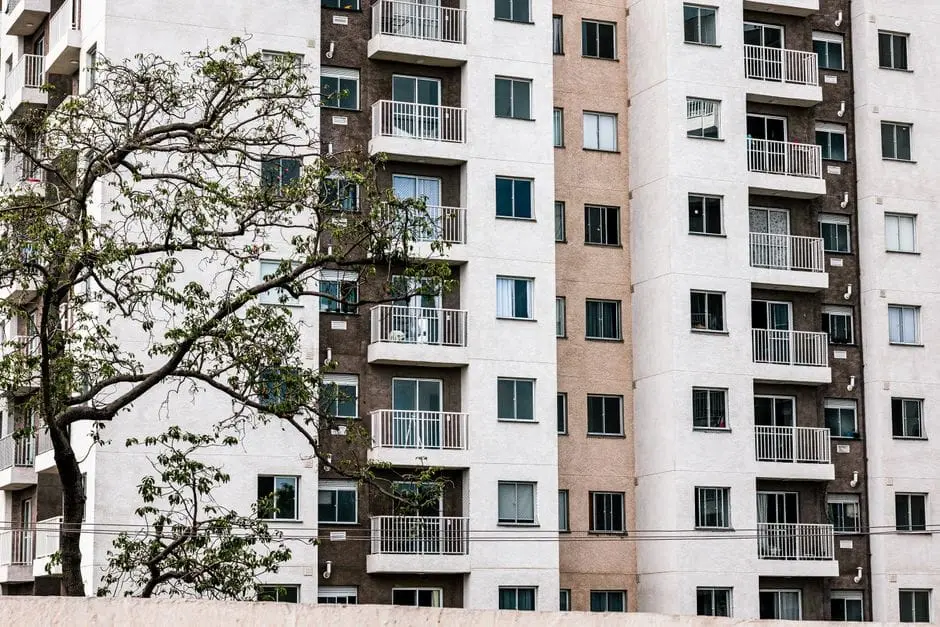
For many tenants in Mexico, finding an aval (guarantor) is the biggest obstacle when renting. Out-of-towners, foreigners, young people renting for the first time, and anyone who simply doesn't have a relative who owns property in the same city run into this requirement again and again. The good news is that the traditional aval is no longer the only way: there are increasingly accepted alternatives. In this guide we explain what an aval is, what it involves, and five real options if you don't have a guarantor.
1. What an aval or guarantor is
The aval or fiador (guarantor) is a person who legally guarantees that the tenant will fulfill their obligations. If the tenant stops paying rent or causes damage, the landlord can demand payment from the guarantor. In Mexican rentals, the traditional guarantee requires the guarantor to own a property free of liens in the same city, which serves as backing for the debt.
That is why the requirement is so hard to meet: it isn't enough for someone to "sign for you"; they usually need to own a property and be willing to put it on the line. We cover this same topic as part of the overall process in tips for renting safely.
It helps to tell apart terms that are often used as synonyms but have nuances. The fiador is the person who provides the surety, meaning they guarantee the tenant's obligations are met. The obligación solidaria (joint and several liability) is an arrangement in which the guarantor answers on the same terms as the primary debtor, without the landlord first having to exhaust collection efforts against the tenant. And aval is a term that, in everyday speech, is used to refer to any of these personal guarantees. Before signing as a guarantor, read carefully what kind of responsibility you are taking on, because they don't all have the same scope.
2. What documents the landlord asks the guarantor for
When a landlord accepts a guarantor, they normally request documentation to confirm the guarantor can actually cover the debt:
Typical guarantor documents:
- Valid official ID
- Deed (escritura) to a property in their name, free of liens, in the same city
- Current property tax (predial) bill or receipt for that property
- Proof of address and, in some cases, proof of income
This level of demand explains why so many tenants look for alternatives: not everyone has a property-owning relative on hand who is willing to take on the commitment. The process also takes time: the landlord usually wants to verify the guarantor's ownership and registry status, which can delay signing just when you need to move in quickly. In a market where good properties rent fast, relying on a hard-to-assemble aval can make you lose out to candidates who arrive with a guarantee already in place.
3. Risks of being someone's guarantor
Before asking someone to be your guarantor, consider:
- The guarantor is liable with their assets: if you default, their property can be put at risk in legal proceedings
- The liability can last for the length of the contract and its renewals, depending on what was agreed
- It can strain the personal relationship if payment problems arise
- Anyone who agrees to be a guarantor should read the entire contract and understand the exact scope of their obligation
For these reasons, more and more tenants and landlords prefer arrangements that don't involve a third party.
4. Five alternatives if you have no guarantor
1. Legal rental policy (póliza jurídica de arrendamiento)
This is the most common alternative today. A specialized company or insurer backs the landlord against unpaid rent and legal costs, in exchange for a premium that the tenant usually pays. It avoids relying on a third party who owns property. We analyze costs and coverage in detail in the guide to legal rental policies (póliza jurídica de arrendamiento).
2. Larger security deposit
Some landlords agree to replace the aval with a bigger deposit (for example, two or three months instead of one). It is a common arrangement for foreigners or tenants with no history in Mexico. Make sure the contract clearly states the conditions for returning that deposit.
3. Advance rent
Paying several months up front can give the landlord enough confidence to do without a guarantor. Insist on a receipt for each month paid in advance and have it written into the contract to avoid misunderstandings. Keep in mind that this option ties up a significant amount of money, so weigh your cash flow before committing; it's best reserved for when the property is truly worth it and you trust the landlord.
4. Proof of income and a good track record
Presenting pay stubs, bank statements or employment letters that show stable, sufficient income can win the landlord over. The informal rule many people use is that rent shouldn't exceed roughly one third of your verifiable monthly income.
5. Joint guarantor or company letter of responsibility
If you work for a formal company, it can sometimes act as backing through a letter of responsibility (carta responsiva), or a coworker who owns property agrees to serve as a joint guarantor. It's less common, but it exists, especially with job relocations.
| Alternative | Advantage | Keep in mind |
|---|---|---|
| Legal rental policy | You don't need a guarantor who owns property | It has a cost (premium) and requires proof of income |
| Larger deposit | Easy to agree on | Requires high upfront cash |
| Advance rent | Builds immediate trust | Ties up your money for several months |
| Proof of income | No additional cost | Depends on the landlord accepting it |
5. How to choose the best option
There is no single answer: it depends on your liquidity, your profile as a tenant, and what the landlord will accept. If you have verifiable income but little upfront cash, the legal rental policy is usually the ideal middle ground. If you'd rather not pay a premium and you have savings, a larger deposit or advance rent can work. What matters is to negotiate transparently and put everything in writing.
It's worth negotiating with facts, not pleas. If you present an organized file (ID, proof of stable income, references from previous landlords, and a willingness to take out a policy), you signal to the landlord that you are a low-risk tenant. Often, a strong file carries more weight than a weak aval. Prepare your documentation before you start searching: arriving at the first viewing with everything ready can be the difference between having the property held for you or losing it to another candidate who did bring complete paperwork.
Practical tip:
Before committing, confirm that the landlord is the legitimate owner and review the entire contract. Never hand over deposits or advance payments without having visited the property and without a receipt. Learn the warning signs of fraud in how to avoid real estate fraud.
6. Frequently asked questions
Can a guarantor be from another city?
Many landlords require the guarantor to own property in the same city to make any legal action easier. A guarantor from another city usually makes acceptance harder, although each landlord sets their own conditions.
Does a legal rental policy completely replace the aval?
In practice, yes, it is the most common substitute for a guarantor. Many landlords accept it as the sole guarantee, although some combine a policy with a deposit. Check what each owner requires.
I'm a foreigner with no history in Mexico. Which option is best for me?
Combining proof of income with a legal rental policy, or with a deposit and advance rent, tends to work. Be upfront with the landlord about your situation from the start so you can agree on a workable guarantee.
Find a rental that fits you
Explore rental properties with different guarantee conditions, or list your own and decide what you accept as backing.
Listings
Recent properties
 For sale
MX$1,440,000
Land
Land for Sale in Residencial Lomas del Dorado
Boca del Río, Veracruz
 For sale
MX$3,900,000
House
House for Sale in Las Lomas, Riviera Veracruzana | 3 Bedrooms with Private Bathrooms
Alvarado, Veracruz
 For sale
MX$10,900,000
Land
Attention Investors
Puerto Vallarta, Jalisco
Keep reading
Related articles

Aval vs. Fiador vs. Póliza Jurídica: Which to Choose When Renting
Aval, fiador or póliza jurídica de arrendamiento: what guarantee landlords ask for, the pros of each, and which works best if you have no one to vouch for you.
Inmobiliaria32 Team

Renting Without an Aval: Options for Tenants in 2026
Need to rent without an aval? Learn the real alternatives in Mexico: legal guarantee policies, larger deposits, and joint guarantors (fiadores solidarios).
María Elena Rodríguez

Rent or Buy in 2026: Find Your Break-Even Point
Should you rent or buy in 2026? A practical guide to calculating the break-even point between rent and a mortgage, based on your city.
Inmobiliaria32 Team
Buy in Mexico and Rent It Out When You're Not Using It
How the buy-and-rent hybrid model works: use your property on vacation and earn rental income the rest of the year without giving up your own enjoyment.
Inmobiliaria32 Team
Renting and leases
Keep learning before you decide
99 guides on renting and leases, and thousands of properties listed across Mexico.