

Tips for Renting Safely in Mexico
Documents, guarantees, and what to check before signing the lease.
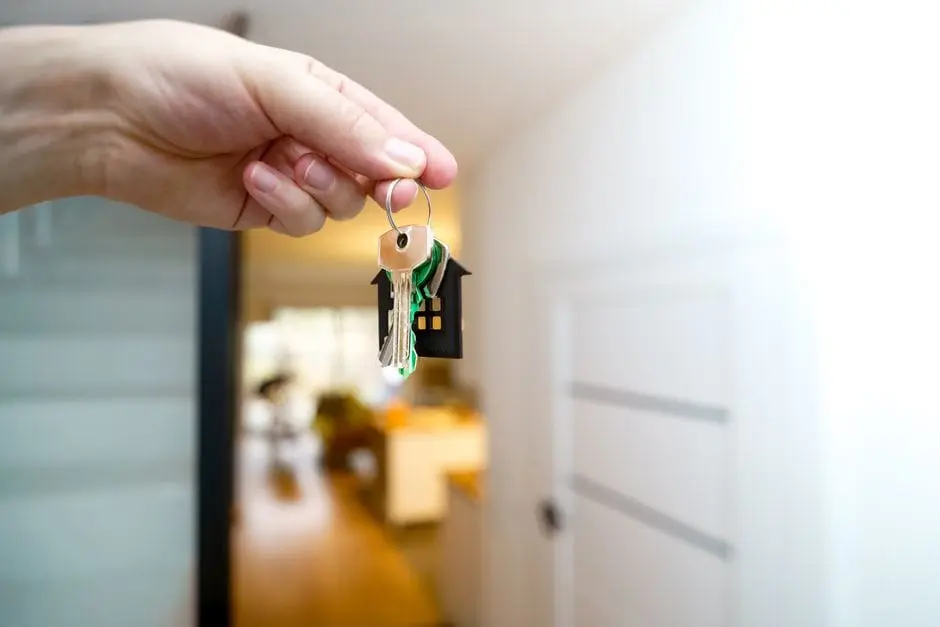
Renting a home in Mexico can be a smooth and secure process, but it is also one of the situations where the most real-estate fraud happens: fake listings, "owners" who ask for upfront deposits without showing the property, and poorly drafted contracts that leave the tenant at a disadvantage. With the right documentation and a few basic precautions, you can rent with peace of mind that your money and your rights are protected.
1. Verify the Landlord's Identity and Ownership
Documents You Should Request Before Signing
Before handing over any money, confirm that the person you are negotiating with actually has the right to rent you the property. This applies whether you deal directly with the owner or through an agent or real-estate agency.
Key documents to review:
- Valid official ID (INE, passport) that matches the name on the deed (escritura) or contract
- Public deed (escritura pública) of the property in the landlord's name, or a notarized power of attorney if they act on the owner's behalf
- Property tax receipt (predial) up to date — confirms the tax is paid and that the cadastral data matches the address
- Utility receipts (water, electricity) with no significant outstanding balances
- If the property is in a condominium, a certificate showing no outstanding maintenance fees
If the landlord refuses to show these documents or keeps making excuses, that is a red flag. A legitimate owner has no problem proving the property is theirs.
2. Rental Fraud Warning Signs
Rental scams in Mexico follow very recognizable patterns. Knowing them is your best defense before you commit any money.
Common red flags:
- They ask for a deposit or "holding fee" before showing you the property — never pay anything without visiting the property in person
- The "owner is out of the country" and can only be reached by WhatsApp or email, asking for a transfer in order to send you the keys
- A price far below market for the area and type of property
- Pressure to decide immediately ("there are other interested parties, if you don't deposit today you'll lose it")
- They only accept bank transfers or cash deposits, with no receipt or signed contract
- Listing photos identical to other listings with a different price or location (search for them with Google Images)
- They refuse to sign a formal lease agreement or propose a "handshake deal"
If you spot any of these signs, stop the process. You can learn more about identifying and avoiding these schemes in our guide on how to avoid real-estate fraud.
3. What the Lease Agreement Should Include
Essential Clauses
The lease agreement (contrato de arrendamiento) is the document that protects both the tenant and the landlord. Never agree to rent on a verbal basis or with a generic contract downloaded from the internet without reviewing it. Ideally, it should be signed in the presence of two witnesses and, if possible, ratified before a notary public (notario público) or corredor público, especially for long-term or high-value rentals.
Basic details and terms:
- Full identity of landlord and tenant
- Exact address and description of the property
- Rent amount, payment method, and due date
- Length of the contract (legal minimum of 1 year in most states)
- Amount and terms of the security deposit
Responsibilities and penalties:
- Who pays maintenance, property tax (predial), and utilities
- Conditions for early termination and the applicable penalty
- Policy on annual rent increases
- Who is responsible for major vs. minor repairs
- Conditions for returning the property and the deposit
Read every clause carefully before signing. Pay special attention to notice periods for non-renewal, penalties for late payment, and the conditions under which the landlord may withhold the deposit.
4. Guarantor, Co-signer, or Rental Insurance
What Does the Landlord Ask for as a Guarantee?
In Mexico it is common for the landlord, in addition to the deposit, to require an extra guarantee to make sure the rent will be paid. There are two main paths:
| Guarantee | What it involves | Consideration |
|---|---|---|
| Guarantor / Co-signer (fiador / aval) | A person (usually a relative) who owns a lien-free property in the same city and is legally liable if the tenant defaults | Hard to find for out-of-towners or foreigners without relatives who own local property |
| Rental insurance (legal policy, póliza jurídica) | An insurer guarantees the landlord payment of overdue rent and legal eviction costs, in exchange for a premium paid by the tenant | Practical alternative with no need for a guarantor; requires proof of income |
About rental insurance:
The legal rental policy (póliza jurídica de arrendamiento) has become the preferred option in urban areas and for people renting remotely, since it avoids relying on a third party who owns property. The cost is usually between half a month and one month of rent, paid once at the start of the contract. Before purchasing one, compare coverage: some include eviction costs and property damage, while others only cover unpaid rent.
5. Deposits and Guarantees: What Is Normal
The most common arrangement in Mexico is to ask for one month's security deposit plus one month's rent in advance at signing. However, this can vary:
- With a guarantor and a good track record: 1 month's deposit + 1 month in advance is the norm
- Without a guarantor (rental insurance only): the landlord may ask for a deposit equal to 2 or 3 additional months, or require the policy as a condition
- Foreigners or tenants with no credit history in Mexico: it is common to ask for 2–3 months' deposit, or payment of several months in advance, instead of a guarantor
- The deposit must be returned in full at the end of the contract, except for proven damage beyond normal wear and tear
Always demand a written receipt for any payment, including the deposit, showing the date, amount, purpose, and the landlord's signature. Avoid cash payments without proof; preferably use a bank transfer so there is a record of the payment.
6. Inspection and Inventory When You Move In
Document the Condition of the Property From Day One
One of the most frequent causes of disputes at the end of a lease is the condition in which the property is returned. Avoid this by documenting everything before you move in.
Checklist when you receive the keys:
Attach this signed inventory to the contract. When you return the property at the end of the lease, repeat the same process: that way neither party can claim nonexistent damage to unfairly withhold the deposit.
7. What to Do if the Landlord Acts in Bad Faith
If you have already signed a contract and the landlord breaches it — refusing to return the deposit without justification, making unilateral changes, or attempting an eviction outside the law — you have options before it comes to litigation:
First steps:
- Gather the signed contract, payment receipts, and move-in inventory
- Send a written demand (email or WhatsApp with read receipt) setting out the breach
- Consult a lawyer or broker specializing in rentals in your state
- If you purchased a legal policy, notify the insurer immediately
Where you can turn:
- PROFECO — guidance and conciliation in consumer disputes involving real-estate agencies and landlords who act as providers
- Local housing ombudsman offices (procuradurías de vivienda) or rental courts (they exist in CDMX and other states)
- Rental litigation (juicio de arrendamiento inmobiliario) before a civil judge if conciliation is not possible
- A criminal complaint if there is provable fraud (collecting money without delivering the property, forged documents)
An eviction in Mexico, except in very specific circumstances, always requires a court process: no landlord can change the locks, cut off utilities, or remove your belongings on their own. If this happens, document everything and go immediately to a housing ombudsman office (procuraduría de vivienda) or the police.
In Summary: Rent with Confidence, Not in a Rush
The vast majority of problems when renting can be avoided with three simple habits: verify documents before paying anything, insist on a complete written contract, and document the condition of the property when you move in and out. No "owner" urgency justifies skipping these steps.
- Never deposit money without having visited the property in person
- Request ID and proof of ownership before signing
- Compare a traditional guarantor against rental insurance based on your situation
- Keep all receipts, contracts, and signed inventories
Looking for your next rental?
Explore verified rental properties and check out our complete guide to identifying and avoiding real-estate fraud before signing any contract.
Listings
Recent properties
 For sale
MX$1,440,000
Land
Land for Sale in Residencial Lomas del Dorado
Boca del Río, Veracruz
 For sale
MX$3,900,000
House
House for Sale in Las Lomas, Riviera Veracruzana | 3 Bedrooms with Private Bathrooms
Alvarado, Veracruz
 For sale
MX$10,900,000
Land
Attention Investors
Puerto Vallarta, Jalisco
Keep reading
Related articles

Rent or Buy in 2026: Find Your Break-Even Point
Should you rent or buy in 2026? A practical guide to calculating the break-even point between rent and a mortgage, based on your city.
Inmobiliaria32 Team

Buy in Mexico and Rent It Out When You're Not Using It
How the buy-and-rent hybrid model works: use your property on vacation and earn rental income the rest of the year without giving up your own enjoyment.
Inmobiliaria32 Team

Rent or Buy in 2026? The 5% Rule and When Each One Makes Sense
Should you rent or buy in 2026? We break down the 5% rule, the hidden costs of each option, and the situations where renting or buying a home in Mexico makes the most sense.
Inmobiliaria32 Team
Gated Community Homes in Mexico: Security and Fees
A practical guide to deciding whether to live in a gated community (fraccionamiento cerrado): security, maintenance fees, internal rules, and what to check before you buy or rent.
Carlos Mendoza
Renting and leases
Keep learning before you decide
99 guides on renting and leases, and thousands of properties listed across Mexico.