

Gated Community Homes in Mexico: Security and Fees
A practical guide to deciding whether to live in a gated community (fraccionamiento cerrado): security, maintenance fees, internal rules, and what to check before you buy or rent.
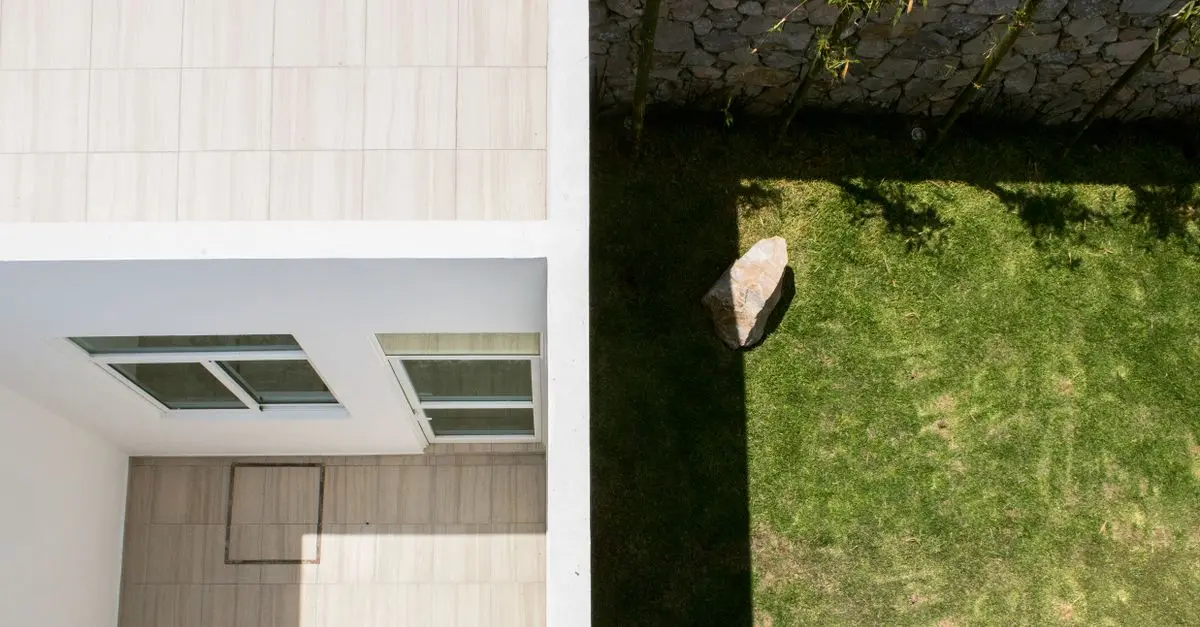
More and more families in Mexico are considering life in a gated community (fraccionamiento cerrado) as a way to gain peace of mind as cities keep growing. The promise is appealing: controlled access, security guards, shared amenities, and neighbors with similar profiles. But that convenience comes with fine print that many buyers and renters only discover after signing: maintenance fees, internal rules, and shared responsibilities that can change the real cost of the home. This guide explains, with practical examples, what to check before choosing a house in a gated community, whether you plan to buy or rent.
This article is for informational purposes only and is not a substitute for advice from a notary public (notario público), attorney, or professional property manager. Before making a decision to buy, rent, or sign a contract, consult a professional who can review your particular situation.
What exactly is a gated community?
A gated community (fraccionamiento cerrado) is a residential development with restricted access, usually surrounded by perimeter walls or fences, with one or a few entry control booths. Unlike a vertical condominium, the homes here are usually individual houses on their own lots, but they share internal streets, green areas, and, in many cases, a pool, event hall, or playground.
It is important to distinguish between two legal structures that are often confused:
- Subdivision with private administration: the common areas and roads may, in some cases, still be public or municipal in nature, even though access is controlled by a neighborhood committee or a hired management company.
- Horizontal condominium regime (régimen de condominio horizontal): the common areas are formally established under a condominium property regime, with a recorded set of rules and clearer legal obligations for all owners.
This difference is not just semantic: it determines whether the fees are legally enforceable, whether the rules have legal validity, and what happens if a neighbor doesn't pay. Before buying, it's wise to confirm with the seller or the notary public (notario público) which structure the development operates under, since this varies by state and municipality.
Security: what to expect and what not to
Security is the main reason many people look for a home in a gated community. However, it helps to have realistic expectations, because the level of security varies widely from one development to another.
| Element | What it usually includes | What to ask before buying |
|---|---|---|
| Entry booth | Guard or gate arm, sometimes with limited hours | Is it staffed 24/7 or only at certain hours? |
| Video surveillance cameras | Variable coverage, not always on every street | Who monitors them, and how long is the footage stored? |
| Perimeter | Wall or fence, possibly with secondary access points | Are there pedestrian entrances without control? |
| Internal patrols | Optional, depending on the fee and the committee | How many patrol rounds per shift, and since when have they operated? |
A common mistake
Many buyers assume that "gated community" is synonymous with "no security incidents." In reality, effectiveness depends on day-to-day management, not just on infrastructure. Ask current residents directly for references, rather than relying only on the developer's sales pitch.
Maintenance fees: how they are calculated
The maintenance fee is the recurring cost that covers security, landscaping, lighting in common areas, upkeep of pools or event halls, and sometimes the pay of a property manager. The amount varies a lot depending on the city, the level of amenities, and the number of homes sharing the expense, so avoid comparing figures from one development to another without knowing the full context.
Things worth reviewing before you commit:
- How it's calculated: some fees are prorated by square meter of lot size, while others are a flat amount per home. Ask for the breakdown in writing.
- Historical trend: ask how much the fee has increased in recent years and why, since a steady increase above inflation can be a sign of poor management.
- Existing arrears: if you're buying a resale home, check whether the seller has unpaid fees, because under several sets of rules the debt can be transferred or can affect your access to common areas.
- Reserve fund: ask whether there is a fund for major repairs (repaving, water pumps, gates) or whether each large expense is covered by special assessments.
Practical tip
Ask for the management's account statement for the last 12 months before signing. A well-run development usually has this information readily available; reluctance to show it is a red flag.
If the development hasn't yet sold all of its homes, the maintenance burden may fall on fewer families than planned, which often translates into higher fees until occupancy is complete.
Internal rules and community living
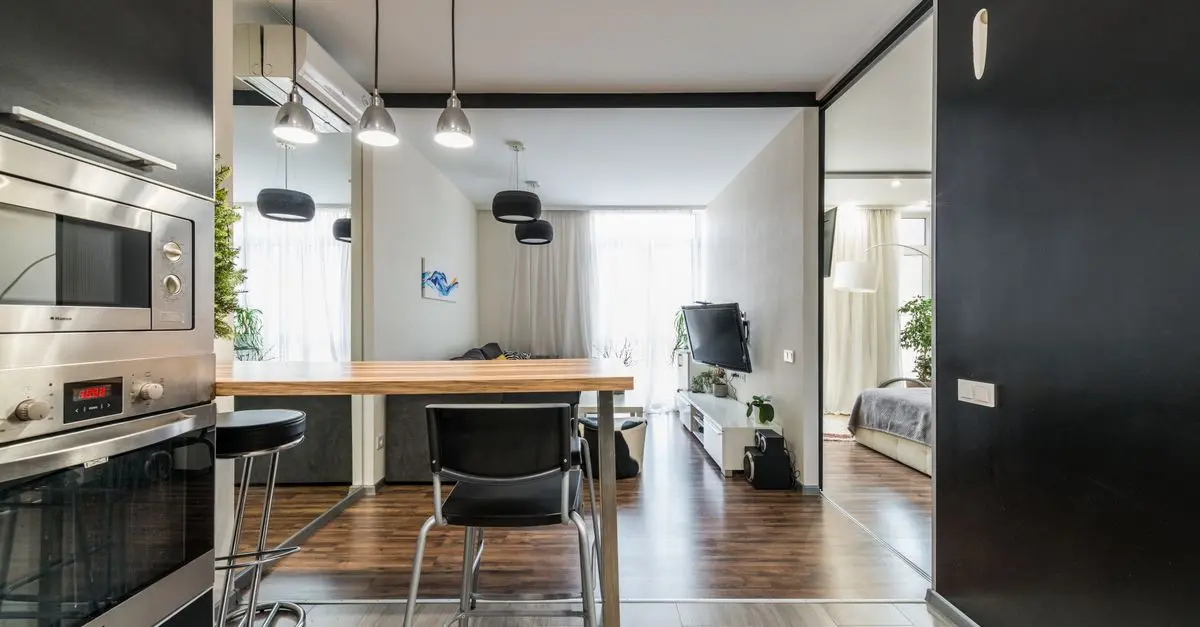
Living in a gated community means accepting rules that go beyond what the general law of a municipality requires. It's common to find restrictions on:
- Quiet hours and use of common areas.
- Changes to facades, permitted colors, or types of walls.
- Guest parking and commercial vehicles.
- Use of the home for short-term rental (some rules prohibit or limit it).
- Pets: number allowed, breeds, or specific areas for walking them.
If you plan to use the house as a vacation rental or have a business use in mind, review the rules before buying, because changing them later usually requires the agreement of a majority of neighbors, which can be slow or simply not succeed.
Before signing
Request a complete copy of the internal rules, not just a verbal summary from the real estate agent. In many cases it is a legally binding document, especially if the community operates under a condominium regime.
What to check before buying or renting
If you're buying
Beyond security and fees, there is a documentation checklist that reduces important risks:
- Confirm that the home has a current certificate of freedom from liens (certificado de libertad de gravamen).
- Review the checklist of documents for buying a home before moving forward with the deal.
- Calculate in advance the closing costs (gastos de escrituración), which are added to the price of the house and to the initial maintenance fee.
- Check whether there are hidden costs specific to the community, such as connection fees for shared services or security deposits with the management.
If you're looking for a house in a specific development, you can compare active listings at homes for sale in gated communities across different cities.
If you're renting
Renting in a gated community has its own to-do list, different from buying, because you don't acquire the property but you are still subject to the internal rules:
- Ask whether the maintenance fee is included in the rent or paid separately, and in whose name the receipt is issued.
- Ask for a copy of the internal rules before signing the lease, since as a tenant you must also comply with them (hours, pets, use of common areas, visitors).
- Confirm with the owner or the management whether you will have your own access (card, remote control, registration at the booth) or whether you depend entirely on the landlord to come and go.
- Review the lease carefully, including the security deposit, term, and renewal conditions; if you have questions, see our guide on hidden costs, which also apply to renting.
- Check whether there are restrictions on subletting or short-term rentals, which some rules expressly prohibit.
Long-term impact on appreciation
A well-managed gated community tends to hold its appeal over time, which supports appreciation (plusvalía). However, this effect is not automatic: it depends on factors such as consistent upkeep of common areas, the financial health of the management, and the overall location of the area.
Conversely, a development with overdue fees, neglected common areas, or frequent neighbor disputes can become less attractive to future buyers, even if the individual home is in good condition. To better understand which factors influence a property's future value, read our guide on what increases a home's appreciation.
When it comes time to sell, it also helps to rely on tools such as a valuation of your property to understand whether the gated community has added or subtracted value compared with similar open neighborhoods.
Frequently asked questions
The answers below are informational and general; they do not constitute legal or financial advice. For your specific case, always confirm with a notary public (notario público) or attorney.
Is it mandatory to pay the maintenance fee in a gated community?
It depends on the development's legal structure. If it is formally established as a condominium, payment is usually enforceable and there may be consequences for non-payment. If it is a subdivision with informal neighbor-run management, legal enforceability may be more limited, although non-payment often leads to conflicts with the community. It's best to confirm this with a notary public or attorney before buying.
How can I tell if a gated community is well managed?
Ask for the account statements for the last several months, ask current residents directly about how often patrols run and the condition of the common areas, and check whether there are complaints or accumulated arrears. Transparent management usually shares this information without resistance.
Are homes in gated communities more expensive than in open areas?
In general, they tend to have a higher sale or rental price than similar homes in areas without access control, because of the security and amenities. However, you need to add the recurring maintenance fee when comparing total monthly costs, not just the price of the property.
What happens if I disagree with the internal rules after buying?
The rules can normally only be changed by agreement of a majority of owners at an assembly, as set out in the development's regime. If you have specific concerns about a rule, it's advisable to review it together with the complete rulebook and, in important cases, consult an attorney before buying.
Looking for your next home in a gated community?
Explore verified listings or calculate the total costs before you decide.
Listings
Recent properties
 For sale
MX$1,440,000
Land
Land for Sale in Residencial Lomas del Dorado
Boca del Río, Veracruz
 For sale
MX$3,900,000
House
House for Sale in Las Lomas, Riviera Veracruzana | 3 Bedrooms with Private Bathrooms
Alvarado, Veracruz
 For sale
MX$10,900,000
Land
Attention Investors
Puerto Vallarta, Jalisco
Keep reading
Related articles

Private Security in Gated Communities: Fees and Coverage
What private security in a fraccionamiento (gated community) really includes, how the maintenance fee is calculated, and what to ask before committing to pay it.
Inmobiliaria32 Team
Securing a Vacation Home That Sits Empty Most of the Year
Securing a home that sits empty most of the year takes a mix of local oversight, technology, and a visible presence, not just a good lock.
María Elena Rodríguez
IoT Sensors for Rental Homes: Remote Security
IoT-based security sensors for rental homes let you monitor doors, smoke or water leaks from a distance.
Inmobiliaria32 Team

Delinquent Condo Fees: What the Owners' Assembly Can Do
Neighbors behind on condo fees: what the assembly can do, what is off-limits, how to collect through an executory civil action, and how to set up a payment agreement.
Inmobiliaria32 Team
Buying a home
Keep learning before you decide
358 guides on buying a home, and thousands of properties listed across Mexico.