

Real Estate Appreciation in Mexico: What Drives Value
Discover which factors increase a property's appreciation in Mexico: new infrastructure, transportation, shops, safety, schools and nearshoring.
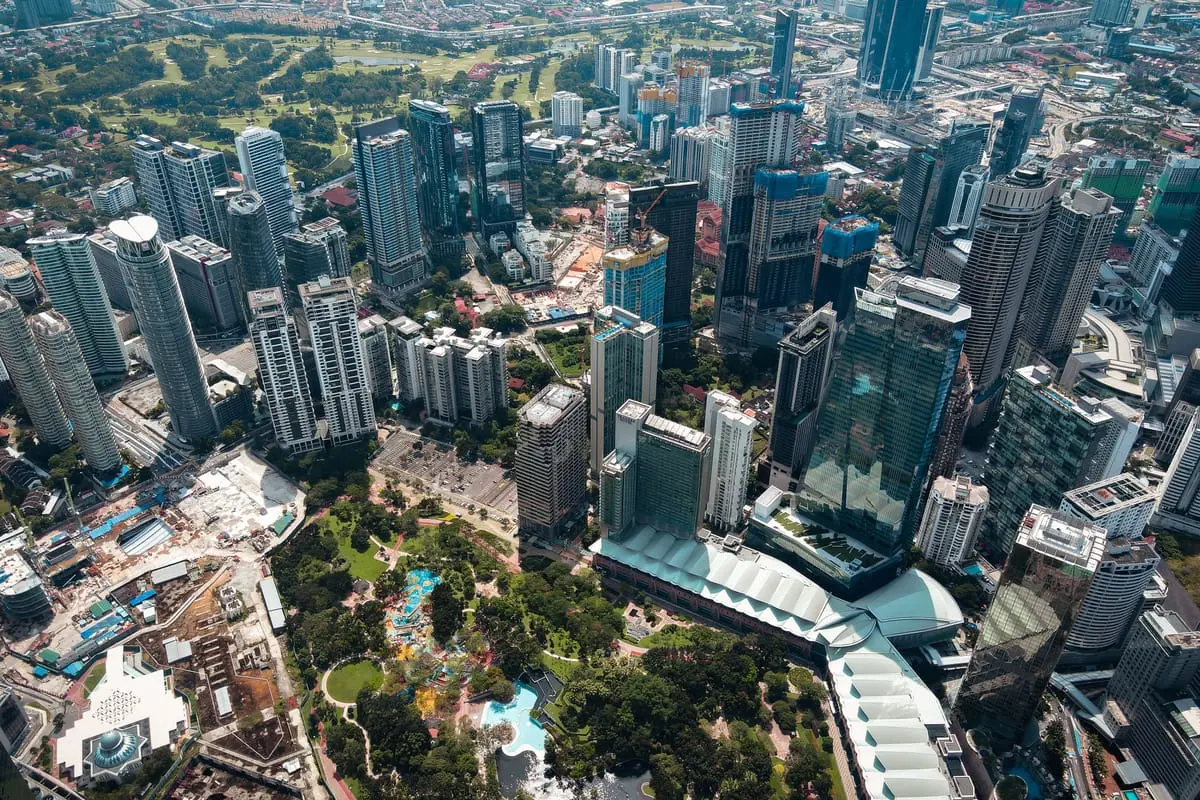
Appreciation (plusvalía) is the increase in a property's value over time, and choosing the right area can make the difference between a home that gains value year after year and one that barely holds its price. For most Mexican families, buying a home is the biggest investment of their lives, so understanding what makes a property's value rise is not a luxury but a key tool. In this guide we explain which factors drive appreciation, how to spot a growing area, and how to do your research before signing.
What is appreciation and what does it depend on?
Real estate appreciation is the gain in value a property experiences between the moment you buy it and a later point in time. It can result from improvements to the home, from general inflation or, above all, from the development of the surrounding area. In practical terms, a house "gains appreciation" when the market is willing to pay more for it than it originally cost.
It's worth being clear that appreciation is neither guaranteed nor evenly distributed across the country: it depends on many local factors and on the economic cycle. The same type of home can appreciate strongly in one city and stagnate in another. That is why location is usually considered the most decisive factor, though not the only one.
Key fact
Appreciation is built more by the surroundings than by the property itself. You can remodel a house, but you can't move its location. That's why experts often say you buy "the area" as much as the property.
Factors that increase appreciation
Although every market is different, there are factors that consistently tend to boost property values. Consider them points in favor when you evaluate an area:
New infrastructure and public works
The arrival of new avenues, bridges, hospitals, parks and higher-capacity services such as water, sewage or electricity usually raises the appeal of a colonia (neighborhood). When the government or developers invest in infrastructure, the value of the surrounding land tends to react upward, although the effect can take time to materialize.
Transportation and connectivity
Proximity to new subway lines, metrobús routes, suburban trains or access to major highways is one of the heaviest-weighing factors. A well-connected area cuts commute times and widens the pool of people interested in living there, which usually pushes prices up.
Nearby shops and services
The opening of supermarkets, shopping centers, restaurants, gyms and health centers makes an area more convenient and increases demand. When a colonia goes from being a "bedroom community" to having a life of its own, with services within a short distance, its appreciation tends to benefit.
Safety and perception of the surroundings
Safety is a decisive factor for Mexican families. Areas perceived as safer tend to hold their value better and attract more buyers. Perception matters as much as the statistics, so it's worth visiting the colonia at different times of day.
Schools and educational options
The presence of well-regarded schools, universities and educational centers is a magnet for families, which sustains housing demand over the long term. Many buyers prioritize living near good educational options for their children.
Economic development and nearshoring
The establishment of industrial parks and corporate offices and, in recent years, the nearshoring phenomenon (companies relocating operations to Mexico) have boosted housing demand in several regions, especially in the north and the Bajío. Where well-paid jobs arrive, demand for homes and rentals tends to grow, which can favor appreciation. It is a trend with potential, but it should be evaluated with caution, since its impact varies widely from city to city.
Signs of a growing area
Spotting an area before it "takes off" is hard, but there are signs that often anticipate a rise in value. None is a guarantee on its own; their value lies in observing them together:
Signs of an area with potential
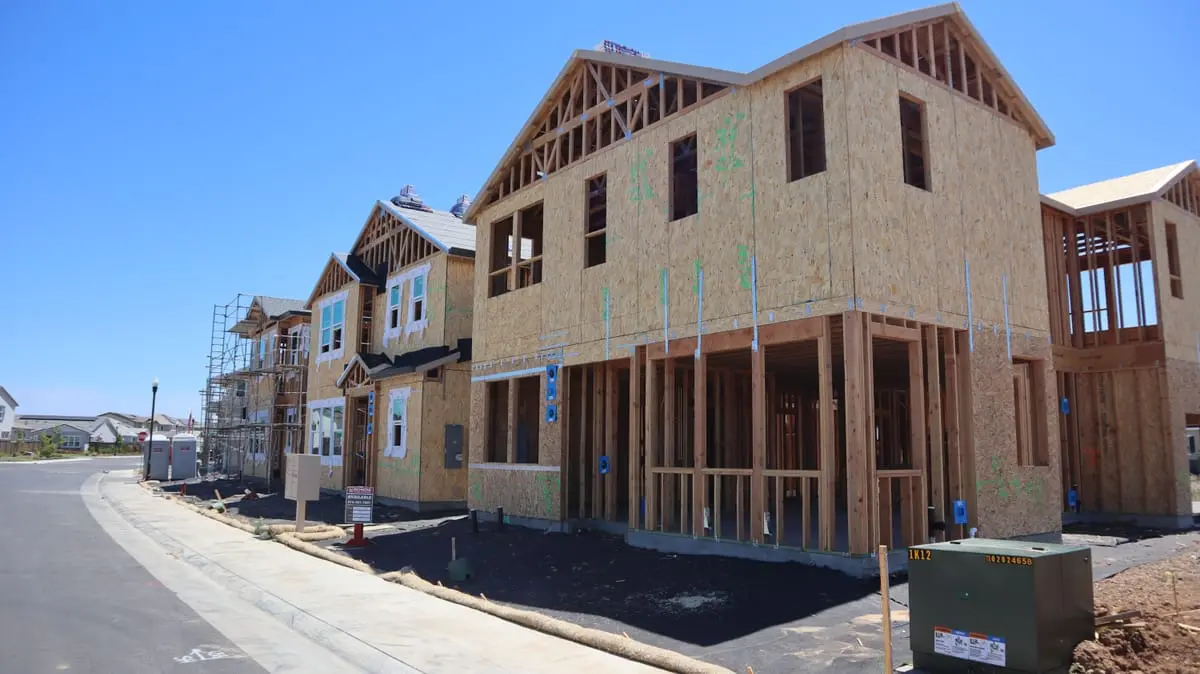
- Active construction: new residential developments, shopping centers or roads.
- Announcements of public transit or highway projects.
- Arrival of well-known retail chains or franchises.
- Sustained increases in prices and rents over recent years.
- An influx of new residents and low availability of land.
- Interest from mid-sized and large developers in the area.
As a reference, comparing the area's price per square meter with the city average helps you tell whether there is still room for growth. You can use our guide on the price per m² in Mexico 2026 as a point of comparison.
Factors that reduce appreciation
Just as some elements boost value, others slow it down or even erode it. Spotting them early can save you from a bad purchase:
Warning signs
- Growing insecurity or a poor reputation for the colonia.
- Lack of basic services or deteriorating infrastructure.
- Risk zones: riverbeds, ravines or flood-prone areas.
- Oversupply of housing that keeps prices stagnant.
- Proximity to sources of pollution, noise or bad odors.
- Congested roads with no improvement projects in sight.
The same factor can work for or against you depending on the context. For example, a busy commercial avenue may be a plus for a retail space but undesirable for a residence. Always evaluate according to the use you plan for the property.
How to research before buying
Before deciding, spend time researching the area with the same seriousness you would give the property. These steps will give you a more complete picture:
- Visit the colonia at different times and on different days: morning, night and weekends reveal different things about safety, noise and mobility.
- Review municipal urban development plans: they let you anticipate which public works or land-use changes are planned.
- Check the price history: see how sale and rental values have evolved over recent years.
- Talk to neighbors and local businesses: they know better than anyone about recent changes and plans for the area.
- Verify services and connectivity: transportation, schools, hospitals and shops within a short distance.
Compare before you decide
Don't settle for the first option. Comparing several colonias with similar characteristics helps you identify which offers the best balance between current price and growth potential. Estimate a property's reference value with our value calculator.
If your budget is tight, consider emerging areas on the outskirts of large cities, where prices tend to be more accessible and the potential for appreciation may be higher. In our guide on where to buy an affordable home near Mexico City we analyze several of these options.
Improving the property vs. improving the area
There are two paths for your investment to gain value: improvements that depend on you (the property) and those that depend on the surroundings (the area). Both count, but they work differently.
| Aspect | Improving the property | Improving the area |
|---|---|---|
| Control | Up to you | Outside your control |
| Examples | Remodeling the kitchen, bathrooms, finishes | New transportation, shops, safety |
| Reach | Usually has a value ceiling | Can lift the entire local market |
Improvements to the property, such as remodeling the kitchen or bathrooms, can raise its value immediately, but they have a limit: no matter how beautiful a house is, it will hardly exceed its colonia's price ceiling by much. In contrast, improvements to the surroundings can pull up the value of every home in the area, although they don't depend on you. The soundest strategy usually combines both: buy in an area with good potential and keep the property in good condition.
When you're ready to explore specific options, you can filter by location and features in our property search and compare areas at your own pace before deciding.
Frequently asked questions about appreciation
Is appreciation guaranteed when buying a home?
No. Appreciation depends on many local factors and on the economic cycle, so it is not guaranteed. Choosing an area with good growth signals increases the odds of appreciation, but there is always uncertainty.
Which matters more, the area or the property?
Generally speaking, location is considered the most decisive factor, since it can't be changed. A good area sustains the value even of modest properties, while an immaculate house in a declining area will hardly appreciate.
Does nearshoring really increase appreciation?
Nearshoring has boosted housing demand in several regions of Mexico, especially where new companies and jobs are setting up. It is a trend with potential, but its impact varies widely from city to city, so it's best to analyze it case by case and not take it for granted.
How do I know if an area still has room to rise?
Comparing the colonia's price per square meter with the city average and observing the recent evolution of prices and rents gives you an idea. If the area is well below the average but shows signs of development, it may have room to grow.
Find an area that gains value
Now that you know what drives appreciation, explore properties by location and calculate the reference value of the ones that interest you to make a better decision.
Listings
Recent properties
 For sale
MX$1,440,000
Land
Land for Sale in Residencial Lomas del Dorado
Boca del Río, Veracruz
 For sale
MX$3,900,000
House
House for Sale in Las Lomas, Riviera Veracruzana | 3 Bedrooms with Private Bathrooms
Alvarado, Veracruz
 For sale
MX$10,900,000
Land
Attention Investors
Puerto Vallarta, Jalisco
Keep reading
Related articles
15 Mexican Cities With the Highest Appreciation in 2026
Find out which cities in Mexico are seeing the strongest property appreciation (plusvalía) in 2026.
Carlos Mendoza, Analista de Mercado Inmobiliario

Street Lighting and Its Effect on Property Value (Plusvalía)
Street lighting affects a neighborhood's plusvalía (property value appreciation): it reduces perceived insecurity and attracts more buyers.
Inmobiliaria32 Team
Top 10 Colonias With the Most Appreciation in Mexico City
A guiding overview of the Mexico City colonias most often cited for steady property appreciation, plus key factors to evaluate before you invest.
Carlos Mendoza
What Is a Real Estate Franchise? How It Works
What is a real estate franchise and how does this business model work for agents and brokers who want to operate under a recognized brand?
María Elena Rodríguez
Real estate investing
Keep learning before you decide
58 guides on real estate investing, and thousands of properties listed across Mexico.