

Certificate of Freedom from Liens (Libertad de Gravamen) in Mexico
The certificate of freedom from liens (certificado de libertad de gravamen) confirms a property has no mortgages or attachments.
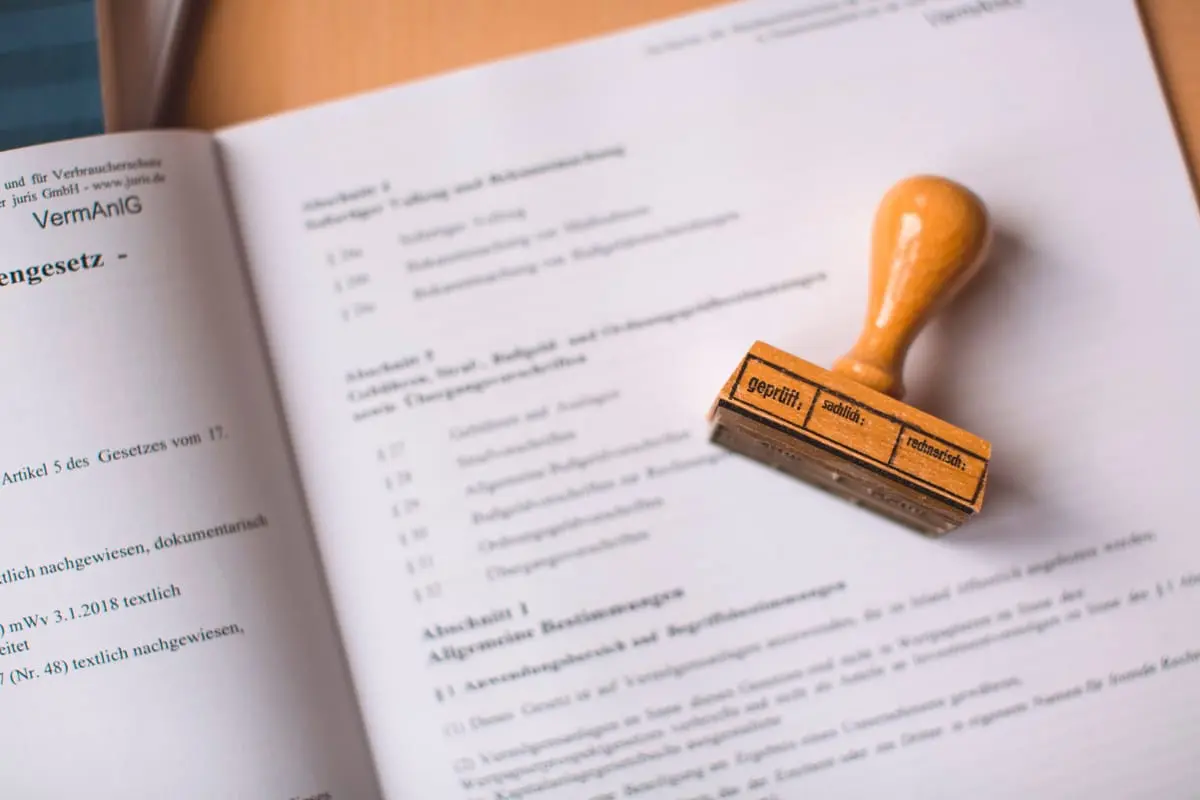
Before you sign the purchase of a house or condo, there is one document that can save you from serious headaches: the certificate of freedom from liens (certificado de libertad de gravamen). Issued by the Registro Público de la Propiedad (Public Property Registry), this certificate tells you whether the property you want to buy is truly free of mortgages, attachments, or other encumbrances that could affect the transaction. In this guide we explain what it is, what it is for, how and where to request it, and its approximate cost and validity in Mexico.
What is the certificate of freedom from liens?
The certificate of freedom from liens (certificado de libertad de gravamen) is an official document issued by the Registro Público de la Propiedad of each state or municipality. Its purpose is to record the legal status of a property: essentially, it states whether the property is free of encumbrances or, on the contrary, has a registered lien (gravamen), such as a mortgage, an attachment, or a restriction on ownership.
Put simply, a "lien" is a burden on the property that can limit the owner's ability to sell or transfer it without restrictions. When the certificate states that the property is "free of liens," it means that, at the time it was issued, no such encumbrances were on record.
Key fact
The certificate reflects what is recorded in the Registro Público de la Propiedad as of the date it is issued. It does not guarantee the property's status going forward, so it's best to request it as close as possible to the signing of the transaction.
What is the certificate of freedom from liens used for?
This document is a legal-security tool for both the buyer and the institutions involved in the transaction. Its most common uses are:
- Confirming the property can be sold: it shows that there are no attachments or encumbrances that would prevent or complicate the transfer of the property.
- Supporting mortgage loans: banks, INFONAVIT, and FOVISSSTE often require it as part of the file to approve financing.
- Giving the notary certainty: the notary public (notario público) reviews it before formalizing the deed (escritura) to verify the property's registry status.
- Preventing fraud: it helps detect whether someone is trying to sell a property that is actually mortgaged or attached.
If you'd like to learn more about protecting yourself during a purchase, check out our guide on how to avoid real estate fraud.
What information the certificate reveals
Although the format varies by state, most certificates include details such as the following:
| Item | What it shows |
|---|---|
| Property details | Location, surface area, and folio or registry record |
| Registered owner | Name of the person listed as owner with the Registry |
| Liens | Mortgages, attachments, or recorded restrictions, if any |
| Issue date | The point in time to which the registry information corresponds |
Heads up
A certificate of freedom from liens does not replace checking for outstanding debts such as property tax (predial), water, or maintenance fees, since these are not always recorded as liens. Complement your research with our guide on how to verify that a property has no outstanding debts.
How and where to request it
The process is handled by the Registro Público de la Propiedad that corresponds to the property's location. Each state has its own procedure, but the steps are generally similar:
- Gather the property's identifying information, such as the folio real (real folio number) or the registry records shown on the deed (escritura).
- Go to the Registro Público de la Propiedad office or log in to its online portal, if your state offers digital procedures.
- Fill out the certificate request and provide the required information.
- Pay the corresponding fee at the cashier or through the payment system the agency indicates.
- Submit the payment receipt and wait for the document to be issued within the timeframe set by each Registry.
In several states the process can be started online, while in others it is still done in person. In many cases, the notary (notario) who will handle the deed signing requests the certificate as part of the process, which can simplify your paperwork.
Practical tip
Confirm in advance what information your state Registry requires. Having the folio real and a copy of the deed on hand usually speeds up the request considerably, whether you file it yourself or through the notary.
Approximate cost and validity
Both the cost and the validity of the certificate vary by state, so the figures below are only general references. The best approach is to check the current fee and conditions directly with the Registro Público de la Propiedad in your state.
- Cost: it is usually a relatively affordable fee, which can start at a few hundred pesos, depending on the state and the type of certificate.
- Validity: by its nature, the certificate reflects the situation as of a specific date, so its validity for a transaction is generally considered limited, commonly a few weeks or months depending on the criteria of each Registry or notary's office.
- Turnaround time: it can be resolved in a few business days, although the timeframe depends on the workload and system of each state.
Given these variations, avoid assuming a fixed cost or validity period: always verify the official information for your locality before scheduling the signing of your transaction.
Why it is key before buying
Buying a property without reviewing its registry status is one of the most common risks in the market. The certificate of freedom from liens lets you make an informed decision and avoid costly surprises.
Watch out for these scenarios
- Buying a property that is still mortgaged, with the risk of inheriting the debt or having the transaction run into complications.
- Acquiring a property with an attachment that prevents the deed from being issued in your name.
- Paying a deposit before confirming who the property's true registered owner is.
- Relying solely on the seller's word without documentary backing.
Requesting this certificate, ideally with the help of a notary, is one of the best ways to protect your purchase. And once you're sure the property is in order, you can focus on the fun part: searching for your ideal property and estimating its market value with our tool to calculate how much it is worth.
Frequently asked questions
Who can request the certificate of freedom from liens?
In general, anyone with an interest in the property can request it, since it is public registry information. In practice, it is usually requested by the owner, the buyer, or the notary involved in the transaction. Check the specific requirements of your state Registry.
Is it the same as the deed (escritura)?
No. The deed is the document that proves ownership and the transaction; the certificate of freedom from liens only reports whether or not the property has registered encumbrances as of a specific date. They are complementary documents.
Does the certificate guarantee there are no problems with the house?
Not entirely. It confirms the lien status with the Registry, but it does not cover utility debts or verify the physical condition of the property. It's best to combine it with a check for outstanding debts and a property inspection.
How often should it be requested?
Ideally, get it shortly before signing the sales agreement so that it reflects the most recent information possible. If too much time passes between its issuance and the signing, some notary's offices may ask for an updated one.
Buy with confidence and no surprises
Now that you know how to verify that a property is free of liens, take the next step: find your ideal property and calculate its market value with confidence.
Listings
Recent properties
 For sale
MX$1,440,000
Land
Land for Sale in Residencial Lomas del Dorado
Boca del Río, Veracruz
 For sale
MX$3,900,000
House
House for Sale in Las Lomas, Riviera Veracruzana | 3 Bedrooms with Private Bathrooms
Alvarado, Veracruz
 For sale
MX$10,900,000
Land
Attention Investors
Puerto Vallarta, Jalisco
Keep reading
Related articles

Certificado Parcelario (PROCEDE/RAN): What It Is
What a certificado parcelario is: the document issued under the PROCEDE program, now administered by the RAN.
Inmobiliaria32 Team

What Is a Lien (Gravamen) and How to Tell if Your Home Has One
What a lien (gravamen) on a property is, the most common types in Mexico (mortgage, attachment) and how to check whether your home has one.
Carlos Mendoza

Infonavit Foreclosure for Non-Payment: What Happens If You Stop Paying
Infonavit foreclosure for non-payment: what happens month by month if you stop paying, when a lawsuit begins, which relief programs halt collections, and how to protect your home in time.
Inmobiliaria32 Team

Infonavit Self-Build Loan: Build Your Home on Your Own Land
Infonavit self-build housing: requirements, loan amount, how funds are released in stages, and what your land must meet to build your home with credit.
Inmobiliaria32 Team
Legal and paperwork
Keep learning before you decide
102 guides on legal and paperwork, and thousands of properties listed across Mexico.