

Real Estate Fraud in Mexico: Common Scams and How to Avoid Them
Sale of properties by non-owners, double sales, phantom rentals, deposits that are never returned.
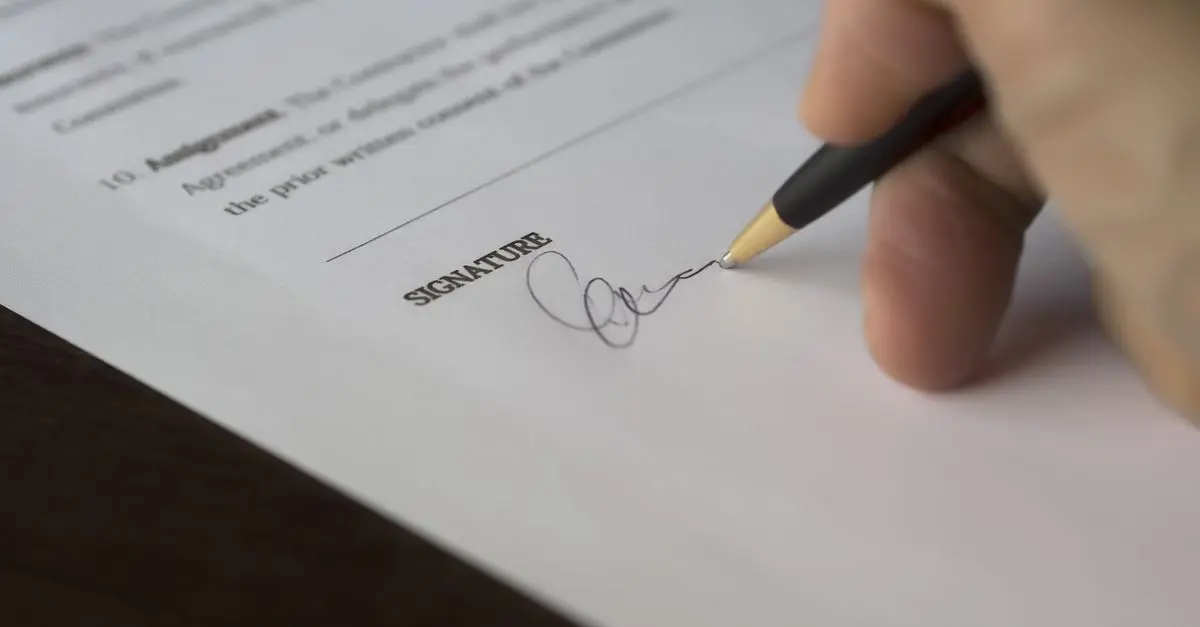
Buying or renting a property is one of the biggest financial decisions of your life, which is exactly why it is a frequent target for scammers. Real estate fraud in Mexico ranges from the classic "I'm selling a house that isn't mine" to phantom rentals designed only to grab your deposit. The good news: almost all of them share warning signs you can learn to recognize. In this guide we show you how to spot them and the concrete steps to protect your money.
The most common real estate scams
| Scam | How it works |
|---|---|
| Sale of someone else's property | Someone "sells" a house that doesn't belong to them, using forged documents. |
| Double sale | The same property is sold to two or more buyers at the same time. |
| Phantom rental | They advertise a property they don't control and ask for a deposit upfront. |
| Non-refundable reservation deposit | They collect a "reservation deposit" (apartado) and then disappear or refuse to return it. |
| Hidden liens | They sell you a house with a mortgage, attachment, or unpaid debts that you inherit. |
| Irregular or ejido land | They sell ejido land (communal agrarian land) as if it were private property that can be deeded. |
Warning signs
Be suspicious if...
- The price is far below the local market.
- They pressure you to pay right now, in cash and "without paperwork."
- They ask for a deposit before you visit the property or without a signed contract.
- The "owner" can't show ID or the original deed (escritura).
- They avoid the notary (notario) or say it's "not necessary."
- Contact happens only through messaging apps and they avoid in-person meetings.
- The details in the listing don't match the Registro Público (Public Property Registry).
How to verify before you pay
The golden rule: never hand over money without verifying. These steps prevent the vast majority of purchase scams:
- Request the certificate of freedom from liens (certificado de libertad de gravamen) from the Registro Público de la Propiedad to confirm who the owner is and whether there are mortgages or attachments.
- Check that there are no outstanding debts for predial (property tax) and water: see how in our guide on how to verify that a property has no outstanding debts.
- Compare the seller's ID with the name on the deed and in the registry.
- Insist that the entire transaction go through a notary public (notario público): it is your greatest legal protection.
- Document every payment with receipts and avoid cash without proof of payment.
- If you work with an agent, first confirm they are legitimate; see our guide on how to verify that a real estate agent is real.
The notary is your ally
A notary verifies ownership, liens, and the legal capacity of the parties before formalizing the deal. Skipping the notary "to cut costs" effectively removes your main defense against fraud.
Rental scams
Rental scams are quicker and involve smaller amounts, but they are very common. The typical pattern: an attractive listing, a supposed owner who is "out of town," and a request for a deposit by bank transfer to "reserve" the place before showing the property.
- Never transfer a deposit before seeing the property in person.
- Confirm that the person showing you the property is the owner or their representative with documents.
- Sign a written lease agreement (contrato de arrendamiento) before making any payment.
- Be wary of rents far below market in sought-after areas.
The same caution applies to reservation deposits on a purchase: read our guide on reservation deposits (apartado) and earnest money, and how not to lose your money before handing over any advance payment.
What to do if you were a victim
- Gather all the evidence: listings, messages, payment receipts, and documents you received.
- File a criminal complaint (denuncia) for fraud with the Fiscalía or Ministerio Público in your state.
- If a supposed advisor or real estate agency was involved, report them to the consumer protection authorities as well.
- Consult an attorney to evaluate civil actions to recover your money.
If you need a more complete step-by-step guide to this process, see what to do if you were the victim of real estate fraud.
Frequently asked questions
How do I know if the seller is the real owner?
Request the certificate of freedom from liens (certificado de libertad de gravamen) from the Registro Público and compare it with the seller's official ID. The name must match the registered owner.
Is it safe to pay a reservation deposit?
Only if you sign a document that spells out the amount, the conditions, and the cases in which it is refunded. Never pay a reservation deposit in cash without a receipt or without first verifying the property.
Can I buy without a notary to save money?
It's not advisable. A private contract doesn't give you the same protection: without a public deed (escritura pública) before a notary and registration in the registry, your purchase is vulnerable to double sales and third-party claims.
What do I do if a piece of land turns out to be ejido land?
Ejido land cannot be deeded as private property until it is regularized. Don't pay for ejido land believing you'll receive a deed: verify its legal status before any deal.
Buy with more confidence
Browse listed properties and use our guides to verify every step before handing over your money.
Listings
Recent properties
 For sale
MX$1,440,000
Land
Land for Sale in Residencial Lomas del Dorado
Boca del Río, Veracruz
 For sale
MX$3,900,000
House
House for Sale in Las Lomas, Riviera Veracruzana | 3 Bedrooms with Private Bathrooms
Alvarado, Veracruz
 For sale
MX$10,900,000
Land
Attention Investors
Puerto Vallarta, Jalisco
Keep reading
Related articles

Common Mistakes New Real Estate Agents Make
Knowing the most frequent real estate agent mistakes when you're starting out can save you time and keep you from losing clients.
Inmobiliaria32 Team
Real Estate Portals in Mexico: How to Choose Where to List
Choosing among the real estate portals in Mexico comes down to your property type, budget and location.
María Elena Rodríguez

Buying Property in Mexico as a Colombian: Wire, DIAN, Residency
A guide for Colombians buying property in Mexico: how to wire money from Colombia, what to report to the DIAN, the tax treaty and residency options.
Inmobiliaria32 Team

Buying Property in Mexico as an Argentine: Dollars, ARCA, Visas
A guide for Argentines buying property in Mexico: how to wire your dollars, what to declare to ARCA, the double taxation treaty, and residency options.
Inmobiliaria32 Team
Legal and paperwork
Keep learning before you decide
102 guides on legal and paperwork, and thousands of properties listed across Mexico.