

Deposits and Earnest Money: How to Avoid Losing Your Cash
Before putting down a deposit on a home, learn what should be signed, how much is reasonable to pay, and how to keep that deposit from becoming money lost.
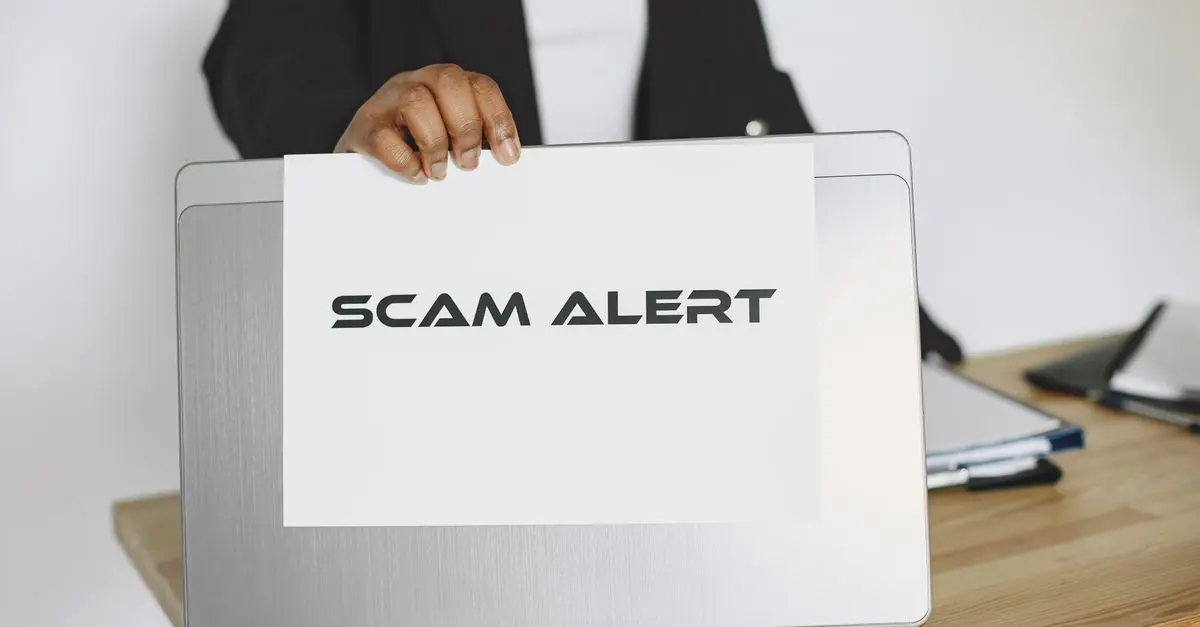
Putting down a deposit (apartado) on a home is one of the most exciting moments of buying or renting a property: it means you found something you like and want to lock it in before someone else beats you to it. But it is also one of the points where the most buyers and tenants lose money, because they hand over cash or make transfers without a clear document backing up the deal. In this guide we explain what an apartado really is, what it should contain in writing, and how to protect yourself so that deposit doesn't turn into a loss.
Important notice
This article is for informational purposes only and does not replace the advice of a lawyer, notary public (notario público) or certified real estate agent. The figures and percentages mentioned are approximate and vary by city, type of transaction and local custom. Before signing or handing over any money, confirm the terms with a professional you trust.
What exactly is an apartado?
The apartado (also called a seña, a reservation advance, or simply "apartar" in everyday speech) is a sum of money that the buyer or tenant gives to the seller, landlord or real estate agent so that the property stops being shown to other interested parties while the process moves forward: gathering documents, arranging a mortgage loan, or drafting the purchase-sale or lease contract.
It is important to understand that the apartado is NOT the same as:
- The down payment (enganche): a much larger payment, usually part of the final price, that is formalized within the purchase-sale contract.
- The security deposit (rentals): used in leases to cover damages at the end of the contract, not to reserve the property.
- A purchase-sale contract: the apartado comes before the contract; it does not replace it.
Confusion between these concepts is precisely where many people lose money: they hand over a significant amount believing they have already "closed the deal" when in reality they only paid a deposit with no clear legal backing.
How much is a reasonable deposit?
There is no fixed amount set by law for the apartado; it is an agreement between the parties. That said, common practice in the Mexican market tends to fall within approximate ranges you can use as a reference, which should be confirmed case by case:
| Type of transaction | Approximate range | Note |
|---|---|---|
| Buying a house or apartment (resale) | Agreed fixed amount, roughly a small percentage of the price | Should be deducted from the down payment or final price |
| Buying pre-sale/new development | Usually set by the developer, with its own conditions | Review refund policies before signing |
| Renting a home | A token amount, well below one month's rent | Shouldn't exceed what is needed to get the listing "taken down" |
Be wary if you are asked for a deposit equal to several months' rent or a high percentage of the home's price without having seen the property in person, without verifying the owner, or without a signed document. A disproportionate deposit is a common red flag among the most frequent real estate scams in Mexico. Before paying, it is also wise to verify that the real estate agent is legitimate if the transaction goes through an intermediary.
The document you should always demand
Never hand over deposit money without a written document, even a simple one. This receipt or reservation letter should include, at a minimum:
- Full name and identification details of whoever receives the money (ideally the owner, not just the agent).
- Exact address and description of the property.
- Amount paid, payment method and date.
- How long the apartado is valid (for example, "valid for X calendar days").
- Clear conditions: what happens if the buyer backs out and what happens if the seller decides to sell to someone else.
- Whether the amount is refundable, partially refundable or non-refundable, and under what conditions.
- Signatures from both parties.
This document does not replace a purchase-sale contract or a lease agreement, but it gives you backing if you need to claim the money back. If the seller or agent refuses to sign something as basic as an apartado receipt, that is a red flag you should not ignore.
Before putting down a deposit, verify the seller
Confirm that the person receiving the money is truly the owner (or has legal power of attorney to act on the owner's behalf) by reviewing the certificate of freedom from liens (certificado de libertad de gravamen) and asking for a copy of their official ID and of the deed (escritura) or property contract.
Common mistakes that cost money
These are the patterns that most often lead to losing deposit money:
- Paying in cash without a receipt. Without proof, it's your word against the seller's if something goes wrong.
- Not setting a deadline or conditions. An "open-ended" apartado can leave you waiting for weeks with no certainty while the property keeps being shown to others.
- Not asking whether it is refundable. Many sellers treat the apartado as non-refundable by default; if you don't clarify this before paying, you could lose it entirely if the deal doesn't move forward.
- Putting down a deposit without seeing the property in person. Photos and video calls are no substitute for a physical visit, especially for rentals.
- Handing money to an intermediary without verifying their relationship with the owner. Always ask for ID and, if possible, direct contact (even if brief) with the owner.
- Not keeping a record of the transfer. If you pay by bank transfer, save the receipt and note whose name the destination account is under.

How to hand over the money safely
How you pay the deposit also affects your level of protection:
- A bank transfer to an account in the owner's name (not an unknown third party) leaves a paper trail and is preferable to cash.
- Avoid deposits into third-party accounts with no clear connection to the seller or the real estate agency, even if they tell you "it's easier that way."
- If the apartado is handled through a formal real estate agency, ask whether the money is held in the company's account or directly by the owner, and request an invoice or tax receipt if applicable.
- Be wary of payment requests through messaging apps or external links that don't correspond to an official banking channel.
Best practice
If you plan to buy with a mortgage, first review the steps in our step-by-step mortgage guide and get a pre-approval or estimate before putting down any deposit, so you don't tie up money in a property you ultimately won't be able to finance.
What to do if something goes wrong
If you put down a deposit and the seller or landlord fails to honor the agreement (for example, they sell or rent to someone else, or disappear with your money), these are the recommended steps:
- Gather all the evidence: the signed receipt, proof of payment, and text messages or emails where the conditions were agreed.
- First contact them directly and in writing to request a refund, keeping a record of the date and the medium used.
- If there is no response, you can go to the Federal Consumer Protection Agency (Procuraduría Federal del Consumidor, PROFECO) if the transaction involved a formal company or real estate agency, or consult a lawyer to evaluate a lawsuit for breach of agreement.
- If you suspect fraud (a false identity, or a property that doesn't exist or doesn't belong to the person offering it), file a report with the Ministerio Público (public prosecutor's office).
In most cases, having the signed apartado document is the difference between being able to claim your money back and being left with no backing at all. Also, before signing, check that the property has no legal problems that could complicate the transaction down the road.
Frequently asked questions
Is a deposit (apartado) required to buy a house?
It is not required by law. It is a common market practice to ensure the seller stops showing the property while you move through the process, but you can negotiate the purchase-sale contract directly without an apartado if both parties agree.
Is the deposit deducted from the final price or the down payment?
Generally yes, the apartado amount is subtracted from the down payment or the total agreed price. This should be stated explicitly in writing on the receipt or reservation letter to avoid confusion later.
Can I get my money back if I change my mind about buying?
It depends on what was agreed in writing. Many deposits are considered non-refundable if the buyer backs out without just cause, while they are usually returned if the problem comes from the seller's side. That is why it is essential to make this condition clear before paying.
What happens if the seller sells the house to someone else after receiving my deposit?
If there is a signed document with the terms of the apartado, you have grounds to demand your money back and even, depending on the case, seek compensation. Without that document, the claim becomes much harder to sustain.
Ready to search for your next home with more confidence?
Explore verified properties and review the checklists you need before putting down any deposit.
Listings
Recent properties
 For sale
MX$1,440,000
Land
Land for Sale in Residencial Lomas del Dorado
Boca del Río, Veracruz
 For sale
MX$3,900,000
House
House for Sale in Las Lomas, Riviera Veracruzana | 3 Bedrooms with Private Bathrooms
Alvarado, Veracruz
 For sale
MX$10,900,000
Land
Attention Investors
Puerto Vallarta, Jalisco
Keep reading
Related articles

Send Money from the US to Mexico Without Losing on the Exchange
How to transfer money from the US to Mexico while minimizing exchange-rate costs: compare spreads, avoid hidden fees, and pick the right time to convert.
Carlos Mendoza
If Your Developer Goes Bankrupt: What Happens to Your Money and Home
If the developer goes bankrupt on your pre-sale: what happens to your money and your home based on what you signed, who gets paid first in a concurso mercantil, and what to do now.
Inmobiliaria32 Team
What Happens If I Change My Mind After Signing the Apartado
Backing out of a home apartado (reservation deposit) has financial and legal consequences that depend on what you signed.
Inmobiliaria32 Team

How to Search for a Home Online Without Wasting Time
Learn how to search for a home online in an organized way: the right filters, trust signals, a visit schedule, and common mistakes that drag out your search.
Inmobiliaria32 Team
Buying a home
Keep learning before you decide
358 guides on buying a home, and thousands of properties listed across Mexico.