

Tenant Rights in Mexico: What Every Renter Should Know
Learn your rights as a tenant in Mexico: lease, security deposit refunds, repairs, rent increases, privacy, and protection against illegal evictions.
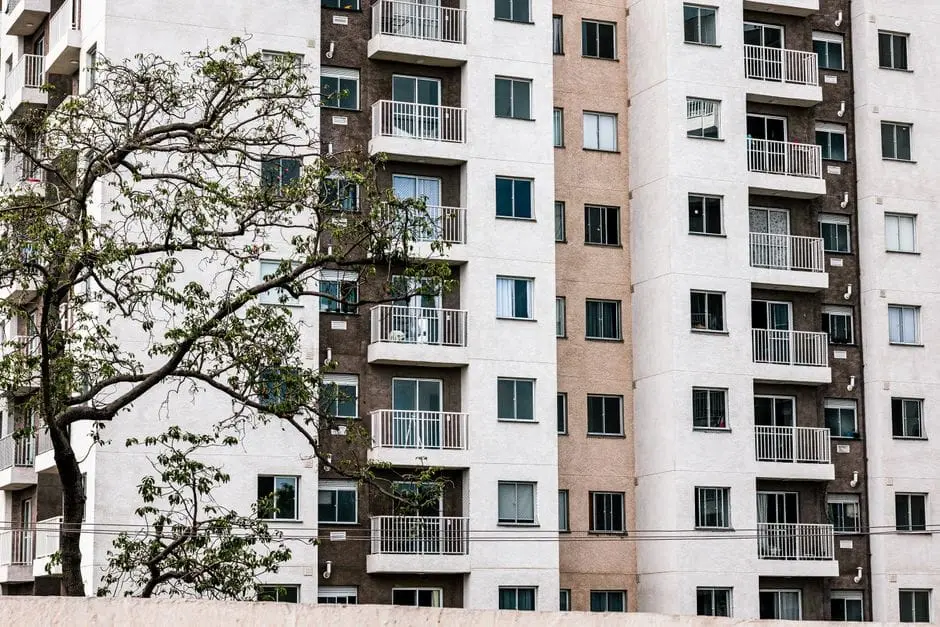
Renting a home doesn't mean giving up your rights. The law protects tenants in several ways: from the landlord's obligation to deliver a habitable property to the prohibition on evicting you on their own. The problem is that many renters are unaware of these protections and put up with abuse out of fear or lack of information. In this guide we review the main tenant rights in Mexico, with the caveat that the specific details depend on each state's civil code.
1. The legal framework varies by state
Leases are governed by the civil code of each state, so rules such as the minimum lease term, notice periods, or dispute procedures can differ among CDMX, Jalisco, Nuevo León, or Quintana Roo. Even so, there are common principles that apply across the country. Take this guide as general orientation and verify the details for your state.
Besides the local civil code, some rights come from the contractual relationship itself: what you signed with the landlord is law between the parties, as long as it doesn't contradict public-order provisions. This means a contract cannot force you to waive basic protections, such as not being evicted without a court proceeding. If a clause seems abusive or contrary to the law, it isn't necessarily valid just because you signed it; when in doubt, consult a specialist before accepting consequences that aren't yours to bear.
2. Your key rights as a tenant
As a tenant, you generally have the right to:
- Receive a written lease with clear terms
- Have the property delivered in habitable condition
- Use and enjoy the property without disturbance for the duration of the lease
- Have the rent and any increases honored as agreed, with no arbitrary mid-term hikes
- Get your deposit back at the end, except for proven damages
- Privacy: the landlord cannot enter without your consent except as agreed
- Not be evicted without a court process
These rights come with obligations: paying rent on time, taking care of the property, using it as agreed, and reporting necessary repairs. A good lease balances both sides; that's why it's worth reviewing which clauses a lease agreement should include before signing.
Knowing your rights is not the same as looking for conflict. In most rentals, the relationship with the landlord is cordial and problems get solved with a conversation. Knowing what you're entitled to lets you negotiate from information rather than fear, and helps you clearly recognize the line between a reasonable request and an abuse. An informed tenant is usually also a more responsible tenant, because they understand that their rights come with concrete duties.
3. Right to the return of your deposit
The security deposit is yours: it's a guarantee, not a rent payment or a tip for the landlord. When the lease ends, it must be returned in full, unless there is proven damage beyond normal wear and tear. Minor marks on the walls or paint that loses its freshness after a year is expected wear, not damage that justifies withholding it.
To protect your deposit:
- Document the condition of the property when you move in with dated photos and video
- Attach an inventory signed by both parties to the lease
- Repeat the record when you hand the property back
- Demand in writing any deduction the landlord intends to apply
You'll find a complete move-in checklist in our guide to tips for renting safely.
A frequent source of abuse is deducting from the deposit repairs that actually fall to the landlord or that are normal wear and tear. Repainting because of the passage of time, replacing parts at the end of their useful life, or general maintenance should not come out of your deposit. If the landlord intends to charge you for items like these, ask for an itemized breakdown in writing and compare it against your move-in inventory. Having dated photos of the initial condition completely changes the balance of power in a negotiation over the deposit.
4. Repairs and habitability
As a general rule, the landlord must keep the property in a condition suitable for the agreed use and carry out the repairs needed for that purpose (structural failures, essential systems). The tenant, in turn, covers minor maintenance arising from everyday use. If a major problem arises, notify the landlord in writing and keep evidence of the notice.
| Situation | Usual responsible party |
|---|---|
| Leaking pipe, structural electrical failure | Landlord |
| Changing light bulbs, gaskets, cleaning | Tenant |
| Damage caused by the tenant's misuse | Tenant |
5. Protection against illegal eviction
A landlord CANNOT, on their own:
- Change the locks to keep you from entering
- Cut off utilities (water, electricity, gas) to force you out
- Remove or hold your belongings
- Threaten you or use violence to make you leave
- Evict you without a court ruling
In Mexico, except in very specific cases, eviction always requires a court process. If the landlord does any of the above, they are acting outside the law. Document everything (photos, messages, witnesses) and go to the appropriate authority right away. A signed lease and your payment receipts will be your best defense.
This doesn't mean a tenant can stop paying without consequences: the landlord has the legitimate right to claim overdue rent and to start the corresponding process to recover the property. Protection against self-help eviction is not permission to default, but a guarantee that any dispute will be resolved before a judge and not by force. Understanding this balance helps both parties act within the law and keeps a minor conflict from escalating into a costly legal problem.
6. Where to turn if your rights are violated
First steps:
- Gather your lease, receipts, and move-in inventory
- Send a written demand with proof of receipt
- Consult a lawyer or leasing broker in your state
- If you have legal protection coverage, notify your provider
Possible venues:
- PROFECO (federal consumer protection agency) for consumer disputes with real estate agencies acting as service providers
- Local housing prosecutors' offices (procuradurías de vivienda) or leasing courts where they exist
- Civil judge for a leasing lawsuit if conciliation fails
- Ministerio Público (public prosecutor's office) if a crime is involved, such as provable fraud
If your dispute stems from a fake listing or a scam that happened before signing, check out our guide on how to avoid real estate fraud.
7. Frequently asked questions
Can the landlord raise my rent in the middle of the lease?
Generally not, except as agreed. Increases must follow what the lease provides, which normally sets an annual adjustment. An arbitrary mid-term increase is not valid if the lease doesn't provide for it.
Can they enter the home without notifying me?
Not without your consent, except as agreed in the lease for specific cases (for example, urgent repairs). You have the right to privacy and to the quiet use of the property for as long as the lease lasts.
What do I do if they won't return my deposit?
Demand an itemized breakdown of the deductions in writing, rely on your move-in and move-out inventories, and, if no agreement is reached, go to conciliation or to the appropriate legal venue in your state.
Do I need a lawyer to defend my rights?
For minor disputes, conciliation is sometimes enough. In complex cases or evictions, legal advice is advisable. Many housing prosecutors' offices (procuradurías de vivienda) offer free guidance.
Rent with information and confidence
Find your next rental home or list yours with clear rules that respect both parties.
Listings
Recent properties
 For sale
MX$1,440,000
Land
Land for Sale in Residencial Lomas del Dorado
Boca del Río, Veracruz
 For sale
MX$3,900,000
House
House for Sale in Las Lomas, Riviera Veracruzana | 3 Bedrooms with Private Bathrooms
Alvarado, Veracruz
 For sale
MX$10,900,000
Land
Attention Investors
Puerto Vallarta, Jalisco
Keep reading
Related articles

Tenant Rights in Mexico by State: What to Know
Tenant rights in Mexico vary according to each state's civil code. Here is what you should know before renting in your state.
María Elena Rodríguez

Moving to Querétaro: Everything You Need to Know
A practical guide to moving to Querétaro: recommended areas, cost of living, paperwork, transportation and climate before you take the leap.
María Elena Rodríguez

Evicting a Tenant Who Won't Pay Rent in Mexico
Is your tenant behind on rent? Learn the legal process for evicting a delinquent tenant in Mexico.
Carlos Mendoza

Buying Property in Mexico as a Colombian: Wire, DIAN, Residency
A guide for Colombians buying property in Mexico: how to wire money from Colombia, what to report to the DIAN, the tax treaty and residency options.
Inmobiliaria32 Team
Renting and leases
Keep learning before you decide
99 guides on renting and leases, and thousands of properties listed across Mexico.