

Nearshoring and Mexico Real Estate: 2026 Guide
Nearshoring is transforming Mexico's real estate market: industrial warehouses are filling up.
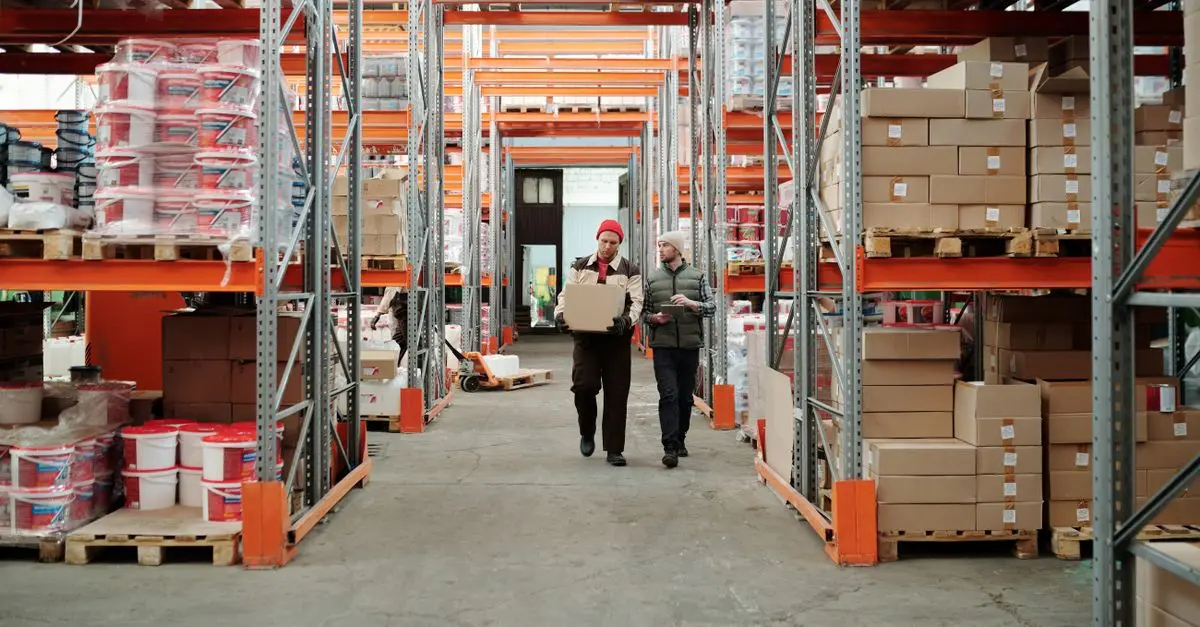
Few phenomena have moved the Mexican real estate market as much in recent years as nearshoring. The relocation of factories and supply chains to Mexico has driven a surge in demand for industrial warehouses, revitalized cities in the Bajío and the north, and created a new wave of housing demand from the workers arriving with those investments. In this guide we explain what nearshoring is, how it affects real estate prices, and where the opportunities are.
What is nearshoring?
Nearshoring is the strategy of companies moving their production to countries close to their main market, instead of manufacturing on the other side of the world. For companies that sell to the United States, Mexico offers a combination that is hard to match: a shared border, a trade agreement in force (USMCA, known in Mexico as T-MEC), competitive costs, a skilled workforce, and compatible time zones.
The result is that manufacturers in sectors such as automotive, electronics, medical devices, and logistics are setting up or expanding operations in Mexico. And every new factory immediately needs two things: industrial space to operate in and housing for its people.
The idea in a nutshell
Nearshoring turns Mexico into North America's "nearby factory." That industrial demand brings along demand for warehouses, land, housing, retail, and services in the cities where it lands. That's where the real estate opportunity lies.
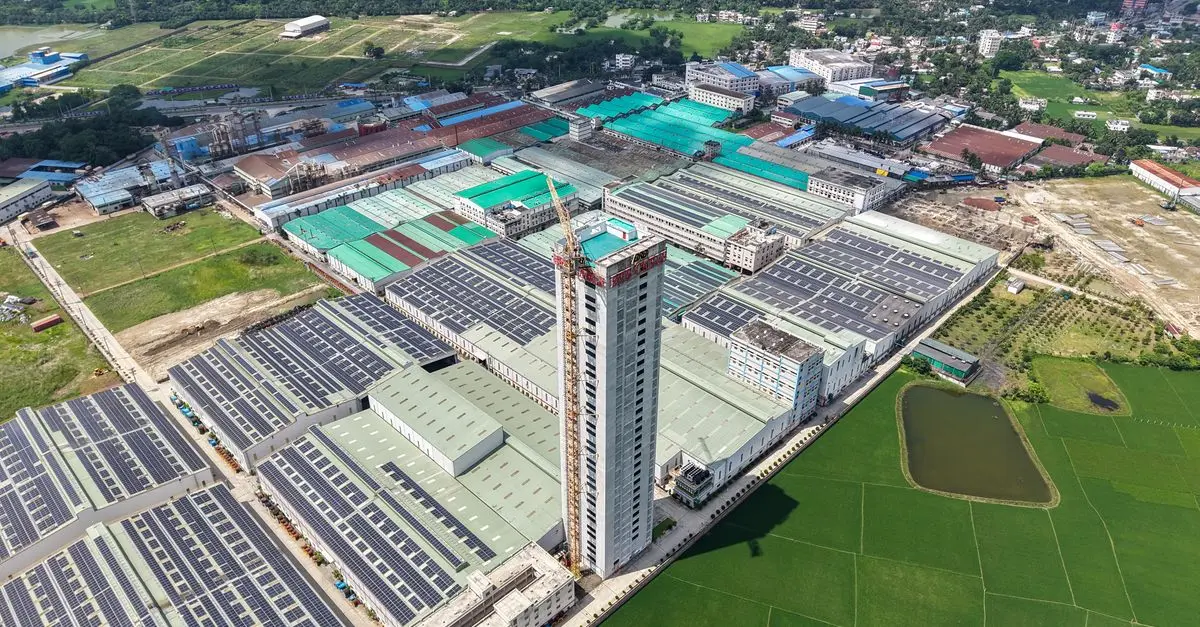
How it impacts the real estate market
The effect isn't limited to industrial warehouses. When a plant is established, a layered chain of real estate demand is set in motion:
- Industrial: warehouses, storage facilities, and logistics parks with very high occupancy and rising rents.
- Land: land zoned for industrial use and services appreciates near the corridors.
- Housing: executives and plant workers look for houses or apartments to rent and buy.
- Commercial: shopping centers, retail space, and services grow to serve the new population.
For the individual investor, the most accessible route is usually not the industrial warehouse (which requires a lot of capital), but rental housing in the cities receiving the investments, or instruments such as industrial FIBRAs (Mexican REITs), which let you participate in this boom through the stock market with small amounts.
Winning regions and cities
Nearshoring is concentrated in two major corridors: the northern border region and the Bajío. These are the areas drawing the most attention:
| Region | Key cities | Profile |
|---|---|---|
| North / border | Monterrey, Saltillo, Tijuana, Ciudad Juárez | Manufacturing and export logistics |
| Bajío | Querétaro, Guanajuato, San Luis Potosí, Aguascalientes | Automotive, aerospace, and suppliers |
| Central | Estado de México, Hidalgo, Puebla | Logistics and distribution to the center of the country |
Monterrey has established itself as the great hub of the north, while Querétaro and San Luis Potosí lead the Bajío. For a broader view of where to invest, check out our article on the cities with the greatest investment potential.
How to take advantage of it as an investor
- Rental housing near industrial parks: steady demand from plant workers and executives.
- Commercial spaces in areas of population growth: see our guide to investing in commercial spaces.
- Land in corridors with compatible zoning, betting on appreciation.
- Industrial FIBRAs if you prefer exposure to the sector without buying physical property.
The most accessible play
For most individual investors, buying an apartment or a house to rent in a Bajío or northern city with a strong influx of industry is the most direct way to capture the nearshoring effect, with a far lower entry cost than an industrial warehouse.
Risks to consider
- Water and energy: some cities face constraints that could slow new developments.
- Local oversupply: very hot areas can become saturated with housing and push rents down.
- Political and trade dependence: the flow of investment depends on relations and agreements with the United States.
- Buying expensive at the peak: entering after prices have already risen sharply reduces your margin.
As with any investment, analyzing each city and colonia (neighborhood) matters more than the overall headline. Before buying, estimate the potential rent with our rental calculator.
Frequently asked questions
Does nearshoring raise home prices?
In cities receiving industrial investment, it does tend to push both rents and sale prices upward, due to population growth and increased purchasing power. The effect is local, not uniform across the country.
Do I need a lot of capital to take advantage of it?
Not necessarily. You can participate with a rental home or, with small amounts, through industrial FIBRAs that trade on the stock exchange.
Which cities benefit the most?
Mainly Monterrey, Saltillo, Tijuana, and Ciudad Juárez in the north, and Querétaro, San Luis Potosí, Guanajuato, and Aguascalientes in the Bajío.
Is it a passing trend?
The relocation of supply chains is a structural, multi-year trend, although its pace depends on trade with the United States and on factors such as water and energy in each region.
Want to invest in the nearshoring corridor?
Explore properties in the Bajío and northern Mexico, and calculate your rental yield before deciding.
Listings
Recent properties
 For sale
MX$1,440,000
Land
Land for Sale in Residencial Lomas del Dorado
Boca del Río, Veracruz
 For sale
MX$3,900,000
House
House for Sale in Las Lomas, Riviera Veracruzana | 3 Bedrooms with Private Bathrooms
Alvarado, Veracruz
 For sale
MX$10,900,000
Land
Attention Investors
Puerto Vallarta, Jalisco
Keep reading
Related articles

How to Invest in Mexican Real Estate as a Foreigner: Legal Guide
A complete guide for foreigners who want to invest in Mexican real estate. Legal framework, fideicomisos (bank trusts), costs, taxes and a step-by-step process, updated for 2025.
Carlos Mendoza

Ultra-Luxury Real Estate in Mexico: Who Buys and Why
A look at the ultra-luxury real estate segment in Mexico: who the buyers are, what sets these properties apart, and why they invest here.
Inmobiliaria32 Team
Inheritance Tax on Real Estate in Mexico: Does It Exist?
Mexico has no federal inheritance tax as such, but inheriting a home still involves paperwork and costs. Here's what you actually pay, and when.
Inmobiliaria32 Team

FIBRAs: How to Invest in Real Estate Through the Stock Market
Want to invest in real estate without buying an entire property? FIBRAs let you do it through the Mexican stock exchange with small amounts of money.
Carlos Mendoza
Real estate investing
Keep learning before you decide
58 guides on real estate investing, and thousands of properties listed across Mexico.