

Mexico Rental Market Report 2026
A guide to Mexico's 2026 rental market: demand trends and price ranges by region.
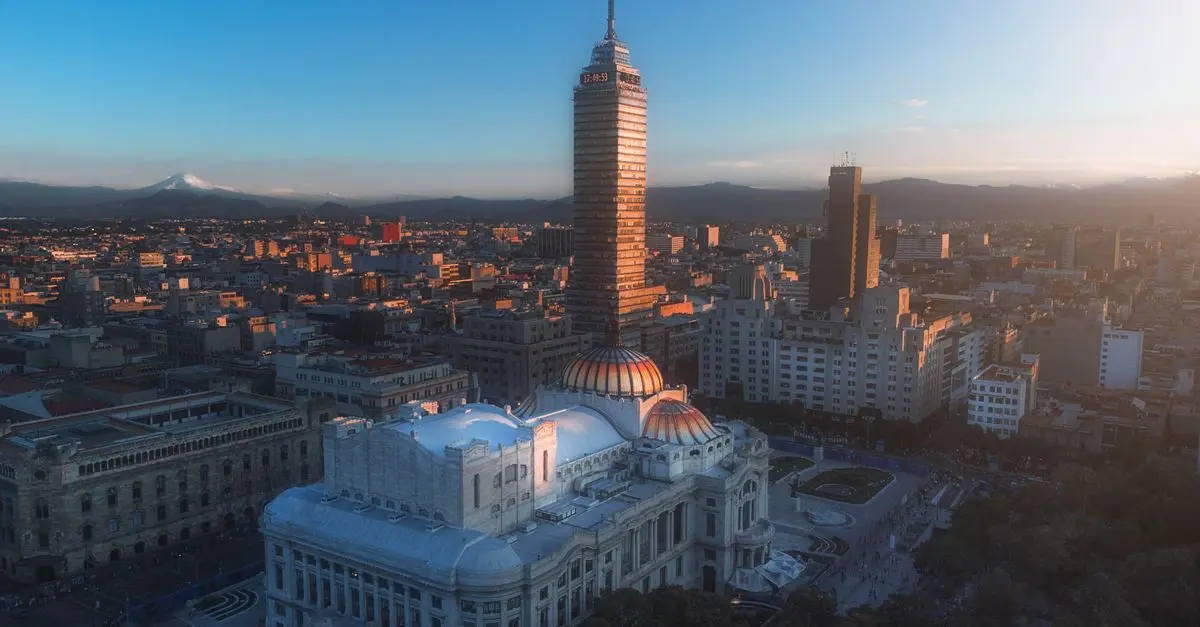
Mexico's rental market remains strong in 2026, driven by a shortage of affordable homes to buy, job-related mobility, and the growth of secondary cities tied to nearshoring. This report brings together, as a general guide, the trends, regional price ranges, and tenant profiles that any landlord, tenant, or investor should keep in mind before making a decision.
The price references in this report were put together by cross-checking public data from real estate portals (such as Inmuebles24 and Lamudi), housing statistics from INEGI and the Sociedad Hipotecaria Federal (SHF), and observation of active listings on this site. They are broad, indicative ranges, not official or exact figures: actual prices vary by colonia, property condition, and the time of your search.
Important notice
This content is for informational purposes only and does not constitute legal, tax, or financial advice. The figures and ranges presented here are approximate and vary by city, colonia, and market conditions at the time you consult them. Before signing a lease or making investment decisions, confirm the current information with a real estate advisor, an accountant, or a specialized attorney.
1. Overview of the 2026 rental market
The Mexican rental market continues to establish itself as an increasingly common alternative to buying a home, especially among young adults and families who prioritize flexibility over immediate equity. Several factors explain this trend: access to mortgage credit remains limited for a significant share of the population, purchase prices in established urban areas have stayed high, and job mobility, both within the country and because of nearshoring projects, is pushing more people to rent instead of buy.
Overall, rental demand remains high in metropolitan areas and in mid-sized cities with expanding industrial or service activity. Supply, for its part, does not always grow at the same pace, which puts upward pressure on prices in the most sought-after areas, while other areas show greater stability or even ample availability.
| Segment | Indicative 2026 trend | Comment |
|---|---|---|
| Apartments in central areas | High demand, limited supply | Fast turnover, prices under upward pressure |
| Houses in suburbs and surrounding metro areas | Moderate demand, broader supply | More stable prices, more room to negotiate |
| Cities with nearshoring activity | Growing demand | Pressure on executive rentals and housing for out-of-town workers |
| Tourist cities | Mixed demand (long and short stays) | Competition from vacation rentals affects availability |
These trends are indicative: each city, and even each colonia, can behave differently depending on the supply available at the time. You can browse properties available to rent in different parts of the country to get an up-to-date reference.
Indicative monthly rent ranges by type of city
As a broad reference, and with the same methodological caveats noted at the start of the report, here is where monthly rent ranges (in Mexican pesos, for one- to two-bedroom apartments) fall indicatively by market type in 2026:
| Type of city / area | Examples | Indicative range (MXN/month) |
|---|---|---|
| Central areas of established metropolises | CDMX, Guadalajara, Monterrey | Approximately $10,000 to $30,000, with premium colonias above that range |
| Suburbs and surrounding metro areas | Outskirts of metropolitan areas | Approximately $6,000 to $14,000 |
| Cities with strong nearshoring activity | Querétaro, Saltillo, León, Tijuana | Approximately $7,000 to $18,000, with higher peaks in executive housing |
| Tourist and second-home cities | Riviera Maya, Los Cabos, Puerto Vallarta | Approximately $12,000 to $35,000, with strong seasonal variation |
These ranges are deliberately broad because they group together very different colonias and property qualities; use them only as a starting point and always confirm the price against references from your specific area, for example with the rent calculator or by exploring similar properties under rent.
2. Regional trends: where demand is rising most
Not every region of the country moves at the same pace. Broadly speaking, three patterns stand out:
- Established metropolitan areas (such as Ciudad de México, Guadalajara, and Monterrey): rental demand remains steady, particularly in colonias well connected by public transit and close to employment centers. New apartment supply helps cushion some of the pressure, but prices in the most established areas remain among the highest in the country.
- Northern and Bajío cities tied to manufacturing and nearshoring: in places like Monterrey, Saltillo, Querétaro, León, and Tijuana, the arrival of companies and workers linked to the relocation of supply chains has increased demand for rental housing, both for executives and for operational staff. This has pushed prices up in some submarkets more noticeably than the national average.
- Tourist and second-home cities (such as areas of the Riviera Maya, Los Cabos, or Puerto Vallarta): the coexistence of traditional rentals and short-term tourist rentals reduces the availability of housing for residential rental, which also tends to push up prices for those looking for a long-term rental.
If you want additional context on how sale prices behave, which tend to influence the rental market indirectly, you can read the report on price per m2 in Mexico 2026 and the analysis of plusvalía (property appreciation) and what increases it.
3. Today's tenant profile
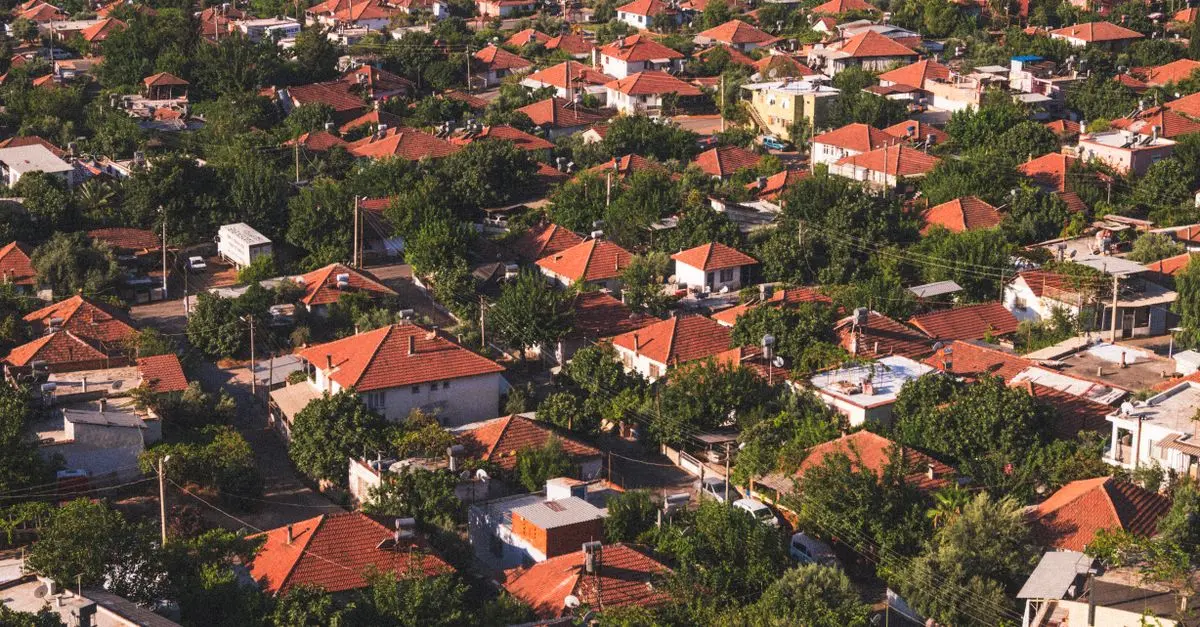
The typical tenant in Mexico in 2026 has become more diverse. It is no longer just young people renting while they save to buy; several profiles with different needs now coexist:
- Young professionals and couples without children, who prioritize proximity to work and lifestyle over square footage.
- Families who rent by choice, not necessity, avoiding the long-term financial commitment of a mortgage.
- Out-of-town workers and relocated executives on nearshoring projects, who tend to look for mid-term contracts with greater flexibility.
- Students and professionals on the move, who rent for shorter periods near universities or business centers.
Key takeaway
The diversity of tenant profiles means landlords can segment their offering: preparing a property for a relocated executive is not the same as preparing it for a group of students. Adjusting the furnishings, lease term, and price to the target profile can reduce vacancy periods.
4. What is driving rental prices
Rental prices do not move in isolation; they respond to a combination of structural and short-term factors:
- Cost of financing a home purchase: when mortgage credit conditions are tighter, part of the demand that would normally buy shifts to renting, pushing prices up. If you want to compare financing options, the article on the comparison of mortgage loans 2026 offers an indicative overview.
- Construction costs and land availability: in areas with little available land or high construction costs, new supply grows more slowly than demand, which strains rental prices.
- Regional economic activity: the arrival of companies, industrial plants, or service centers in a city usually translates into more demand for rental housing in the short and medium term.
- Seasonality: in cities with a strong university or tourist component, rental demand can vary significantly depending on the time of year.
- Local regulation and legal certainty: clarity about tenant rights in Mexico and the use of well-structured contracts also influence landlords' and tenants' willingness to close mid- and long-term agreements.
For landlords
Having a clear, up-to-date lease agreement, along with a realistic estimate of your property's rental value, helps reduce vacancy and attract tenants more likely to stay long term.
5. Recommendations for landlords and tenants
Based on the trends described, here are some general recommendations for those participating in the rental market in 2026:
- If you are a landlord: research reference prices in your area before setting the rent, consider the tenant profile you want to attract, and keep your lease up to date in line with local regulations. A tool like the rent calculator can give you an indicative starting point.
- If you are a tenant: compare several options before deciding, carefully review the contract terms, and confirm which expenses are included in the rent (maintenance, utilities, deposit). Knowing your rights as a tenant gives you more confidence when negotiating.
- If you are an investor: evaluate not only the purchase price but also sustained rental demand in the area, approximate historical vacancy, and the predominant tenant profile before deciding which local market to enter.
- For everyone: always verify the property's documentation. Reviewing a certificado de libertad de gravamen (lien-free certificate) and staying alert to possible common real estate scams significantly reduces risk, in both rentals and sales.
Warning
Never send deposits or advance payments without having visited the property and verified the identity of the owner or their legal representative. Rental scams often rely on urgency and on prices that seem too good to be true.
Frequently asked questions
Will rental prices in Mexico keep rising in 2026?
The overall trend is likely to remain upward in the areas with the highest demand, although behavior varies greatly by city and colonia. Some areas with broader supply may show more stable prices. It is best to check up-to-date references for your specific area before making decisions.
Which cities have the highest rental demand because of nearshoring?
As a general guide, northern and Bajío cities with strong industrial activity, such as Monterrey, Saltillo, Querétaro, León, and Tijuana, have reported greater demand pressure related to the relocation of companies. The exact intensity varies by sector and time of year.
Is it better to rent or buy a home in 2026?
It depends on each person's financial situation, how long they plan to stay in the city, and the credit conditions available to them. Renting offers flexibility and a lower upfront commitment, while buying can build long-term wealth. It is advisable to compare both options using up-to-date data and, if necessary, with the help of a financial advisor.
How can I estimate a fair rental price for my property?
The best approach is to compare similar properties in your area, consider the condition and amenities of the property, and rely on reference tools such as rent calculators. It also helps to look at the average time it takes similar properties near yours to rent, since an above-market price usually shows up as a longer vacancy.
Looking to rent or list a property in Mexico?
Listings
Recent properties
 For sale
MX$1,440,000
Land
Land for Sale in Residencial Lomas del Dorado
Boca del Río, Veracruz
 For sale
MX$3,900,000
House
House for Sale in Las Lomas, Riviera Veracruzana | 3 Bedrooms with Private Bathrooms
Alvarado, Veracruz
 For sale
MX$10,900,000
Land
Attention Investors
Puerto Vallarta, Jalisco
Keep reading
Related articles

Nearshoring and Mexico Real Estate: 2026 Guide
Nearshoring is transforming Mexico's real estate market: industrial warehouses are filling up.
Carlos Mendoza

Income Tax for Foreign Landlords Renting Property in Mexico
How income tax (ISR) works for foreign landlords in Mexico and when it is withheld.
María Elena Rodríguez

Coliving and Shared Rentals: The Option for Young Renters in 2026
Coliving in Mexico is growing as an alternative for young people: shared spaces, flexible rent and built-in community.
María Elena Rodríguez

Airbnb Rules and Short-Term Rentals by City in Mexico
Airbnb regulation in Mexico varies widely by city: registration, night limits, and taxes.
María Elena Rodríguez
Renting and leases
Keep learning before you decide
99 guides on renting and leases, and thousands of properties listed across Mexico.