

Post-Pandemic Office Rentals: Are They Worth It in 2026?
Is investing in Mexican office space worth it in 2026? We break down occupancy, submarkets, nearshoring and risks so you can decide with data, not gut feeling.
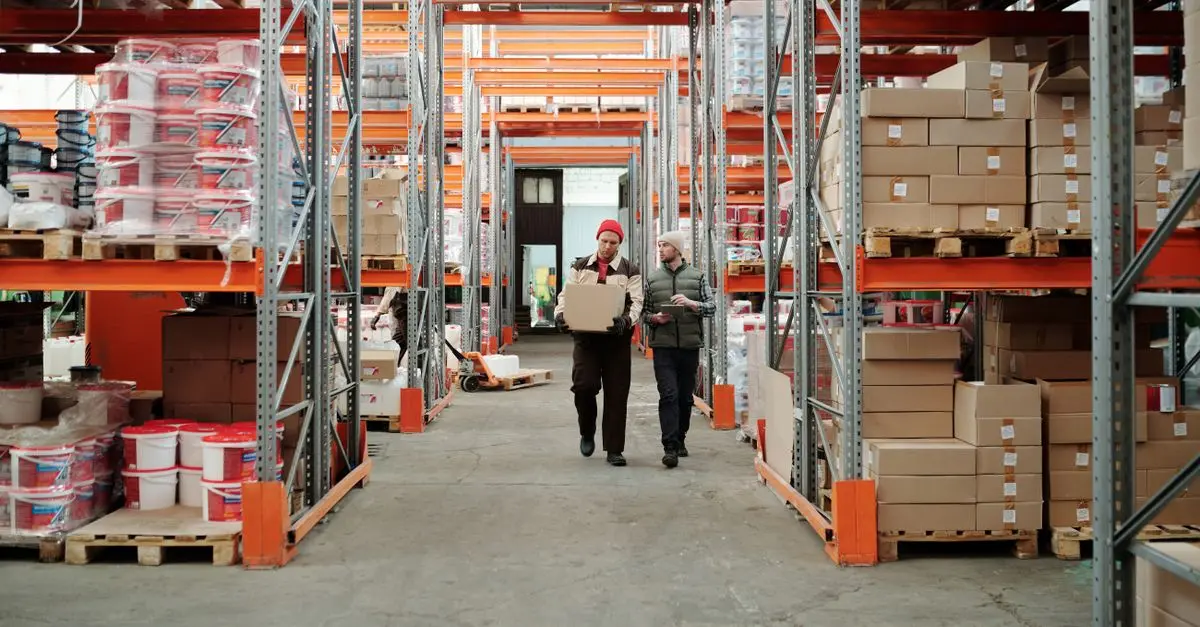
After several years of hybrid work, elevated vacancy in some corridors and a nearshoring wave that revived industrial demand, many investors are asking whether offices in Mexico still make sense within a real estate portfolio. The short answer: it depends on the submarket, the building class and your investment horizon. In this article we review the current landscape, the factors moving the needle and how to evaluate an office opportunity before committing capital.
Important notice: this article is for informational purposes only and does not constitute financial, tax or investment advice. Occupancy, rent and appreciation figures vary by city, submarket and point in the cycle. Before investing in offices or any other commercial asset, consult a real estate advisor, an accountant and, if necessary, an attorney who specializes in real estate.
1. The office landscape in 2026
Mexico's office market went through a significant correction after the pandemic. The adoption of hybrid work reduced the square footage per employee that many companies need, and that put pressure on vacancy in corridors that used to be among the most coveted, especially in Mexico City (Ciudad de México). The correction was not uniform, however: while some Class B buildings in unattractive locations are still struggling to fill up, Class A buildings with sustainability certifications, good connectivity and amenities have maintained relatively solid demand.
On top of that, there is a phenomenon worth noting for 2026: companies tied to nearshoring, financial services, technology and consulting continue to look for quality corporate space, though with more demanding criteria than before 2020. The result is a more segmented market, where "investing in offices" is no longer a homogeneous category but depends heavily on what kind of asset and in what location.
2. Which submarkets are performing
Not all corporate corridors behave the same way. In general terms, the submarkets that have shown better relative performance share a few characteristics: proximity to upper-middle and high-income residential areas, good transit connectivity, nearby services and restaurants, and a relatively new or renovated building stock.
| Submarket type | Indicative performance | Typical tenant profile |
|---|---|---|
| Established, well-connected corporate corridors | More contained vacancy, relatively stable rents | Corporations, financial services, professional firms |
| Areas with older-generation, little-renovated buildings | High vacancy, downward pressure on rents | Companies on tight budgets, administrative offices |
| Secondary cities with nearshoring activity | Growing demand, but from a smaller base | Manufacturing, logistics, industrial supply-chain providers |
Before investing, it is advisable to review reports from real estate consultancies that specialize in offices for the specific submarket you are interested in, since vacancy and rent figures change from one quarter to the next and vary widely between cities.
3. Class A vs. Class B: where the value is
One of the clearest lessons of the post-pandemic cycle is the so-called "flight to quality": companies that renew or look for new space prefer to pay a bit more for a Class A building with better specifications rather than occupy a cheaper building with outdated facilities.
- Class A: relatively new buildings with environmental certifications, efficient climate-control systems, good security and a premium location. They tend to hold occupancy better, although the entry price per square meter is higher.
- Class B: older buildings or those with fewer amenities. They can offer attractive returns if bought at a discount and renovated, but the risk of prolonged vacancy is higher.
- Boutique or coworking offices: a middle segment that has grown with demand for flexible space, although it involves an operating model different from traditional long-term leasing.
Key point: buying a cheap Class B building is not always a "good investment" if the submarket's structural vacancy is high. A low purchase price can be offset by months or years without a tenant, or by rents well below what was projected.
4. The nearshoring effect on office demand
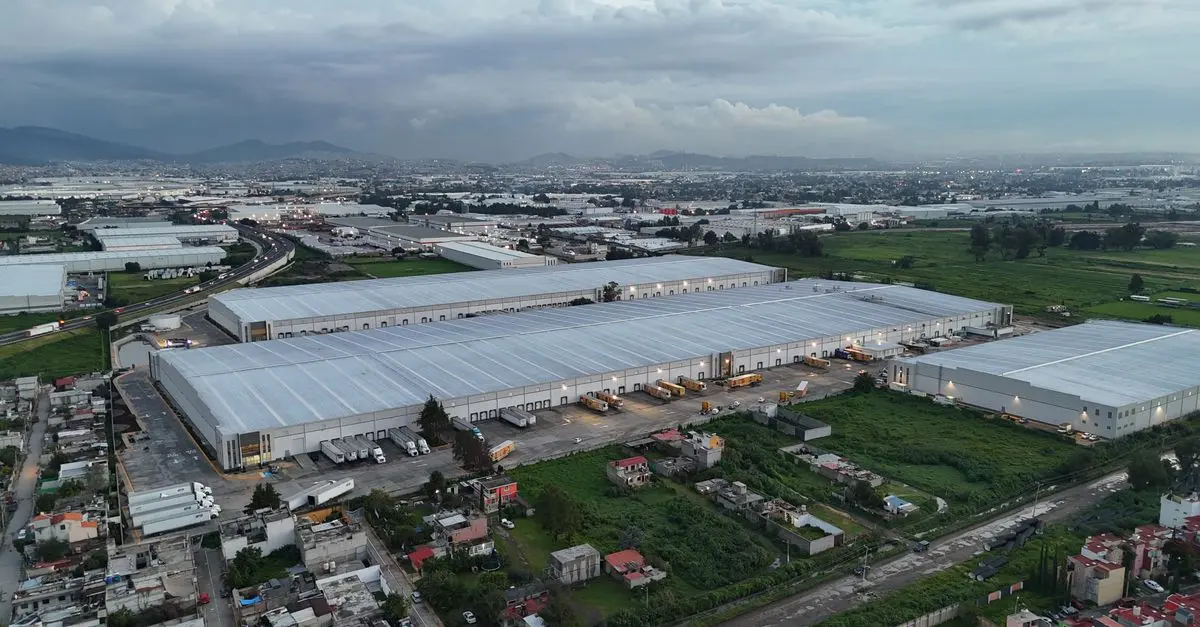
Nearshoring has been, above all, an industrial and logistics phenomenon: warehouses, industrial parks and land near borders and ports have absorbed most of the investment. Still, the effect extends to the office market too, albeit indirectly. Manufacturing and logistics companies that set up or expand in Mexico need corporate offices, supplier support centers, administrative areas and space for sales and human resources teams.
This effect is most visible in northern cities and in the Bajío region with strong industrial activity, where demand for support offices has grown more noticeably than in Mexico City's traditional corridors. If you want to understand the full relationship between nearshoring and real estate, check out our analysis of nearshoring and the real estate market in Mexico.
Opportunity to watch: secondary cities with active industrial parks tend to have less supply of quality corporate offices, which can create opportunities for small or mid-sized, well-located developments, though with less liquidity than in established markets.
5. Risks to assess before investing
Investing in offices is not the same as investing in residential rentals. Cycles are longer and leases usually run for several years, but vacancy can also be more prolonged and costly when it happens. Some risks to consider:
- Prolonged vacancy: an office building can take months or even years to find a suitable tenant, especially if it is large.
- Maintenance and upgrade costs: older buildings require constant investment to stay competitive against new construction.
- Changes in the work model: hybrid or remote work may keep evolving and affect demand for square footage per employee.
- Tenant concentration: if the building depends on one or two large tenants, the departure of either can significantly affect rental income.
- Limited liquidity: selling an office building usually takes longer than selling a home, which calls for a longer investment horizon.
Beware of optimistic projections: be wary of analyses that assume 100% occupancy from year one. It is more realistic to model scenarios with partial vacancy during the first months or even the first couple of years, especially in submarkets with abundant supply.
6. How to evaluate an office as an investment
If you are considering investing in offices in Mexico, a few practical steps can help you make a more informed decision:
- Research the vacancy rate and net absorption of the specific submarket, not just the national average.
- Review the build quality, the year of construction and whether the building has sustainability certifications.
- Analyze the tenant profile of comparable buildings in the area: are they stable companies with long leases?
- Verify the property's legal status, including the certificate of lien-free status (certificado de libertad de gravamen) and the corresponding registry documentation.
- Calculate the total acquisition cost, including closing and deed costs (escrituración), with the help of tools such as the closing cost calculator (gastos de escrituración).
- Compare the expected rental yield against other alternatives, such as residential rentals or land, using a rent calculator as a starting point.
- If you plan to lease the space yourself as an owner-landlord, understand tenant rights in Mexico well and have a properly structured lease agreement.
In short: offices remain a viable investment in 2026, but they are no longer a generic bet. The best results usually come from quality, well-located buildings with solid tenants and realistic vacancy expectations from the very start of the analysis.
Frequently asked questions
Is investing in offices still profitable after the pandemic?
It depends on the type of building and the submarket. Well-located Class A buildings with good amenities have held relatively solid demand, while older buildings in oversupplied areas face higher vacancy. There is no single answer for the whole market.
Is nearshoring driving office demand in Mexico?
Indirectly, yes. Nearshoring mainly affects the industrial and logistics sector, but companies that set up or expand also need administrative and corporate support offices, especially in industrial cities in the north and the Bajío.
What is the difference between investing in Class A and Class B offices?
Class A offices are usually newer buildings with better specifications and locations, and they tend to hold occupancy better although their entry price is higher. Class B offices can cost less but face a greater risk of prolonged vacancy if they are not renovated or are in less attractive areas.
What are the main risks of investing in offices?
The most relevant risks include prolonged vacancy, maintenance and upgrade costs, changes in the hybrid work model, tenant concentration and lower liquidity at the time of sale compared with other property types.
Looking for investment opportunities in offices or commercial space?
Explore available properties or calculate the value of your property before making a decision.
Listings
Recent properties
 For sale
MX$1,440,000
Land
Land for Sale in Residencial Lomas del Dorado
Boca del Río, Veracruz
 For sale
MX$3,900,000
House
House for Sale in Las Lomas, Riviera Veracruzana | 3 Bedrooms with Private Bathrooms
Alvarado, Veracruz
 For sale
MX$10,900,000
Land
Attention Investors
Puerto Vallarta, Jalisco
Keep reading
Related articles

VAT on Commercial Property Rentals in Mexico
How VAT (IVA) works on commercial rentals in Mexico: why renting retail space and offices triggers IVA, unlike exempt residential housing.
Inmobiliaria32 Team

Managing a Rental Property From a Distance
A practical guide to managing a rental property when you don't live nearby: rent collection, maintenance.
María Elena Rodríguez
Foreign Bank Account for Receiving Rental Payments
Options for collecting rent from abroad: using a Mexican bank account.
Inmobiliaria32 Team
Income Tax for Foreign Landlords Renting Property in Mexico
How income tax (ISR) works for foreign landlords in Mexico and when it is withheld.
María Elena Rodríguez
Renting and leases
Keep learning before you decide
99 guides on renting and leases, and thousands of properties listed across Mexico.