

Managing a Rental Property From a Distance
A practical guide to managing a rental property when you don't live nearby: rent collection, maintenance.

You inherited an apartment in another city, moved abroad, or simply bought a property as an investment in an area where you no longer live. In any of these cases, managing a rental property from a distance is entirely doable if you set up rent collection, maintenance, and communication with your tenant right from the start. This guide brings together the practices that work best for owners who can't stop by the property every week.
Important notice: this article is for informational purposes only and does not replace professional legal, tax, or real estate advice. Lease terms, tax obligations, and local regulations vary by state and municipality; always confirm with an attorney, accountant, or certified property manager before making decisions.
1. Options for managing from a distance
Before deciding how you'll handle the day-to-day, it helps to map out the real alternatives available to anyone managing a rental property without living nearby:
- Remote self-management: you handle everything (rent collection, communication, hiring service providers) relying on bank transfers, video calls, and a trusted local person for occasional emergencies.
- Help from a trusted family member or friend: someone close to the property holds a set of keys, checks on the condition of the home periodically, and acts as a first-response contact, even if they aren't paid for it.
- Professional property manager or real estate agency: a company or certified individual takes care of the entire relationship with the tenant in exchange for a monthly fee, usually a percentage of the rent.
- Hybrid model: you handle the financial and contractual side, and delegate only maintenance and physical visits to a trusted third party or a service provider.
The right choice depends on the actual distance (same city, another state, or another country), the number of properties you manage, and how much time you have available to deal with unexpected issues.
2. Collecting rent and deposits without being there
The first thing to settle is how the money will flow. Avoid relying on cash payments handed over in person; instead, spell out a clear mechanism in the lease from the start:
| Method | Main advantage | Things to watch |
|---|---|---|
| Bank transfer (SPEI) | Clear paper trail with date and reference | Set a deadline day and who covers bank fees |
| Direct debit or automatic charge | Reduces the risk of forgotten or late payments | Requires the tenant's prior authorization |
| Payment platform or real estate app | Payment history and automatic reminders | Check transaction fees |
| Security deposit | Covers damages or unpaid amounts at move-out | Document the return conditions in writing |
It's a good idea to use a bank account dedicated solely to the property, or at least keep its transactions separate, so that when it's time to report income or review the performance of your investment, everything is in order. You can use our rent calculator to estimate whether the rent you charge is still competitive with the current market in your area.
3. Maintenance and emergencies
The part that causes the most anxiety from afar is leaks, electrical failures, or problems with the entry door. To reduce the risk:
- Have at least two trusted contacts in the city (plumber, electrician, or general maintenance) before an emergency happens, not after.
- Agree with the tenant on a single channel for reporting problems and a reasonable response time, for example confirming receipt of a report within 24 hours.
- Define in writing, within the lease, which repairs are the landlord's responsibility and which are the tenant's, to avoid disputes when something unexpected comes up.
- Consider a monthly reserve fund (an approximate percentage of the rent) earmarked exclusively for maintenance, so you don't have to dip into your personal cash flow when an expense appears.
- Ask for photos or a short video each time a repair is completed, both as a record and to verify the quality of the work.
4. Communicating with your tenant
When you can't visit the property often, your relationship with the tenant rests almost entirely on communication. A few practices that help keep it healthy:
Recommendation: schedule a brief phone or video call every three to six months, even if everything is going well. Asking directly about the condition of the property and listening to any concerns the tenant has often prevents bigger problems before they escalate.
- Use a single main channel (WhatsApp, email, or the platform where you listed the property) so important messages don't get lost across different conversations.
- Respond within reasonable timeframes; a landlord's prolonged absence is usually the main source of friction in long-distance rentals.
- Give advance notice of any changes, such as a scheduled maintenance visit or a rent adjustment when renewing the lease.
- Get to know tenant rights in Mexico so you avoid requests or actions that could lead to unnecessary legal conflict.
5. When it makes sense to hire a property manager
Delegating management has a cost, usually a monthly percentage of the rent, but it can be the best decision in several scenarios:
- You live in another country or several hours away and have no one you trust in the area.
- You manage more than one property and the time you spend coordinating rent collection and maintenance is no longer worth the savings on the fee.
- You've had previous experiences with late payments or conflicts that you'd rather handle through a professional third party.
- The property is in a condominium regime with rules and fees that require constant follow-up.
Before signing with a property manager: ask for verifiable references and make sure the management agreement clearly spells out the fee, the services included, and the procedure if the tenant stops paying. Compare at least two or three options before deciding.
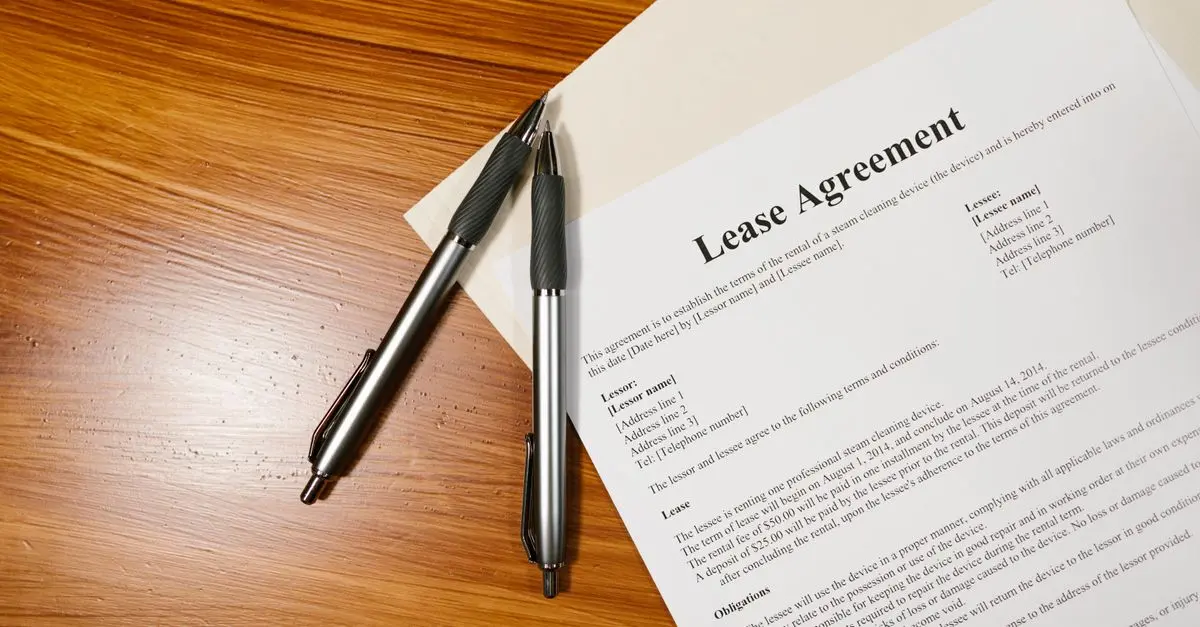
If you'd rather keep managing things yourself but need to set clear rules from the outset, rely on a well-structured lease agreement; there you can head off a good share of the conflicts that arise in long-distance management.
6. Common mistakes to avoid
Frequent mistakes when managing a rental property from a distance:
- Not having a plan B for when your trusted local contact is no longer available.
- Accepting payments without a receipt or record, which complicates any later claim or tax filing.
- Letting months go by without checking the physical condition of the property, even if only through photos or video sent by the tenant.
- Not updating the rent for years, losing value against the market; it's worth reviewing it periodically against the price benchmarks for your area.
- Signing a management agreement without carefully reading the cancellation or automatic renewal clauses.
Frequently asked questions
Is it safe to manage a rental property without living in the same city?
Yes, as long as you set up a traceable payment method from the start, a trusted local contact for emergencies, and a clear channel of communication with the tenant. Most problems stem from a lack of advance organization, not from the distance itself.
How much does a property manager charge in Mexico?
It varies depending on the city, the type of property, and the services included, and it's usually expressed as an approximate percentage of the monthly rent. It's a good idea to request quotes from two or three options and confirm which specific services that fee covers before comparing prices.
What do I do if the tenant stops paying and I can't go in person?
Document the delinquency in writing starting the first month, review what the lease says about deadlines and penalties, and try direct negotiation first. If the delinquency continues, consult a local attorney about the procedure that applies in your state before taking any action.
Do I need to visit the property in person even if I have a property manager?
It's not required, but it's a good idea to do so at least once a year or whenever the tenant changes, to check the condition of the property firsthand and confirm that the information you receive matches reality.
Looking for a tenant for your property, or want to calculate how much you could rent it for?
Listings
Recent properties
 For sale
MX$1,440,000
Land
Land for Sale in Residencial Lomas del Dorado
Boca del Río, Veracruz
 For sale
MX$3,900,000
House
House for Sale in Las Lomas, Riviera Veracruzana | 3 Bedrooms with Private Bathrooms
Alvarado, Veracruz
 For sale
MX$10,900,000
Land
Attention Investors
Puerto Vallarta, Jalisco
Keep reading
Related articles
How to Calculate the ROI of a Rental Property in Mexico
Learn how to calculate the ROI of a rental property in Mexico step by step: formulas, the expenses you must include, and common mistakes that inflate your real returns.
Carlos Mendoza

Power of Attorney to Buy Property Remotely in Mexico
If you live outside Mexico, you can buy a property without traveling by using a well-drafted power of attorney (poder notarial) to buy a home.
Inmobiliaria32 Team
Apps to Manage Your Rental Property and Collect Rent
A good rent collection app automates payment reminders, logs payments, and replaces manual spreadsheets.
María Elena Rodríguez

How Much Rent to Charge for Your Property (Pricing Guide)
Learn how to set the rental price for your property in Mexico: gross yield, local comparables, factors that raise or lower value, and mistakes that leave your property vacant.
Inmobiliaria32 Team
Renting and leases
Keep learning before you decide
99 guides on renting and leases, and thousands of properties listed across Mexico.