

CDMX vs Guadalajara vs Monterrey: Full Comparison for Living
CDMX, Guadalajara or Monterrey: we compare housing, rent, jobs, climate, mobility and water so you can pick the city that best fits your life and your budget.
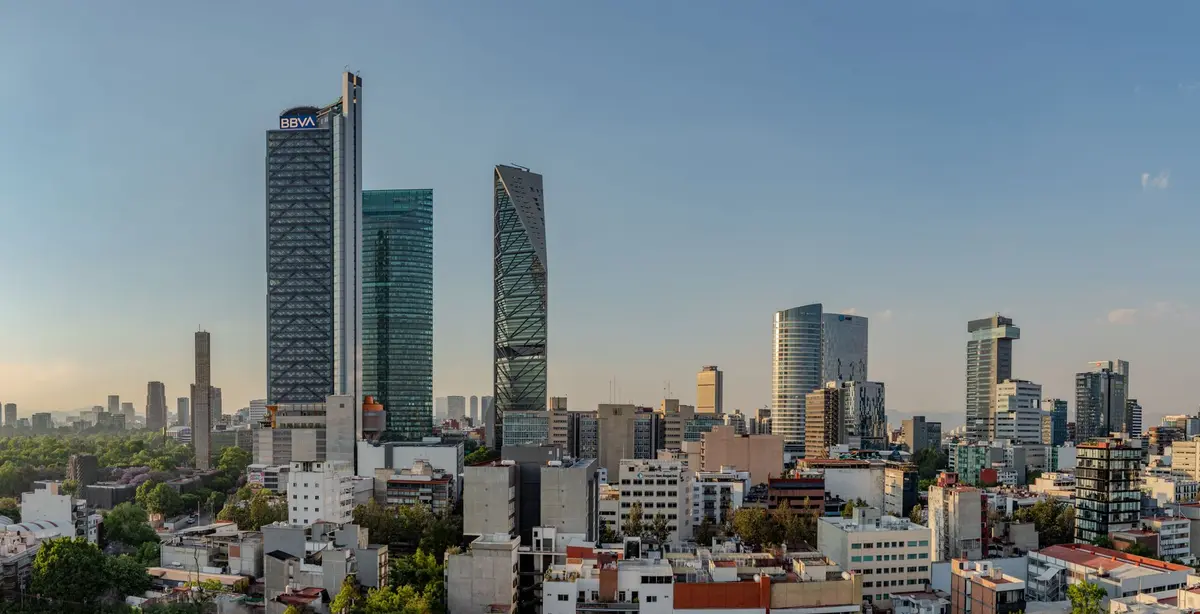
CDMX, Guadalajara or Monterrey? The short answer: Mexico City wins on job opportunities, culture and public transit, but it is the most expensive and the most sprawling; Guadalajara offers the best balance between housing costs, mild climate and a growing tech market; and Monterrey stands out for competitive industrial salaries, larger homes for the same money and an economy driven by nearshoring, in exchange for very hot summers and a greater reliance on the car. In this comparison we review housing, rent, jobs, mobility, climate, water and safety so you can decide based on concrete criteria and not just on reputation.
About the figures: the rent and price ranges you will see are approximate, based on listing prices on real-estate portals in 2026. They vary widely by colonia, building age and property type, and the closing price is usually lower than the listing price. Use them to compare cities with each other, not as an appraisal of a specific property.
The three cities in one table
Before getting into the details, it helps to understand the scale we are talking about. According to the INEGI 2020 Population and Housing Census, the Valle de México metropolitan area has around 22 million inhabitants, while the Guadalajara and Monterrey metropolitan areas each have around 5.3 million. In other words, CDMX is not just "bigger": it is a market on a different scale, with all the good and bad that implies.
| Criterion | CDMX | Guadalajara | Monterrey |
|---|---|---|---|
| Metropolitan population (INEGI 2020) | ~22 million | ~5.3 million | ~5.3 million |
| Approximate elevation | ~2,240 m | ~1,560 m | ~540 m |
| Climate | Mild, summer rains | Mild-warm, dry and hot spring | Semi-arid, very hot summers |
| Housing price level | The highest of the three | Mid-to-high, rising fast | Mid-to-high, highly polarized by area |
| Economic engine | Services, finance, corporate headquarters, government | Technology, commerce, electronics manufacturing | Industry, manufacturing, nearshoring |
| Public transportation | The most complete (Metro, Metrobús, Tren Ligero, Cablebús) | Tren Ligero and Mi Macro, medium coverage | Metrorrey and Ecovía, heavy car dependence |
| Main risk to watch | Earthquakes, ground subsidence and water supply | Localized flooding during the rainy season | Extreme heat and water stress |
The table already shows the pattern: there is no "best" city in the abstract. Each one involves a trade-off: CDMX trades space and price for opportunity; Monterrey trades climate and public transit for square footage; Guadalajara sits in the middle on almost everything, which is why it attracts so many people coming from the other two.
Housing: purchase and rental prices
Housing is the category that sets the three cities apart the most and the one that weighs most heavily on your budget. The general rule is simple: for the same money, in Monterrey and Guadalajara you get more square footage than in CDMX, especially if you compare houses rather than apartments. But within each metropolitan area, the difference between colonias is greater than the difference between cities: San Pedro Garza García can be as expensive as Polanco, and the outskirts of CDMX can cost less than an established colonia in Zapopan.
Approximate monthly rent for a 2-bedroom apartment
| Type of area | CDMX | Guadalajara (ZMG) | Monterrey (ZMM) |
|---|---|---|---|
| Premium | Polanco, Condesa, Roma: $25,000–$45,000+ | Providencia, Puerta de Hierro, Andares: $20,000–$35,000+ | San Pedro, Valle Oriente: $25,000–$45,000+ |
| Established middle-class | Narvarte, Del Valle, Portales: $15,000–$25,000 | Chapalita, Americana, Jardines del Bosque: $12,000–$20,000 | Centro, Contry, Cumbres: $13,000–$22,000 |
| Affordable / outskirts | Iztapalapa, GAM, Edomex conurbado: $7,000–$12,000 | Tlaquepaque, Tonalá, Tlajomulco: $7,000–$12,000 | Apodaca, Escobedo, García, Juárez: $7,000–$12,000 |
Figures in Mexican pesos, approximate listing ranges for 2026. To drill down to the colonia level, check our guides to the cost of living in CDMX, the cost of living in Guadalajara and the cost of living in Monterrey, and the up-to-date price dashboards for CDMX, Guadalajara and Monterrey.
Buying: what you get for your money
In CDMX, buying is concentrated in apartments: in the central alcaldías it is hard to find a standalone house at a reasonable price, and much of the new housing is vertical buildings with limited parking spaces. In Guadalajara it is still common to buy a house in a gated community (coto) or fraccionamiento within Zapopan or toward the south of the metro area, although apartments are gaining ground in central areas. In Monterrey, the single-family house remains the norm outside San Pedro and Valle Oriente, with larger lots and a two-car garage as the standard.
To compare fairly, use the price per square meter rather than the total price: our comparison of the price per m² by city in 2026 helps you put the three metropolitan areas on the same scale. If you want to see the official trend, the Sociedad Hipotecaria Federal (SHF) publishes its Housing Price Index every quarter, broken down by the main metropolitan areas and based on appraisals rather than asking prices.
Tip: if you are moving for work and don't know the city, rent for 6 to 12 months before buying. It lets you measure your real commutes, get to know colonias during the rainy season or the hot season and avoid buying in the wrong area. To decide with numbers, use our guide to renting vs. buying in 2026.
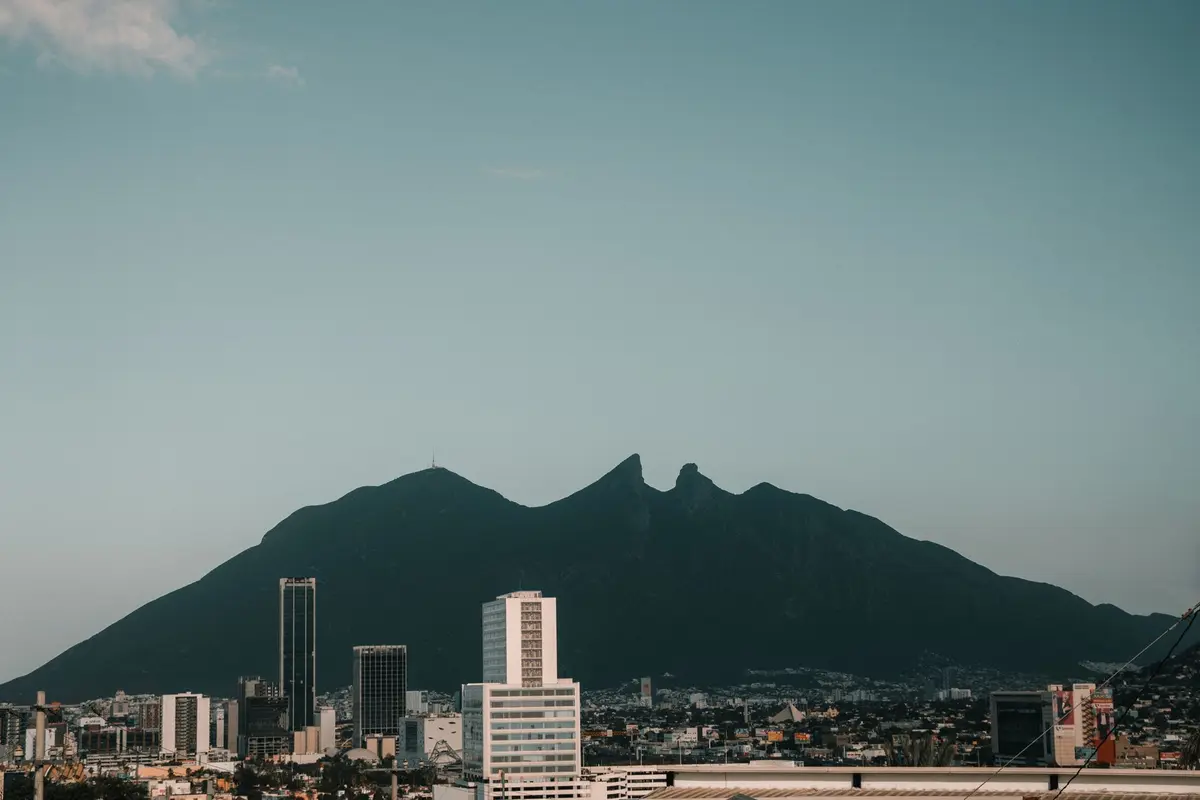
Jobs and economy: what drives each city
The city that suits you depends a lot on what you do for a living. All three are economic hubs, but with different strengths:
- CDMX: it concentrates corporate headquarters, the financial sector, media, the federal government, consulting, international organizations and the country's greatest cultural and university offerings. If your career depends on being close to headquarters or decision-makers, it is still hard to replace.
- Guadalajara: its technology and electronics manufacturing ecosystem, especially in Zapopan and the corridor toward El Salto, has earned it the nickname "Mexico's Silicon Valley." It attracts developers, engineers and remote workers looking for a lower cost of living without giving up a big city.
- Monterrey: it is the country's industrial capital, with a strong presence of manufacturing, steel, auto parts, logistics and Monterrey-based corporations. Nearshoring has accelerated the arrival of plants and industrial parks in municipalities such as Apodaca, Escobedo, Santa Catarina and Salinas Victoria, and with them a steady demand for housing.
If you work remotely, the equation changes: your salary doesn't depend on the city, so housing costs and quality of life weigh more. That is the profile that has migrated the most from CDMX to Guadalajara and other state capitals, as we explain in our guide on moving from CDMX to the provinces. If your interest is investing rather than living, also check out the best cities to invest in because of nearshoring in 2026.
Mobility and commute times
The daily commute is the hidden cost that most people underestimate when choosing a city. Cheap rent on the outskirts can end up expensive if it means three hours of travel a day or buying a second car.
CDMX: the best network, the longest trips
The capital has the country's broadest public transportation network: Metro, Metrobús, Tren Ligero, Trolebús, Cablebús and suburban trains. It is the only one of the three where living without a car is realistic in many colonias. The problem is the scale: if you live in the east or in the conurbated municipalities of the Estado de México and work in Polanco or Santa Fe, commutes can easily exceed an hour each way.
Guadalajara: a growing network, a car is still necessary
The Tren Ligero lines and the Mi Macro system (Calzada and Periférico) have improved connectivity, and the city is more compact than CDMX. Even so, a good part of Zapopan and the southern part of the metro area depends on the car, and Periférico and López Mateos clog up during rush hour.
Monterrey: a city designed for the car
Metrorrey and the Ecovía cover specific corridors, and new lines are under construction, but the metro area is still designed around the automobile. If you are going to live in municipalities like García, Juárez or Escobedo and work in San Pedro, add gas, parking and time to the cost of housing.
Do a test run before you sign: travel the home-to-work route during rush hour on a weekday, not on a Sunday. In any of the three cities, the difference between a 25-minute commute and a 90-minute one completely changes your quality of life.
Climate, water and quality of life
Climate and energy costs
Climate is not a minor issue when it comes to housing, because it translates into your electric bill and the type of construction. CDMX, at about 2,240 meters of elevation, is mild almost all year: many apartments have neither heating nor air conditioning. Guadalajara has a pleasant climate most of the year, with a dry, hot spring before the rains. Monterrey, at about 540 meters, has very hot summers: air conditioning stops being a luxury and the CFE bill climbs noticeably between May and September, although residential rates for warm climates are subsidized during the summer season.
When buying in Monterrey, it is worth paying attention to the orientation of the house, the roof insulation and whether it already includes mini-split units. In CDMX, what is worth checking is ventilation and ground-floor humidity during the rainy season.
Water: the issue that can no longer be ignored
All three metropolitan areas have had serious shortage episodes in recent years. Monterrey went through one of its worst water crises in 2022, with scheduled outages across much of the metro area; CDMX has faced cutbacks due to low levels in the Cutzamala System; and Guadalajara depends largely on Lake Chapala and on wells whose levels vary from year to year.
Before buying or renting, always ask:
- Does the property have a cistern (cisterna) and a rooftop water tank (tinaco), and of what capacity?
- How often does water arrive in that colonia? Ask the neighbors, not just the seller.
- Have there been rationing schedules (tandeos) or water trucks (pipas) in the area in the last two years?
- In CDMX: does the area have a history of ground subsidence or cracks? Also check the building's seismic risk.
Safety
Safety changes from colonia to colonia far more than from city to city, so a metropolitan average is of little use. The most useful source for comparing is INEGI's Encuesta Nacional de Seguridad Pública Urbana (ENSU), published every quarter, which measures the perception of insecurity by city, including CDMX alcaldías and municipalities in the Guadalajara and Monterrey metropolitan areas. Combine it with what neighbors tell you and with a nighttime walk through the area.
Which city suits you based on your profile
With all of the above, here is how the decision usually plays out depending on who you are and what you are looking for:
| Profile | City that usually fits best | Why |
|---|---|---|
| Young professional in corporate, media or finance | CDMX | Greatest job supply, networking and car-free living in central colonias |
| Remote worker or tech-sector professional | Guadalajara | Tech ecosystem, mild climate and more affordable housing than in CDMX |
| Engineer or industrial profile | Monterrey | Competitive industrial salaries and steady demand driven by nearshoring |
| Family looking for a house with a yard | Monterrey or Guadalajara | More square footage and single-family housing for the same budget |
| Retiree or someone who prioritizes climate | Guadalajara | Pleasant climate almost all year and good medical offerings |
| Investor in rental housing | Depends on the area | All three have demand; returns are determined by colonia, not by city |
Once you've chosen the city, the next step is the colonia. We recommend our guides to the best colonias to live in CDMX, the best colonias to live in Guadalajara and the best colonias to live in Monterrey. And before signing a lease, check that the rent is proportional to your income with the rent calculator.
If you are moving and leaving behind a house or apartment, you can list it for free on Inmobiliaria32 to sell or rent it while you settle into your new city.
Frequently asked questions
Which is cheaper to live in: CDMX, Guadalajara or Monterrey?
In general, CDMX is the most expensive for housing, especially in the central alcaldías. Guadalajara and Monterrey tend to be more affordable per square meter, although their premium areas (Providencia or Puerta de Hierro in Guadalajara, San Pedro Garza García in Monterrey) can match the expensive colonias of the capital. The total cost depends mostly on the colonia and on whether you need a car.
Where do you earn more, Monterrey or CDMX?
It depends on the sector. CDMX concentrates more executive, financial and corporate positions, while Monterrey offers competitive salaries in industry, manufacturing and engineering. To compare properly, weigh the salary offered against the housing and transportation costs of each city, not just the gross figure.
Can you live without a car in Guadalajara or Monterrey?
It is possible in some central areas near the Tren Ligero or Mi Macro in Guadalajara, and near Metrorrey or the Ecovía in Monterrey, but it is harder than in CDMX. In both cities, outside the mass-transit corridors, a car is usually necessary for day-to-day life.
Which of the three cities has the best climate?
Guadalajara and CDMX have mild climates most of the year; CDMX is cooler because of its elevation and Guadalajara is a bit warmer. Monterrey has very hot summers, so air conditioning and its electricity use should be part of your budget.
Should I buy right away when I move to another city?
It is generally better to rent for 6 to 12 months first. That way you get to know the colonias, measure your real commutes and avoid buying in an area that doesn't suit your routine. Later, with more information, buying is usually a better decision.
Already picked a city? Find your next home
Explore houses and apartments for sale and for rent in CDMX, Guadalajara and Monterrey on Inmobiliaria32.
Listings
Properties in Ciudad de México
 For sale
MX$4,440,000
Apartment
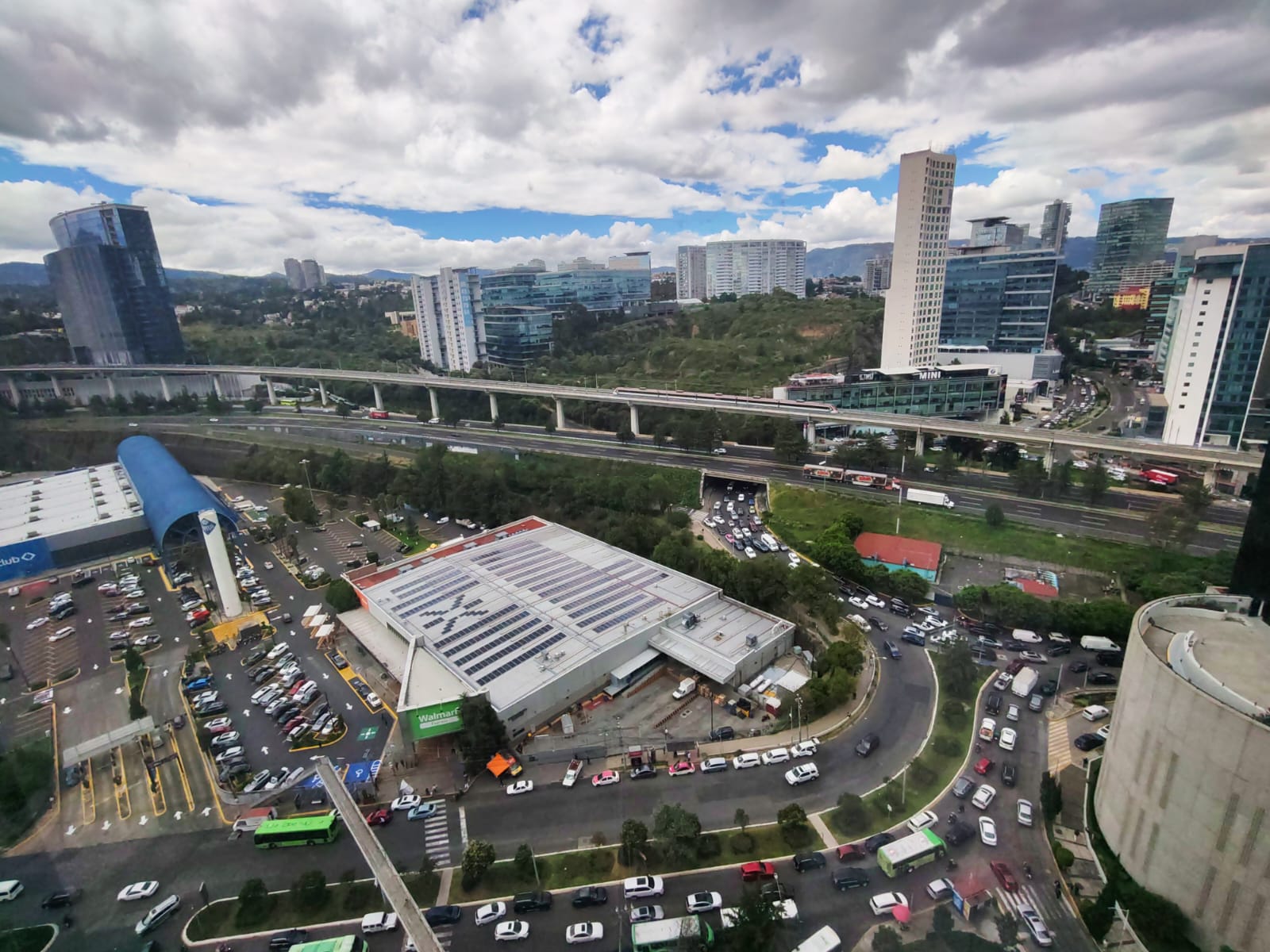
Your Apartment In The Best Area Of Santa Fe, Facing Parque la Mexicana
Ciudad de México, Ciudad de México
 For sale
MX$6,900,000
Apartment
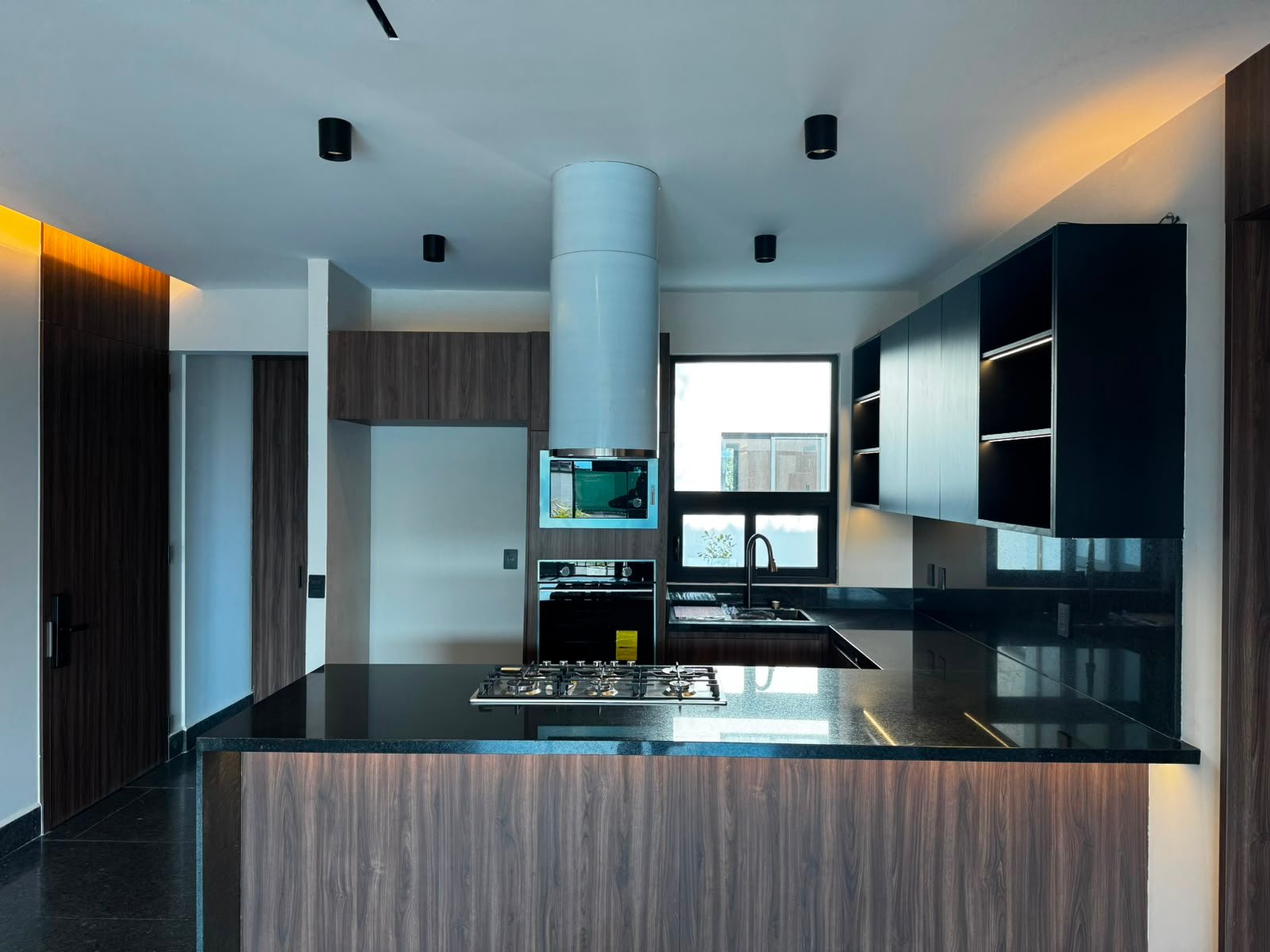
Spectacular Nearly New Apartment in Las Águilas | 2 Bedrooms, 3 Bathrooms, 2 Parking Spaces
Ciudad de México, Ciudad de México
Keep reading
Related articles

Living in Santa Fe CDMX: Towers, Traffic and Daily Life in 2026
Is living in Santa Fe CDMX worth it? Zones, tower prices, maintenance fees, traffic, water and who it suits best, before you rent or buy there.
Inmobiliaria32 Team
Living in Colonia Del Valle: Who It's For and What It Costs in 2026
Is living in Del Valle worth it? Prices by zone, getting around, earthquakes, water and who this Benito Juárez neighborhood suits, before you rent or buy.
Carlos Mendoza
Living in Coyoacán: Prices, Neighborhoods and Vibe in 2026
Is Coyoacán worth living in? Rent and purchase ranges by colonia, getting around, water, earthquakes and who it suits. A practical guide before you rent or buy.
María Elena Rodríguez

Living in La Paz, Baja California Sur: Complete Guide 2026
Living in La Paz means a seaside malecón, the Sea of Cortez and a relaxed pace, far from the mass tourism of Los Cabos.
Inmobiliaria32 Team
City guides
Keep learning before you decide
158 guides on city guides, and thousands of properties listed across Mexico.