

Moving From Mexico City to the Provinces: Pros, Cons, Where
A practical guide to moving from CDMX to another Mexican city: what you gain and lose, how to choose a destination, cost of living, and steps to plan your move without surprises.

More and more families and professionals who work remotely or on a hybrid schedule are asking whether it's worth moving from CDMX to the provinces. Traffic, cost of living, and the pace of the capital take a toll, but leaving behind the cultural, job, and service offerings of Mexico City is no small decision. In this guide we review the advantages, the real drawbacks, how to compare candidate cities, and which steps to follow so your move goes well, without idealizing or demonizing either option.
Why more and more people are leaving CDMX
The combination of remote work or hybrid arrangements, rising rents in central neighborhoods, and the wear and tear of traffic and long commutes has turned moving from CDMX to the provinces from an eccentric idea into a concrete plan for thousands of families every year. Add to that those looking for more space for their kids, less exposure to pollution, or simply a change of pace.
It's not a new phenomenon, but it has accelerated in recent years thanks to digital connectivity: today it's possible to keep a job based in CDMX while living in Querétaro, Mérida, or San Miguel de Allende, something that was much harder a decade ago.
Key point: before you move, confirm the exact terms of your remote or hybrid arrangement with your employer (mandatory office days, travel allowances, periodic reviews), since these policies change frequently and can limit how far away it makes sense to settle.
Advantages of moving to the provinces
- Lower cost of living: in most provincial cities, rent, groceries, and services cost less than in the most in-demand areas of CDMX, although the difference varies widely depending on the city.
- More space for the same budget: it's common to find houses with a yard, a garage, and more square footage for a monthly payment similar to that of a small apartment in the capital.
- Less time commuting: mid-sized cities tend to have shorter trips between home, work, and school, which translates into more usable hours in the day.
- Air quality and surroundings: several provincial cities report better air quality than the Valle de México metropolitan area, although this depends on the city and the season.
- Closer-knit communities: in mid-sized cities it's more common to build neighborhood and family support networks than in a metropolis as large as CDMX.
Drawbacks and what you'll miss
It's not all upside. Before moving from CDMX to the provinces, honestly consider these points:
| Aspect | What usually happens in the provinces |
|---|---|
| Local job market | Less diversified; many specialized or high-paying positions are concentrated in CDMX |
| Cultural life and entertainment | Fewer museums, theaters, international dining options, and nightlife, except in tourist cities |
| Air connectivity | Limited direct flights from smaller cities; may mean layovers or traveling to a larger airport |
| Specialized medical services | High-specialty care tends to be concentrated in large capitals, including CDMX |
| Social circle | Rebuilding friendships and networks takes time, especially if you move without knowing anyone in the area |
It's also worth evaluating the safety of the specific area you'd be moving to: the perception of "the provinces" as synonymous with tranquility doesn't apply equally to every city or to every colonia within the same city. Research local statistics and visit before committing.

Where to: candidate cities by profile
There is no single "best city to move to from CDMX": it depends on your budget, your job, whether you have kids, and how far from the capital you want to be. Some frequent routes:
- Querétaro: relative proximity to CDMX, strong industrial and services activity, and a large community of former capital residents. Appealing for those who need to travel to Mexico City occasionally.
- San Miguel de Allende and Guanajuato capital: cultural atmosphere, an established expat community, and a good quality of life, although housing prices are higher than in other cities in the region because of tourist and international demand.
- Mérida: a reputation for safety, warm weather year-round, and steady real estate growth in recent years; the distance to CDMX is greater, which means thinking carefully about flight logistics.
- Puebla: close to CDMX, a more affordable cost of living, and good highway connectivity, useful if you need to go back and forth frequently.
- Mazatlán and other coastal cities: an option for those who prioritize climate and an ocean-side lifestyle, with a growing supply of residential developments.
You can browse available properties and compare prices by area in cities across Mexico before settling on a particular one.
How to compare cities before deciding
Before choosing a destination, put together an objective comparison using these criteria:
- Job compatibility: confirm whether your job allows fully remote work or requires periodic presence in CDMX, and calculate the real cost of those trips.
- Housing budget: compare rental and purchase prices for both houses and apartments in the cities you're interested in, using the same size and finish level as a reference.
- Essential services: schools, hospitals, supermarkets, and public transportation near the area where you plan to live.
- Connectivity with CDMX: flight frequency or highway travel time, in case you need to go back for work, family, or paperwork.
- Visit before you move: stay at least a week in the candidate city, preferably during a normal season (not just vacation periods), to get a feel for the real pace of life.
Recommendation: if you're torn between two cities, try renting before buying. Renting for six months to a year gives you room to experience the climate, the community, and real commute times without committing to a purchase.
Practical steps to plan your move
Once you've decided on a destination, organize the move in phases:
- Define your total budget: include the move itself, the security deposit and first month's rent, or the down payment if you're buying, plus a cushion for the unexpected.
- Review the contract carefully: if you're going to rent, learn your tenant rights in Mexico and ask for a lease agreement template as a reference before signing.
- If you're buying, prepare your documents: keep a checklist of documents for buying a house handy and factor in the hidden costs of buying a house that tend to surprise first-time buyers; our closing costs calculator (gastos de escrituración) helps you estimate them before you move.
- Cancel and set up utilities ahead of time: electricity, water, internet, gas, and change-of-address paperwork with the SAT and other institutions.
- Plan the moving logistics: compare quotes from moving companies, consider whether it makes sense to sell large furniture rather than transport it long distances, and book early during peak season.
- Enroll your kids early: if school is involved, research enrollment cycles and required documents in the new city several months in advance.
Important notice: this guide is for informational purposes and does not replace the advice of a real estate, tax, or legal professional. Before signing any contract or making payments, verify the information with a specialist and confirm current figures and requirements with official sources.
Frequently asked questions
Do you really save money by moving from CDMX to the provinces?
In most cases there are savings on housing and some everyday expenses, but it depends a lot on the city you choose: tourist destinations or places with high expat demand, such as San Miguel de Allende, can have housing prices similar to or even higher than areas of CDMX. Compare concrete costs before assuming you'll save.
Which provincial city is best for moving from CDMX?
There's no single answer; it depends on your budget, whether you need to travel to the capital often, whether you have kids, and what kind of climate or lifestyle you prefer. Querétaro and Puebla tend to suit those who need to stay close to CDMX, while Mérida or Mazatlán are more appealing to those who prioritize climate and quality of life at a greater distance.
Should I rent or buy when moving to a new city?
If it's your first time living in that city, it generally makes sense to rent for six months to a year before buying. This lets you get to know different areas, evaluate real commute times, and avoid committing to a purchase in an area you later don't like.
How does the move affect me if I work for a company based in CDMX?
It depends on your employer's policy. Some companies allow fully remote work, while others require periodic in-office presence. Before you move, confirm the terms of the remote or hybrid arrangement in writing, including travel allowances if you have to travel and the expected frequency of visits to CDMX.
Have you decided where to move? Find your next home today.
Listings
Properties in Ciudad de México
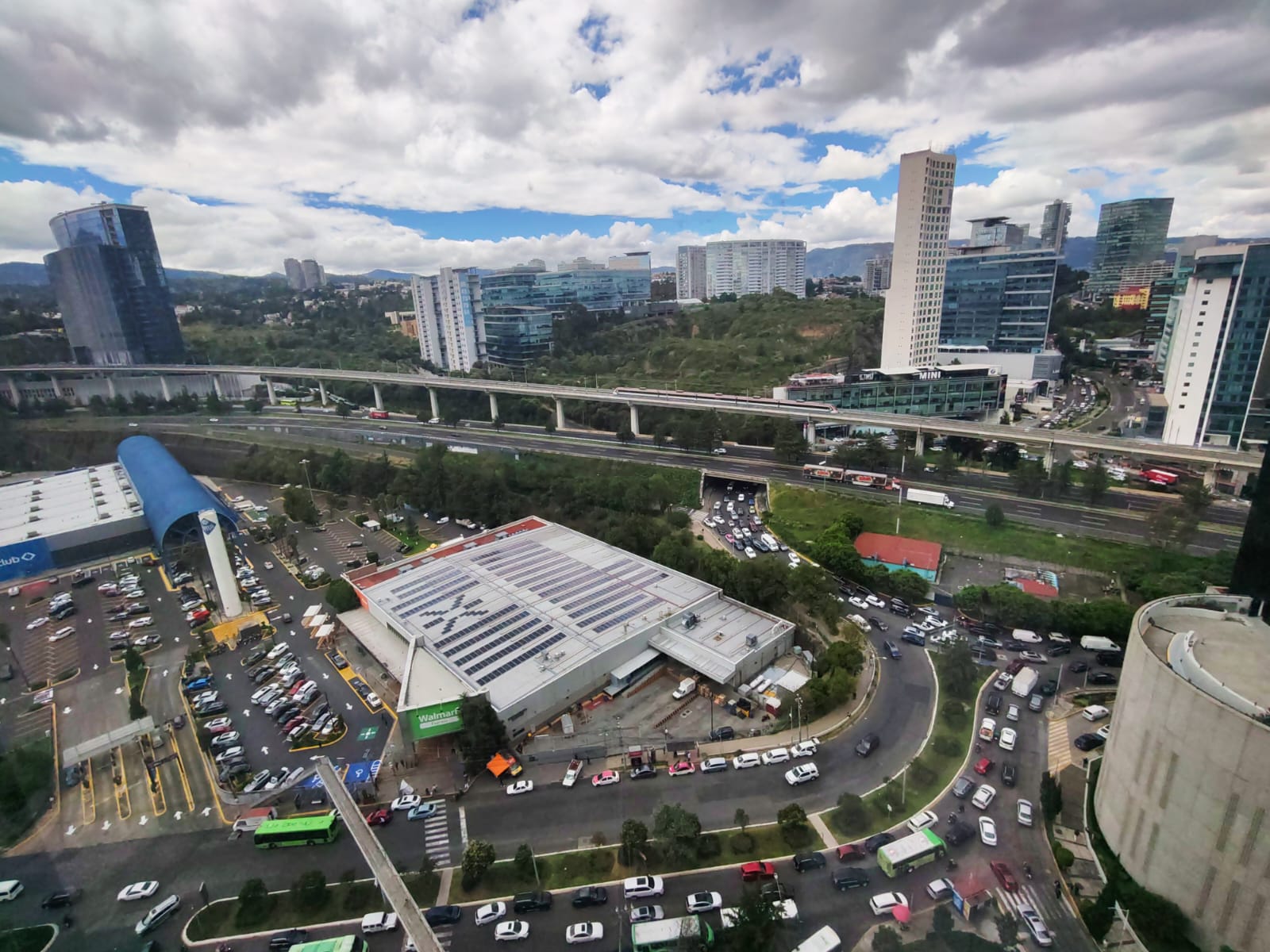 For sale
MX$4,440,000
Apartment
Your Apartment In The Best Area Of Santa Fe, Facing Parque la Mexicana
Ciudad de México, Ciudad de México
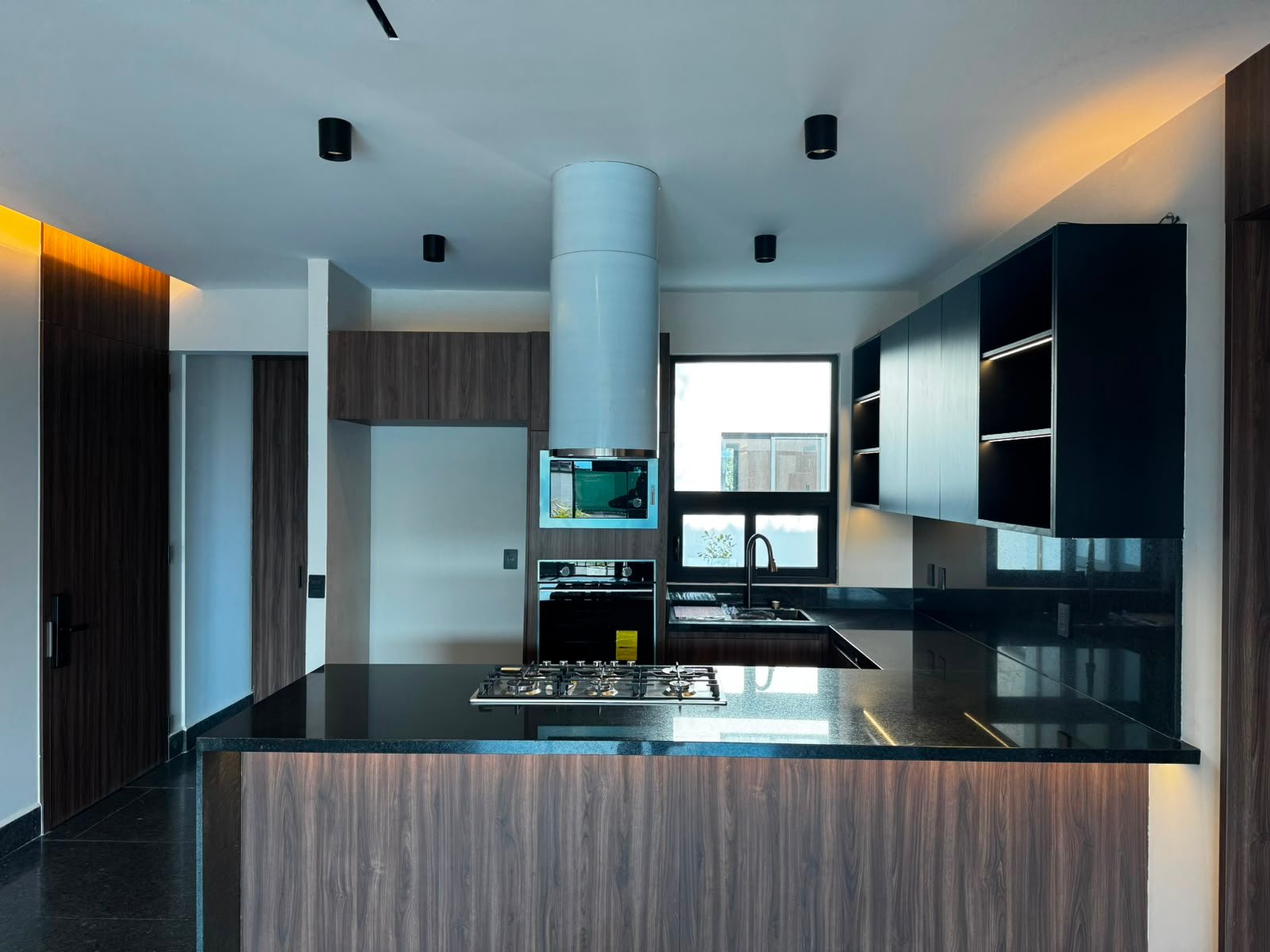 For sale
MX$6,900,000
Apartment
Spectacular Nearly New Apartment in Las Águilas | 2 Bedrooms, 3 Bathrooms, 2 Parking Spaces
Ciudad de México, Ciudad de México
Keep reading
Related articles

Corner House vs. Mid-Block House: Pros and Cons
Corner or mid-block home? We compare natural light, security, noise and price to help you decide which type of lot best fits your lifestyle.
María Elena Rodríguez
Buying a Condo Home in Mexico: Pros, Cons and Rules
Everything to evaluate before buying a home in a condominium: maintenance fees, internal bylaws, security.
Carlos Mendoza
Mortgage vs. Cash: Pros and Cons of Each Way to Buy
We compare buying with a mortgage vs. paying cash: liquidity, total cost, closing times, and which option fits your financial profile best.
Carlos Mendoza
Renting Near Campus vs. Downtown: Pros and Cons
A comparison of renting near campus versus in the city center: commute time, atmosphere, prices, and which option fits a student's lifestyle best.
María Elena Rodríguez
Buying a home
Keep learning before you decide
358 guides on buying a home, and thousands of properties listed across Mexico.