

Buying a Condo Home in Mexico: Pros, Cons and Rules
Everything to evaluate before buying a home in a condominium: maintenance fees, internal bylaws, security.
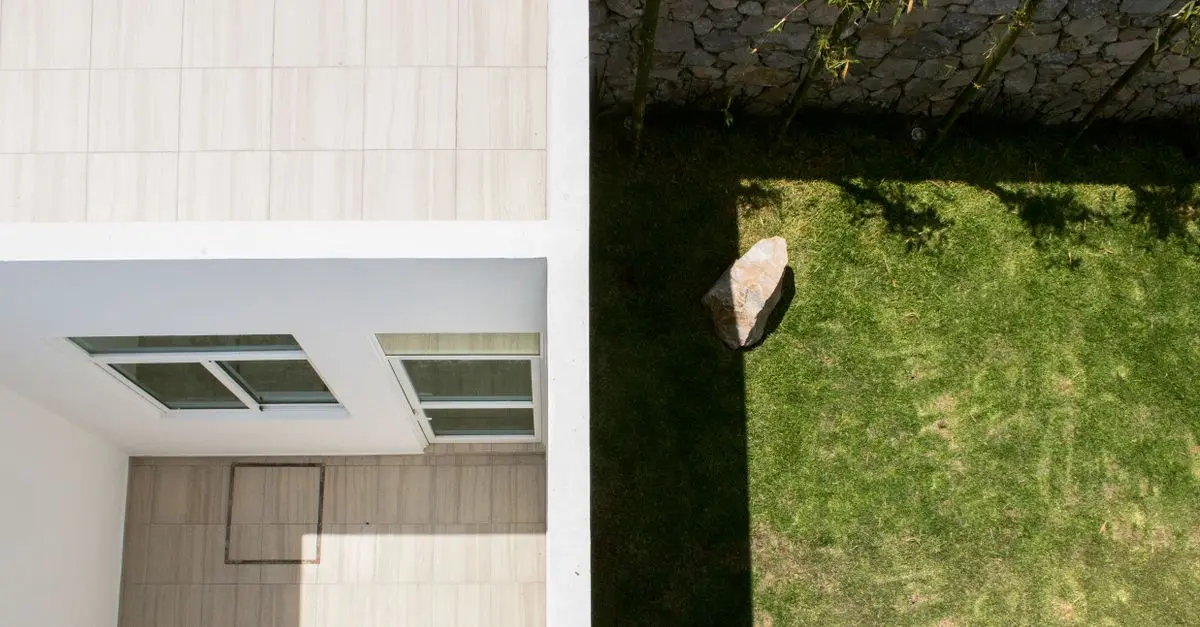
More and more residential developments in Mexico are built under the condominium regime (régimen de condominio), whether as horizontal houses inside a gated community or as vertical apartment developments. The promise is appealing: security, common areas, amenities, and appreciation. But buying a home in a condominium also means sharing decisions, paying fees, and abiding by bylaws that can limit what you do with your property. Before you sign, it pays to understand exactly what you are acquiring.
Important notice: This article is for informational purposes only and does not replace the advice of an attorney specializing in real estate law or a notary public (notario público). The condominium ownership regime is governed by state laws that vary from one state to another, so always confirm the rules that apply in your locality before making a purchase decision.
What does it mean to buy under the condominium regime?
The condominium ownership regime is a legal framework in which each owner holds an individual title to their house or apartment, and is also a co-owner of the common areas: internal streets, gardens, pool, clubhouse, security booths, elevators, and more. This regime is recorded in the Registro Público de la Propiedad (Public Property Registry) through a constitutive deed (escritura constitutiva) that sets out the rights and obligations of all the unit owners (condóminos).
Unlike a standalone house with an individual deed and no shared areas, buying a home in a condominium legally ties you to a community of owners. That brings organizational and security benefits, but it also means you no longer make every decision unilaterally: there is an owners' assembly, mandatory fees, and bylaws you must follow.
Before moving forward, review the checklist of documents for buying a home, since a condominium adds extra paperwork: the constitutive deed of the regime, the internal bylaws, and account statements from the administration.
Advantages of condominium living
Condominium developments often offer benefits that a standalone house rarely matches on its own, especially in urban areas where security and amenities are a decisive factor in appreciation.
- Perimeter security: controlled access, a security booth, and, in many cases, a closed-circuit camera system shared among all owners.
- Amenities without an individual construction cost: pool, gym, green areas, event hall, or clubhouse, paid for proportionally by all unit owners.
- Maintenance of common spaces: landscaping, lighting, cleaning of internal streets, and repairs to shared infrastructure are handled by the administration, not by each owner separately.
- Uniformity and urban order: the bylaws usually prevent intrusive construction or incompatible uses (workshops, warehouses, noisy businesses), which tends to protect the value of the whole development.
- Sense of community: neighbors with similar profiles and an organized administration make coexistence and joint problem-solving easier.
These factors tend to have a positive effect on the appreciation (plusvalía) of the property, especially when the condominium keeps its common areas in good condition over the years.
Drawbacks and restrictions to consider
It's not all upside. Living under the condominium regime means giving up some autonomy in exchange for collective benefits, and some restrictions may not be obvious until you already live there.
- Mandatory maintenance fee: it is a fixed monthly or bimonthly expense you cannot stop paying, even if you feel the service is subpar.
- Limits on remodeling: many bylaws restrict changes to the facade, colors, perimeter walls, additions, or even the type of pets allowed.
- Collective decisions: matters such as changes to fees, new works, or amendments to the bylaws are voted on in assembly, and your vote may end up in the minority.
- Risk of poor management: if the administrator doesn't collect fees properly or misspends the fund, the common areas deteriorate and that affects everyone equally, regardless of who paid on time.
- Inherited debts: in some regimes, buying a unit with overdue fees can cause complications if the account statement isn't verified before the deed is signed (escriturar).
Point of caution: Before signing, request in writing the condominium's account statement for the unit you are interested in and confirm there are no outstanding maintenance fees that could fall to you after the purchase. Also verify the certificate of freedom from liens (certificado de libertad de gravamen) for the individual property.
The internal bylaws: what to review before buying
The internal bylaws (also called the condominium regulations, or reglamento de condominio) are the document that governs daily coexistence and often weigh as much as the deed itself in your day-to-day life there. Ask for a complete copy before committing and review at least these points:
| Aspect of the bylaws | Why review it |
|---|---|
| Permitted land use | Defines whether you can rent out the unit, run a home business, or offer short-term rental-platform lodging |
| Pets and noise | Some condominiums limit the size, number, or breed of pets, as well as quiet hours |
| Facade modifications | Changes to color, windows, garages, or perimeter walls usually require prior approval |
| Penalty regime | What happens if you fall behind on fees: surcharges, suspended access, or legal action |
| Quorum and voting in assemblies | How many votes are needed to approve works, fee increases, or changes to the bylaws |
If you plan to rent the property out in the future, this point is especially relevant: see the guide to tenant rights in Mexico to understand how the condominium bylaws interact with an eventual lease agreement.
Maintenance fees: how to evaluate them
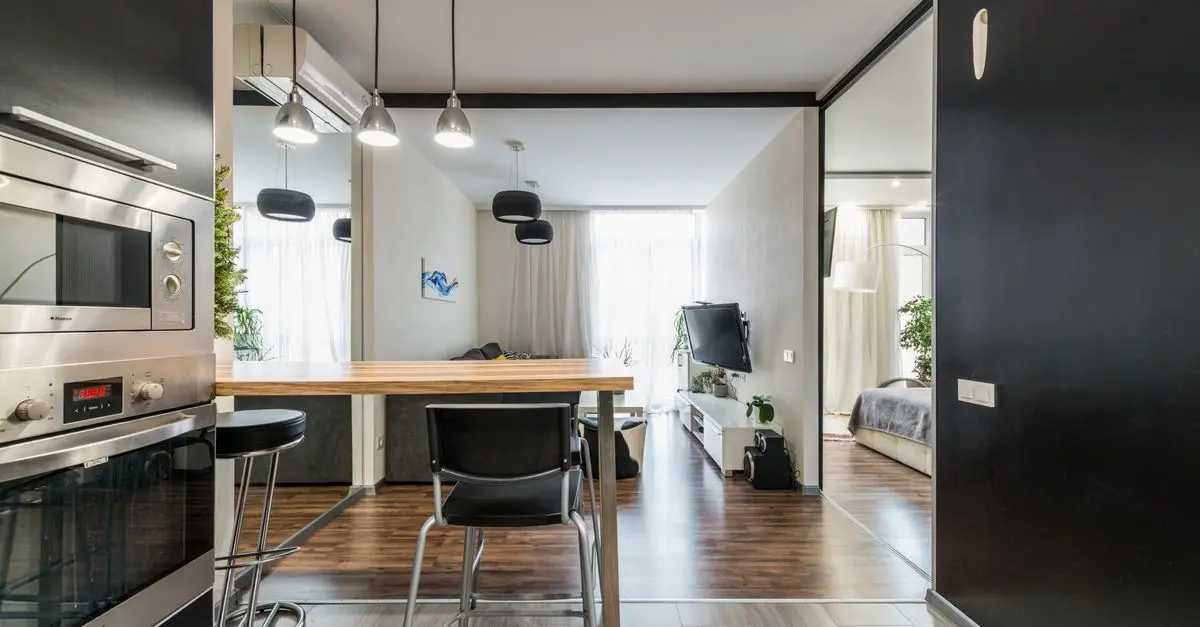
The maintenance fee is one of the most underestimated factors when buying a home in a condominium. It's not enough to know the current amount; you should understand its trend and exactly what it covers.
- Ask for the history of increases: a fee that has consistently risen faster than inflation may point to poor financial planning by the condominium.
- Verify what it includes: security, landscaping, electricity for common areas, pool maintenance, administration salaries, and a reserve fund for major repairs.
- Ask about the reserve fund: a condominium without a sufficient fund may require special assessments (cuotas extraordinarias) when it needs to repair water pumps, repaint the whole complex, or replace the access system.
- Compare it against your monthly budget: add the maintenance fee to your mortgage payment, property tax (predial), and utilities to gauge the real monthly cost of housing.
Practical tip: Before signing, attend (or ask to attend) an owners' assembly as a guest, if the seller and the administration allow it. It's the best way to get a feel for the real atmosphere of the community and how well organized the condominium is, beyond what the bylaws say on paper.
If you're also comparing the total cost of the transaction, check out our closing cost calculator (gastos de escrituración) and the article on hidden costs of buying a home, since condominiums may add file-opening fees or initial reserve fund contributions.
Frequently asked questions
Is it mandatory to pay the maintenance fee even if I don't use the common areas?
Yes. The maintenance fee is an obligation arising from the constitutive deed of the condominium regime and the internal bylaws, not from how much you personally use the amenities. Non-payment can lead to surcharges, access restrictions, or, in extreme cases, legal action by the administration, as provided under the applicable state legislation.
Can I rent out my condominium home without restrictions?
It depends on each condominium's internal bylaws. Some allow traditional rentals but prohibit or limit short-term stays through rental platforms, while others require you to register the tenant with the administration. Check this point in the bylaws before buying if your plan is to generate rental income.
What happens if the previous owner has overdue fees at the time of purchase?
It is essential to request an up-to-date account statement issued by the administration before signing. In some regimes, debts can remain tied to the unit and not just to the person who incurred them, so it's wise to clarify in writing, ideally with the help of a notary public (notario), who is responsible for any outstanding balance.
Does condominium living really increase appreciation compared to a standalone house?
There is no fixed rule, since it depends on the location, the quality of the administration, and the condition of the common areas over the years. A well-maintained condominium with effective security and healthy finances tends to hold or increase its value more steadily than an area without those conditions, but a poorly managed condominium can have the opposite effect.
Looking for a home in a condominium or want to list yours for sale?
Explore available options or list your property for free on Inmobiliaria32.
Listings
Recent properties
 For sale
MX$1,440,000
Land
Land for Sale in Residencial Lomas del Dorado
Boca del Río, Veracruz
 For sale
MX$3,900,000
House
House for Sale in Las Lomas, Riviera Veracruzana | 3 Bedrooms with Private Bathrooms
Alvarado, Veracruz
 For sale
MX$10,900,000
Land
Attention Investors
Puerto Vallarta, Jalisco
Keep reading
Related articles

Corner House vs. Mid-Block House: Pros and Cons
Corner or mid-block home? We compare natural light, security, noise and price to help you decide which type of lot best fits your lifestyle.
María Elena Rodríguez
Mortgage vs. Cash: Pros and Cons of Each Way to Buy
We compare buying with a mortgage vs. paying cash: liquidity, total cost, closing times, and which option fits your financial profile best.
Carlos Mendoza
FIBRAs vs. Buying Property Directly: Pros and Cons
We compare investing in a FIBRA with buying property directly: liquidity, control, management effort and appreciation potential.
María Elena Rodríguez

How to Sell Your House Without a Realtor: Pros, Cons and Steps
A guide to selling your house without a real estate agency in Mexico: advantages, drawbacks and the steps of a direct sale between private parties. Save the commission and stay in control.
María Elena Rodríguez
Buying a home
Keep learning before you decide
358 guides on buying a home, and thousands of properties listed across Mexico.