

Sell Land Fast in Mexico: Strategy and Documents
A practical guide to selling land fast in Mexico: realistic pricing, documents in order, marketing channels, and mistakes that drag out the sale.
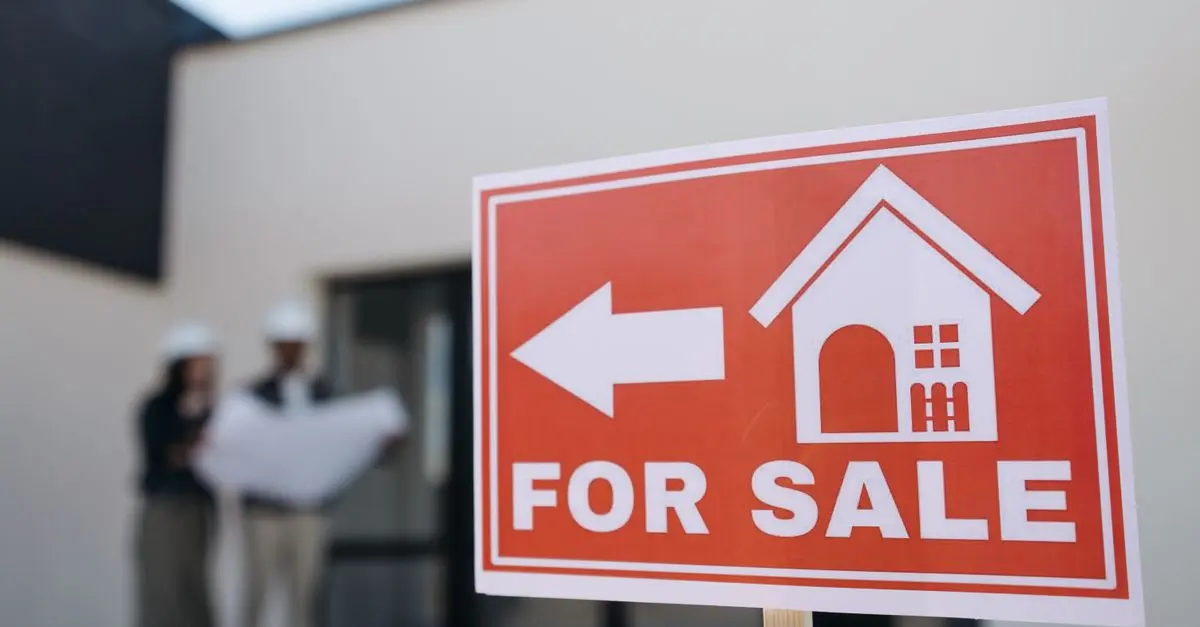
Selling a plot of land is not the same as selling a house: there are no room-by-room tours or remodeled kitchen photos to win over the buyer. A lot sells on its location, its legal status, and the certainty that "what you see is what you buy." That is why selling land fast depends almost entirely on two things you can control: a price aligned with market reality and a complete document folder from day one. In this guide we cover pricing strategy, the essential paperwork, the channels that actually move land, and the most common mistakes that stretch out a sale that could have closed in weeks into months.
1. Set a price that reflects the market, not your expectations
The single biggest factor slowing down a land sale is a price that is out of line with the market. Unlike a house, a lot has no "improvements" to justify a markup: its value depends almost entirely on the area, the size, the permitted land use, and access to utilities. Before listing, compare at least five similar plots in the same colonia (neighborhood) or municipality, with comparable size and land use, and adjust for location differences (corner lot, avenue frontage, proximity to services).
A useful tool for starting from an objective reference is an online market value estimate; you can use this service to estimate how much your property is worth as a starting point, although it is always wise to cross-check it against the actual behavior of active listings in your area.
| Factor | Typical effect on price |
|---|---|
| Land use (residential, commercial, mixed) | Value can vary significantly between uses |
| Main road frontage vs. interior street | Usually increases the value per m² |
| Available utilities (water, electricity, sewer) | Their absence reduces interest and the price offered |
| Topography (flat vs. sloped) | Steep slopes tend to reduce value |
| Legal certainty (deed vs. pending process) | Land that hasn't been regularized sells slower and for less |
If you need to sell fast, consider setting the price slightly below the area average instead of leaving a wide margin for negotiation: a competitive price from the start generates more visits and offers in the first few weeks, which is when a listing gets the most attention.
2. Documents you need before listing
Nothing stalls a deal more than discovering, once you already have an interested buyer, that a document is missing or that there is an unresolved legal problem. Gathering the complete folder before listing is what truly speeds up the closing.
- Public deed (escritura pública) of the land in your name, registered with the Registro Público de la Propiedad (Public Property Registry).
- Certificate of freedom from liens (certificado de libertad de gravamen), current and up to date, confirming the land has no mortgages, attachments, or pending litigation. You can check how to obtain this certificate if you don't have it yet.
- Land use certificate (constancia o certificado de uso de suelo) issued by the municipality, stating what can legally be built.
- Property tax statement (boleta predial) paid up to date (predial with no outstanding balance).
- Official ID and proof of address of the owner or owners.
- Marriage or death certificate, if applicable, when the land is part of a marital property regime or an estate.
- Survey plan or measurements and boundaries up to date, ideally with a recent topographic survey if there have been any changes.
If the land comes from an ejido (communal agrarian) nucleus, check whether it already has full ownership (dominio pleno) or is still in the process of being regularized; this completely changes the procedure and timelines, and it is best settled with a notary public (notario público) before advertising the sale. For a broader checklist that applies to any type of property, see this list of documents buyers usually ask for.
3. Prepare the land so it sells itself
A neglected lot, with tall weeds, trash, or unclear boundaries, raises doubts about its legal status and value, even if they aren't directly related. Before taking photos or scheduling visits:
- Clear the land of weeds, debris, and accumulated trash.
- Mark or fence the boundaries if they aren't obvious at a glance, so the buyer can visualize the actual size.
- Take photos and, if possible, drone video in good light, showing access points, adjoining properties, and surrounding landmarks (streets, nearby services).
- Put up a visible banner or sign with your contact details; many land buyers come from people passing through the area.
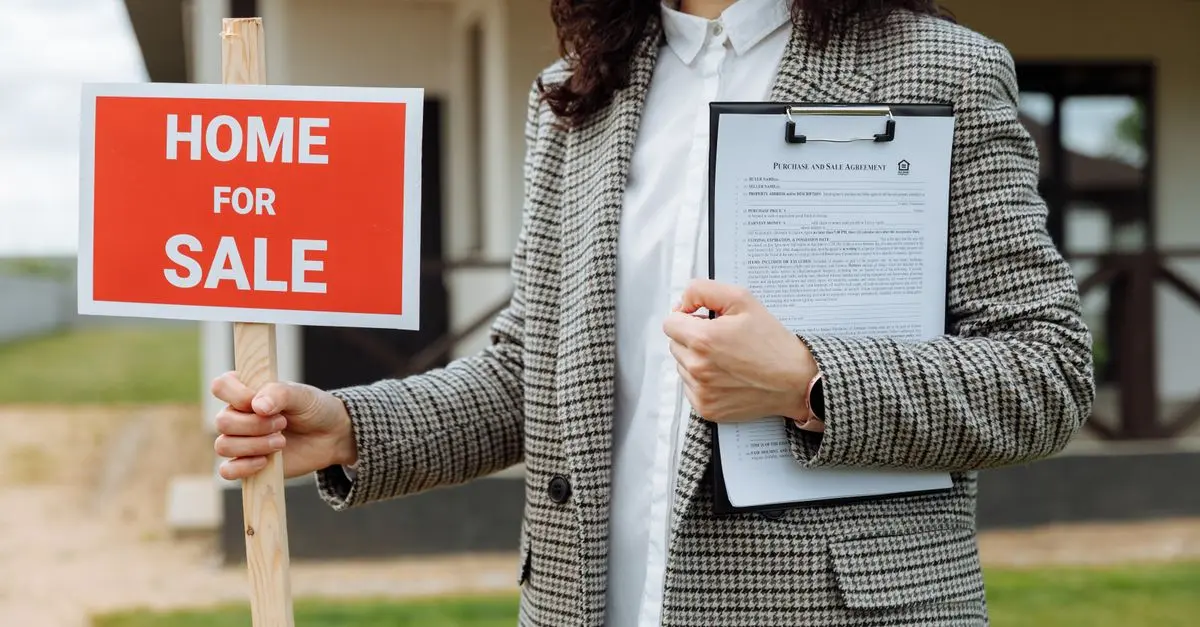
These actions don't change the nature of the land, but they do change how seriously the seller is perceived, which shortens the time between the first visit and the formal offer.
4. Where and how to list to attract serious buyers
The right visibility speeds up a sale more than almost any other variable. List on specialized real estate portals where users actively search by the "land" category and filter by location and size; you can explore how similar lots are listed in the land for sale section to benchmark your listing against the real competition.
An effective land listing should include: exact size in m², measurements and boundaries, permitted land use, available utilities, total price and price per m², type of access (paved street, dirt road), and photos that show the immediate surroundings, not just the empty lot. If you're not sure how to structure the listing, this guide on how to list effectively can help you step by step; you can also start right away from list your land.
5. Smooth negotiation and closing
When an offer comes in, decide in advance your real negotiating margin (not the one you advertised) so you don't waste time going back and forth. It is common to receive offers below the listed price; respond with comparable data from the area rather than subjective justifications.
Once the price is agreed, it is customary to sign a purchase promise contract (promesa de compraventa) or a formal deposit while the final deed is prepared before a notary public. Check who will cover the closing costs and in what proportion, since this varies by state; you can get a general overview in this guide on deed registration costs by state or estimate approximate amounts with the closing cost calculator.
As the seller, your main tax obligation in the transaction is usually the ISR (income tax) on the gain from the sale, that is, the difference between the (adjusted) acquisition value and the sale value of the land. The notary, acting as withholding agent, calculates and withholds this tax at the time of the deed, based on the information and supporting documents you provide (acquisition deed, documented improvements, appraisal, among others). Some exemptions or reductions apply in certain cases, for example when the seller is an individual and certain requirements are met, but don't assume they apply to your situation. Since the amount can vary significantly depending on your particular circumstances, it is advisable to consult the notary or an accountant early, before setting the price or negotiating, so you don't get any surprises at closing.
If the land is located within the restricted zone (coastal or border strip) and the buyer is a foreigner, the transaction will likely require a bank trust (fideicomiso); it's best to anticipate this from the negotiation stage so you don't lose time once the price is agreed. You can review the details in this article on fideicomiso for foreigners in the restricted zone.
6. Mistakes that drag out the sale
| Mistake | Consequence |
|---|---|
| Listing without a current certificate of freedom from liens | Serious buyers back out when they ask for documentation and it isn't produced in time |
| Overpricing the land "just in case" | Fewer visits; the listing stalls for weeks or months |
| Generic photos with no location reference | Buyers distrust the lot's actual location |
| Not verifying land use before advertising | Time is wasted on buyers looking for a use other than the one permitted |
| Ignoring unpaid predial (property tax) | Delays or cancels the signing at the notary's office once the debt is discovered |
You should also carefully review any offer that seems unusually fast or has out-of-the-ordinary conditions: there are fraud schemes that prey on sellers in a hurry to close. This guide on common real estate frauds in Mexico reviews the most frequent warning signs.
Frequently asked questions
How long does it take to sell land in Mexico?
It varies widely depending on location, price, and the lot's legal status. Well-documented land in an area with demand and priced in line with the market can receive serious offers within a few weeks; an overpriced lot or one with incomplete documentation can take months or even more than a year to sell.
Do I need a real estate agent to sell land fast?
It isn't mandatory, but an agent with experience in land in the area can speed up the process by having direct contact with active buyers, such as developers or builders, as well as helping with valuation and negotiation.
What happens if my land is ejido land and doesn't have full ownership?
The sale gets complicated and usually first requires a regularization process with the relevant agrarian authorities to obtain full ownership (dominio pleno) before the deed can be executed before a notary public. It is advisable to resolve this with legal advice before advertising the land.
How do I know if the price I'm asking for my land is competitive?
Compare with similar land in terms of size, location, and land use that is active in the same area, and consider using an online value estimate as a starting point before adjusting for the particulars of your lot.
Ready to sell your land?
List your land with your documentation in order and reach buyers who are already searching in your area.
Listings
Recent properties
 For sale
MX$1,440,000
Land
Land for Sale in Residencial Lomas del Dorado
Boca del Río, Veracruz
 For sale
MX$3,900,000
House
House for Sale in Las Lomas, Riviera Veracruzana | 3 Bedrooms with Private Bathrooms
Alvarado, Veracruz
 For sale
MX$10,900,000
Land
Attention Investors
Puerto Vallarta, Jalisco
Keep reading
Related articles

Sell Your House Fast for an Urgent Move: Real Strategies
Selling a house fast because of an urgent move takes a competitive price, aggressive marketing and flexibility in negotiation.
María Elena Rodríguez
Home Staging: Prep Your House to Sell Faster and for More
Home staging guide for Mexico: low-cost techniques to prepare your house, make a great first impression, and sell faster at a better price.
María Elena Rodríguez

Documents to Sell a House in Mexico: Complete Checklist
Complete checklist of the documents you need to sell a house in Mexico: deed, predial, appraisal, certificates and more. Get ready for a surprise-free closing.
Inmobiliaria32 Team
How to Sell My House Fast in Mexico: 2026 Guide
Practical strategies to sell your house fast in Mexico in 2026: the right price, preparation, photos, marketing and negotiation. A complete step-by-step guide.
María Elena Rodríguez
Selling your property
Keep learning before you decide
35 guides on selling your property, and thousands of properties listed across Mexico.