

Fideicomiso for Foreigners: Buying in Mexico's Restricted Zone
Are you a foreigner who wants to buy a home near the beach or the border in Mexico? The law requires you to use a bank trust (fideicomiso).
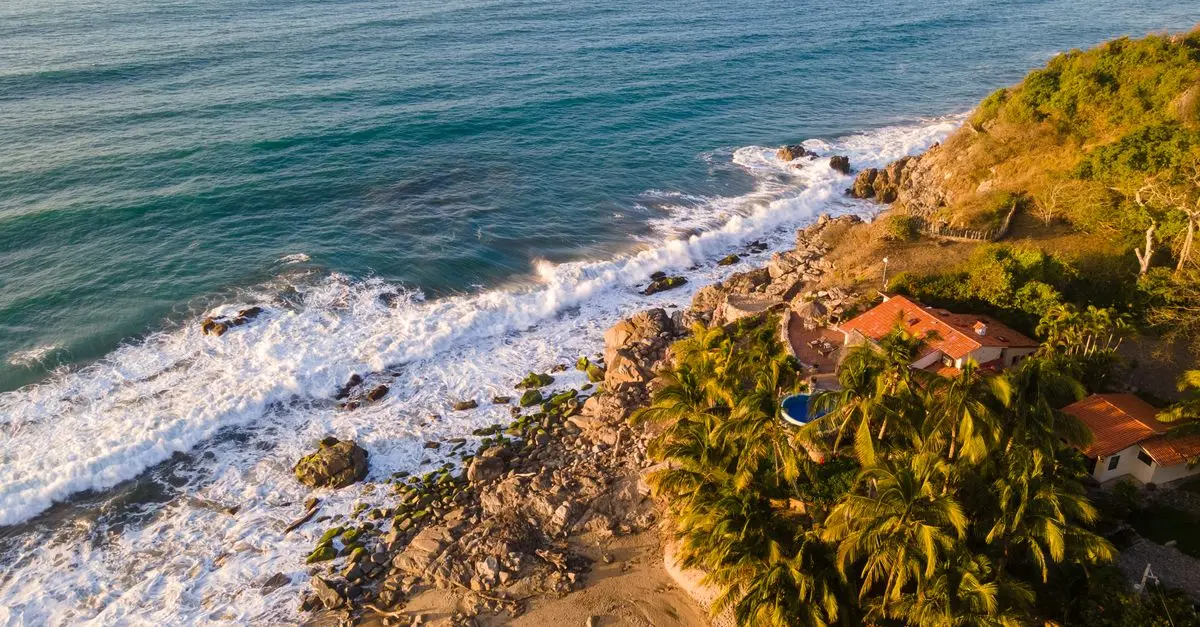
Buying oceanfront property in the Riviera Maya, Los Cabos or Puerto Vallarta is a dream for many foreigners. But when the property is near the coast or the border, the Mexican Constitution imposes a special rule: a foreigner cannot acquire it directly in their own name. The legal solution, used for decades by thousands of buyers, is the bank trust (fideicomiso). In this guide we explain what the restricted zone is, how the fideicomiso works, how much it costs and how to buy with peace of mind.
Important notice
This article is informational and educational; it is not legal, notarial or tax advice. Amounts, timelines and procedures may vary depending on the bank, the state, the notary and current regulations. Before buying, consult a notary public (notario público) and a real estate attorney in Mexico.
What is the restricted zone?
Article 27 of the Constitution defines a restricted zone in which foreigners cannot acquire direct ownership of land and water. This strip covers:
- 100 kilometers along the borders.
- 50 kilometers along the beaches.
Most of the most sought-after coastal tourist destinations —Cancún, Playa del Carmen, Tulum, Puerto Vallarta, Los Cabos, Mazatlán or Puerto Escondido— fall within this strip. If the property you are interested in is outside the restricted zone (for example, in the interior of the country such as CDMX, Guadalajara, Querétaro or San Miguel de Allende), a foreigner can buy it directly in their own name, without a fideicomiso.
The idea in a nutshell
Inside the restricted zone (near the coast or the border) a foreigner needs a fideicomiso or a Mexican company in order to buy. Outside it, they can take title directly. The first question is always: is the property inside or outside the strip?
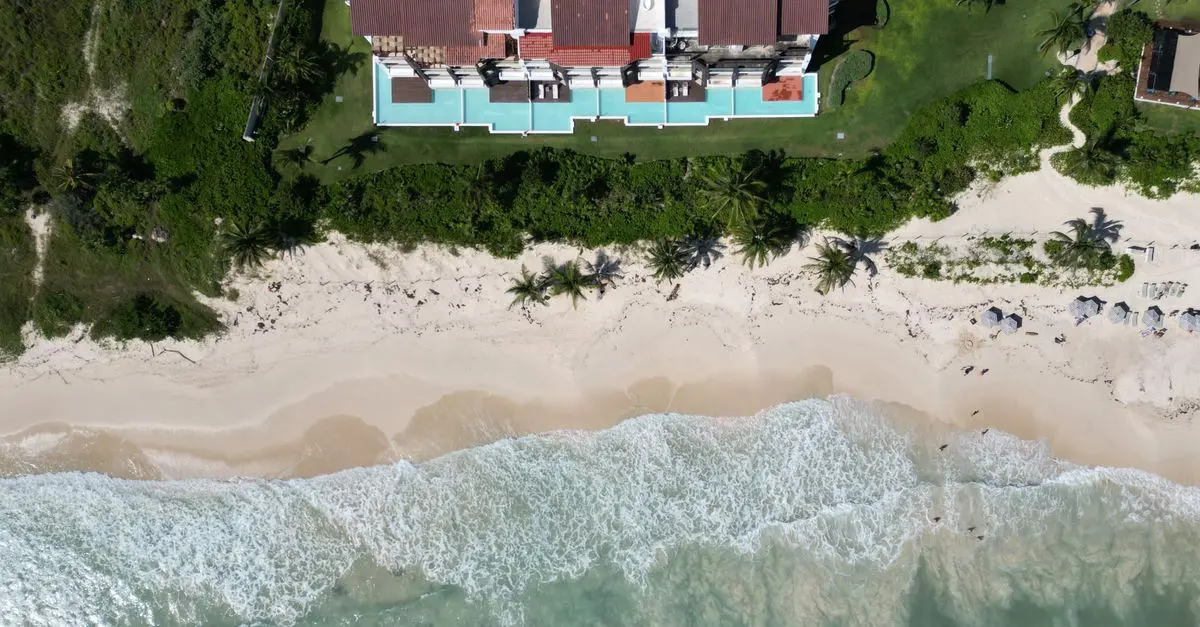
What is a fideicomiso?
A restricted-zone fideicomiso is a contract in which an authorized Mexican bank (the trustee, or fiduciario) holds title to the property, while you (the beneficiary, or fideicomisario) keep all rights of use, enjoyment and disposal. In practice you act as the owner: you can live in the house, rent it out, remodel it, sell it or leave it to your heirs.
It is a common myth that "the bank owns the property and can take it away from you." The bank merely holds the title as a legal figure; it cannot use, sell or dispose of the property. You give the instructions and the bank carries them out. The fideicomiso has a term of 50 years, renewable for equal periods indefinitely.
How it works step by step
- You sign a purchase offer and verify that the property is free of liens with a certificate of freedom from liens (certificado de libertad de gravamen).
- You choose a trustee bank (several large banks offer this service).
- The bank requests the permit from the Ministry of Foreign Affairs (Secretaría de Relaciones Exteriores, SRE) to set up the fideicomiso.
- The notary public (notario público) drafts the fideicomiso deed and formalizes the sale.
- You pay the ISAI (property acquisition tax) and the registration fees.
- The fideicomiso is recorded in the Registro Público de la Propiedad (Public Property Registry) and you receive your title.
You can name substitute beneficiaries in the contract: if you pass away, the property goes to them without the need for probate proceedings in Mexico, which greatly simplifies inheritance for foreign families.
How much does a fideicomiso cost?
The fideicomiso has an initial setup cost and an annual administration fee. Amounts vary by bank and by the value of the property; the following are approximate ranges:
| Item | Approximate range | When it is paid |
|---|---|---|
| SRE permit | Fixed federal fees | At the start |
| Fideicomiso setup | One-time payment (several thousand USD) | At the start |
| Annual administration fee | Recurring fee (hundreds of USD) | Every year |
| ISAI + notary + registration | Approx. 4%–8% of the value | At closing (escrituración) |
Always ask your bank and your notary for a written breakdown before signing. Closing costs (ISAI, fees and registration charges) apply the same as for a Mexican buyer; you can estimate them with our closing cost calculator. If you want a detailed breakdown of the annual fee and the setup cost bank by bank, check out our guide on how much a bank fideicomiso costs.
Alternatives to the fideicomiso
If you are buying for investment or business purposes, there is another route: setting up a Mexican company (for example, an S. de R.L.) that can acquire real estate in the restricted zone for non-residential activities. This option involves ongoing accounting and tax obligations, so it tends to suit those who manage several properties or a rental business, not someone buying a single vacation home. Compare both structures in depth in our guide Mexican company vs. fideicomiso for buying on the coast.
Fideicomiso or company?
As a general rule: for a personal or vacation home, the fideicomiso is the simplest and most common choice. For an investment portfolio or commercial use, evaluate a Mexican company with an accountant. Decide with professional advice before signing, because switching structures later is costly.
Mistakes to avoid
- Buying ejido land (terreno ejidal) believing it is private property: it cannot be placed in a fideicomiso until it is regularized. It is one of the most frequent traps on the coast.
- Failing to verify freedom from liens and any unpaid predial (property tax) before paying the deposit.
- Signing only a private contract without going through a notary.
- Not naming substitute beneficiaries, which complicates inheritance.
- Taking on costs without a written breakdown from the bank and the notary.
As an extra layer of protection, many foreign buyers take out title insurance (seguro de título) before signing, especially on properties with an unclear ownership history.
If you are going to invest from abroad, also check out our legal guide to investing in real estate as a foreigner.
Frequently asked questions
Does the bank own my house?
Not in any practical sense. The bank only holds the title as trustee; you keep all rights to use, rent, sell and bequeath. The bank cannot dispose of the property.
Can I sell a property held in a fideicomiso?
Yes. You can sell to another foreigner (who takes over or sets up their own fideicomiso) or to a Mexican (who can terminate the fideicomiso and take title directly). You can also assign your rights.
How long does the fideicomiso last?
50 years, renewable for equal periods indefinitely. Renewal is an administrative procedure with the bank.
Do I need a fideicomiso if I buy in the interior of the country?
No. Outside the 100 km border strip and the 50 km coastal strip, a foreigner can take title to the property directly in their own name.
Looking for property on the Mexican coast?
Explore houses and apartments in Mexico's most sought-after destinations and calculate your closing costs before you buy.
Listings
Recent properties
 For sale
MX$1,440,000
Land
Land for Sale in Residencial Lomas del Dorado
Boca del Río, Veracruz
 For sale
MX$3,900,000
House
House for Sale in Las Lomas, Riviera Veracruzana | 3 Bedrooms with Private Bathrooms
Alvarado, Veracruz
 For sale
MX$10,900,000
Land
Attention Investors
Puerto Vallarta, Jalisco
Keep reading
Related articles

RFC and CURP for Foreigners Buying Property in Mexico
A practical guide to the foreigner's RFC for buying a home in Mexico: what it is, when you need it, how to get it, and the role the CURP plays in the notary process.
María Elena Rodríguez

Risks of Buying Ejido Land Near the Beach in Mexico
The risk of buying ejido land near the beach is real: parcels still in regularization, double sales, and no public deed (escritura pública).
María Elena Rodríguez

Mexican Company vs. Fideicomiso for Buying Beachfront Property
Forming a Mexican company to buy beachfront property is an alternative to the bank trust (fideicomiso). Compare costs, risks and paperwork before you decide.
María Elena Rodríguez

Monterrey's Water Crisis: What It Means for Homebuyers
Monterrey's water crisis: what happened in 2022, how the dams stand today, what infrastructure was built, and what to check in a home before buying in the metro area.
Inmobiliaria32 Team
Legal and paperwork
Keep learning before you decide
102 guides on legal and paperwork, and thousands of properties listed across Mexico.