

What the ISAI Is and How Much You Pay
The ISAI is the local tax a buyer pays when acquiring a property in Mexico.
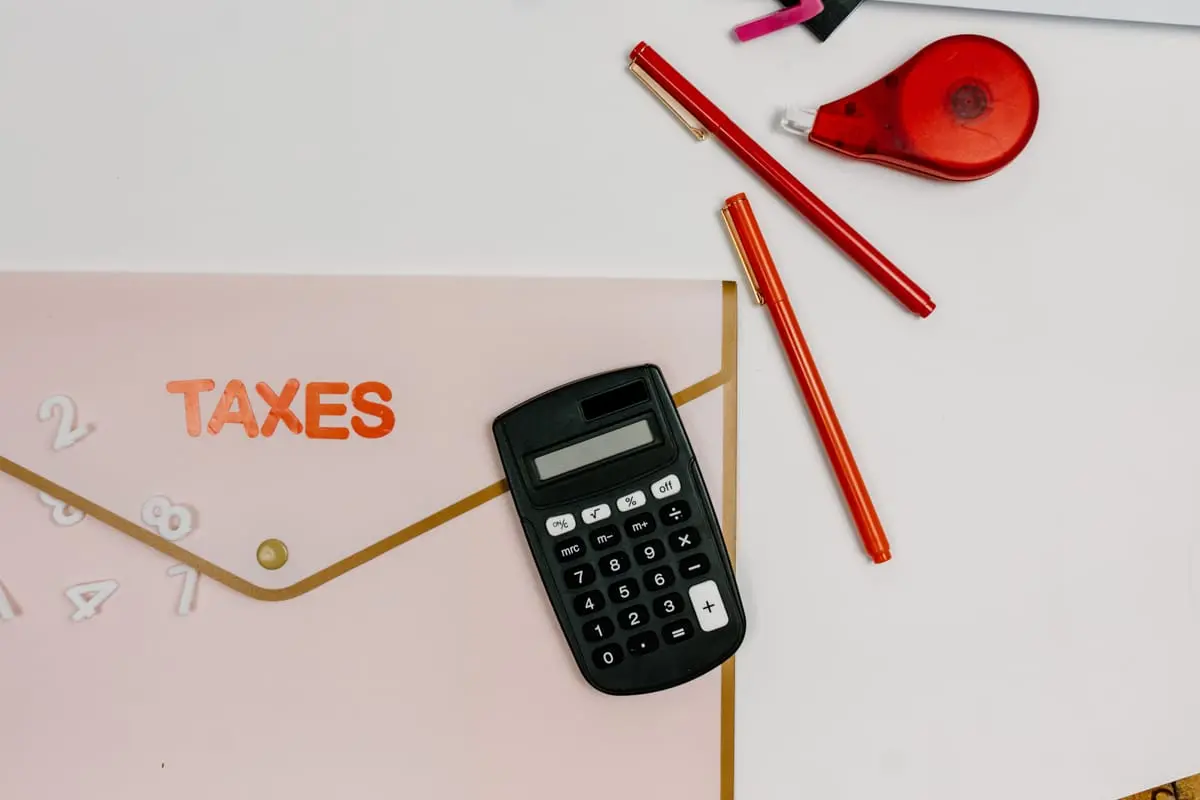
When you buy a house or condo in Mexico, on top of the property price you need to account for a series of costs that often catch first-time buyers by surprise. One of the most important is the ISAI (Impuesto Sobre Adquisición de Inmuebles, or Real Estate Acquisition Tax), a local tax that is always paid by the buyer, not the seller. In this guide we explain what it is, how it is calculated, how much you might pay depending on your state, and why you should not confuse it with the ISR (income tax) that falls on the seller.
What is the ISAI?
The Impuesto Sobre Adquisición de Inmuebles, known by its acronym ISAI, is a local levy generated every time ownership of a piece of real estate is transferred. In some states it is also called the Impuesto de Traslado de Dominio (property transfer tax) or simply "traslado de dominio," but it refers to the same thing: the payment that taxes the act of acquiring a house, condo, lot or commercial space.
Because it is a local tax, it is regulated not by the federal government but by each state and, in many cases, by each municipality. This means the rate, the calculation base and the available discounts can vary significantly depending on where the property is located. That is why it is essential to check the current local rate before closing any transaction.
Key fact
The ISAI is paid only once, at the time of the sale, and it applies regardless of whether the property is new or used, or whether it is bought with cash or with a mortgage. It is part of the closing costs (gastos de escrituración) you should budget for from the start.
Who pays the ISAI and who withholds it?
The ISAI is always paid by the buyer. It is one of the most significant expenses in the closing process (escrituración) and, together with notary fees and registration fees, makes up a large share of the additional cost of buying a home.
In practice, the party in charge of calculating, withholding and remitting this tax to the local authority is the notary public (notario público). When you formalize the deed (escritura), the notary includes the ISAI in the breakdown of costs, collects it as part of the transaction and pays it to the corresponding state or municipal treasury. That is why you will see this item in the budget the notary's office gives you before signing.
Don't confuse it with the down payment
The ISAI is on top of the property price and the down payment. As a general reference, closing costs as a whole usually represent a percentage of the property's value, so it is wise to set aside enough funds from the beginning. You can estimate them with our closing cost calculator.

How is the ISAI calculated?
The ISAI is calculated by applying a rate (or a fee schedule) to a taxable base. The general rule followed by most states is to use the highest value among three references:
- The transaction value: the price agreed upon in the sale.
- The appraisal value: the one determined by an authorized appraiser.
- The cadastral value: the one the local authority assigns to the property.
The authority takes the highest of those three values to prevent the price from being under-declared and the tax artificially reduced. The rate or fee schedule in effect in the state or municipality is then applied to that base. In some states the rate is flat; in others a progressive table is used, or a fee schedule with a fixed amount plus a percentage on the excess, so the exact calculation can vary.
Illustrative example
If you buy a property with a transaction value of one million pesos and that turns out to be the highest of the three values, and in your area the approximate rate were close to 3%, the ISAI would be around 30,000 pesos. This is only an illustrative example: the actual amount will depend on the local rate and the final taxable base.
How much ISAI do you pay by state?
There is no single nationwide rate. Each state sets its own percentage and, within a state, some municipalities adjust their fees. As a very general reference, rates usually fall in an approximate range of 2% to 5% of the taxable value, although there are cases below or above that range. The following table shows approximate, purely indicative ranges; always verify the current local rate with the treasury office or your notary.
| Area | Approximate rate | Note |
|---|---|---|
| Ciudad de México | Progressive schedule (~approx. 3% to 5%) | Depends on the property's value |
| Estado de México | Approximate range ~2% to 5% | Varies by municipality |
| Jalisco | Approximate range ~2% to 4% | Check the municipal rate |
| Nuevo León | Approximate range ~2% to 3% | Subject to annual updates |
| Other states | Approximate range ~2% to 5% | Consult the local revenue law (ley de ingresos) |
We stress again: the percentages above are only a general reference to give you an idea of the order of magnitude. Rates are updated every year through each state's or municipality's revenue law (ley de ingresos), and many use progressive tables rather than a flat percentage. To find out the exact figure you will pay, verify the current local rate and ask your notary for the specific calculation for your transaction.
When is the ISAI paid?
The ISAI is paid at the time of closing (escrituración), that is, when the sale is formalized before the notary and ownership is legally transferred. The notary usually requires payment as a condition for registering the deed with the Registro Público de la Propiedad (Public Property Registry).
Each state sets a deadline for remitting the tax once the transaction is signed. If payment is made outside that window, surcharges and adjustments may apply, so it is wise to have the funds ready before signing. In most cases, when handled through the notary's office, the process is covered within the same closing procedure.
- It is generated when the purchase deed is signed.
- The notary withholds it and remits it to the local authority.
- It must be paid within the deadline set by each state to avoid surcharges.
- Its receipt is part of your deed's file.
Difference between the ISAI and the seller's ISR
It is very common to confuse these two taxes, but they fall on different people and are different in nature. Being clear on this avoids misunderstandings when negotiating who pays what in a transaction.
ISAI (paid by the buyer)
- Local tax (state or municipal).
- Taxes the acquisition of the property.
- Calculated on the highest value.
- Withheld by the notary at closing.
ISR (paid by the seller)
- Federal income tax (impuesto sobre la renta).
- Taxes the gain from the sale.
- May have exemptions for a primary residence.
- Also usually calculated by the notary.
In short: the buyer bears the ISAI and the seller bears the ISR on the profit made from selling. If you are on the selling side, it is worth reviewing how that tax works in our guide to the ISR on the sale of a home. And if you are buying, remember to include the ISAI in your total closing budget.
Frequently asked questions about the ISAI
Do I still pay the ISAI if I buy with an INFONAVIT or bank loan?
Yes. The ISAI applies to every property transfer, regardless of the form of payment. When buying with a loan, this tax is usually included in the closing costs that are paid at signing.
Can I negotiate for the seller to pay the ISAI?
As a general rule, the ISAI is the buyer's responsibility. Although the parties can make private agreements, the legal obligation rests with the person acquiring the property, so it is best to budget for it yourself.
Are there discounts or reductions on the ISAI?
Some states offer incentives or reductions for social-interest housing, senior citizens or first-time purchases. These benefits vary by locality, so check with the treasury office or your notary whether they apply in your case.
How do I know the exact rate I will be charged?
The safest way is to consult the current revenue law (ley de ingresos) of your state or municipality and ask your notary for the specific calculation. The percentages circulating online are usually indicative and do not reflect progressive tables or annual updates.
Ready to take the step and buy your property?
Now that you know how the ISAI works, build it into your budget and find the ideal property. Explore our catalog and estimate the value of the home you are interested in.
Listings
Recent properties
 For sale
MX$1,440,000
Land
Land for Sale in Residencial Lomas del Dorado
Boca del Río, Veracruz
 For sale
MX$3,900,000
House
House for Sale in Las Lomas, Riviera Veracruzana | 3 Bedrooms with Private Bathrooms
Alvarado, Veracruz
 For sale
MX$10,900,000
Land
Attention Investors
Puerto Vallarta, Jalisco
Keep reading
Related articles

Mexico's Property Acquisition Tax (ISAI), Explained
What the ISAI is, who pays it in a property sale, how it is generally calculated, and why the amount varies depending on the state where you buy.
Carlos Mendoza
Living in Colonia Del Valle: Who It's For and What It Costs in 2026
Is living in Del Valle worth it? Prices by zone, getting around, earthquakes, water and who this Benito Juárez neighborhood suits, before you rent or buy.
Carlos Mendoza
Balconies and Terraces: How Much They Add to Your Condo's Value
How much do a balcony or terrace really add to a condo's value? Learn which factors drive their real impact and what to check before overpaying for outdoor square footage.
María Elena Rodríguez

How Much Does It Cost to Close on a Home in Mexico, by State (2026)
Closing on a home (escrituración) costs between 4% and 8% of its value, but it varies widely by state because of the ISAI and registration fees.
Carlos Mendoza
Legal and paperwork
Keep learning before you decide
102 guides on legal and paperwork, and thousands of properties listed across Mexico.