

Security Deposit in Mexico: When and How You Get It Back
A practical guide to getting your rental security deposit back in Mexico: deadlines, valid deductions, key documents and what to do if your landlord won't return it.

For many tenants, the security deposit is money that "disappears" when they move out. It shouldn't work that way: the deposit is a fund that belongs to you, and the landlord can only withhold part of it for justified, provable reasons. Whether you're about to leave a rental or about to sign a new lease, understanding how rental deposit refunds work will save you money, time and unnecessary arguments.
Important notice: this article is for informational purposes only and does not replace advice from an attorney specializing in rental law. Rental laws vary by state in Mexico (the local Código Civil and, in some cases, special housing-rental laws), so always confirm the exact deadlines and requirements that apply in your state before making any important decisions.
What a security deposit is and what it's for
The security deposit (commonly one or two months' rent) is an amount the tenant hands over at the start of the lease to cover possible damage to the property or unpaid rent when the tenancy ends. It is not an extra payment or an "additional rent": it remains the tenant's money, and the landlord may only use it to cover specific items that were agreed in advance or that are justified by real damage.
It's important to distinguish it from other charges that are sometimes collected at signing: the real-estate agency's commission, rental insurance, or a guarantee (fianza) provided through a third party. Each has different refund rules, and your rental agreement should state clearly which is which.
When the deposit must be returned
There is no single nationwide deadline: each state's Código Civil regulates rentals differently, and many leases simply don't specify a deadline, which is a common source of conflict. As a rough guide, market practice typically allows 15 to 30 calendar days after you physically hand back the property and the two parties jointly review its condition, but this can vary and should be confirmed against what your lease says or with a professional.
| Condition | Expected effect on the deposit |
|---|---|
| Property returned undamaged, rent up to date | Full refund within the agreed period |
| Normal wear and tear (faded paint, minor marks) | Should not be deducted; it counts as normal use |
| Provable damage beyond normal use (breakage, severe stains, missing items) | Deduction proportional to the actual repair cost, backed by evidence |
| Unpaid rent or utilities | May be offset against the deposit, ideally with an itemized breakdown |
| Lease with no refund-deadline clause | The local Código Civil applies or, failing that, a reasonable period |
Valid and invalid deductions
The biggest point of friction between landlord and tenant is what can be deducted from the deposit. As a general rule, natural wear from the passage of time (paint that dulls, carpet with normal use, small marks left by furniture) is not a valid reason for a deduction, because it is inherent to living in a space.
- Valid deductions: broken windows, large unauthorized holes in walls, appliances damaged through misuse, lost keys or access controls, deep cleaning if the property is returned in poor condition, unpaid rent or utilities.
- Should not be deducted: normal paint wear, small nail marks from hanging pictures, sun fading, normal operation of fixtures that were already old when you moved in.
- Gray area worth documenting well: included appliances or furniture that wear out over time; here a "remaining useful life" standard is usually applied to prorate the cost.
Practical tip: always ask that any deduction come with evidence (photos, a repair quote or invoice). A landlord who withholds the deposit without documented justification is in a weak legal position if the dispute escalates.
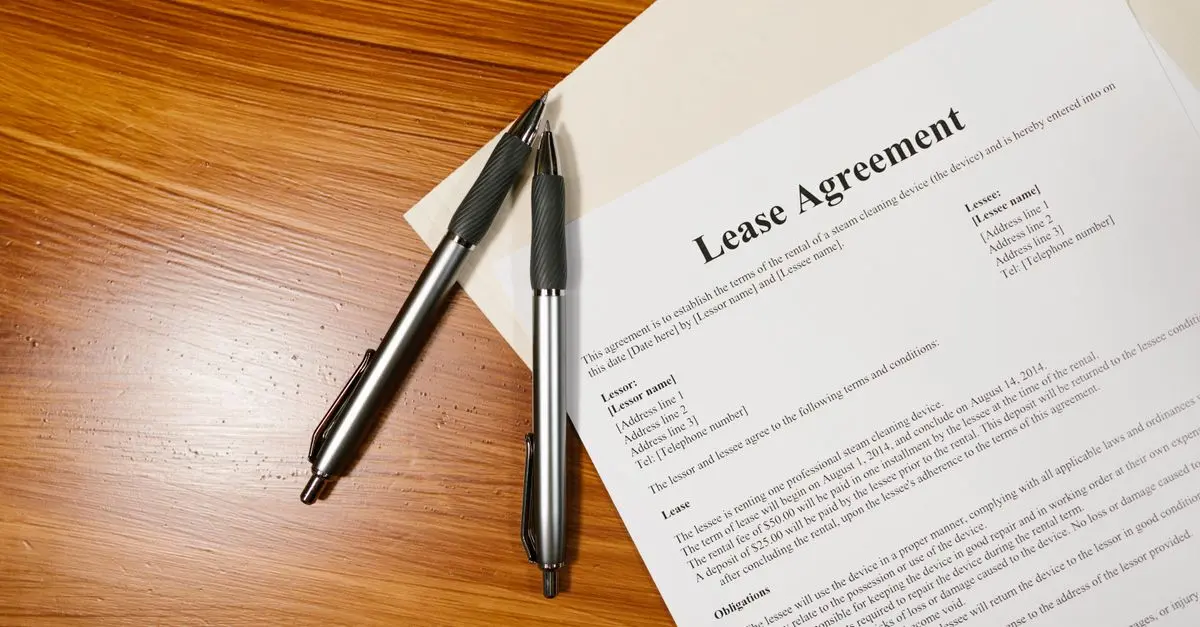
Key documents to protect your deposit
The best defense for recovering your full deposit starts the day you receive the keys, not when you're ready to move out. These are the items that make the difference:
- Inventory and move-in report: a document signed by both parties at the start of the lease, ideally with dated photos and/or video of the property's condition, any included furnishings and meter readings.
- Lease with a specific deposit clause: it should state the amount, the conditions for withholding and, if possible, a specific refund deadline. Review templates such as this rental agreement template to see which clauses shouldn't be missing.
- Proof of deposit payment: a bank transfer, receipt or any record showing the amount delivered and the date.
- Move-out report: repeat the initial inventory exercise when you hand back the property, comparing condition and working order.
- Proof that rent and utilities are paid up to date: to rule out any claim of unpaid balances.
Knowing your tenant rights in Mexico before you sign gives you a solid basis for negotiating fair terms from the start, not just at the end of the lease.
What to do if the landlord doesn't return the deposit
If the agreed deadline (or a reasonable one, where the lease has no clause) has passed and the landlord is unresponsive or refuses to return the deposit without justification, here is a practical, step-by-step path:
- Request the refund in writing (email or a message with read receipt), citing the lease and attaching the move-out report.
- If there are deductions that don't seem justified, ask for an itemized breakdown and the evidence for each one.
- Go to the Procuraduría Social (PROSOC) or your state's housing institute, if one exists. Deposit and rent disputes between landlord and tenant are generally treated as civil matters and, in practice, fall outside the jurisdiction of PROFECO (which handles consumer relationships with providers of goods and services, not rentals between private individuals).
- As a last resort, you can file a civil lawsuit for breach of contract; for small amounts, some states have faster oral civil proceedings (juicios orales civiles) for this type of dispute.
Recommendation: keep all communication in writing throughout the move-out and refund process. WhatsApp messages, emails and dated photos are usually the most useful evidence if the case reaches formal proceedings.
Watch out for: signing a "settlement letter" (carta de finiquito) or a "release receipt" without first reviewing the complete breakdown of deductions. Once signed, it can make later claims difficult.
Frequently asked questions
How long does the landlord have to return my rental deposit?
There is no single nationwide deadline; it depends on each state's Código Civil and on what your lease says. As a rough guide, the market typically allows between 15 and 30 calendar days after the property is handed back and inspected, but you should confirm this in your lease or with a local professional.
What damage can the landlord deduct from the deposit?
Only provable damage beyond normal wear and tear, such as breakage, severe stains, missing included furniture or appliances, or unpaid rent and utilities. Natural wear from everyday use should not be deducted.
What do I do if my landlord won't return the deposit?
Request the refund in writing citing the lease, ask for an itemized breakdown of any deductions with evidence, and if there's no response, go to the Procuraduría Social or your state's housing institute, if one exists (PROFECO generally does not handle rental disputes between private individuals). As a last resort, you can file a civil lawsuit.
Can the deposit be used to pay the last month's rent?
Generally not, unless the lease expressly allows it. The deposit is meant to cover damage or unpaid balances at the end of the tenancy, not to substitute for the last month's rent, unless both parties agree to it in writing.
Looking for your next rental or want to list your property?
Listings
Recent properties
 For sale
MX$1,440,000
Land
Land for Sale in Residencial Lomas del Dorado
Boca del Río, Veracruz
 For sale
MX$3,900,000
House
House for Sale in Las Lomas, Riviera Veracruzana | 3 Bedrooms with Private Bathrooms
Alvarado, Veracruz
 For sale
MX$10,900,000
Land
Attention Investors
Puerto Vallarta, Jalisco
Keep reading
Related articles

Renting With or Without a Deposit: What's Most Common Today
Renting with or without a security deposit: what's most common in Mexico today, what protects the landlord, and how to negotiate if you don't have all the cash.
Carlos Mendoza
Student Rental Season: When to Start Listing Your Property
When to list your property based on the student rental season in Mexico, so you can attract tenants before the school year begins.
Carlos Mendoza

Pre-Sale Guarantee Trust: What Really Protects You
What a guarantee trust (fideicomiso de garantía) in a pre-sale does and doesn't protect, who gets paid first, which clauses to read, and how to verify it before reserving your home or condo.
Inmobiliaria32 Team

Managing a Rental Property From a Distance
A practical guide to managing a rental property when you don't live nearby: rent collection, maintenance.
María Elena Rodríguez
Renting and leases
Keep learning before you decide
99 guides on renting and leases, and thousands of properties listed across Mexico.