

How to Choose a Good Tenant and Avoid Late Payers
Learn how to choose a tenant with clear criteria: which documents to request and how to verify references and income.

Choosing the right tenant is probably the most important decision you will make as a landlord. A good screening process considerably reduces the risk of missed payments, disputes and wear and tear on the property, while a rushed choice can turn into months of headaches and financial losses. Here we explain, step by step, how to choose a tenant using objective, verifiable criteria, without falling into discrimination or basing decisions solely on a "good impression."
Important notice
This article is for informational purposes only and does not replace the advice of an attorney, property manager or certified real estate professional. Rental laws vary by state in Mexico; always confirm the requirements in force in your area before signing any contract.
Why tenant screening matters so much
A poor screening process is usually the source of most rental problems: overdue rent, damage to the property, conflicts with neighbors or, in the worst case, long and costly eviction proceedings. When you understand how to choose a tenant systematically, you reduce uncertainty and protect both your income stream and the value of your property.
The best approach is to treat every application with the same objective criteria: verifiable ability to pay, track record as a tenant and overall stability. This not only protects you legally by avoiding discriminatory decisions, it also gives you a clear framework for comparing several candidates fairly.
If you have doubts about the right rental price before listing your property, you can rely on tools like the rent calculator to set realistic expectations from the start.
Documents you should request
Before moving forward with any candidate, ask for a standard package of documents. This lets you compare applications consistently and spot inconsistencies early.
| Document | What it's for |
|---|---|
| Valid official ID | Confirm identity and real contact details |
| Proof of address | Verify current residence and stability |
| Proof of income (pay stubs or bank statements) | Assess real ability to pay, not just what is claimed |
| References from previous landlords | Learn their payment history and past behavior |
| Details of a guarantor or joint obligor (aval u obligado solidario), if applicable | Additional backing in case of default |
A well-structured contract also protects both parties. You can review a reference model in our article on the lease agreement before drafting your own.
How to verify income and ability to pay
A commonly used rule of thumb in the market is that monthly rent should not exceed roughly one third of the tenant's net income. This ratio is only a general guideline; adjust it based on the candidate's profile and the context of your city.
- Request at least two or three months of proof of income to rule out one-time fluctuations.
- Check that what the candidate states matches the documents provided. If the candidate says they work at a company but the pay stubs don't match, that's a sign to dig deeper.
- Consider a guarantor (aval) or a security deposit when income is variable (freelancers, self-employed business owners) or hard to document formally.
- Ask for bank references or employment letters as additional support when the case warrants it.
Practical tip
Don't rely solely on first impressions. A friendly, well-dressed candidate is no guarantee of on-time payments. Objective documentation should always carry more weight than personal perception.
References and background
Contacting previous landlords directly is one of the most revealing steps in the process. Ask specifically about payment punctuality, care of the property, relationship with neighbors and the reason for leaving. If the candidate refuses to provide this information or only offers references from relatives, treat it as a red flag.
It's also a good idea to look for basic matches: the name on the ID should match the name on the proof of income, and contact information (phone, email) should be consistent throughout the entire process.
If the property will be rented through a third party or platform, also check how to protect yourself from common scams in the sector by consulting our guide on common real estate scams in Mexico.
Red flags to avoid
Pay attention to these signs
- Excessive rush to sign without reviewing the contract or asking questions.
- Reluctance to hand over the documents or proof requested.
- An offer to pay several months in advance in cash with no clear explanation.
- References who don't respond or give evasive answers.
- Inconsistencies between what is said verbally and the documents provided.
- A recent history of frequent moves with no apparent justification.
No single sign is conclusive on its own, but several combined should prompt you to dig deeper before moving forward. Also remember that, as a landlord, you have legal obligations to the tenant once the contract is signed; it's wise to learn them in advance by reviewing tenant rights in Mexico.
How to formalize the relationship once you've chosen
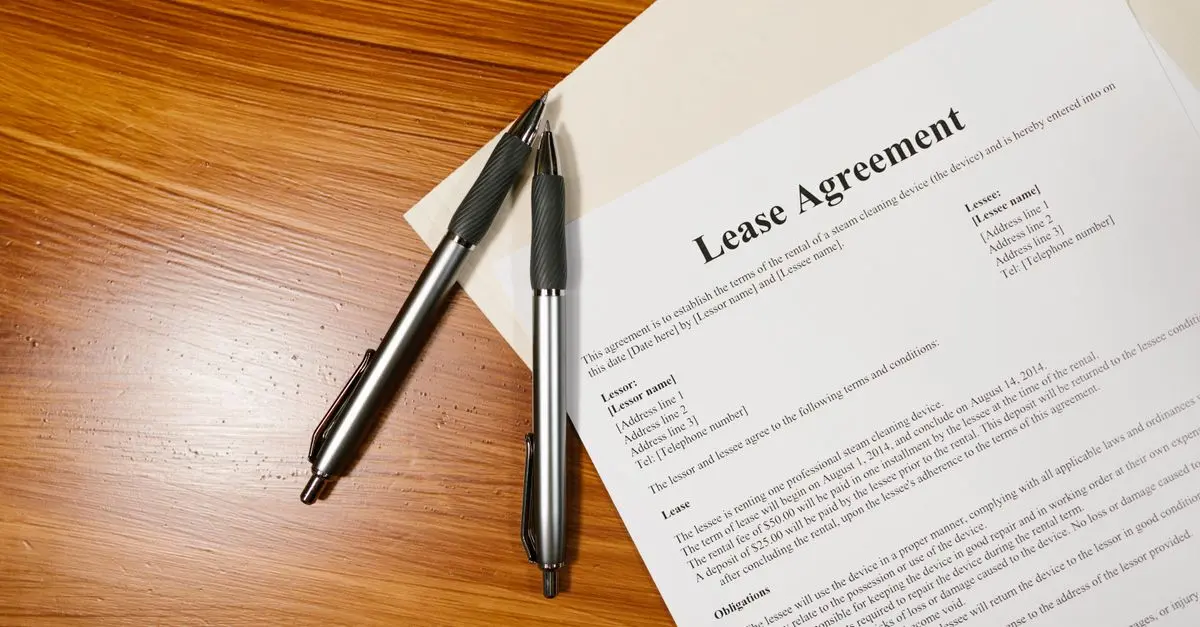
Once you've decided on a candidate, put everything in writing. A clear contract, with payment terms, security deposit, maintenance responsibilities and grounds for termination, drastically reduces future disputes.
- Draft or adapt a complete lease agreement, ideally reviewed by a professional.
- Clearly define the amount of the security deposit and the conditions for its return.
- Set a monthly payment deadline and specific consequences for late payment.
- Document the condition of the property at handover, with photographs and an inventory signed by both parties.
- Keep a copy of all the documentation from the screening process.
Additional best practices
Consider repeating the evaluation each time the lease is renewed, especially if there have been changes in the tenant's employment situation. Keeping open, documented communication throughout the entire rental relationship prevents misunderstandings and makes it easier to resolve any issue that arises.
Frequently asked questions
What share of income should rent represent?
As a general guideline, rent should not exceed roughly one third of the tenant's monthly net income, although this figure can vary depending on the city, the candidate's profile and local market conditions.
Is it mandatory to require a guarantor (aval) to rent?
It isn't always mandatory, but it is a common and advisable practice, especially when the tenant's income is variable or hard to document. The guarantor acts as additional backing in case of default.
How can I verify whether a candidate is telling the truth about their income?
Request several months of proof of income, compare the information with their ID and contact details, and, if possible, confirm directly with the employer or through bank references.
What should I do if the ideal candidate has no references from previous landlords?
If it's their first time renting, you can compensate with solid employment references, a guarantor with verifiable property or a larger security deposit, always within what local regulations allow.
Ready to list your property for rent?
Find reliable tenants and manage your screening process with Inmobiliaria32's tools.
Listings
Recent properties
 For sale
MX$1,440,000
Land
Land for Sale in Residencial Lomas del Dorado
Boca del Río, Veracruz
 For sale
MX$3,900,000
House
House for Sale in Las Lomas, Riviera Veracruzana | 3 Bedrooms with Private Bathrooms
Alvarado, Veracruz
 For sale
MX$10,900,000
Land
Attention Investors
Puerto Vallarta, Jalisco
Keep reading
Related articles

How Much Extra to Pay for Fast Internet When Choosing a Home
If you work remotely, fast internet can justify a higher rent. Here's how to calculate whether the premium is actually worth it.
Carlos Mendoza

How to Keep Squatters Off Your Vacant Lot: Prevention Guide
How to prevent the invasion of a vacant lot in Mexico: paperwork in order, fencing, visits, predial and proof of possession. Concrete steps before it happens.
Inmobiliaria32 Team

Delinquent Condo Fees: What the Owners' Assembly Can Do
Neighbors behind on condo fees: what the assembly can do, what is off-limits, how to collect through an executory civil action, and how to set up a payment agreement.
Inmobiliaria32 Team
Landlord-Tenant Mediation: Resolve Rental Disputes Faster
Before going to court, mediation between landlord and tenant offers a faster, cheaper way to resolve rental disputes.
Carlos Mendoza
Renting and leases
Keep learning before you decide
99 guides on renting and leases, and thousands of properties listed across Mexico.