

Bajío Real Estate: Why It's Growing and Where to Buy
Nearshoring has turned the Bajío into one of the most dynamic regions in the country.
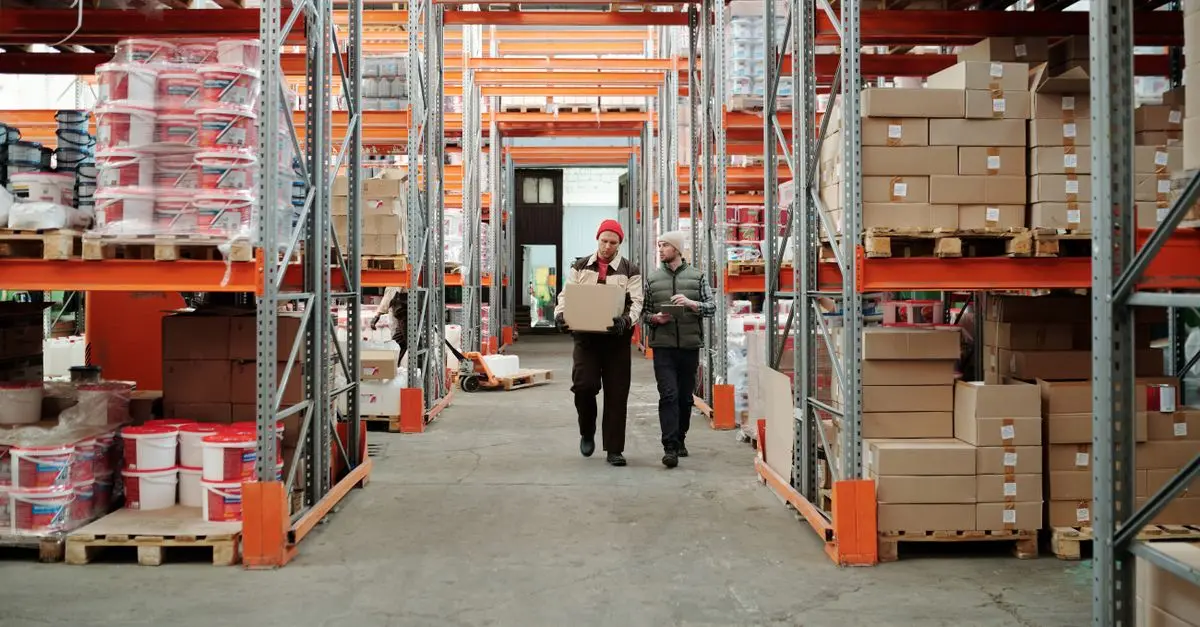
For several years now, the Bajío has been one of the most frequently mentioned names when people talk about real estate growth in Mexico. A combination of logistics location, industrial infrastructure, and the arrival of companies driven by nearshoring has put states like Guanajuato, Querétaro, Aguascalientes, and San Luis Potosí on the radar of anyone looking to invest in Bajío real estate, whether in residential properties, industrial warehouses, or commercial spaces. In this guide we review why the region is growing, which factors are worth evaluating before you buy, and which areas come up most often in the market.
Important notice
This article is for informational and educational purposes; it does not constitute investment, financial, or tax advice. Prices, appreciation, and real estate demand vary by city, neighborhood (colonia), and market timing. Before buying or investing, consult official sources, do your own market research, and seek the guidance of a certified real estate or financial advisor.
What is the Bajío and why does it matter?
The Bajío is a region in central Mexico that, depending on the definition used, usually includes parts of Guanajuato, Querétaro, Aguascalientes, San Luis Potosí, Jalisco, and Michoacán. It has no single political boundary, but it shares traits that made it attractive to industry: relative proximity to Ciudad de México and Guadalajara, good highway and rail connectivity to the center and north of the country, and a manufacturing tradition—automotive, auto parts, and agro-industrial—that already existed before the recent boom.
When people talk about "investing in real estate in the Bajío," they are usually referring to a group of mid-sized cities that grew rapidly over the past decade and that now concentrate a significant share of the country's industrial and housing investment.
The idea in a nutshell
The Bajío is not a single city or a single market: it is a corridor of cities that benefit, to varying degrees, from industrial and logistics activity. That is why it pays to analyze each city and each area separately before making a purchase decision.
Why the Bajío real estate market is growing
Several factors explain the region's momentum, and they tend to reinforce one another:
- Nearshoring and manufacturing relocation: companies looking to produce closer to the United States have set up or expanded plants in the region, which creates demand for industrial warehouses and, later, for housing for the workforce that arrives to staff them.
- Established logistics infrastructure: highways, railroads, and industrial parks with years of operation make it easier for new companies to get up and running quickly.
- Relatively more affordable costs than other metropolitan areas: land, construction, and in some cases housing can be more affordable than in Ciudad de México, Monterrey, or Guadalajara, although this varies widely by city and has been changing as demand rises.
- Population growth and internal migration: the arrival of skilled workers and their families drives demand for rental and for-sale housing, as well as for retail and services.
- Supply-chain clustering: when an assembly plant or a large factory arrives, suppliers and service companies tend to follow, multiplying the effect on the local real estate market.
It is important to note that this growth is not uniform: some cities and industrial corridors concentrate far more activity than others, and the pace can shift with the economic cycle, international trade policy, and specific corporate decisions.
Cities and areas commonly analyzed
There is no official or closed list, but these are some of the cities that appear most often in Bajío real estate investment analysis. The data is indicative and does not replace a market study specific to your case:
| City / area | Predominant profile | What usually drives demand |
|---|---|---|
| Querétaro (capital and industrial corridor) | Industrial, mid-range and high-end residential | Aerospace, automotive, and proximity to CDMX |
| León and Irapuato-Silao (Guanajuato) | Industrial, commercial, and residential | Automotive, footwear, and international airport |
| Aguascalientes | Industrial and residential | Automotive manufacturing and orderly urban growth |
| San Luis Potosí | Industrial and logistics | Central geographic position and industrial parks |
| Celaya and the Bajío-Centro corridor | Expanding industrial, emerging residential | Intermediate location between established industrial hubs |
Within each city, demand is not evenly distributed either: it tends to concentrate near industrial parks, highway corridors, and areas with new road or service infrastructure. Before settling on a city, it is worth reviewing available properties and comparing prices in specific areas for houses, apartments, and land, as well as exploring the overall picture by city on Inmobiliaria32.
Types of real estate investment in the region
The Bajío's growth is not limited to housing. These are the segments that attract capital most often:
Residential housing
The arrival of skilled personnel—engineers, managers, and relocating families—drives demand for rental and for-sale housing, both in new developments and in established neighborhoods (colonias). This demand tends to concentrate near workplaces, international schools, and commercial corridors.
Industrial warehouses and logistics parks
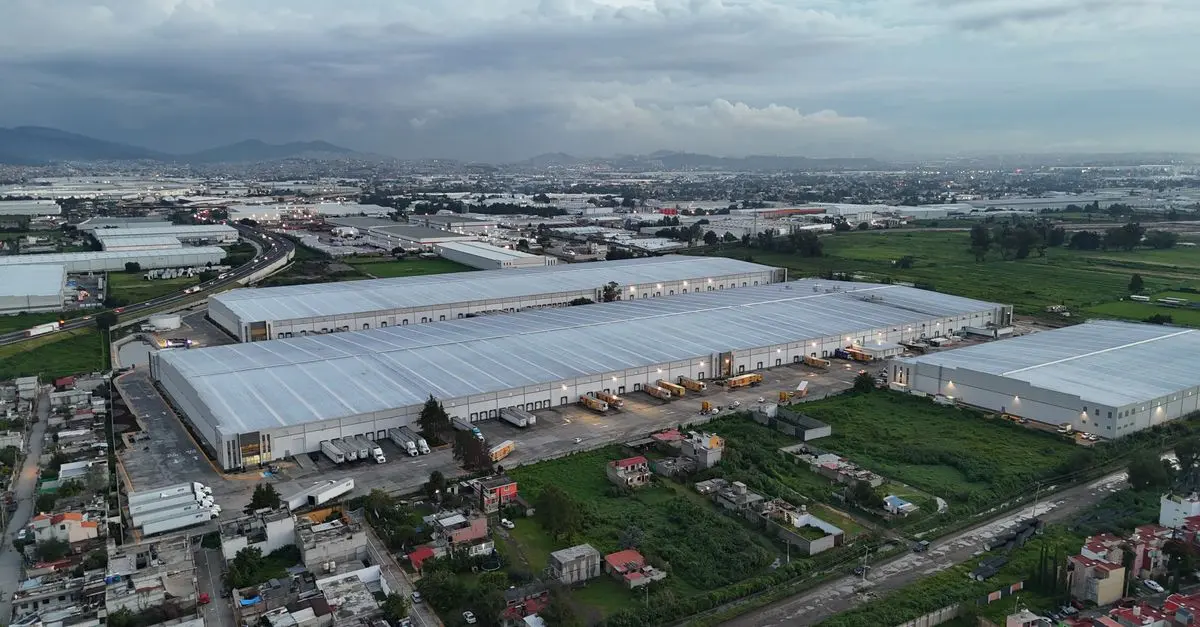
This is the segment most directly tied to nearshoring. Demand comes from manufacturers, suppliers, and logistics operators that need space near highways and railroads. It usually requires higher capital and technical knowledge of the industrial sector.
Retail units and commercial spaces
Population growth brings demand for retail, restaurants, and services. Areas near new residential developments or office corridors are usually the most closely analyzed for this type of investment.
Land in expansion areas
Some investors look for land on the outskirts of growing cities, betting on future appreciation as the urban or industrial footprint expands. This type of investment tends to have longer time horizons and requires careful verification of the authorized land use.
Not all of the Bajío moves the same way
Within a single city there can be areas with high demand and others with stagnant supply. Before investing, it pays to review concrete factors of the area—not just the name of the city—such as nearby industrial occupancy, announced infrastructure projects, and recent price behavior.
What to evaluate before buying
Before investing in Bajío real estate, it is advisable to review the following points, beyond the general enthusiasm for the region:
- Land use and urban development plans: verify that the lot or area is zoned for what you plan (residential, commercial, or industrial) and check whether infrastructure projects have been announced nearby.
- Price per square meter in the area: compare several similar properties in the same neighborhood (colonia) to see whether the asking price is in line with the market; see our guide on the price per m2 in Mexico as a general reference.
- Legal status of the property: request the certificado de libertad de gravamen (certificate of no liens) and review the complete documentation before signing any agreement; you can use a document checklist to help.
- Dependence on a single industry or company: if an area grew around one specific plant, assess how diversified the local economic base is, since the departure of a major employer can hurt demand.
- Total cost of the transaction: factor in taxes, deed registration (escrituración), and notary fees, which vary by state; see how much spending can differ by state in our comparison of closing costs by state.
- Investment horizon: define whether you are seeking rental income, medium-term appreciation, or personal use, since each goal points to different areas and property types.
If your interest is renting out the property while it appreciates, it is also worth understanding plusvalía (appreciation) and the factors that increase it, and calculating the purchase-related costs in advance with the closing cost calculator.
Risks and warning signs
Optimism around the Bajío does not eliminate the usual risks of any real estate investment. A few points to keep in mind:
Favorable factors
- Sustained demand driven by industrial and logistics activity.
- Population growth in several mid-sized cities.
- Well-established highway and rail infrastructure.
- A variety of segments: housing, industrial, and commercial.
Risks to consider
- Prices that have risen quickly in specific areas, leaving less room for future appreciation.
- Dependence on foreign investment decisions and international trade policy.
- Housing supply that may outpace real demand in some new areas.
- Notable differences in infrastructure and services between neighborhoods (colonias) within the same city.
Before closing any transaction, always verify the seller's identity and the legal status of the property, and avoid payments or deposits outside formal channels; read our guide on common real estate scams to recognize warning signs.
Before you decide
No region grows indefinitely at the same pace. Look up current figures for the city you are interested in, visit the area at different times of day, talk to local residents, and, if possible, consult a real estate advisor with specific experience in the Bajío before committing capital.
Frequently asked questions
Which states make up the Bajío real estate region?
There is no single definition, but it usually includes Guanajuato, Querétaro, Aguascalientes, San Luis Potosí, and parts of Jalisco and Michoacán. The exact boundaries change depending on the source and the purpose of the analysis.
Is it a good time to invest in real estate in the Bajío?
It depends on the city, the specific area, and your goals. The region has shown momentum thanks to nearshoring, but that does not guarantee returns everywhere: it pays to analyze current prices, available supply, and infrastructure projections before deciding.
Is it better to invest in housing or industrial warehouses?
Each segment has different capital requirements, risk levels, and time horizons. Housing usually requires less upfront capital and is more accessible to individual investors, while industrial warehouses tend to involve larger sums and specialized knowledge of the sector.
What is the risk that the Bajío's growth will slow down?
It exists, as in any region that depends on industrial investment and international trade. Changes in trade policy, decisions by specific companies, or oversupply in certain areas can affect the pace of growth, so diversifying and analyzing each case individually is advisable.
Ready to explore the Bajío market?
Browse available properties in Bajío cities and estimate a property's value before making your decision.
Listings
Recent properties
 For sale
MX$1,440,000
Land
Land for Sale in Residencial Lomas del Dorado
Boca del Río, Veracruz
 For sale
MX$3,900,000
House
House for Sale in Las Lomas, Riviera Veracruzana | 3 Bedrooms with Private Bathrooms
Alvarado, Veracruz
 For sale
MX$10,900,000
Land
Attention Investors
Puerto Vallarta, Jalisco
Keep reading
Related articles
Where to Buy an Affordable Home in Edomex on a Low Budget
A practical guide to finding cheap homes in the State of Mexico (Estado de México): affordable municipalities and ballpark price ranges.
María Elena Rodríguez

Saltillo Neighborhoods: Where Property Values Are Rising
We look at the Saltillo colonias with the strongest appreciation outlook, driven by the region's industrial and automotive growth.
Carlos Mendoza
Juriquilla vs. Zibatá: Where to Buy in Querétaro
Juriquilla or Zibatá? We compare appreciation, price per m2, roads, schools and lifestyle to help you decide where to buy in Querétaro.
María Elena Rodríguez
Where to Buy an Affordable Home Near CDMX in 2026: Commuter Towns
Tecámac, Zumpango, Tizayuca and Huehuetoca: where to buy an affordable home near Mexico City in 2026, with approximate prices, the AIFA train effect and commuting tips.
Carlos Mendoza
City guides
Keep learning before you decide
158 guides on city guides, and thousands of properties listed across Mexico.