

How USMCA Shapes Real Estate Demand Across Mexico's Regions
USMCA and Mexican real estate are increasingly linked: see how the trade agreement is reshaping demand for industrial land, housing and commercial space.
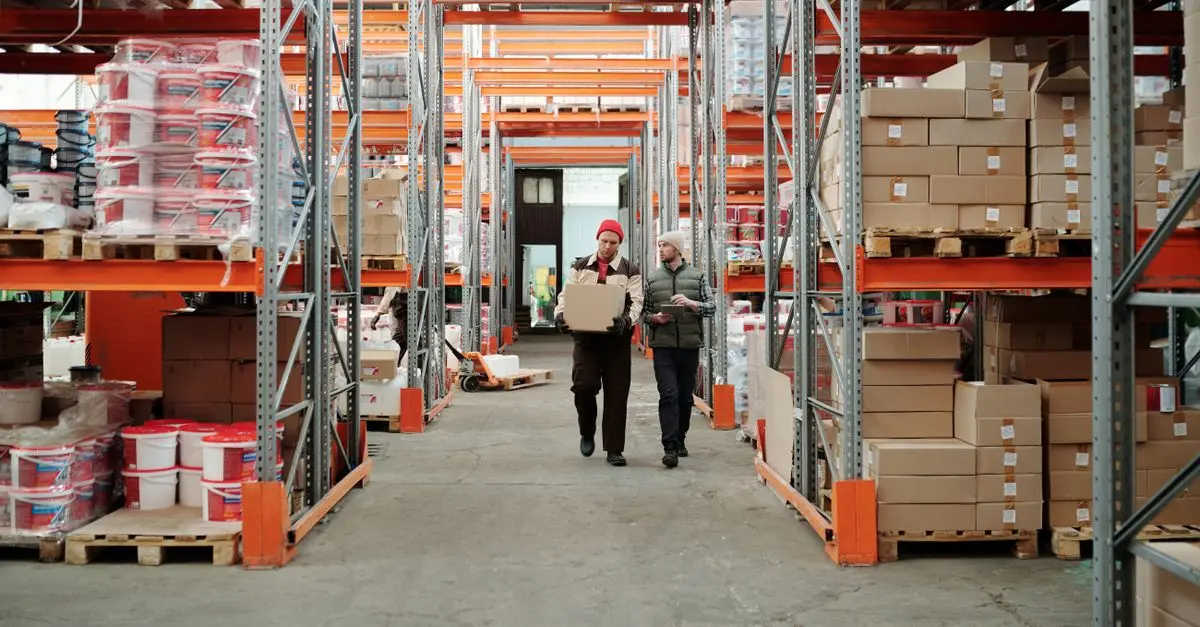
The agreement between Mexico, the United States and Canada (known in Mexico as the T-MEC and in the US as the USMCA) does more than set trade rules: it is also redrawing the country's real estate map. The relationship between USMCA and real estate in Mexico has become one of the topics most frequently raised by investors, developers and families looking for homes in industrial corridors. In this article we review, region by region, how the agreement — and its periodic review — is shifting demand for industrial land, housing and commercial space.
Important notice
This article is for informational purposes only and does not constitute legal, tax or investment advice. The terms of USMCA, its reviews and its economic impact change over time and vary by sector. Before making any purchase, investment or development decisions, consult a real estate advisor, an attorney specializing in foreign trade, or an accountant with experience in the field.
What USMCA is and why it affects real estate
USMCA (T-MEC in Spanish) is the trade agreement that replaced NAFTA (TLCAN in Spanish) and governs the exchange of goods, services and investment among Mexico, the United States and Canada. Its relevance to real estate comes not from the legal text itself but from what it triggers in the real economy: companies deciding to set up plants, distribution centers and offices in Mexico to supply the North American market under more favorable rules of origin.
This phenomenon, known as nearshoring, has driven demand for industrial warehouses, land zoned for industrial use, housing for workers and skilled personnel, and supporting commercial space (restaurants, hotels, offices) around manufacturing hubs. If you want to dig deeper into the full picture, see our guide on nearshoring and the real estate market in Mexico.
The agreement also includes a joint review scheduled at set intervals, which creates cycles of uncertainty and confidence that show up, with some lag, in real estate investment decisions. That is why it is important to follow official announcements closely and not base decisions on expectations alone.
Key point
USMCA's impact on real estate is not uniform: it varies widely depending on proximity to the border, existing logistics infrastructure and each region's industrial profile.
The northern border: the industrial heartland
Border cities such as Tijuana, Ciudad Juárez and Reynosa concentrate much of the export-oriented manufacturing activity. Their physical proximity to the United States — with international crossings a short distance away — reduces logistics costs and transit times, making them a preferred destination for companies looking to take advantage of USMCA's rules of origin.
Monterrey and Saltillo, although not border cities in the strict sense (they sit a couple of hours or more from the line), are part of the same northeastern economic corridor and share much of that dynamic: road and rail infrastructure connected to the northern crossings, a mature industrial ecosystem (automotive, auto parts, metalworking) and real estate demand that responds to the same factors, though with nuances typical of larger, more diversified cities than the strictly border markets.
Across these northern cities — both border cities and those of the Monterrey corridor — demand pressure shows up on several fronts:
- Industrial land: parks and warehouses with good connectivity to highways and border crossings tend to have limited availability and short absorption times.
- Mid-range and affordable housing: the arrival of formal employment attracts internal migration, putting pressure on rental and for-sale housing near industrial parks.
- Housing for executives and foreign personnel: premium residential and furnished-rental segments are growing in cities with a presence of foreign managers and technical staff.
- Retail and services: shopping centers, hotels and corporate offices are expanding in support of industrial activity.
If you are exploring opportunities in these cities, it is wise to first review indicators of price per square meter and property appreciation (plusvalía) before committing capital.
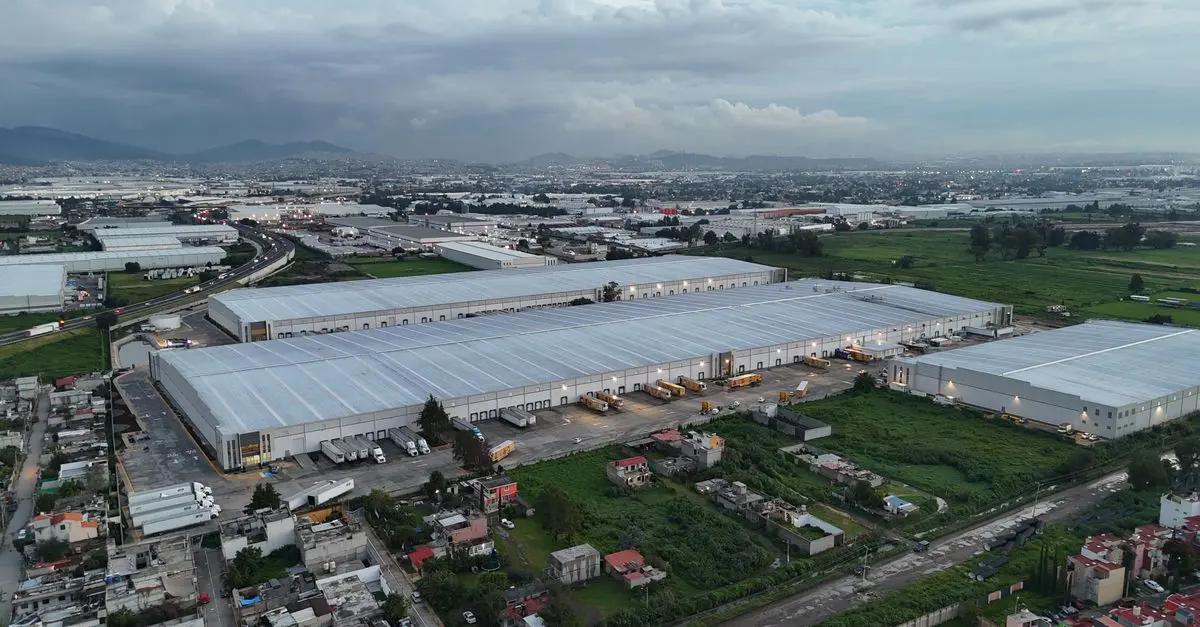
The Bajío: advanced manufacturing and housing
The Bajío corridor — which includes Querétaro, Guanajuato, San Luis Potosí and Aguascalientes — has established itself as an advanced manufacturing hub: automotive, auto parts, aerospace and electronics. Unlike the northern border, its appeal here combines road and rail infrastructure toward the center of the country, skilled labor and a quality of life that has proven attractive to both companies and families.
Real estate demand in the Bajío tends to break down as follows:
| Segment | Observed trend | Most active areas |
|---|---|---|
| Industrial warehouses | High absorption, little Class A availability | Peripheral logistics corridors |
| Mid-range and upscale housing | Steady growth, appreciation rising | Areas near industrial parks |
| Affordable housing (vivienda de interés social) | Strong demand, limited supply in some cities | Urban outskirts with transit access |
| Offices and retail | Moderate growth, tied to corporate services | Established urban centers |
It is important to remember that these trends are general and indicative: the speed and magnitude of growth vary by municipality, specific infrastructure project and the economic cycle of the moment.
Central, southern and southeastern Mexico: the next frontier
Unlike the northern border and the Bajío, central, southern and southeastern Mexico do not yet have a uniform industrial profile: each state is developing a different specialty, and USMCA's effect is felt more unevenly and at a slower pace.
Puebla is, together with the Estado de México, the most established market in this group. It has an industrial base going back several decades in the automotive sector (assembly plants and auto parts suppliers) and has been adding activity related to the aerospace sector, which sustains demand for industrial warehouses and mid-range housing for technical staff in municipalities near its industrial parks. The Estado de México, thanks to its proximity and connectivity to Ciudad de México, concentrates mainly logistics and distribution demand (warehouse hubs and last-mile facilities) rather than heavy manufacturing.
Yucatán, and in particular the Mérida metropolitan area, has drawn interest for its stability, quality of life and energy and logistics infrastructure projects, although its direct link to USMCA is still less clear than that of Puebla or northern Mexico. The Isthmus of Tehuantepec and other points in the southeast have also been mentioned in development plans for their logistics potential between the Gulf of Mexico and the Pacific, but their consolidation as a relevant hub for USMCA remains at an early stage and depends on infrastructure projects that are currently at various phases of progress.
| Area | Main specialty | Level of maturity |
|---|---|---|
| Puebla and nearby industrial municipalities | Automotive, auto parts, aerospace | Established, with moderate expansion |
| Estado de México (logistics corridors) | Logistics, distribution, warehousing | Established, tied to consumption in central Mexico |
| Yucatán / Mérida metropolitan area | Services, energy, emerging logistics | Developing, less direct USMCA link |
| Isthmus of Tehuantepec and the southeast | Interoceanic logistics (project under construction) | Early stage, depends on future infrastructure |
In these regions, the advice for buyers and investors is twofold:
- Verify the actual progress of infrastructure projects (highways, ports, railways) before anticipating future appreciation.
- Check the current zoning (uso de suelo) and the legal certainty of the property, especially in areas of recent growth.
To validate the legal status of any property before buying, it is advisable to request the certificate of freedom from liens (certificado de libertad de gravamen) and review the documents needed to buy a home.
Regional demand comparison
By way of summary, here is how the three major regions analyzed compare in terms of the type of demand they generate:
- Northern border: mature, established demand, greater competition for industrial land, relatively high prices in already established areas.
- Bajío: a balance between industry and quality of life, growth in mid-range and upscale housing, a good relationship between potential appreciation and risk.
- Central, southern and southeastern Mexico: greater long-term growth potential, but also greater uncertainty over infrastructure and consolidation timelines.
None of these trends guarantees specific returns: they are observed patterns that can change depending on public policy decisions, global economic cycles and the outcome of future reviews of the agreement.
Risks and factors to watch
Before making a purchase or investment decision based on USMCA's effects, keep several risk factors in mind:
Factors that could change the picture
- Outcomes of the agreement's periodic reviews and possible adjustments to rules of origin or tariffs.
- Availability of water, electricity and other basic services in areas of rapid industrial growth.
- Saturation of road infrastructure and public transit in cities with fast population growth.
- Price speculation on land advertised as the "next industrial zone" without confirmed projects.
A prudent strategy combines reading macro trends with a detailed local analysis: visit the area, review the estimated value of a property, and evaluate the total cost of the transaction with the closing cost calculator (gastos de escrituración).
Practical recommendation
If you are looking to invest in areas benefiting from USMCA, prioritize cities with infrastructure already in operation over projects that still depend on future announcements. Present-day certainty is usually worth more than the promise of growth.
Frequently asked questions
Does USMCA directly raise home prices?
Not directly. The agreement itself does not set prices, but the economic and industrial growth it generates in certain regions increases demand for housing near employment hubs, which can push prices up over time, especially in areas with limited supply.
Which cities benefit most from USMCA in real estate?
Cities with an industrial focus and good logistics connectivity to the United States tend to benefit the most, such as those in the northern border corridor and the Bajío. However, the degree of benefit varies depending on the local economic sector and the infrastructure available.
Is it a good idea to buy industrial land with USMCA in mind?
It can be an opportunity, but it carries significant risks related to zoning, availability of services and legal certainty. It is advisable to consult a specialist in industrial real estate and verify the legal documentation before investing.
Is USMCA's effect the same across the whole country?
No. The impact is far more noticeable along the northern border and in the Bajío, where established industrial infrastructure already exists. In central, southern and southeastern Mexico, the effect is at an earlier stage and depends on the progress of specific infrastructure projects.
Looking for properties in areas with USMCA-driven industrial growth?
Explore options across Mexico or list your property and reach buyers and investors interested in these regions.
Listings
Recent properties
 For sale
MX$1,440,000
Land
Land for Sale in Residencial Lomas del Dorado
Boca del Río, Veracruz
 For sale
MX$3,900,000
House
House for Sale in Las Lomas, Riviera Veracruzana | 3 Bedrooms with Private Bathrooms
Alvarado, Veracruz
 For sale
MX$10,900,000
Land
Attention Investors
Puerto Vallarta, Jalisco
Keep reading
Related articles

USMCA (T-MEC) and Its Effect on Industrial-Area Housing
The USMCA (T-MEC) explains why areas with industrial parks are seeing growing housing demand from workers and executives.
Inmobiliaria32 Team
Bike Parking in Buildings and Its Effect on Demand
Why bike parking in a building has become a deciding factor for urban buyers, and how it influences demand for a condo.
Carlos Mendoza

Aldea Zamá vs Región 15 in Tulum: Where to Invest
Where to invest in Tulum: we compare Aldea Zamá and Región 15 on appreciation, buyer profile, available developments and risks before you decide.
María Elena Rodríguez
What Is a Real Estate Franchise? How It Works
What is a real estate franchise and how does this business model work for agents and brokers who want to operate under a recognized brand?
María Elena Rodríguez
Real estate investing
Keep learning before you decide
58 guides on real estate investing, and thousands of properties listed across Mexico.