

Subdividing and Merging Lots: Requirements and Costs
How to subdivide a plot into lots or merge parcels in Mexico: land use, municipal permit, cadastre, deeds, costs, and approximate timelines.
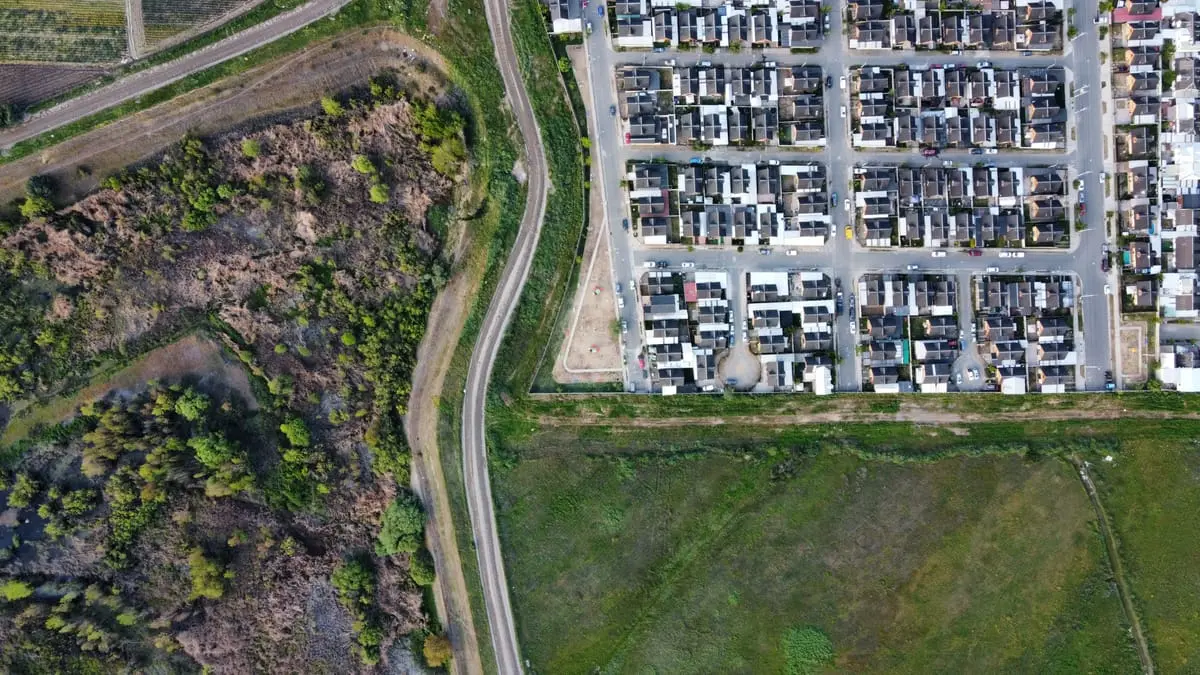
When you own a piece of land, keeping it as a single unit isn't always the best option: sometimes you need to divide it into several lots to sell it in parts or split an inheritance, and other times you want to combine several adjoining parcels into one to develop a larger project. These two procedures are known as subdivision and merging of parcels (subdivisión y fusión de predios), and both go through the municipality, the cadastre (catastro) and, finally, the notary public (notario). In this guide we explain what they involve, which requirements are usually requested, and what you should check before getting started, keeping in mind that the rules change from one municipality to another, so it's wise to confirm every detail with your local authority.
What subdividing and merging mean
Although they are often mentioned together, subdivision and merging are opposite operations. Understanding the difference is the first step in knowing which one you need:
- Subdivision: consists of splitting a single parcel into two or more portions, each with its own dimensions, boundaries and, at the end of the process, its own property tax account (cuenta predial) and deed (escritura). It differs from lotification or land development (fraccionamiento), which involve opening streets and providing utilities; subdivision usually refers to simpler divisions that don't require new urban development.
- Merging: is the opposite. It takes two or more adjoining parcels that belong to the same owner (or the same co-owners) and joins them into a single unit, with a larger total area and a single registry and cadastral identity.
Key fact
To merge, the parcels normally must be adjoining and registered in the name of the same owner or the same co-owners. To subdivide, each resulting portion usually has to meet a minimum area and frontage set by local regulations. Confirm both conditions before investing in survey plans or appraisals.
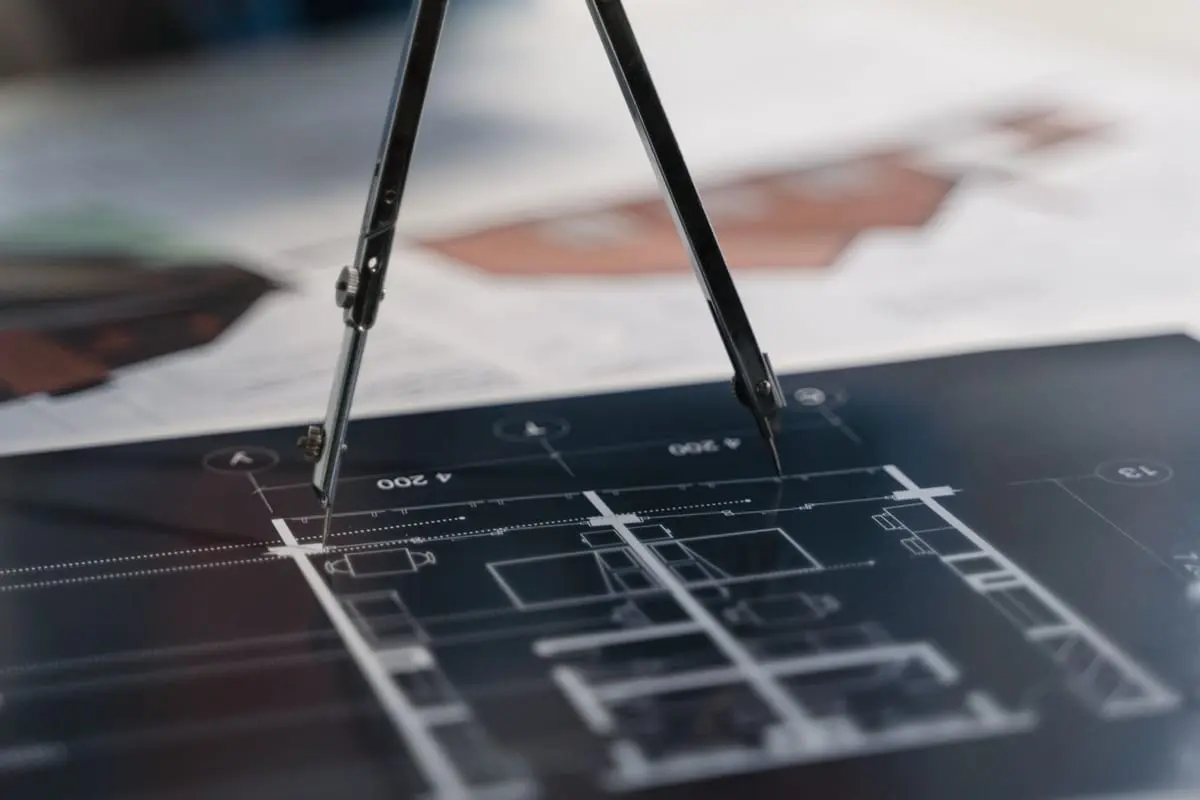
What is each procedure for?
These procedures are not mere paperwork: they change what you can do with your property and, often, its value. These are the most common reasons for carrying them out:
Reasons to subdivide
- Selling in parts: dividing a large plot into smaller lots usually makes it easier to sell, because there are more buyers for affordable sizes.
- Splitting an inheritance: when several heirs must each receive a share, subdivision allows each one to be assigned a portion with its own deed.
- Separating an existing structure: for example, making a house at the back of the lot independent from the front portion facing the street.
Reasons to merge
- Developing a larger project: combining small parcels to build a building, a warehouse or a development that wouldn't fit on each lot separately.
- Regularizing boundaries: tidying up parcels that in practice are already used as one.
- Increasing commercial appeal: a larger plot with a single title can be easier to market for certain uses.
If your goal is to sell, it's a good idea to have an idea of the value before and after the procedure. You can use our tool to estimate what a property is worth and explore current listings in the land section.
Land use and density: the starting point
Before dividing or combining, the most important question isn't "how do I do it?" but "am I allowed to?" The answer depends on the land use (uso de suelo) and the density that the municipality assigns to the area through its urban development program.
Land use defines what the land can be used for (residential, commercial, industrial, mixed, etc.), while density and development rules usually set how many homes or buildable square meters are allowed and, very relevant for these procedures, the minimum lot area and minimum frontage that are acceptable. If, when subdividing, any portion would fall below those minimums, the municipality will probably not authorize the division.
Check this first
Verify the land use before paying for survey plans or appraisals. A parcel can be perfectly sellable as it is, yet not be divisible if each portion doesn't meet the required minimum. We explain how to look it up in our guide on land use: how to verify it.
Municipal requirements and permit
Both subdivision and merging are authorized through a municipal permit or authorization issued by the urban development or public works department. Although the name and forms vary by municipality, the documents usually requested are quite similar:
- Official application signed by the owner or their legal representative.
- Public deed (escritura pública) proving ownership, registered with the Registro Público de la Propiedad.
- Property tax (predial) bill or receipt, paid up to date.
- The owner's official ID.
- Plan of the current state and plan of the proposed subdivision or merger, prepared by an authorized surveyor or professional.
- Land use certificate or statement, when the municipality requires it.
- In some cases, a recent topographic survey or boundary survey (deslinde) confirming measurements and adjoining properties.
Since exact measurements are the basis of the entire procedure, it is often wise to first have a formal survey done. Check our guide on boundary survey and measurement of a plot to understand why surveying is so important.
| Aspect | Subdivision | Merger |
|---|---|---|
| Result | Several parcels from one | One parcel from several |
| Key condition | Meet minimum area and frontage | Adjoining parcels and same owner |
| Property tax accounts | One is created for each portion | They are consolidated into one |
Cadastral update and deeds
Obtaining the municipal permit is an important step, but it is not the last one. For the new reality of your land to have full legal validity, the procedure is normally completed on two additional fronts:
- Cadastral update: with the authorization in hand, the cadastre (catastro) assigns the new cadastral keys and adjusts the property tax accounts. In a subdivision, each portion receives its own key; in a merger, the previous keys are consolidated into one.
- Deed and registry recording: a notary public (notario público) formalizes the operation through the corresponding deeds (escrituras), which are then recorded in the Registro Público de la Propiedad. This step is what provides legal certainty and allows you to sell or transfer each parcel independently.
Don't skip the deed
A subdivision that exists only on a municipal plan, but is not reflected in the cadastre or the Registro Público, can complicate a future sale. To be able to transfer a portion safely, it is customary for it to already have its own deed and cadastral key. Always rely on a notary public to close the process properly.
Approximate costs and timelines
It's hard to give a single figure, because the cost depends on the municipality, the number of portions, the value of the land, and the fees of surveyors and notaries. Even so, keep in mind that the expense is almost never limited to paying for the permit. The items that usually come into play are:
- Municipal fees for the subdivision or merger permit, which many municipalities calculate based on the area or the number of lots.
- Surveyor or topographer fees for the plans and, where applicable, the survey.
- Notary and registry costs for the new deeds and their recording.
- Possible appraisals and updating of cadastral values.
- Applicable taxes depending on the transaction; it's best to consult your notary or accountant.
As for timelines, a simple, well-prepared procedure can be resolved in a few weeks, while cases with incomplete documentation, parcels with outstanding debts, or land use reviews can stretch to several months. Gathering all the paperwork from the start is the best way to avoid delays.
No magic numbers
Be wary of anyone who promises you a fixed cost without knowing your parcel or your municipality. The prudent approach is to request a written quote at the municipal office and from a couple of surveyors, and add notary fees separately. That way you avoid surprises midway through the process.
Frequently asked questions
Can I subdivide any plot of land?
Not necessarily. Each resulting portion usually has to meet the minimum area and frontage set by local regulations, in addition to respecting the land use of the area. If any portion would fall below those minimums, the municipality will probably not authorize the division.
Do the parcels I want to merge have to be mine and be next to each other?
Generally yes. For a merger, it's usual for the parcels to be adjoining and registered in the name of the same owner or the same co-owners. It's wise to confirm the exact requirements with your municipality.
Do I need a notary public, or is the municipal permit enough?
The municipal permit authorizes the operation, but for it to have full legal validity it is common to formalize it before a notary public and update it in the cadastre and the Registro Público. Only then will you be able to sell or transfer each parcel safely.
How long does the procedure take?
It depends on the municipality and the complexity of the case. A simple procedure with complete documents can be resolved in weeks; cases with outstanding debts, land use reviews, or incomplete paperwork can take several months.
Planning to divide or sell your land?
Before deciding, check the available land listings and estimate the value of your property to make the best decision.
Listings
Recent properties
 For sale
MX$1,440,000
Land
Land for Sale in Residencial Lomas del Dorado
Boca del Río, Veracruz
 For sale
MX$3,900,000
House
House for Sale in Las Lomas, Riviera Veracruzana | 3 Bedrooms with Private Bathrooms
Alvarado, Veracruz
 For sale
MX$10,900,000
Land
Attention Investors
Puerto Vallarta, Jalisco
Keep reading
Related articles
Home Addition in Mexico: Permits, Costs and Mistakes
A practical guide to adding on to your home with proper permits: municipal paperwork, approximate costs per m2 and the mistakes that cost the most.
Carlos Mendoza
Perimeter Wall in Mexico: Cost per Linear Meter and Permits
How much a perimeter wall costs in Mexico per linear meter by material, which permits your municipality requires, allowed heights, and mistakes to avoid.
Carlos Mendoza

Land Use Change in Mexico: Process, Costs and Timelines
Changing a property's land use involves municipal paperwork, technical studies and timelines that vary by city.
Carlos Mendoza

New vs. Used Home: Pros, Costs and What to Check
New or used home: we compare price, maintenance costs, location, financing and appreciation to help you decide with real data.
María Elena Rodríguez
Legal and paperwork
Keep learning before you decide
102 guides on legal and paperwork, and thousands of properties listed across Mexico.