

Home Addition in Mexico: Permits, Costs and Mistakes
A practical guide to adding on to your home with proper permits: municipal paperwork, approximate costs per m2 and the mistakes that cost the most.
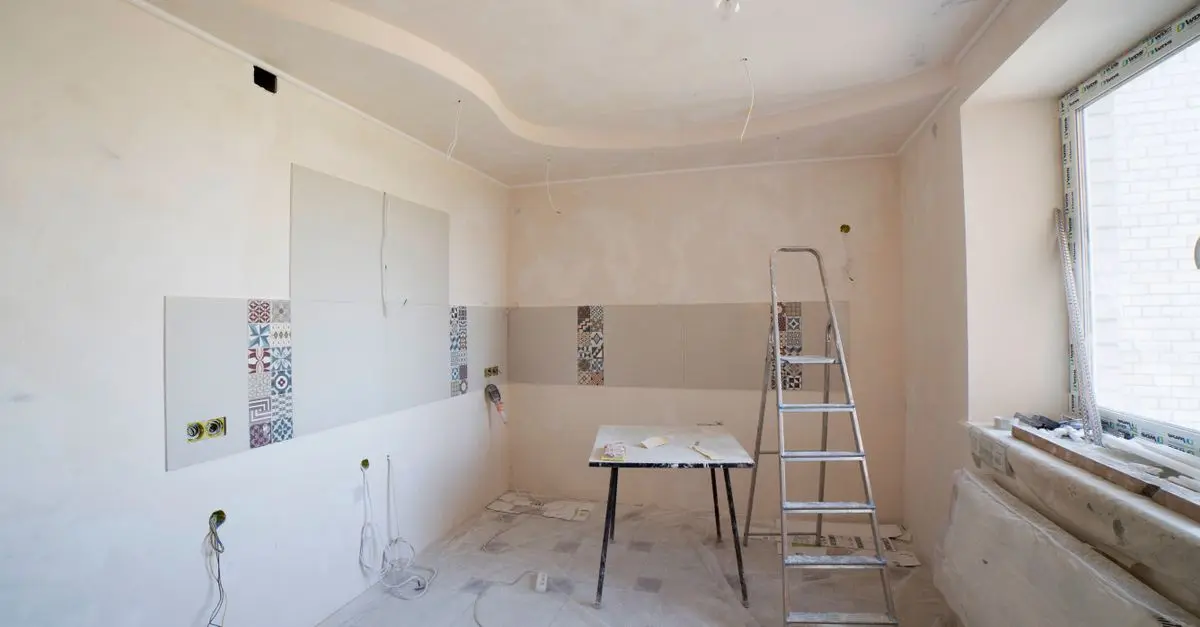
Expanding a house — adding a floor, a bedroom, a study or extending the kitchen — is one of the most common ways to gain space without moving. But it is also one of the projects where people improvise the most: you hire the bricklayer you trust, the work starts on a Monday, and months later a fine, an unhappy neighbor or a crack nobody anticipated shows up. This guide explains, in general terms, which permits are usually required, roughly how much a home addition costs in Mexico, and the mistakes that most often turn a simple addition into a headache.
Important notice: this article is for informational purposes only and does not replace the advice of an architect, structural engineer, responsible construction supervisor (DRO, Director Responsable de Obra) or attorney. Procedures, costs and requirements vary by municipality, alcaldía and state, and they change over time. Always confirm current information with the public works or urban development office in your area before starting any addition.
1. Which permits an addition usually needs
In the vast majority of municipalities and alcaldías in Mexico, any work that changes the built area, alters the structure or changes the land use requires a construction license or permit before you begin. This applies whether you are adding a second floor or simply enclosing a patio to make an extra room.
In general terms, the permits that usually come into play are:
- Construction or expansion license: formally authorizes the work before the municipal or alcaldía authority.
- Land-use approval (visto bueno de uso de suelo): confirms that the project is compatible with what is allowed in that zone (land occupancy ratio, maximum height, etc.).
- Sign-off from a licensed professional or Responsible Construction Supervisor (DRO): in many cities it is mandatory for additions involving structural load, and it makes the professional technically accountable for the work meeting code.
- Additional permits: in areas with heritage value, near coastlines, with environmental restrictions or inside developments with their own rules, there may be extra approvals (heritage authorities, protección civil, the development's administration).
The practical rule is simple: if the work changes built square meters, touches structural elements or modifies the facade, it is reasonable to assume it needs a permit. Exceptions — such as minor maintenance that does not alter the structure — vary by local regulation, so it pays to ask before assuming it "doesn't apply" in your case.
Useful tip: the first practical step is almost always to request a certificate of alignment and land use (constancia de alineamiento y uso de suelo) at the urban development office of your municipality or alcaldía. With that document you will know what can be built on your lot before investing in plans.
2. Documents you will normally be asked for
Although each municipality has its own list, some documents appear in most addition applications:
| Document | What it is for |
|---|---|
| Deed or property title (escritura) | Proves that the person requesting the permit has rights over the property |
| Owner's official ID | Confirms identity before the authority |
| Proof of up-to-date property tax (predial) payment | A common requirement before any procedure is authorized |
| Architectural plans and, if applicable, structural plans | Describe the proposed addition with measurements and materials |
| Sign-off from a licensed professional or DRO | Technically backs that the project meets safety standards |
| Certificate of alignment and land use | Confirms that the project is compatible with the zoning |
Before buying materials or hiring crews, it is worth reviewing the property documents checklist, because a deed with inconsistencies or overdue property tax can stall the permit process from the start.
3. Approximate costs of a home addition
The cost of adding on to a house in Mexico depends on the region, the type of finishes, the structural complexity and whether the existing foundation needs reinforcing. As a very broad reference and not a quote, in much of the country new residential construction has historically run in an approximate range of about $3,000 to $9,000 MXN per m2, with luxury finishes or high-appreciation areas above that range; take it only as an order of magnitude, not a real price, because it changes with time, city and contractor:
- Basic construction or shell work (obra gris): usually falls at the low end of that indicative range, without fine finishes.
- Construction with mid-range finishes: includes flooring, paint and finished installations; the cost per m2 rises noticeably compared with shell work.
- Upper-level addition (second floor): normally costs more per m2 than a ground-floor addition, because it may require reinforcing the existing foundation, columns (castillos) and beams.
- Architect or DRO fees: usually charged as a percentage of the total cost of the work, varying with the scope of the project.
- Municipal procedures and fees: have their own cost, which depends on the square meters to be built and the fee schedule in force in each municipality.
We stress it again: the range above is a general reference and not a quote, since it changes over time and by region; the most reliable approach is to get at least three quotes from local contractors or architects before setting a budget. If the project is large, it is also worth checking how much your home is worth today to judge whether the investment in the addition makes sense relative to the market value of the area.
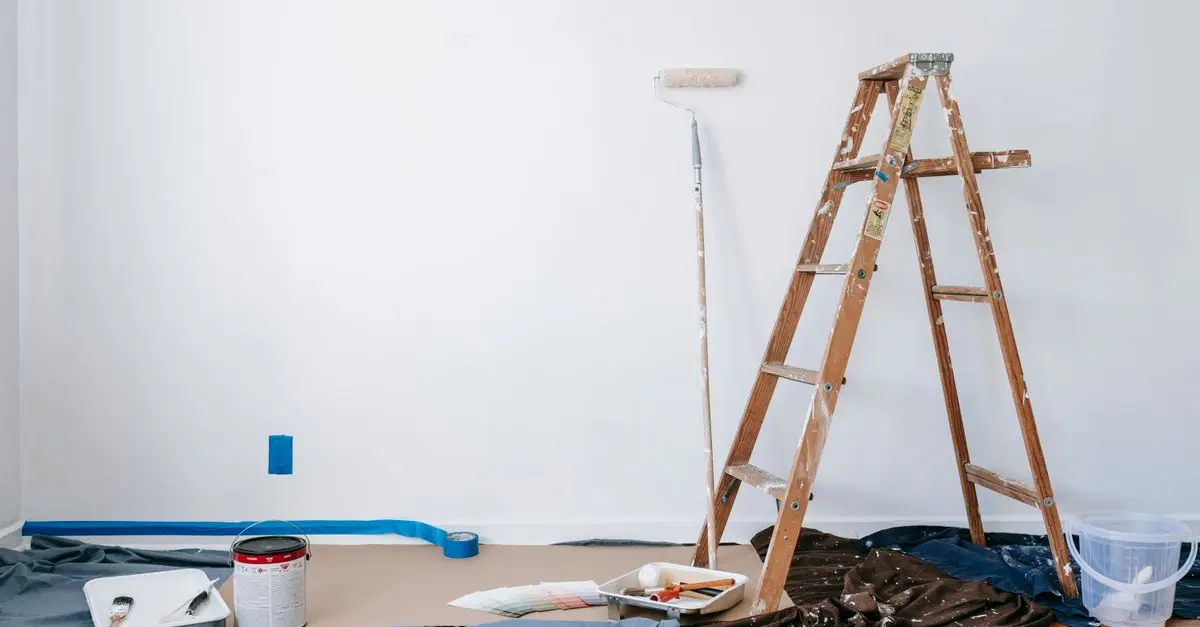
4. Types of additions and their particular challenges
Not all additions have the same level of complexity. Some common scenarios:
- Second floor over an existing structure: requires verifying that the original foundation and structure can bear the additional load; it almost always needs structural calculations and professional sign-off.
- Horizontal expansion (patio, garage, yard): is usually simpler structurally, but it can run into the land occupancy ratio (COS) limits that the lot is already using.
- Extra room or "roof garden": on rooftops you need to check waterproofing, rainwater drainage and, under some regulations, height restrictions.
- Addition in a condominium or gated development: besides the municipal permit, you almost always need approval from the condominium committee or administration, with its own rules on work hours and permitted materials.
If the lot has little frontage or an irregular shape, a prior review with a specialist is worthwhile, since these cases tend to require costlier structural solutions and additional alignment permits.
5. Common mistakes that get expensive
Most problems with home additions do not come from bad luck but from avoidable decisions:
- Building without a permit "because it's faster": besides fines, work done without a license can force you to demolish all or part of it, or seriously complicate a future sale.
- Not calculating the existing structural capacity: especially when adding a second floor; skipping this step can lead to cracks, settling or real safety risks.
- Not updating the deed or the cadastral record after expanding: the actual built area must be reflected in the records; failing to do so creates discrepancies with the property tax and problems when selling or closing before a notary public (notario público).
- Underestimating the budget and stopping halfway: a project halted for lack of funds deteriorates, and resuming it later usually costs more than finishing it in one go.
- Not informing neighbors who share a boundary: for work that affects shared walls or generates prolonged noise and debris, lack of communication is a common source of formal complaints to the authority.
- Hiring on price alone, without checking references: the cheapest contractor does not always deliver reliable structural work; asking for verifiable references and seeing previous projects reduces the risk.
Practical recommendation: keep copies of all permits, fee payments, stamped plans and the DRO's sign-off. This file is exactly what is later requested when you sell or buy the property, and its absence can delay or raise the cost of a future transaction.
Warning: an addition without regularized permits can directly affect the appreciation of the property, because buyers and banks usually require that the built square meters match what is on record.
Frequently asked questions
Is a permit always needed to expand a house?
In most cases yes, especially when the work increases built square meters, modifies the structure or changes the facade. Some minor maintenance work may be exempt, but that depends on the regulations of each municipality or alcaldía, so it is best to confirm directly with the local authority before starting.
How long does it take for an expansion license to be approved?
The time varies a lot depending on the municipality, the complexity of the project and whether the documentation is submitted complete from the start. It can range from a few weeks to several months, so it is advisable to start the process early and not set construction dates too tightly.
What happens if I already expanded my house without a permit?
Many municipalities offer regularization processes for existing construction, which usually involve paying fees, submitting plans of what has already been built and, in some cases, a structural review. It is advisable to approach the local public works office and, if there are technical doubts, hire a licensed expert to assess the safety of what was built.
Does expanding my house increase my property tax?
Most likely yes, because property tax (predial) is calculated in part based on the registered built area. When you regularize the addition, the cadastral office updates those square meters and the predial charge may go up; the exact amount depends on the value table of each municipality.
Thinking of selling or buying a property with additions?
Check the real value of your home and find verified properties on Inmobiliaria32.
Listings
Recent properties
 For sale
MX$1,440,000
Land
Land for Sale in Residencial Lomas del Dorado
Boca del Río, Veracruz
 For sale
MX$3,900,000
House
House for Sale in Las Lomas, Riviera Veracruzana | 3 Bedrooms with Private Bathrooms
Alvarado, Veracruz
 For sale
MX$10,900,000
Land
Attention Investors
Puerto Vallarta, Jalisco
Keep reading
Related articles
Perimeter Wall in Mexico: Cost per Linear Meter and Permits
How much a perimeter wall costs in Mexico per linear meter by material, which permits your municipality requires, allowed heights, and mistakes to avoid.
Carlos Mendoza

New vs. Used Home: Pros, Costs and What to Check
New or used home: we compare price, maintenance costs, location, financing and appreciation to help you decide with real data.
María Elena Rodríguez

Gifting a House to Your Child in Mexico: ISR, Exemptions, Costs 2026
How much it costs to gift a house to a child in Mexico: when it's exempt from ISR, what you pay in ISAI and notary fees, and whether gifting, inheriting or selling makes more sense.
Carlos Mendoza
Common Mistakes When Building Your Own Home in Mexico
The costliest mistakes when building a house: a bad budget, no project plans, and choosing the wrong contractor.
Carlos Mendoza
Building and remodeling
Keep learning before you decide
33 guides on building and remodeling, and thousands of properties listed across Mexico.