

Perimeter Wall in Mexico: Cost per Linear Meter and Permits
How much a perimeter wall costs in Mexico per linear meter by material, which permits your municipality requires, allowed heights, and mistakes to avoid.
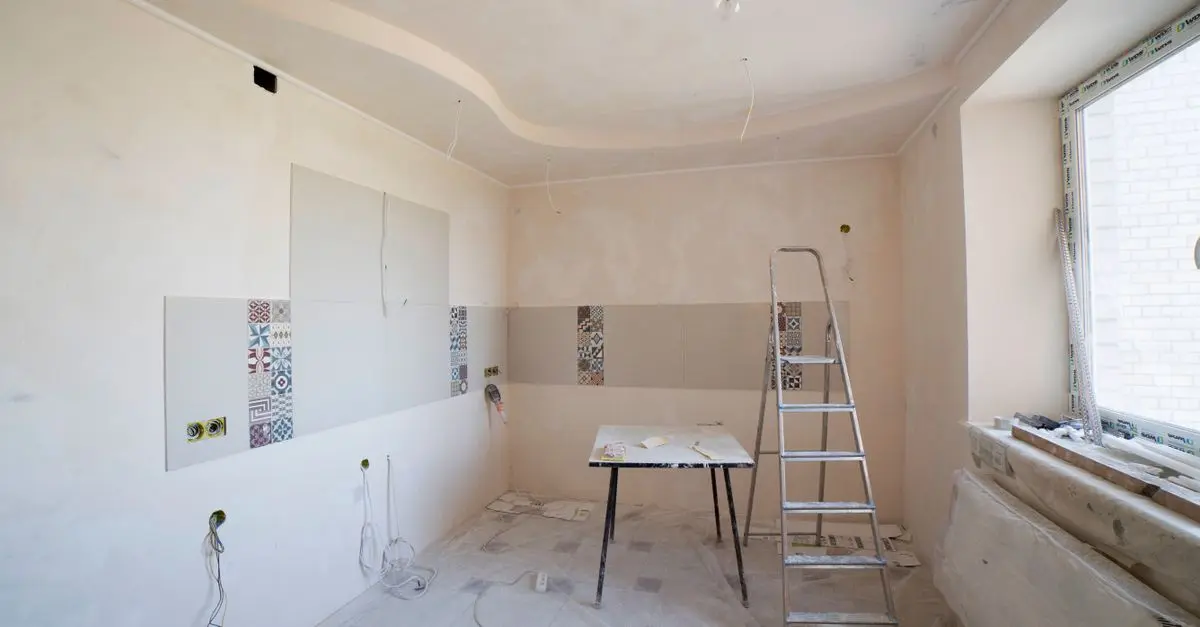
Building a perimeter wall (barda perimetral) often looks like a minor expense within a remodel, but it actually involves budget decisions, municipal paperwork and security considerations that can affect your property's value if handled poorly. In this guide we review the cost of a perimeter wall by material and height, the permits typically required, and the security factors you should check before hiring a mason or construction company.
Important notice
This article is for informational purposes only and does not replace the advice of an architect, civil engineer or attorney specializing in municipal regulations. Building codes, permitted heights and permit fees vary by state and municipality, and they change over time. Always confirm the current requirements with the public works or urban development office in your area before starting any construction.
How much a perimeter wall costs
The cost of a perimeter wall depends mainly on three variables: the material chosen, the height, and the linear footage to be covered. In general, the price is quoted per finished linear meter (including foundation, castillos [reinforced concrete columns], wall and finish), although some contractors prefer to quote per square meter of wall surface. As a very rough reference and only to give you a starting point, a plain block wall with no finishes might run approx. $800-1,600 MXN per linear meter in many parts of the country, while options such as chain-link fencing over a low wall, decorative ironwork or precast panels can reach $2,000-4,500 MXN per linear meter or more, depending on height, finishes and region. These figures are for reference only: they are no substitute for a local quote and can vary quite a bit between states and suppliers.
Beyond the material, the budget should account for: excavation and foundation (more expensive on sloped lots or rocky soil), hauling of materials if access is difficult, labor (which varies by region), finishes such as plaster, paint or waterproofing, and security elements such as barbed wire, welded wire mesh or broken glass along the top of the wall, where local regulations allow it.
| Wall type | Relative cost range* | Approximate lifespan |
|---|---|---|
| Hollow block with plaster finish | Low to medium | 20-30 years with maintenance |
| Chain-link fence over low wall | Medium | 10-15 years for the fence |
| Exposed brick | Medium to high | 30+ years |
| Decorative ironwork over low wall | High | 15-20 years if kept painted |
| Precast concrete panels | Medium to high | 20-25 years |
*The ranges are approximate and meant to compare options, not fixed figures. Get at least three local quotes before deciding, since material and labor prices vary widely by state and season.
Most common materials and how they differ
The choice of material affects not only the upfront cost, but also long-term maintenance and how secure the property appears:
- Concrete block: the most common option in housing developments (fraccionamientos) and mid-range homes. Quick to build and inexpensive, but it needs plaster and periodic repainting to look good and prevent moisture.
- Exposed brick: higher cost but a more durable and attractive finish, widely used in residential areas where property value appreciation is a goal.
- Chain-link or welded wire mesh: inexpensive and fast, common on vacant lots, warehouses or properties under construction; it offers little privacy.
- Ironwork and wall combination: a low block wall topped with an iron fence; a good balance of security, visual ventilation (you can see through to the street) and aesthetics.
- Precast panels: faster to install than traditional block, useful for large stretches such as vacant land or developments, although transportation and specialized installation can raise the cost in remote areas.
Permits and municipal procedures
In most municipalities in Mexico, building a perimeter wall requires obtaining a minor construction license or a specific fencing permit from the local public works or urban development office. Typical requirements include:
- A copy of the escritura (deed) or other document proving ownership of the land.
- Official ID of the owner or legal representative.
- Proof that the predial (property tax) is paid up to date.
- A sketch or simple plan showing the location, length and height of the proposed wall.
- Payment of municipal fees, the amount of which varies by linear meter and by municipality.
If your property is inside a housing development or condominium with internal rules, you will commonly also need to submit the project to the administration or the neighborhood committee, since many private regulations govern maximum height, color and permitted material in order to maintain visual uniformity. Skipping this step can lead to internal fines or even an obligation to tear down what was built.
If your wall borders a public street, the approval of protección civil (civil protection) may also be required, especially if security features such as perimeter electrification are installed, which is regulated or prohibited in residential areas in several states.
Height, property lines and shared boundaries
The maximum permitted height for a perimeter wall varies according to each municipality's building code and, in many cases, distinguishes between a front wall (facing the street) and a boundary wall (between neighbors). It is common for front walls to have a lower maximum height than side or rear walls, precisely so they don't obstruct road visibility or create a sense of isolation on the street.
Before you build, verify
Ask your municipality for the current building code and confirm the maximum permitted height for front and boundary walls in your specific area. Some areas with mixed or commercial land use have different rules than residential ones.
One point that frequently causes disputes between neighbors is the exact location of the property line. Before building a boundary wall, it is advisable to review the escritura and the cadastral map of the lot to confirm its dimensions and boundaries, and, if possible, to hire a topographic survey (deslinde topográfico) carried out by a licensed surveyor or notary public (notario público), to avoid building on your neighbor's land or causing an encroachment that later turns into litigation. The certificado de libertad de gravamen (certificate of no liens) is not suited for this purpose: it only indicates whether the property has mortgages, attachments or other liens recorded in the Registro Público de la Propiedad, but it does not show the land's measurements or boundaries. When a wall is shared between two properties (a party wall, or barda medianera), the ideal is to agree in writing on who covers the cost and future maintenance.
Security: what to add and what to avoid
A well-designed perimeter wall improves the security of the home, but some features are restricted or frowned upon depending on the area:
- Barbed wire or razor wire: allowed in some rural or industrial areas, but prohibited or frowned upon in many residential developments for aesthetic reasons and for the safety of third parties.
- Broken glass along the top of the wall: regulated or prohibited in several municipalities because of the risk of injury to people, including children; confirm local regulations before installing it.
- Perimeter electrification: in some states it requires a specific permit and visible signage; installing it without complying with the rules can create legal liability in the event of an accident.
- Sensors and cameras built into the wall: an increasingly popular alternative, with no height restrictions and compatible with video intercom systems.
- Perimeter lighting: improves the perception of nighttime security and is usually well received by neighbors and authorities, unlike aggressive physical barriers.
Beware of overdoing it
An excessively tall and closed-off wall can reduce visibility toward the street, create a bunker-like feel and, in some cases, hurt the perceived value among buyers who prize integration with the surroundings. A balance between security and visual openness tends to work better in the long run.
Impact on property value and common mistakes
A well-built perimeter wall, with durable materials and careful finishes, can add to the property's plusvalía (value appreciation) by conveying a sense of security and upkeep. However, some common mistakes reduce that benefit:
- Building without a permit and being exposed to fines or to the obligation to modify the work later.
- Failing to follow the development's internal rules, creating conflicts with the administration.
- Using low-quality materials that deteriorate quickly and require frequent repairs.
- Not keeping a record of agreements with neighbors when the wall is shared, which can complicate a future sale.
- Ignoring the market value of the area and overinvesting in a luxury wall that doesn't match the neighborhood's profile.
Practical recommendation
Keep a copy of the construction permit, the invoices for materials and labor, and any signed agreement with neighbors regarding shared walls. These documents are useful if you later decide to sell the property, since they give the buyer legal certainty that the construction is in order.
Frequently asked questions
Do I need a permit to build a perimeter wall at my home?
In the vast majority of municipalities in Mexico, yes, a minor construction permit or license is required, especially if the wall exceeds a certain height or borders a public street. The exact requirements vary by locality, so it's best to check directly with your municipality's public works office before starting.
Approximately how much does a perimeter wall cost per linear meter?
The cost varies widely depending on the material, height and region of the country. A plain block wall with no finishes is usually at the most economical end of the range, while options with decorative ironwork or exposed brick cost considerably more per linear meter. The most reliable approach is to request at least three quotes from local contractors.
Can I put barbed wire or broken glass along the top of my wall?
It depends on the municipality and the type of area. In several localities these features are restricted or prohibited in residential areas for the safety of third parties, while in rural or industrial areas they may be allowed. It is essential to confirm the regulations in force in your locality before installing them.
What happens if I build the wall without a municipal permit?
Building without a permit can lead to fines, a stop-work order, or even the obligation to modify or demolish what has already been built if it doesn't comply with current regulations. It can also create legal problems when selling the property, since an informed buyer may ask for evidence that the construction is in order.
Are you remodeling or getting your property ready to sell?
Find out what your property is worth today or explore homes and land available in your area before investing in a perimeter wall.
Listings
Recent properties
 For sale
MX$1,440,000
Land
Land for Sale in Residencial Lomas del Dorado
Boca del Río, Veracruz
 For sale
MX$3,900,000
House
House for Sale in Las Lomas, Riviera Veracruzana | 3 Bedrooms with Private Bathrooms
Alvarado, Veracruz
 For sale
MX$10,900,000
Land
Attention Investors
Puerto Vallarta, Jalisco
Keep reading
Related articles
Home Addition in Mexico: Permits, Costs and Mistakes
A practical guide to adding on to your home with proper permits: municipal paperwork, approximate costs per m2 and the mistakes that cost the most.
Carlos Mendoza
How to Verify a Developer's Permits Before Buying Pre-Construction
Before reserving a pre-construction condo, check the developer's RUV registration, building permit, zoning (uso de suelo) and guarantee trust (fideicomiso).
Carlos Mendoza

When to Lower the Price If Your House Isn't Selling
Lowering the price when your house isn't selling is a timing decision: do it too soon and you lose margin, too late and the property looks stale.
Inmobiliaria32 Team
Pricing Mistakes That Drive Buyers Away
The most common home-selling pricing mistakes range from overvaluing out of emotional attachment to ignoring real comparables. Spot them before you list.
María Elena Rodríguez
Building and remodeling
Keep learning before you decide
33 guides on building and remodeling, and thousands of properties listed across Mexico.