

Investing in Industrial Warehouses in Mexico: A Practical Guide
A practical guide to investing in industrial warehouses in Mexico: investment options, costs, indicative returns, risks, and what to check before you buy.
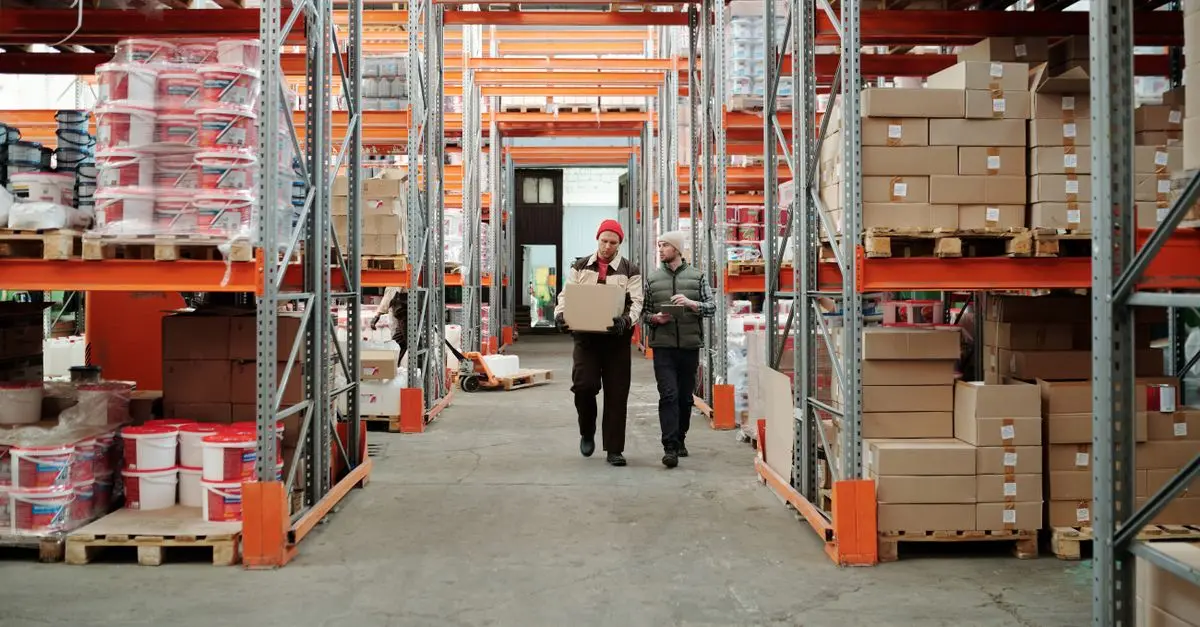
Nearshoring has put industrial warehouses at the center of real estate investment conversations in Mexico. Corridors such as Monterrey, Saltillo, Querétaro, El Bajío and Tijuana report growing demand for industrial space, which has sparked the interest of individual investors who previously only considered housing or retail space. But investing in industrial warehouses is not the same as buying an apartment to rent out: the amounts, contracts, timelines and risks are all different. This guide explains, in plain terms, how this type of investment works, what options exist and what you should review before committing your capital.
Important notice: this article is for informational and educational purposes only and does not constitute financial, tax or legal advice. The returns, timelines and costs mentioned are indicative and vary by region, developer, market conditions and investor profile. Before investing a significant amount, consult a certified financial advisor, an accountant and, where appropriate, an attorney specializing in industrial real estate.
1. What are industrial warehouses and why do they attract interest?
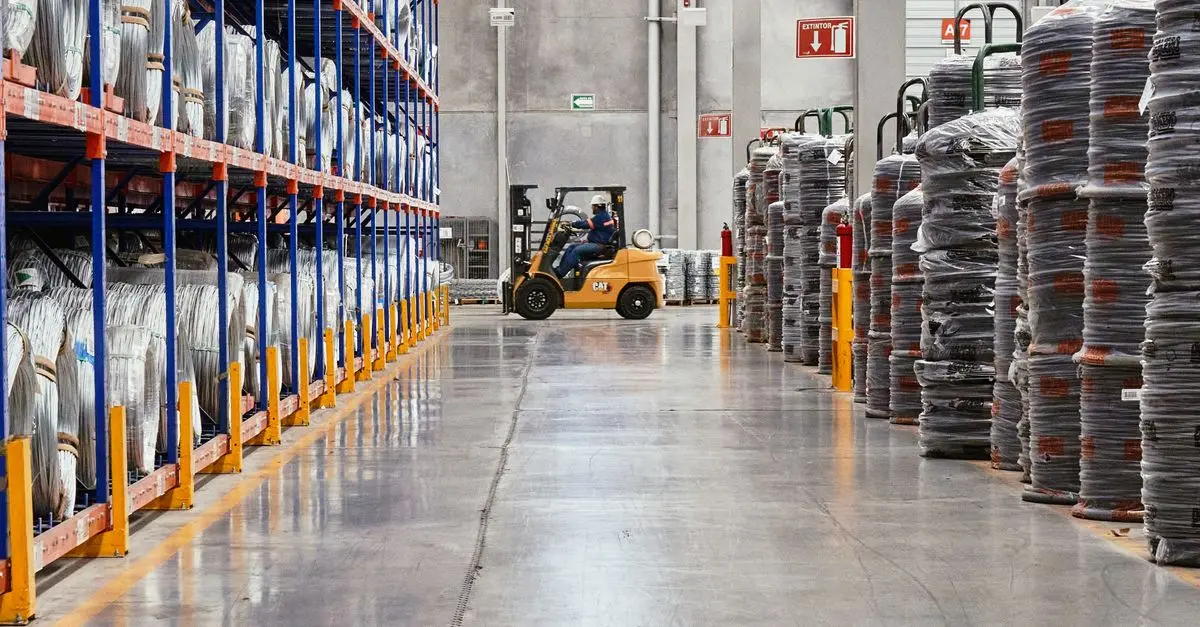
An industrial warehouse (nave industrial) is a large-footprint building, usually with a steel structure, high ceilings, reinforced concrete floors and loading docks, designed for storage, light manufacturing, distribution centers or logistics. Unlike a house or a retail space, its value depends less on finishes and more on logistical location: proximity to highways, ports, customs offices, railways and established industrial parks.
Private investors' interest can be explained by several factors: long-term lease contracts (often 5 to 15 years), corporate tenants with verifiable credit histories, and a market that, in recent years, has shown high occupancy rates in the country's main industrial corridors. That doesn't mean it's a risk-free investment, but it does follow a different logic from housing: it's closer to a commercial rental business than to buying a property to live in.
2. Nearshoring and the demand for industrial space
The relocation of supply chains to North America has driven the construction and occupancy of industrial warehouses in several states, particularly in the north and center of the country. Manufacturing, auto parts, electronics and logistics companies are looking for space near the U.S. border and the main ports. If you want to understand the phenomenon in more depth, you can read our analysis of the impact of nearshoring on the Mexican real estate market.
However, it's important to add some nuance: not all industrial corridors benefit equally, and demand is not uniform over time. Before investing, it's worth reviewing industrial space occupancy and absorption reports published by firms specializing in commercial real estate, rather than assuming that "everything industrial" will perform the same.
3. Ways to invest in industrial warehouses
You don't need to buy an entire warehouse to participate in this market. There are several options with different entry amounts and risk levels:
- Direct purchase of a warehouse or industrial land: requires the most capital and industry knowledge, but gives you full control over the property, the lease contract and management decisions.
- Industrial FIBRAs (real estate investment trusts): publicly traded vehicles that pool portfolios of industrial warehouses. They let you invest with accessible amounts, without having to manage a property, although the investment is subject to stock market volatility.
- Co-ownership or "build to suit" developments: some developers offer arrangements where several investors take part in financing a warehouse built to the specifications of a particular corporate tenant, with a pre-agreed lease before construction begins.
- Buying industrial land for future development: lower upfront cost than building, but it means waiting for the right moment to develop or sell, with lower liquidity in the short term.
If your goal is to diversify with moderate amounts, FIBRAs are usually the most common entry point. If you want direct control and a stable long-term rental income stream, buying a warehouse with an established tenant removes some of the initial uncertainty, though it demands more capital and more hands-on management.
4. Key factors to consider before investing
Evaluating an industrial warehouse requires a different checklist than evaluating a home. These are the points that weigh most heavily in the decision:
Points to review before signing
- Location relative to major highways, customs offices, ports and railways.
- The property's legal status: title deed, current industrial zoning (uso de suelo) and, if possible, an up-to-date certificate of lien-free status (certificado de libertad de gravamen).
- The tenant's financial strength and solvency (if the warehouse is already leased).
- Lease terms: duration, rent increases, currency (many industrial leases are set in dollars), and early termination clauses.
- Technical specifications: clear height, floor load capacity, number of loading docks, fire suppression system and power supply, which determine what type of tenant can occupy the warehouse.
- Maintenance costs, insurance and, where applicable, industrial park fees.
5. Indicative costs, returns and timelines
Amounts and returns vary widely depending on the city, the size of the warehouse and the type of tenant, so the figures below are only general reference points to give you an order of magnitude, not exact quotes.
| Option | Approximate initial capital | Typical horizon | Management level |
|---|---|---|---|
| Industrial FIBRA (stock market) | Low to moderate | Flexible, depending on strategy | None (delegated management) |
| Co-ownership / build to suit | Moderate to high | Medium to long term | Low to medium |
| Industrial land | Varies by location | Long term | Medium (permits and development) |
| Direct warehouse purchase | High | Long term | High (self-management) |
To estimate the costs involved in closing a direct purchase, such as taxes and notary fees, you can use our closing costs calculator (escrituración), although for industrial properties you should always request a specific quote from the notary public (notario público), since the amounts can differ from those for residential property.
6. Risks and how to mitigate them
Like any real estate investment, industrial warehouses carry specific risks that are worth anticipating:
- Single-tenant concentration: if the warehouse depends on a single tenant company, that tenant's departure can leave the property empty for months. Verifying the tenant's solvency and track record reduces this risk, though it doesn't eliminate it.
- Economic and trade cycles: industrial demand is tied to foreign trade and foreign investment decisions, which can shift with tariff or economic policy.
- Illiquidity: selling an industrial warehouse usually takes longer than selling a home, unless you hold shares in a FIBRA, which are publicly traded and more liquid.
- Underestimated maintenance costs: roofs, fire suppression systems and large-scale electrical installations can require costly maintenance if they aren't inspected in time.
Practical recommendation: if you're just starting out, diversifying through an industrial FIBRA is usually a more accessible way to gain exposure to this market before considering the direct purchase of an entire warehouse, which demands more capital, time and technical knowledge of the sector.
Beware of promises of guaranteed returns. No serious developer or intermediary can assure a fixed annual return percentage in industrial real estate; returns depend on occupancy, the tenant and market conditions. Be wary of offers that present "guaranteed" figures without verifiable contractual backing.
It's also worth understanding which factors make an industrial zone gain or lose value over time; our article on what increases a property's appreciation (plusvalía) offers a general framework that applies, with some caveats, to the industrial sector. And if you want to explore available properties and land by region, you can browse the listings on Inmobiliaria32 by city and state.
Frequently asked questions
How much capital do you need to start investing in industrial warehouses?
It depends on the option. Through an industrial FIBRA, you can participate with accessible amounts, similar to buying stocks. Buying a warehouse directly requires considerably more capital, plus closing costs (escrituración), maintenance and, in some cases, commercial mortgage financing.
Is it better to invest in an industrial FIBRA or buy a warehouse directly?
There is no single answer. FIBRAs offer diversification, liquidity and professional management without the need to manage the property, but they expose the investor to stock market volatility. Direct purchase gives you more control and can generate steady rental income, but it demands more capital, time and knowledge of the sector. The decision depends on your time horizon, your available capital and your risk tolerance.
Which areas of Mexico have the most demand for industrial warehouses because of nearshoring?
The northern corridors, such as Monterrey, Saltillo, Ciudad Juárez and Tijuana, along with El Bajío (Querétaro, San Luis Potosí, Guanajuato), are frequently mentioned for their proximity to the border and their logistics infrastructure. Even so, demand shifts over time, so it's worth reviewing up-to-date industrial occupancy reports before choosing a specific region.
What are the risks of investing in a warehouse with a single tenant?
The main risk is concentration: if that tenant leaves or breaches the contract, the warehouse can sit empty for an extended period, since finding a new industrial tenant usually takes longer than for housing or retail space. Reviewing the tenant's solvency, the lease term and the penalty clauses for early termination helps reduce this risk.
Looking for land or properties for your next industrial or commercial investment?
Listings
Recent properties
 For sale
MX$1,440,000
Land
Land for Sale in Residencial Lomas del Dorado
Boca del Río, Veracruz
 For sale
MX$3,900,000
House
House for Sale in Las Lomas, Riviera Veracruzana | 3 Bedrooms with Private Bathrooms
Alvarado, Veracruz
 For sale
MX$10,900,000
Land
Attention Investors
Puerto Vallarta, Jalisco
Keep reading
Related articles

Electrical Power for Industrial Warehouses: What to Check
The electrical power available at an industrial warehouse site can determine whether your operation is viable. Key points to verify before signing a contract.
Carlos Mendoza
Class A vs. Class B Industrial Warehouses: Key Differences
Choosing between a Class A or Class B industrial warehouse isn't just about price: it changes clear height, location and the type of tenant you can attract.
María Elena Rodríguez
Industrial Parks in Northern Mexico: Investor Guide
A practical guide to investing in industrial parks in Mexico: which corridors have the strongest demand and what to check before investing.
Carlos Mendoza

FIBRAs: How to Invest in Real Estate Through the Stock Market
Want to invest in real estate without buying an entire property? FIBRAs let you do it through the Mexican stock exchange with small amounts of money.
Carlos Mendoza
Real estate investing
Keep learning before you decide
58 guides on real estate investing, and thousands of properties listed across Mexico.