

Seller's Guide: List, Negotiate and Close Your Home Sale
How to sell my house: a step-by-step guide to preparing your property, setting the price, publishing your listing, negotiating offers and closing the sale in Mexico.

If you're wondering how to sell your house in an orderly way and without surprises, this guide covers the entire process: from preparing the property and the paperwork, to setting a realistic price, publishing a good listing, negotiating with buyers and reaching the final signing. You don't need to be a real estate expert to sell well; you just need to follow an order and anticipate what usually stalls a deal.
Important notice: this article is for informational purposes only and does not replace the advice of a notary public (notario público), real estate attorney or tax advisor. Timelines, amounts and requirements vary by state and change over time; always confirm with the official source or a professional before making decisions.
1. Before listing: prepare your home and your documents
Preparation is the stage that saves the most time later. A home that is ready to show and has its paperwork in order sells in fewer showings and with less friction during negotiation.
Physical preparation: fix the obvious issues (leaks, dampness, visible electrical wiring), clear out personal items, improve the lighting and clean thoroughly. You don't need to remodel; the goal is for the buyer to picture themselves living there without distractions.
Document preparation: gathering your paperwork before listing keeps the sale from falling through once an interested buyer shows up. At a minimum you'll need the deed (escrituras), official ID, proof that your property tax (predial) is paid up to date, a water bill and, if applicable, the mortgage statement if the house still has an active mortgage. To confirm the property has no hidden debts or liens, read our guide on the certificate of freedom from liens (certificado de libertad de gravamen), a document that buyers or their banks almost always request before closing.
Practical tip: make digital copies of all your documents from day one. Many serious buyers ask for a legal review before committing to an offer, and having everything ready speeds up your response.
2. How to set the right price
Price is the variable that most controls how long your house takes to sell. A high price doesn't "leave room to negotiate": it tends to scare off qualified buyers and ends up dropping under pressure months later, giving the impression that something is wrong with the property.
To estimate a realistic range, compare recent sales of similar properties in your area (square footage, age, number of bedrooms, condition) and adjust for specific differences such as location within the colonia (neighborhood), view, parking or amenities. You can also use a reference tool to get a starting point before refining the number in more detail in our guide on how to price your home.
| Stage of the process | Approximate duration | What sets the pace |
|---|---|---|
| Preparation and documents | 1-3 weeks | How complete your paperwork is at the start |
| Listing to first offers | 2-8 weeks | Market-aligned price and listing quality |
| Negotiation and agreement | 1-3 weeks | Flexibility on terms, not just on price |
| Paperwork through to deed signing | 4-10 weeks | Whether the buyer uses a mortgage or pays cash |
These ranges are approximate and vary widely depending on the city, type of property and local market conditions; use them only as a planning reference, not as a promise of timing.
3. Publish your listing effectively
A good listing filters out unserious visitors and attracts genuinely interested buyers. Photos are the first thing people see: use natural light, wide shots and show all the relevant spaces, including the kitchen, bathrooms and outdoor areas.
The description should be concrete: built area and lot size, number of bedrooms and bathrooms, age, whether it has parking, and details about the area such as proximity to schools, transportation or shops. Avoid empty adjectives ("beautiful," "unique") and focus on verifiable facts that the buyer can check.
If you don't have an account yet or don't know where to start, follow the step-by-step guide on how to list on Inmobiliaria32, or create your listing directly from the listing section. If you'd like a second opinion on value before publishing, the how much is my property worth service gives you an additional reference range.
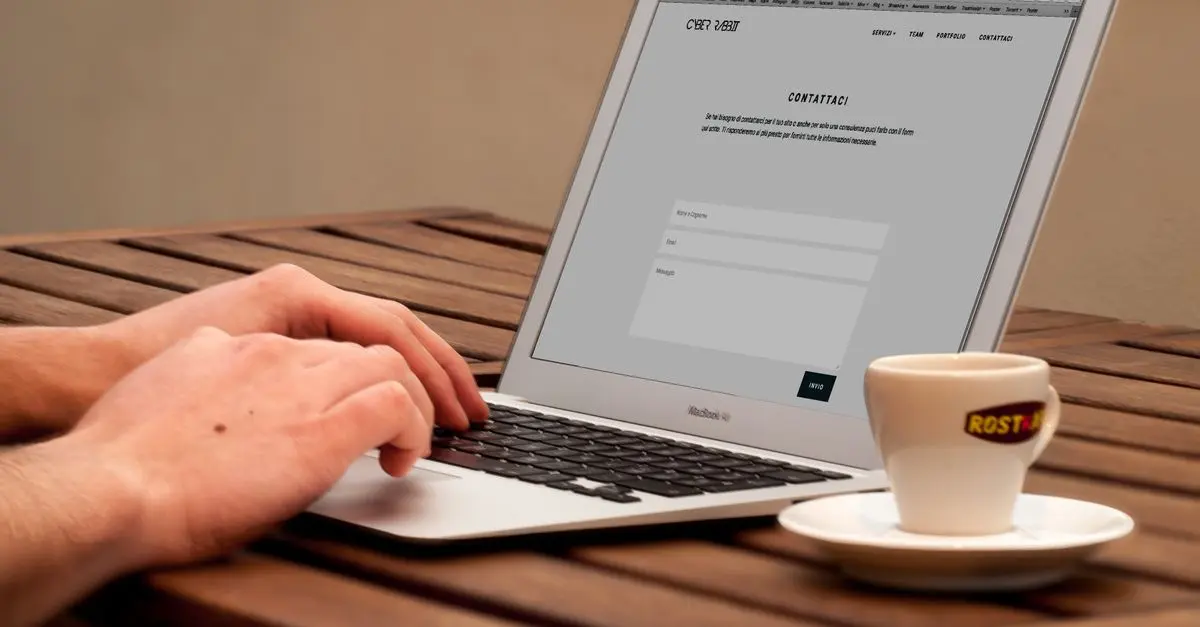
4. Negotiation: how to handle offers and showings
When the first offers come in, look at more than the bottom-line number. Also compare:
- Form of payment: cash usually closes faster than a mortgage, even if the amount is lower.
- Proposed timeline: some buyers need more time for bank paperwork; consider whether waiting works for you.
- Buyer's seriousness: a down payment or formal deposit reduces the risk of the deal falling apart halfway through.
- Additional conditions: included furniture, pending repairs or move-out date can weigh as much as the price.
Respond quickly and be upfront about known defects; hiding information usually costs more when it comes to light during an inspection or after signing. Also stay alert to signs of possible fraud, especially with buyers who push for transfers outside the usual channels or ask for documents before a formal offer; review the patterns described in common real estate scams in Mexico.
Best practice: always ask for the buyer's official ID and, if payment is in cash for significant amounts, confirm with your notary the applicable limits and reporting requirements before accepting. The rules change, so verify the current ones at the time of your transaction.
5. Closing the sale: from agreement to deed
Once an offer is accepted, the usual next step is to sign a purchase-sale agreement or a deposit agreement with a down payment, and then move toward the deed signing before a notary public (notario público). The notary verifies that the property is free of liens, calculates applicable taxes such as ISR (income tax) on the sale (with possible exemptions if it is your primary residence and you meet the current requirements) and prepares the final deed (escritura).
If the buyer uses a mortgage, the bank adds its own appraisal and approval timelines, so closing can take longer than a cash sale. It's worth making sure both parties understand from the start which costs fall on each side; many sellers are unaware of items that the buyer actually pays, and vice versa, a topic explained in detail in hidden costs of buying a home.
Warning: do not hand over the keys or possession of the property until payment is confirmed and, preferably, until after signing before a notary. Verbal agreements or partial down payments without a formal contract are one of the most common causes of post-sale disputes.
6. Common mistakes that delay a sale
Most sales that stall share the same problems: a price out of line with the market from the start, photos that don't show the property well, incomplete documents when an interested buyer is already on the scene, and a lack of clear communication about what the price includes (furniture, repairs, move-out date). Reviewing each of these points before listing noticeably reduces the total time of the process.
Frequently asked questions
How long does it take on average to sell a house in Mexico?
It varies widely depending on the city, price and condition of the property, but an approximate range is two to six months from listing to deed signing. A well-calibrated price from the start usually shortens that timeline.
Do I need a real estate agent to sell my house?
It's not mandatory; you can list and negotiate directly. An agent can help with pricing, screening buyers and paperwork, in exchange for a commission, so the decision depends on how much time you have and your previous experience.
What documents are essential before listing my property?
At a minimum, the deed (escrituras), official ID, proof that your property tax (predial) is up to date and a water bill. If the house has an active mortgage, also the mortgage statement, and it's wise to confirm there are no hidden liens.
Do I have to pay taxes when I sell my house?
ISR (income tax) generally applies to the gain on the sale, although there are possible exemptions if it is your primary residence and you meet certain requirements in force at the time of the transaction. Confirm your specific case with the notary or a tax advisor before setting the final price.
Ready to sell your house?
List your property in minutes or check a reference price range before you decide.
Listings
Recent properties
 For sale
MX$1,440,000
Land
Land for Sale in Residencial Lomas del Dorado
Boca del Río, Veracruz
 For sale
MX$3,900,000
House
House for Sale in Las Lomas, Riviera Veracruzana | 3 Bedrooms with Private Bathrooms
Alvarado, Veracruz
 For sale
MX$10,900,000
Land
Attention Investors
Puerto Vallarta, Jalisco
Keep reading
Related articles

Living in La Paz, Baja California Sur: Complete Guide 2026
Living in La Paz means a seaside malecón, the Sea of Cortez and a relaxed pace, far from the mass tourism of Los Cabos.
Inmobiliaria32 Team
First-Time Buyer's Guide: From Savings to Keys (2026)
The complete guide to buying your first home in Mexico in 2026: how to work out what you can afford, save your down payment, and choose a mortgage.
Inmobiliaria32 Team
Complete Guide to Buying an Apartment in Mexico
Learn how to buy an apartment in Mexico step by step: budget, mortgage, documents, legal review and common mistakes to avoid.
Carlos Mendoza

Moving to Mérida: A Complete Guide for Newcomers
Thinking about moving to Mérida? This guide covers neighborhoods, budget, paperwork, climate and work so you arrive with realistic expectations.
María Elena Rodríguez
Selling your property
Keep learning before you decide
35 guides on selling your property, and thousands of properties listed across Mexico.