

Condo Reserve Fund: What It's For and How to Monitor It
What the condo reserve fund is, how much it should hold, what it can be spent on and how to audit it. Check the books before a repair costs you thousands.
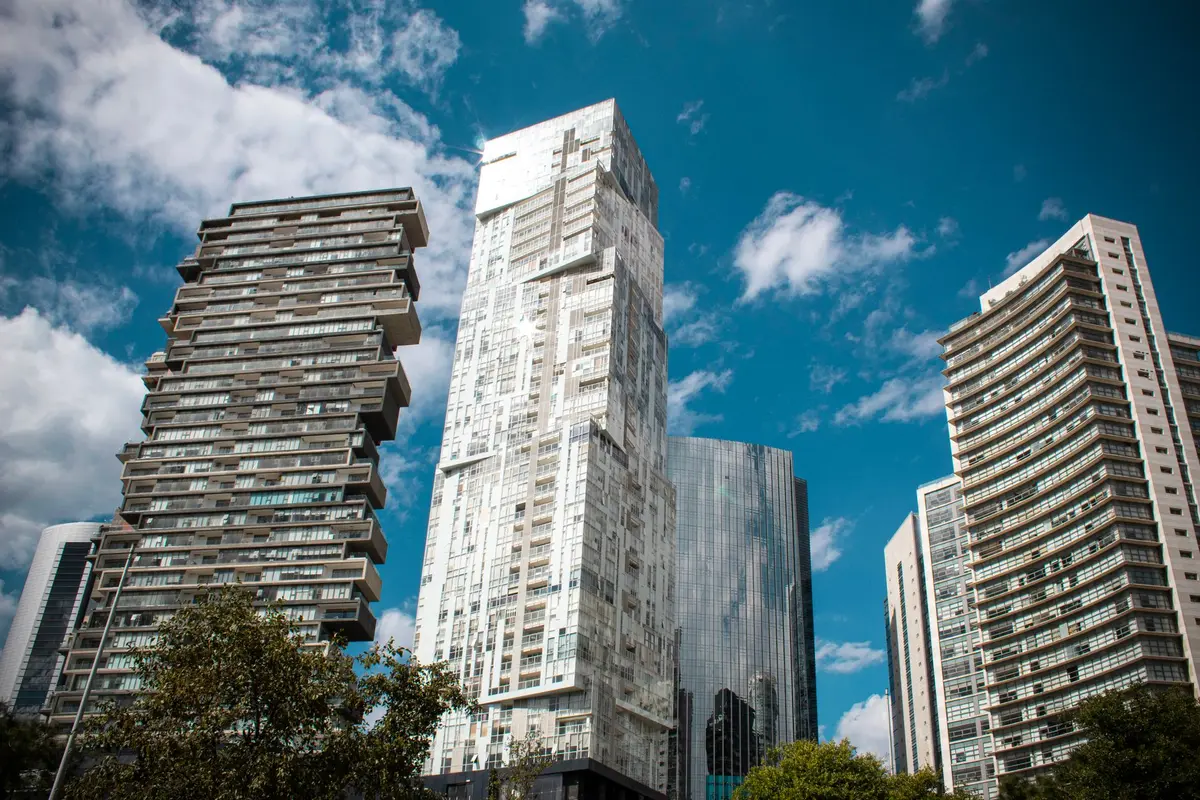
The condo reserve fund (fondo de reserva) is money the community sets aside, separate from the monthly maintenance fee, to pay for major or unexpected repairs: waterproofing the roof, replacing pumps or an elevator, fixing a leak in the cistern. It is built from a portion of the fee (or from a dedicated fee) approved by the owners' assembly, must be held in an account in the condominium's name, and should only be spent with a clear agreement and a clear purpose. Monitoring it is simple if you know what to ask for: the bank statement, the fund's transactions and the minutes authorizing each withdrawal. When the fund is empty or nobody knows where it is, the cost shows up as special assessments right when something breaks. This guide is based on Mexico City's Ley de Propiedad en Condominio de Inmuebles (Condominium Property Law) and tells you what to check if your condo is in another state.
What the reserve fund is and how it differs from the maintenance fee
In a property under the condominium property regime (régimen de propiedad en condominio), owners pay two kinds of money to sustain the common areas. They are often confused, but they serve different purposes:
| Item | What it's for | Examples | Who decides how it's used |
|---|---|---|---|
| Maintenance fee | Day-to-day monthly expenses | Security, cleaning, common-area electricity, landscaping, fees | The administrator, within the approved budget |
| Reserve fund | Major or unexpected repairs | Waterproofing, elevator, pumps, water tank or cistern, facade painting | The assembly (or the procedure set by the bylaws) |
| Special assessment | Covering an expense that neither the fee nor the fund can cover | Urgent work, cash shortfall, new project | The assembly, by vote |
Think of the fund as the building's life insurance: you don't use it every day, but it's what keeps a major failure from turning into a surprise bill for everyone. If you first want to understand how the monthly amount is calculated, read our guide to the condo maintenance fee.
Mexico City's Condominium Property Law provides that, in addition to administration and maintenance fees, the assembly establishes the reserve fund, and the administrator manages it in an account and reports on it. Each state has its own law or a chapter in its Civil Code, and several leave the percentage to the internal bylaws. What binds your condo is found, in this order, in the constitutive deed (escritura constitutiva), the bylaws (reglamento) and the state law.
How much the fund should hold
There is no universal figure in Mexico; it depends on what your bylaws say or what the assembly agrees. As a practical management rule (not a legal mandate), many condos put between 5% and 15% of what they collect in fees into the fund and aim to accumulate, at a minimum, the equivalent of several months of fixed expenses. What matters most is comparing it with what the most expensive possible failure would cost.
How to estimate a realistic target
- List the costly assets of the condo: roof, elevators, pumps, cistern, electric gate, backup generator, facade.
- Note their useful life and replacement cost, using recent quotes from two or three vendors.
- Divide the cost by the years remaining until each replacement. The annual total is what you should be setting aside.
- Compare it with what is set aside today. If the gap is large, the assembly has to choose between raising the contribution or accepting a future special assessment.
An illustrative example: a 24-unit building that charges 1,800 pesos per unit collects 43,200 pesos a month. If it puts 10% aside, that's 4,320 pesos a month, about 51,840 a year. Roof waterproofing can cost several times that amount, so the fund would have to build up for years to cover it without charging extra. The figures are for illustration; get real quotes for your building.
A small fund is not a saved-up fund: if the administrator says "there is a fund" but the amount wouldn't even cover replacing a pump, the community effectively depends on special assessments. Ask for the balance and compare it with the building's most expensive and oldest asset.

What it can (and can't) be spent on
The golden rule: the fund covers major, unexpected expenses and work that extends the building's life, not what should come out of the monthly fee. Most bylaws draw the line this way:
Appropriate uses
- Roof waterproofing and repair of structural leaks.
- Replacement or major repair of elevators, hydropneumatic pumps, cisterns and water tanks.
- General facade painting and rehabilitation of common areas.
- Urgent repairs after an earthquake, fire or damage that affects safety (with the assembly informed afterward if there was no time to convene it).
- Deductibles on the building's insurance, if the assembly so decided. See how this works alongside your condo insurance.
Uses you should question
- Plugging a hole in the monthly fee because many owners are delinquent or the budget fell short.
- Paying the administrator's fees, bonuses or expenses without an assembly agreement.
- "Temporary" loans to the operating account that are never repaid.
- Luxury work or new amenities that nobody voted on.
Beware of the "loan": the fund is not petty cash. If it's used to cover operating expenses, the gap grows every month and the reserve disappears without anyone having spent it on anything visible. Insist that any transfer between accounts be recorded in the minutes.
How to monitor it: what to ask for
As a condo owner you have the right to know how the common money is handled, and the assembly (together with the Oversight Committee (Comité de Vigilancia), where one exists) is what reviews the administrator. Here is what you should request every year, in writing:
- The fund's bank statement showing the current balance and the last 12 months of transactions. It must be in the condominium's name, not the administrator's.
- A contributions report: how much came in each month and what percentage of the fee that represents.
- A list of withdrawals with date, amount, vendor and invoice number.
- Assembly minutes authorizing each significant expense from the fund.
- Comparative quotes for work paid for with the fund (ideally three).
- A major maintenance plan with dates and estimated costs.
A 15-minute review
With the bank statements in hand, do this math: (1) add up each month's deposits and compare them with the reported contributions; (2) count how many withdrawals there are and how many have minutes; (3) verify that the bank balance matches the one in the report. If something doesn't add up, ask for a written explanation and raise it at the next assembly.
If the administrator refuses to hand over the information, don't improvise solutions on your own: document the refusal and take it to the assembly. In Mexico City you can also go to PROSOC (the city's condominium and consumer-protection agency), which offers conciliation and arbitration in condo disputes. If the problem is serious and repeated, our guide on how to remove a condo administrator explains the procedure. And so that a vote isn't thrown out over a formal mistake, review how a condo owners' assembly works.
Tip: propose that the administrator present the fund's status at every ordinary assembly and that the Oversight Committee sign off that it has checked it against the bank. A one-page sheet with the balance, inflows and outflows is enough.
Warning signs that something is wrong
| Sign | What it could mean | What to do |
|---|---|---|
| Nobody knows how much there is | There's no separate account or no one keeps track | Ask for the bank statement and demand an account in the condominium's name |
| Frequent special assessments | The fund is insufficient or was spent on something else | Review withdrawals from recent years |
| Withdrawals with no minutes or invoice | Unauthorized spending | Ask for a written explanation and an audit |
| The balance drops and there's no visible work | Loan to operating expenses or diversion of funds | External audit; consider legal action |
| Contributions stop | Setting money aside was dropped without notice | Put the issue on the agenda |
An external audit can be approved by the assembly and is usually cheaper than living with the doubt. If it finds that funds are missing, the next steps are formal demand letters and, if money is being withheld or misused, civil or criminal action (abuso de confianza, or breach of trust). Consult a condominium lawyer before deciding.
If you're buying or renting: check the fund first
The reserve fund affects what you will really pay for an apartment. A building with a healthy fund usually has its roof, elevators and pumps in good order; one without a fund is a candidate for a special assessment shortly after you move in. Before signing, ask the seller or the administration for:
- The no-debt certificate (constancia de no adeudo) for fees and the current fee amount.
- The reserve fund balance and how many months it has been building up.
- The minutes of the latest assemblies: look for approved work and pending special assessments.
- The major maintenance plan or, at the very least, the age of the roof, elevators and pumps.
Having this information also helps you negotiate the price. To compare options, browse the condos for sale and rent or the apartments on the portal, and if you want the detailed pros and cons of this type of housing, read buying a house in a condominium. To budget the full purchase, use the closing cost calculator. And if you're an owner looking to sell, a condo with clear books sells better: list your property with your paperwork in order.
Frequently asked questions
Is a reserve fund mandatory in a condominium?
In Mexico City the law provides that the assembly establish the reserve fund along with the maintenance fees, and most bylaws include it. In other states it depends on their law, the constitutive deed and the internal bylaws. Even if your condo doesn't require it, it's wise to create one so you don't depend on special assessments.
Who decides what the reserve fund is spent on?
The condo owners' assembly, either directly or through the rules set by the bylaws. The administrator carries out the payments but shouldn't use the fund for unauthorized expenses. Ask that every major withdrawal come with minutes, an invoice and quotes.
What percentage of the fee should go to the reserve fund?
Your bylaws or the assembly set it; there is no single national figure. As a common practice, many condos put between 5% and 15% of what they collect into the fund and aim to accumulate several months of expenses. Ideally you calculate it based on the cost and useful life of the building's expensive assets.
Can I demand to see the fund's bank statement?
Yes. As a condo owner you have the right to know how the common resources are managed. Request it in writing from the administrator, with a copy to the Oversight Committee, and raise the issue at the assembly if there's no response. In Mexico City you can request conciliation through PROSOC.
What happens to the fund when I sell my apartment?
The fund belongs to the condominium, not to each owner: what you contributed is not refunded when you sell, and the buyer joins a community with that cushion in place. That's why a healthy fund adds value. When selling, ask for the no-debt certificate to hand over at closing (escrituración).
Listings
Recent properties
 For sale
MX$1,440,000
Land
Land for Sale in Residencial Lomas del Dorado
Boca del Río, Veracruz
 For sale
MX$3,900,000
House
House for Sale in Las Lomas, Riviera Veracruzana | 3 Bedrooms with Private Bathrooms
Alvarado, Veracruz
 For sale
MX$10,900,000
Land
Attention Investors
Puerto Vallarta, Jalisco
Keep reading
Related articles

Delinquent Condo Fees: What the Owners' Assembly Can Do
Neighbors behind on condo fees: what the assembly can do, what is off-limits, how to collect through an executory civil action, and how to set up a payment agreement.
Inmobiliaria32 Team
How to Sue Your Condo's Administration: Options and Steps
How to sue your condo administration: a PROSOC complaint, arbitration, a civil lawsuit or a criminal report, what evidence to gather and how long each route takes.
Inmobiliaria32 Team
How to Remove a Condo Administrator, Step by Step
How to remove a condominium administrator: evidence, notice, vote, handover of accounts, and what to do if they refuse. Get it done without the resolution being annulled.
Inmobiliaria32 Team

Natural Disaster Fund: Government Help for Your Home
Government natural disaster assistance for your home can include damage surveys of affected families and reconstruction programs. Here is how the process works in Mexico.
Inmobiliaria32 Team
Buying a home
Keep learning before you decide
358 guides on buying a home, and thousands of properties listed across Mexico.