

Build vs. Buy a Home in Mexico: What Pays Off in 2026
Build or buy a home? We compare costs, timelines, risks and financing to help you decide which option makes more sense for you.
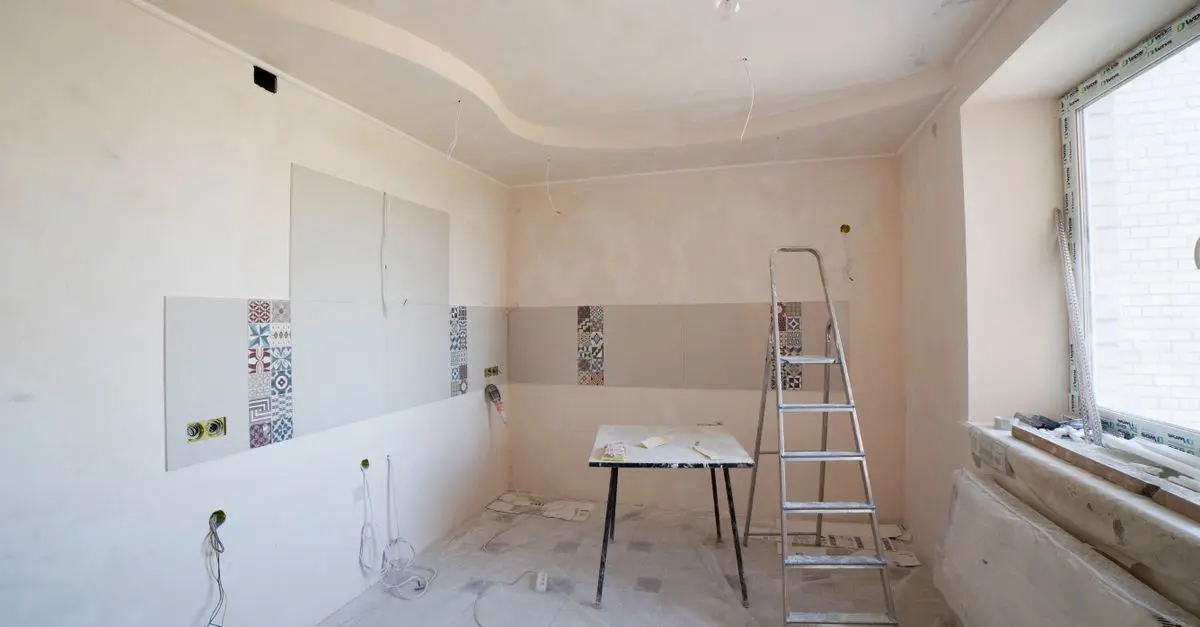
It's one of the biggest financial decisions you'll ever make: build or buy a home? There is no single answer, because it depends on your budget, your tolerance for risk, how urgently you need to move, and the availability of land and properties in your area. In this guide we compare both paths point by point: costs, timelines, financing and risks, so you can decide based on real information and not just a gut feeling.
This article is for informational purposes only and does not constitute legal, financial or tax advice. The amounts, rates, programs and procedures mentioned may change; always verify current information with your bank, INFONAVIT/FOVISSSTE or a professional (notary public, attorney, mortgage advisor) before making a decision.
Overall comparison: build vs. buy
Before getting into the details, it's worth seeing the main differences at a glance. Neither option is "better" in the abstract: each has advantages that carry different weight depending on your priorities.
| Factor | Build | Buy |
|---|---|---|
| Time until you move in | Months, sometimes close to a year with permits and finishes | Weeks to a few months, depending on paperwork and financing |
| Customization | Total: layout, finishes and materials to your taste | Limited to what already exists or to later remodeling |
| Cost certainty | Lower: cost overruns from materials, changes and delays | Higher: price agreed upfront |
| Administrative burden | High: permits, construction oversight, contractors | Lower: purchase-sale process and escrituración (deed signing) |
| Financing | Construction loans released in stages, fewer bank options | Wide range of traditional mortgage loans |
Costs: what weighs most in each option
Comparing costs between building and buying is not as simple as putting two numbers side by side, because building involves several line items that are already included in the final price when you buy.
When building
You need to add up the land, the architectural plans, municipal permits, utility connections, the structural shell (obra gris), the finishes and, almost always, a cushion for unexpected expenses. Material prices fluctuate with the market, so a quote has an "expiration date" and the initial budget rarely matches the final one.
When buying
The price already reflects land, construction and, in new developments, infrastructure and finishes. On top of that come closing costs: escrituración (deed signing), appraisal, notary public (notario público) fees, acquisition taxes and, if applicable, the opening of the mortgage loan. These costs often represent a significant percentage of the property price, so it's worth reviewing them carefully in our guide to hidden costs of buying a home or estimating them directly with our deed-signing cost calculator.
A point that is often forgotten
The construction cost per m² does NOT include the land. Before comparing figures, make sure you're comparing apples to apples: the total price of buying a finished home versus the total cost of building (land + construction + permits + contingencies), not just the cost of the construction work.
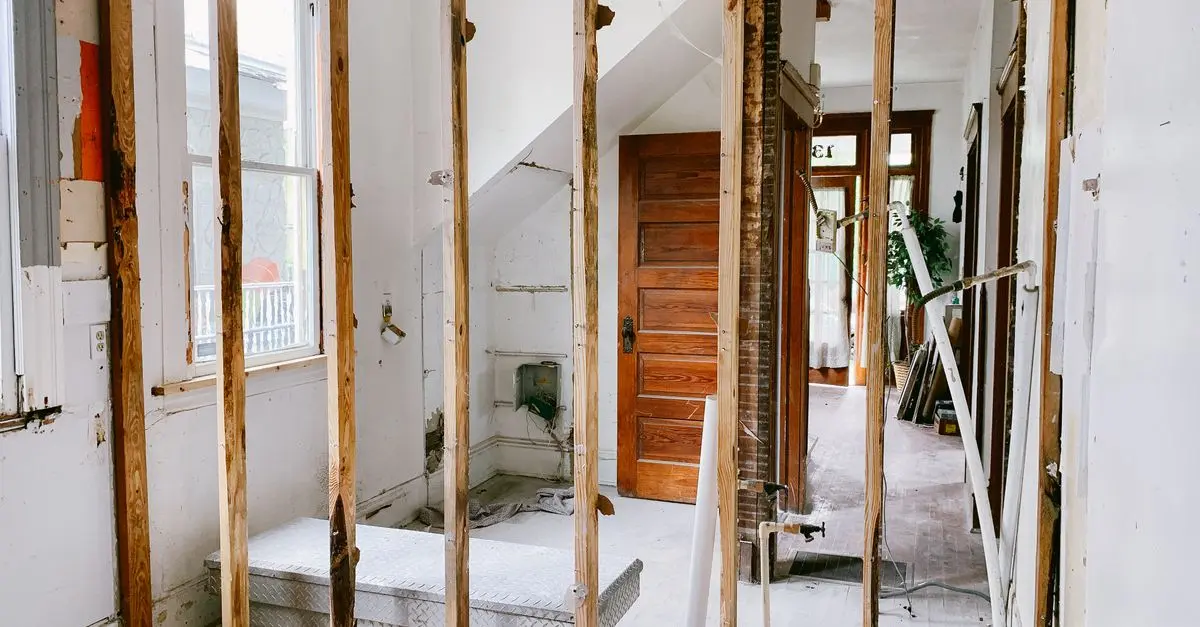
Wait time until you move in
If you need to sort out your housing soon, the time factor alone can tip the scales.
- Building: between the design, permits, structural shell and finishes, the full process usually takes several months and in many cases approaches a year. Weather, delays in paperwork and last-minute changes frequently stretch the timeline.
- Buying: if you pay in cash, the purchase process can be completed in weeks. With a mortgage, the timing depends on the bank's approval, the appraisal and the availability of the property, but it is usually considerably faster than building from scratch.
If you need to move urgently — for example, because of a job change or the end of a rental contract — buying a finished home almost always wins on this point.
Financing options
The availability of credit also differs between the two paths, and that affects how much you can borrow and under what conditions.
Loans for building
There are bank construction loans for building on land you own, which usually release the money in stages as the work progresses, subject to inspection or partial appraisal. For members of the system (derechohabientes), INFONAVIT offers self-build housing programs designed for people who already own a lot and want to build on their own. The commercial name, requirements, amounts and conditions change over time, so always confirm current information on the Institute's official website or directly with your bank before deciding.
Loans for buying
Here the offering is much broader: traditional bank loans, INFONAVIT, FOVISSSTE, co-financing and combined schemes. Because it's a more mature market, it's generally easier to compare rates and terms across institutions and find the scheme that best fits your income profile.
Before committing to any loan
- Compare the Total Annual Cost (Costo Anual Total, CAT), not just the nominal rate.
- If it's for building, check that the staged disbursements match the real progress of your construction.
- Confirm that the land or property is free of liens before signing.
- Leave room in your budget: almost no construction project ends up costing exactly the initial estimate.
Risks of each path
Every real-estate process carries risks, but they are different in nature depending on the route you choose.
Risks when building
Cost overruns from material price swings, delays due to weather or paperwork, unreliable contractors, design errors discovered halfway through the build, and the time burden of overseeing the work. It's also essential to verify the land's zoning (uso de suelo) before buying it: not every lot allows residential construction.
Risks when buying
Acquiring a property with debts, liens or legal problems if proper due diligence isn't done; maintenance surprises in used homes; and, in general, the typical risks of any purchase-sale transaction if the seller isn't properly vetted. Before signing anything, thoroughly investigate the seller and be wary of prices far below market or pressure to close quickly.
A warning sign common to both paths
Whether you buy a lot to build on or a finished home, always request the certificado de libertad de gravamen (lien-free certificate) before closing the transaction. It is the most direct way to confirm that the lot or property has no pending debts, mortgages or seizures. Here's an explanation of how to obtain it.
When does each option make sense?
There is no universal answer, but these scenarios can help you figure out where you stand:
- Building usually makes sense if: you already own a lot or have access to one, you want a very specific design, you're not in a rush, and you're willing to oversee the construction yourself or pay for professional supervision.
- Buying usually makes sense if: you need to move soon, you prefer certainty about the final price, you want to avoid the administrative burden of a construction project, or you've found a property that already meets your needs at a good price.
- A middle ground: buying a used home and remodeling it can combine speed with a degree of customization, without the risks of building from scratch.
Whatever you decide, it's worth understanding how much the value of your investment could grow over time before settling on an area or a lot.
Frequently asked questions
Is it cheaper to build or to buy a home?
It depends on the case. Building can be cheaper if you already own the land and keep a tight grip on the budget, but it carries the risk of cost overruns. Buying a finished home gives you price certainty from the start. It's worth comparing real figures for your area before deciding.
How long does it take to build a home compared to buying one?
Building usually takes several months, sometimes close to a year once you factor in permits and finishes. Buying a finished home, especially in cash, can be wrapped up in weeks; with a mortgage, the timeline depends on the bank's approval.
Can I use a mortgage to build on land I already own?
Yes, there are construction loans that are disbursed in stages, as well as self-build housing programs for INFONAVIT members (derechohabientes). The program name, requirements and amounts change over time, so verify current conditions with your bank or the Institute.
What should I check before buying a lot to build on?
Verify the zoning (uso de suelo), that the land has proper escrituras (title deeds) and is free of liens, access to utilities such as water and electricity, and the topography of the lot, since sloped land can make foundations more expensive. It's advisable to confirm these points with a professional before committing your money.
Do you already know which path to take?
Explore move-in-ready homes or available lots to build on, and compare real options before you decide.
Listings
Recent properties
 For sale
MX$10,900,000
Land
Attention Investors
Puerto Vallarta, Jalisco
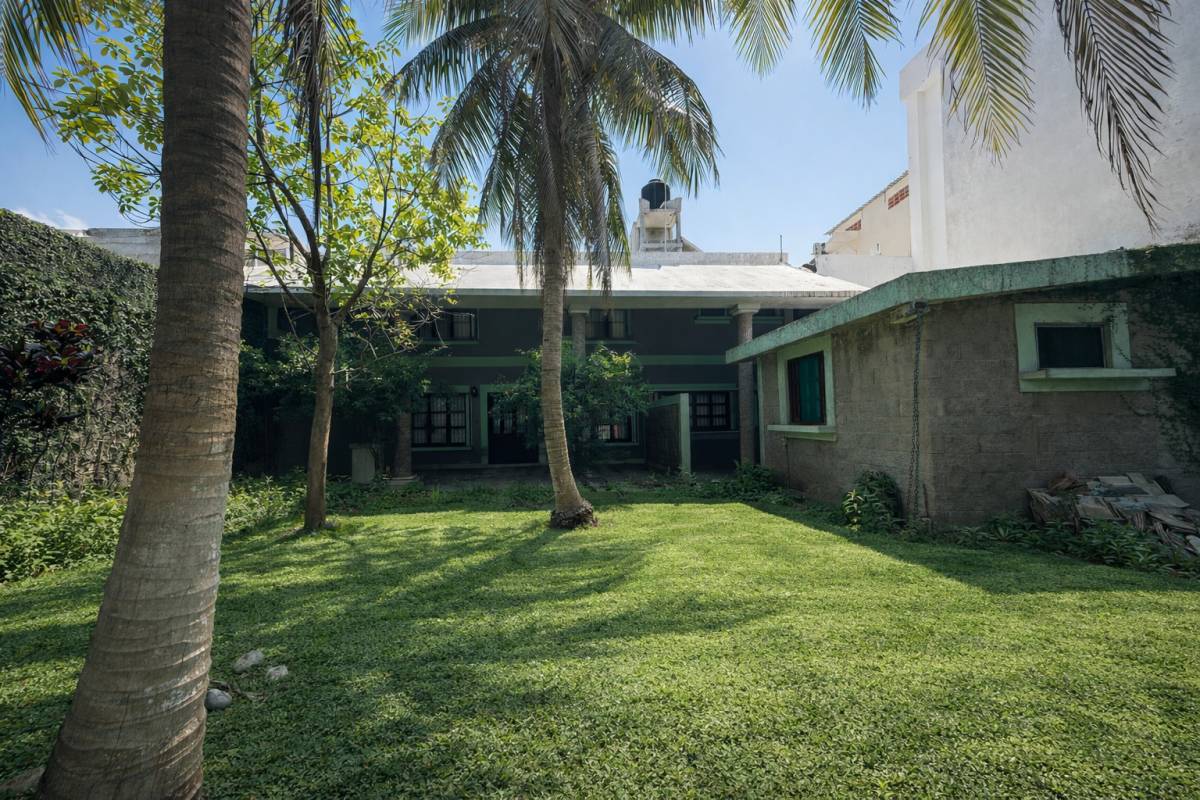 For sale
MX$11,900,000
House
House For Sale With Spacious Layout And Excellent Opportunity In Joyas de Mocambo
Boca del Río, Veracruz
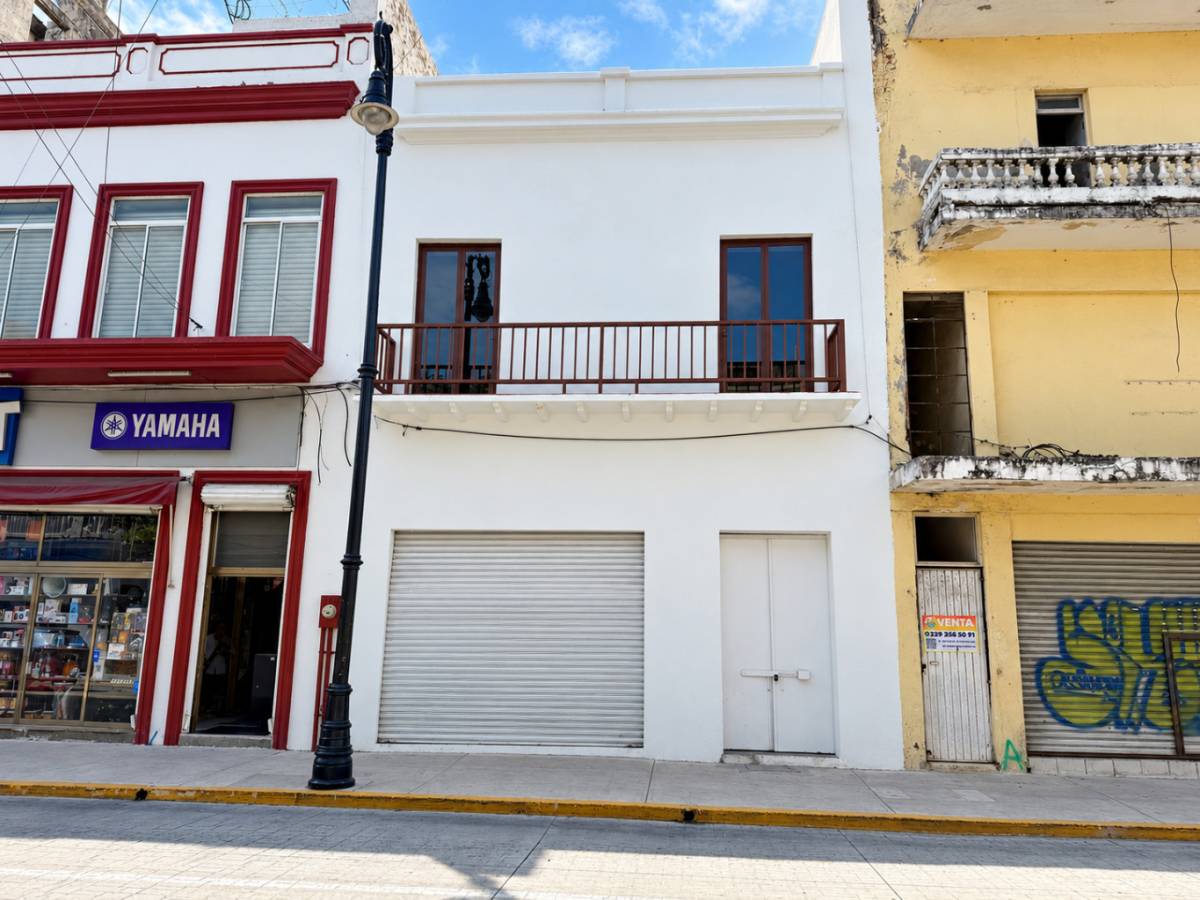 For rent
MX$55,000/month
Commercial space
2-Story Commercial Space With Double Access
Veracruz, Veracruz
Keep reading
Related articles

Vacation Home vs. Hotel: When Buying Makes Sense
Buying a vacation home instead of staying in hotels makes sense when you visit the same destination often and plan to use the property for several years.
Carlos Mendoza

Buying Land to Build vs. a Finished Home in Mexico
Build or buy a house? Compare costs, timelines, risks and paperwork between buying a lot to build on and buying a finished home in Mexico.
Carlos Mendoza

Using FOVISSSTE to Buy Land or Build Your Home
Can you use your FOVISSSTE loan to buy a plot of land or build your house? Here's what to know.
Inmobiliaria32 Team
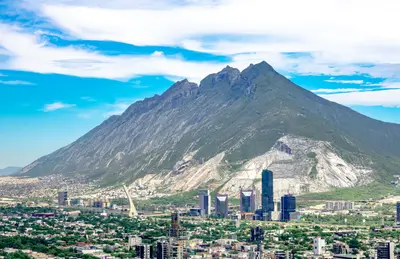
Monterrey's Water Crisis: What It Means for Homebuyers
Monterrey's water crisis: what happened in 2022, how the dams stand today, what infrastructure was built, and what to check in a home before buying in the metro area.
Inmobiliaria32 Team
Building and remodeling
Keep learning before you decide
33 guides on building and remodeling, and thousands of properties listed across Mexico.