

Buying a Home in Mexico Remotely Without Traveling
A practical guide to buying a home in Mexico remotely: powers of attorney, virtual tours, fideicomiso (bank trust), and the legal steps to close the deal without traveling.
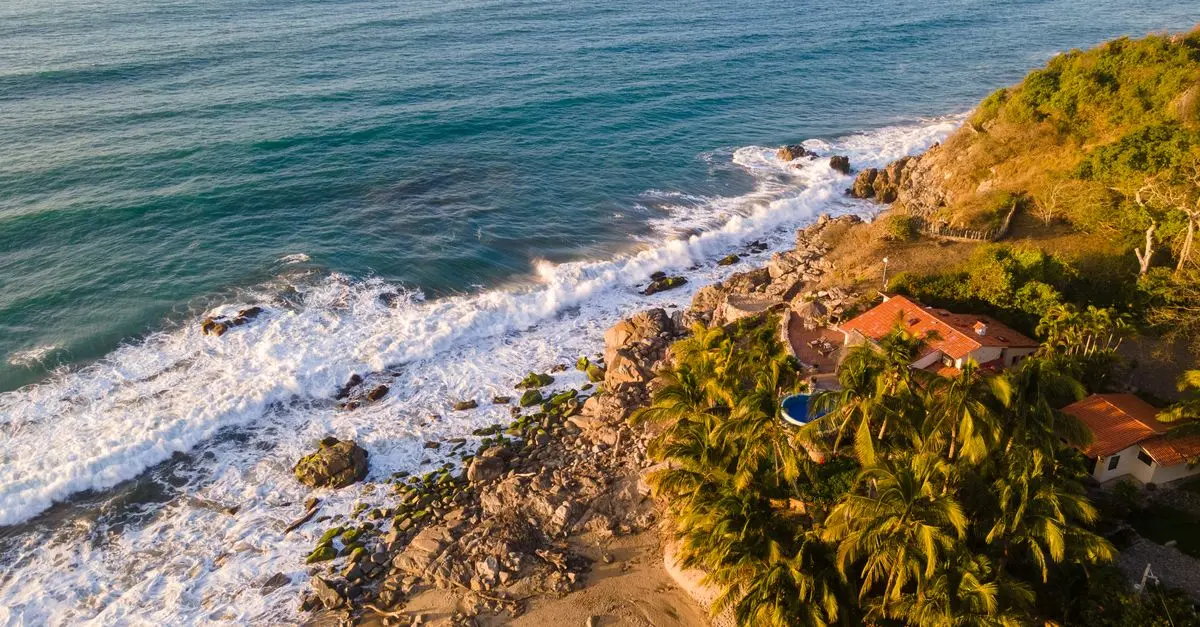
More and more foreign buyers, along with Mexicans living abroad, are looking to buy a home in Mexico remotely, without having to travel for the entire process. It can be done, but it takes organization, a trustworthy team on the ground in Mexico, and an understanding of which steps require you to be there in person and which can be delegated through a notarized power of attorney. In this guide we walk through the entire process, from finding the property to signing the deed (escritura), designed specifically for people who live outside the country.
Important notice
This article is for informational purposes only and does not constitute legal, tax, or immigration advice. Laws vary by state and change over time. Before signing any document or transferring money, consult a notary public (notario público), a real estate attorney and, if applicable, an accountant who specializes in international transactions.
Is it really possible to buy without traveling?
Yes, you can complete most of the process of buying property in Mexico without setting foot in the country, although almost no notary recommends doing the entire process blind. The key is to split the process into two groups: what can be done remotely (searching, negotiating, reviewing documents, handling financing or transfers, and often the signing itself via a notarized power of attorney) and what is advisable or requires physical presence at some point (ideally at least one visit to see the property in person, and in some states signing the final deed before a notary if no power of attorney was granted).
Technology helps a lot: video calls for virtual tours, electronic signatures for preliminary documents, international bank transfers, and platforms like Inmobiliaria32 for searching and comparing houses or apartments by city, price, and features before committing to an in-person visit.
The notarized power of attorney: your key tool
The legal instrument that makes buying remotely possible is a special notarized power of attorney (or a power of attorney for acts of ownership, depending on the case) granted to a trusted person in Mexico—it can be a family member or an independent attorney—so they can sign the deed on your behalf. Avoid having the same notary who will handle the transaction also act as your attorney-in-fact: mixing the role of impartial public official with that of a representative for one of the parties is a conflict of interest that most responsible notaries refuse, and it can call into question the validity or impartiality of the transaction.
- Where it is granted: it can be signed before a Mexican notary public if you travel briefly, or before a Mexican consul in your country of residence, which is usually the most practical option for those who cannot travel.
- What it must specify: clear powers limited to the transaction (buying the specific property, signing the fideicomiso if applicable, opening related accounts), with a limited term to avoid the risk of misuse.
- Apostille: if the power of attorney is signed outside Mexico before a foreign (non-consular) notary, it normally requires an apostille and a legal translation to be fully valid in Mexico.
- Cost and timing: these vary by consulate or notary office; it's wise to allow several weeks of margin before the planned signing date.
A poorly drafted power of attorney is one of the most common causes of delays or later problems, so this part of the process should not be handled with generic templates from the internet: review the checklist of documents for buying a home with your attorney before granting any power of attorney.
Steps of the process you can do remotely
| Stage | Can it be done remotely? | Notes |
|---|---|---|
| Searching and comparing properties | Yes, entirely | Use portals and filters by area, price, and property type |
| Initial tour (video call) | Yes, partially | Useful for ruling out options, but not a substitute for an in-person visit |
| Review of the property's documents | Yes, with a local attorney | Includes the lien-free certificate (libertad de gravamen) and registry history |
| Negotiating price and terms | Yes, entirely | By email, video call, or through the agent |
| Mortgage loan process (if applicable) | Partially | Some banks require an in-person signature or interview; in addition, most require an RFC/CURP (or an equivalent tax-identity process) and, for non-resident foreign buyers, usually ask for a local guarantor or co-borrower, which makes financing from abroad difficult |
| Setting up a fideicomiso (restricted zone) | Yes, with a notarized power of attorney | The trustee bank may also ask for additional requirements |
| Signing the deed before a notary | Yes, with a notarized power of attorney | Without a power of attorney, the buyer must be physically present |
For financing, review our guide to mortgage loans step by step well in advance, since some documentation requirements for foreigners or residents abroad take longer than usual. Most Mexican banks require an RFC/CURP (or an equivalent tax-identity process) to open a loan, and they usually ask foreign buyers who do not live in Mexico for a local guarantor or co-borrower—a practical obstacle that is best resolved from the start if you plan to finance the purchase without traveling; many remote buyers end up paying in cash precisely to avoid this hurdle.

Fideicomiso and the restricted zone
If the property you're interested in is within the so-called restricted zone—roughly a 50 km strip from the coast or 100 km from the borders—and you are a foreigner, the Mexican Constitution does not allow you to acquire direct ownership. The legal route is a bank trust (fideicomiso), in which a Mexican bank acts as trustee and you keep all the rights to use, rent, sell, and bequeath the property.
Setting up the fideicomiso can be handled remotely if you granted a suitable notarized power of attorney, but it's worth being clear beforehand about: the term of the fideicomiso (generally renewable every 50 years), the trustee bank's annual fee, and which bank to choose, since fees and response times vary quite a bit between institutions. We go into all of this in our dedicated guide to the fideicomiso for foreigners in the restricted zone.
Useful fact
Outside the restricted zone, a foreigner can acquire direct ownership (without a fideicomiso), but that doesn't mean the process is free of requirements: the Foreign Investment Law requires the so-called permit or agreement before the Secretaría de Relaciones Exteriores (the Calvo clause), by which the foreign buyer agrees to be considered a Mexican with respect to the property and not to invoke the protection of their home government. This is a routine step in practically all purchases by foreigners outside the restricted zone, not an exceptional requirement in some states, and it is normally handled by the notary as part of the closing. Always confirm the applicable regime for the specific location with your notary.
Risks and how to minimize them
Buying without being physically present heightens some risks that exist in any purchase, but that weigh more when you can't verify things yourself on the spot:
- Discrepancies between what is shown and reality: photos and videos may not reflect the true condition of the property or its surroundings; that's why an in-person visit at some point in the process is highly recommended, even if it's just once.
- Document fraud: always review an up-to-date lien-free certificate (certificado de libertad de gravamen) and confirm the seller's identity independently, not only through whoever is offering you the property.
- Misuse of the power of attorney: limit the scope of the power to the specific transaction and its term to a reasonable period.
- Costs that get overlooked in the budget: apostilles, translations, international transfer fees, and additional notary fees for remote handling. Also see our guide to the hidden costs of buying a home.
Red flag
Be wary of any seller or intermediary who pressures you to close the whole transaction without letting an independent attorney review the documents, or who asks for transfers before a formal purchase agreement is signed. Read our guide to common real estate fraud in Mexico before advancing any money.
How to build your trusted team in Mexico
The difference between a successful remote purchase and one full of complications usually comes down to the local team you put together before moving forward:
- Independent real estate attorney: ideally someone who doesn't depend commercially on the seller or the developer, so they can review contracts and documents objectively.
- Notary public (notario público): some notaries have more experience working with buyers abroad and can speed up the power of attorney and apostille portion.
- A trusted person to sign on your behalf: if you grant a notarized power of attorney, choose someone you have a solid relationship with and, if possible, share copies of all documents with your attorney in parallel.
- Real estate agent or platform: rely on a reputable portal to filter options before spending your attorney's time reviewing documents for properties that don't even fit your budget or needs. You can explore properties by city at Inmobiliaria32 México.
If at some point you decide to rent while you settle on the final purchase, or you want to compare the cost of living before committing, you can also browse rental options on the same platform.
Frequently asked questions
Can I buy a home in Mexico without ever traveling?
It is technically possible through a notarized power of attorney granted before a Mexican consul in your country of residence, but most notaries and attorneys recommend at least one in-person visit to see the property before signing, since photos and videos don't always reflect the real condition of the property and its surroundings.
What is a notarized power of attorney and how do I get one from abroad?
It is a legal document that authorizes another person to sign on your behalf. You can grant it before a Mexican consul in your city of residence, or before a foreign notary with an apostille and subsequent translation. It must clearly specify the scope of the powers and have a term limited to the transaction.
Do I need a fideicomiso if I buy remotely?
Only if the property is within the restricted zone (near coasts or borders) and you are a foreigner. Outside that zone, in many cases you can acquire direct ownership. Always confirm the applicable regime with your notary, since it can vary by state and exact location.
How do I verify that the property has no debts or legal problems without being in Mexico?
Your local attorney can request an up-to-date lien-free certificate (certificado de libertad de gravamen) from the corresponding Registro Público de la Propiedad, as well as review the deed history and verify there are no outstanding predial (property tax) or utility balances. This can be handled entirely remotely with a power of attorney or a specific authorization for the procedure.
Ready to search for your next property in Mexico?
Explore thousands of verified options and calculate your costs before committing remotely.
Listings
Recent properties
 For sale
MX$1,440,000
Land
Land for Sale in Residencial Lomas del Dorado
Boca del Río, Veracruz
 For sale
MX$3,900,000
House
House for Sale in Las Lomas, Riviera Veracruzana | 3 Bedrooms with Private Bathrooms
Alvarado, Veracruz
 For sale
MX$10,900,000
Land
Attention Investors
Puerto Vallarta, Jalisco
Keep reading
Related articles

Can I Buy a House Without Seeing It in Person?
Buying a house sight unseen is possible with photos, video, and a trusted representative.
María Elena Rodríguez

Cheapest Cities to Buy a House in Mexico
Discover the most affordable cities to buy a house in Mexico, what explains their low prices, and how to evaluate whether moving there makes sense for you.
María Elena Rodríguez
Selling Your Home Abroad to Buy in Mexico
How to coordinate selling your home abroad with buying in Mexico: timing.
Inmobiliaria32 Team
Repatriating Your Savings to Buy a Home in Mexico
A practical guide to repatriating savings and buying a home in Mexico without surprises: which documents to have ready.
Carlos Mendoza
Buying a home
Keep learning before you decide
358 guides on buying a home, and thousands of properties listed across Mexico.