

Duplex Homes: Advantages vs. Single-Family Homes and Condos
What a duplex house is, how it differs from a single-family home and an apartment, and when it makes sense to buy one based on your budget and lifestyle.

If you're looking for a place to live in Mexico and the word "dúplex" keeps showing up in listings, it's normal to have questions: is it a house, an apartment, or something in between? The short answer is that a duplex combines traits of both worlds, which is why it has become such a sought-after option in urban areas where land is expensive but people still want space of their own, a yard, and some independence. In this guide we explain exactly what a duplex house is, how it compares to a single-family home and to an apartment, and when one option makes more sense than the others.
What is a duplex house?
A duplex house is a two-story home built on a single lot, generally sharing a party wall (muro medianero) with another identical or mirror-image home. Unlike an apartment, each duplex usually has its own independent entrance from the street, and it often comes with a yard, garage, or terrace for exclusive use. Unlike a single-family home, it shares at least one structural wall with the neighboring unit, which lowers the cost of the land and of construction per unit.
It's important not to confuse a "dúplex" (two homes joined by a wall, each with its own street-level entrance) with a "departamento dúplex" (a single apartment unit spread across two floors inside a building). Both terms are used in the Mexican market, so it's worth asking the seller or agent directly which one the listing refers to before scheduling a visit.
Legally, a duplex may be registered under a condominium ownership regime (régimen de propiedad en condominio) when it shares common areas with the neighboring unit, such as a driveway or garden, or as two independent properties with separate deeds (escrituras). This directly affects maintenance payments and the rules of coexistence, so it's one of the first things to verify.
Duplex vs. single-family home: key differences
The most common comparison is between a duplex and a single-family home (also called a detached house), because both offer a private entrance and, almost always, a yard or garage. The main differences come down to privacy and price.
| Aspect | Duplex house | Single-family home |
|---|---|---|
| Price per built m² | Generally lower | Generally higher |
| Acoustic privacy | Medium (shared wall) | High |
| Own land | Smaller, almost always held as a shared fraction | The full lot, for exclusive use |
| Facade and structural maintenance | May require agreement with the adjoining neighbor | Entirely your own decision |
| Potential for expansion | Limited by the shared wall and regulations | More freedom, subject to municipal rules |
In mid-to-high-appreciation areas of the country's major cities, a duplex usually costs less than a comparable single-family home, although the amount you save varies by city, colonia, and developer. It's worth comparing prices of similar houses in your area of interest before you decide.
Duplex vs. apartment
Compared to an apartment in a building, a duplex almost always wins on usable space and functional independence: there's no elevator to wait for, no neighbors above and below (only next door), and you normally get some yard or a garage of your own. In exchange, an apartment tends to be in more central areas, with amenities like a pool, gym, or 24/7 security included in the maintenance fee, something a duplex rarely offers at that level.
- Vertical space: a duplex usually puts the bedrooms upstairs and the social areas downstairs, which gives a feeling of greater spaciousness than an apartment of the same square footage.
- Neighbor noise: in a duplex, noise comes from one side (the party wall); in an apartment, it can come from above, below, and both sides.
- Maintenance fees: condominium apartments tend to have higher fees because of shared amenities; a duplex, when it isn't part of a condominium, may have no fee at all.
- Location: apartments tend to be concentrated in areas with more public transportation and nearby services; duplexes tend to be in peripheral or medium-density residential developments (fraccionamientos).
- Interior stairs: something to consider if there are older adults or people with reduced mobility in the family.
If your priority is a central location and amenities, check out options in apartments. If you prioritize space of your own with a better price per square meter, a duplex is usually the ideal middle ground.

Pros and cons of living in a duplex
Most common advantages
- Purchase price generally lower than a comparable single-family home in the same area.
- Independent entrance: you don't share an elevator, hallway, or gate with dozens of neighbors.
- Usually includes a garage and a yard or terrace for exclusive use, which is uncommon in apartments.
- Because you share a wall with your neighbor, energy consumption can be somewhat more efficient than in a detached house, although this also depends on the insulation and orientation of the building.
- In many cases there is no condominium maintenance fee, or it is very low.
Drawbacks to consider
- Less acoustic privacy than a single-family home: noise from the adjoining neighbor can be heard.
- Renovations to the facade or the shared wall sometimes require your neighbor's agreement.
- Your own land is usually smaller, which limits future expansions.
- Resale can take longer in some markets if local demand for this type of housing is low.
- If the duplex is in a condominium, review the bylaws before buying: they may restrict uses such as short-term rentals.
Who should buy a duplex?
A duplex is usually an excellent option for young families looking for a first home on a tight budget, for couples who want more space than an apartment offers without paying the price of a single-family home, and for people who value having their own yard or garage but don't need a large lot. It's also interesting for those thinking about their future property appreciation, since in growing areas this type of housing tends to maintain good demand for both purchase and rental.
Before you sign, verify these points
- Whether the duplex is in a condominium or on independent properties, and what each regime means for maintenance.
- The condition of the party wall and who is responsible for repairing it if it's damaged.
- That the land and construction area match between what's being offered and what appears in the deed and the certificate of freedom from liens (certificado de libertad de gravamen).
- The costs associated with the purchase, which apply just as they do for any house.
If, on the other hand, you prioritize maximum privacy and don't mind paying more per square meter, or if you want a central location with amenities and are willing to live in a building, a single-family home or an apartment will probably suit your needs better. There is no automatically "better" option: it depends on your budget, family size, and lifestyle priorities.
This content is informational and general in nature; it does not replace the advice of a notary public (notario público) or an attorney specializing in real estate. Before signing any purchase agreement, confirm the ownership regime, the condition of the party wall, and the terms of the deed with a professional.
Frequently asked questions
What exactly is a duplex house?
It's a two-story home that shares a party wall with a similar home on the same or an adjoining lot, but has its own independent entrance from the street and, generally, a yard or garage for exclusive use. It should not be confused with an apartment spread across two floors inside a building, which is also often called a "dúplex" in some listings.
Is a duplex cheaper than a single-family home?
In most markets, yes, because the cost of the land and part of the structure is split between the two homes. The exact savings vary by city, colonia, and developer, so it's worth comparing real prices of similar properties in the area you're interested in before drawing conclusions.
Does a duplex pay a maintenance fee like an apartment does?
It depends on the legal regime. If the duplex is set up as a condominium with common areas, it may have a fee, although usually lower than that of an apartment building with amenities. If they are independent properties with no shared areas, there is generally no mandatory maintenance fee.
Can you hear your neighbor in a duplex house?
It's possible to hear some noise through the party wall, especially if the construction doesn't have good acoustic insulation. It's less private than a single-family home, but since you share only one wall, it's usually quite a bit quieter than living in an apartment surrounded by neighbors on several sides.
Looking for your next duplex, single-family home, or apartment?
Explore thousands of verified properties across Mexico or list yours in minutes.
Listings
Recent properties
 For sale
MX$10,900,000
Land
Attention Investors
Puerto Vallarta, Jalisco
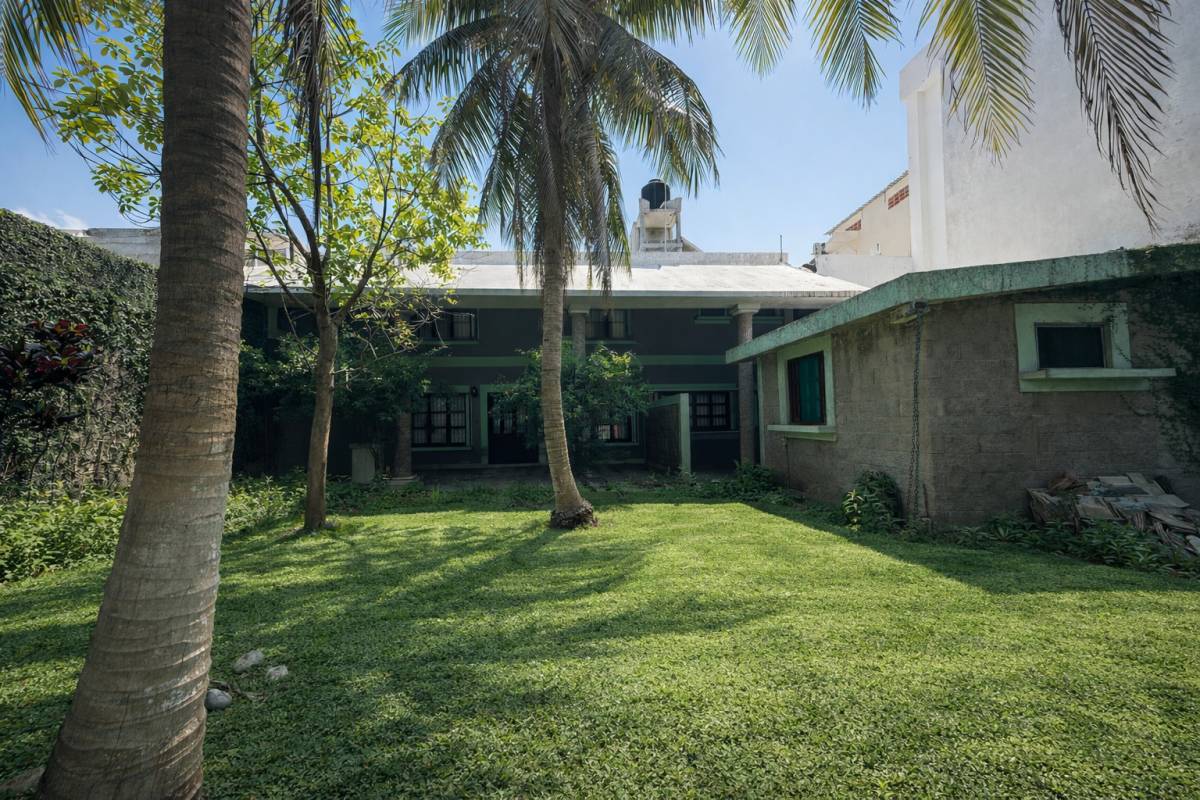 For sale
MX$11,900,000
House
House For Sale With Spacious Layout And Excellent Opportunity In Joyas de Mocambo
Boca del Río, Veracruz
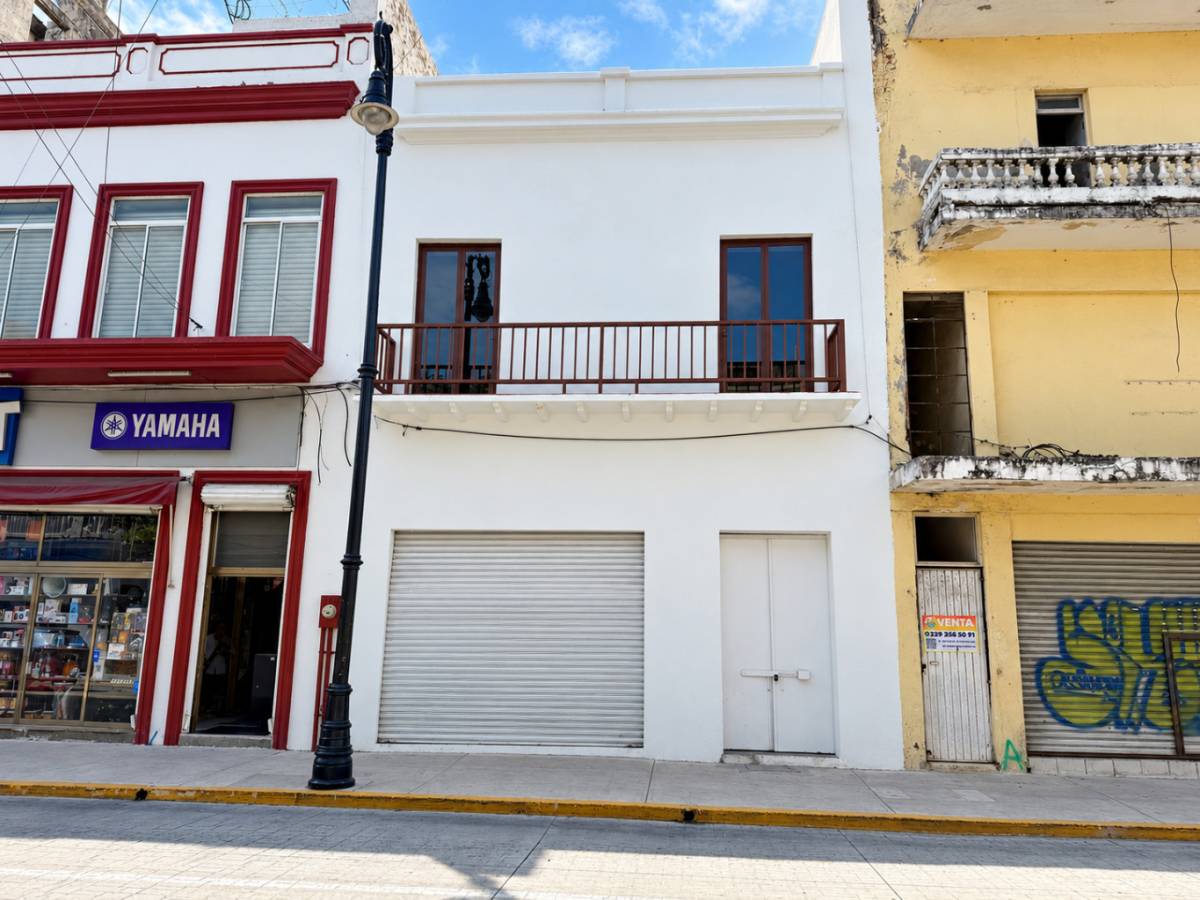 For rent
MX$55,000/month
Commercial space
2-Story Commercial Space With Double Access
Veracruz, Veracruz
Keep reading
Related articles

Big House vs. Downtown Apartment: How to Choose
House or apartment isn't a question with one right answer: it depends on your stage of life, your budget and your day-to-day priorities.
María Elena Rodríguez

New vs. Used Home: Pros, Costs and What to Check
New or used home: we compare price, maintenance costs, location, financing and appreciation to help you decide with real data.
María Elena Rodríguez

Buying a Home as a Single Woman: Safety and Finances
Buying a home as a single woman means weighing neighborhood safety, your own finances, and legal steps without relying on anyone else. A practical guide with key points.
Carlos Mendoza

Monterrey's Water Crisis: What It Means for Homebuyers
Monterrey's water crisis: what happened in 2022, how the dams stand today, what infrastructure was built, and what to check in a home before buying in the metro area.
Inmobiliaria32 Team
Selling your property
Keep learning before you decide
35 guides on selling your property, and thousands of properties listed across Mexico.