

Building System: Block, Concrete or Prefab
We compare block, reinforced concrete and prefabricated systems to help you choose the best home construction system for your budget, climate and build timeline.
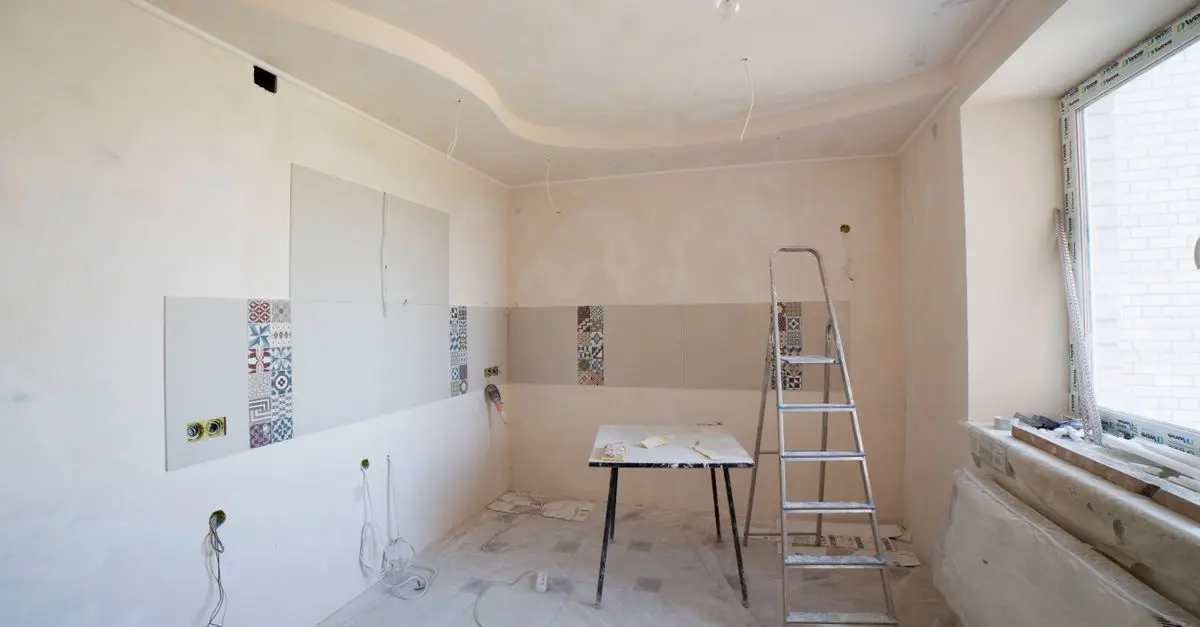
Choosing the best home construction system is one of the decisions with the biggest impact on the final budget, the build schedule and the long-term comfort of the house. In Mexico, three main options coexist: block or brick (tabique) with concrete columns and bond beams (castillos and cadenas), the traditional system; cast-in-place reinforced concrete; and prefabricated or industrialized systems (panels, steel framing, structural timber). Each has advantages and limitations worth understanding before you sign a construction contract.
1. Traditional system: block and brick
This is the most widely used system in the country. It consists of walls of concrete block or fired red brick (tabique), reinforced with reinforced-concrete columns and bond beams (castillos and cadenas) at regular intervals, plus a slab that can be joist-and-vault (vigueta y bovedilla) or cast in place. Its big advantage is that almost any site foreman in any region of Mexico knows how to build it, which makes it easier to find labor and replacement materials.
Among its strengths is thermal mass: block or brick walls retain heat during the day and release it slowly at night, which in temperate climates helps keep temperatures more stable without relying as much on air conditioning. It also offers good impact resistance and makes future changes easy (opening a doorway, running new utilities) without specialized tools.
The main drawback is time: it is a sequential system (foundation, walls, columns, slab) that depends on the concrete curing at each stage, so a mid-sized house can take anywhere from several months to more than a year, depending on the crew and the weather. It also generates more material waste on site than other systems.
2. Cast-in-place reinforced concrete
In this system, walls and slabs are poured directly in reinforced concrete using formwork (molds), rather than being built up piece by piece. It is common in multi-story developments, homes with demanding architectural designs, or high-seismicity zones, because monolithic reinforced concrete tends to offer more predictable structural behavior during earthquakes, provided the design and structural calculations are done properly.
The final quality depends heavily on the formwork: the smoother and better aligned it is, the less finishing work is needed afterward. This can save on plastering, although the cost of the formwork (especially if it is metal or aluminum) raises the initial investment. It is a system that demands more technical supervision, since errors in the steel reinforcement or the pour are difficult and costly to fix once the concrete has set.
In general, cast-in-place reinforced concrete is comparable in timing to the traditional system, although it can be faster if reusable tunnel-type formwork is used, which is common in tract housing developments.
3. Prefabricated and industrialized systems
This category includes precast concrete panels, steel framing (a structure of galvanized steel profiles), and structural timber systems or SIP panels (structural insulated panels). Components are manufactured in a plant under controlled conditions and assembled on site, which greatly reduces construction time, in many cases to weeks instead of months once the foundation is ready.
The advantages include greater dimensional precision, less material waste, and, in several systems, better thermal and acoustic insulation thanks to the insulating cores of the panels. There is also usually less reliance on specialized labor on site, although you do need personnel trained specifically in the chosen system, who are not always available outside large urban areas.
Something to verify
Before opting for a prefabricated system, confirm with the supplier whether the system has an evaluation or applicable standards in your locality, and whether the municipality or development where you will build accepts it without restrictions for the building permit process; requirements vary by state and by soil type.
The main limitation is usually transportation cost (large panels and structures require specialized transport, which makes the project more expensive in areas far from the manufacturing plant) and market perception: some buyers still associate prefab with lower appreciation (plusvalía), although this is changing as certified systems become more popular.

4. Side-by-side comparison
| Criterion | Block / brick | Reinforced concrete | Prefabricated |
|---|---|---|---|
| Build time | Medium-high | Medium | Low |
| Approximate upfront cost | Affordable, varies by region | Medium-high, depends on formwork | Variable, rises with transport |
| Labor availability | High almost everywhere in Mexico | Medium, requires technical supervision | Low outside urban areas |
| Thermal/acoustic insulation | Good thanks to thermal mass | Depends on the design | Generally high |
| Ease of future expansion | High | Medium | Depends on the system |
These values are approximate and vary widely depending on the region, the supplier, the home's design and site conditions; it is always wise to get at least three detailed quotes before deciding.
5. Which factors should weigh most in your decision
- Local climate. In very hot climates or those with large temperature swings, the thermal mass of block or good insulation in prefabricated systems can reduce spending on heating and cooling.
- Seismic risk and soil type. In high-seismicity zones, the structural design (more than the system itself) is what matters most; always request a structural calculation signed by a licensed professional, regardless of the system you choose.
- Budget and cash flow. If your budget arrives in stages, the traditional system makes it easier to pause and resume construction than a prefabricated system that is purchased as a complete batch.
- Timeline. If you need to move in or hand over the home soon, an industrialized system can cut months off the build, as long as there is a reliable supplier nearby.
- Appreciation and local market acceptance. Before committing to a system that is uncommon in your area, research how similar properties perform at resale; it's best to review this alongside an analysis of the price per square meter in Mexico and what increases a home's appreciation.
Practical recommendation
There is no "best" system in absolute terms: the best home construction system is the one that balances your budget, your region's climate, locally available labor and your real timeline. Always ask for quotes itemized by line item (foundation, structure, utilities, finishes) so you can compare apples to apples across systems.
If you're building to sell or rent later, also review the hidden costs of buying or building a home and consider requesting an estimated valuation of the property once it is finished, to gauge whether the investment in the chosen construction system is reflected in the final value.
This article is for informational and educational purposes and does not replace an assessment by a civil engineer, architect or licensed responsible construction supervisor (director responsable de obra, with a professional license, or cédula profesional). Any decision about the construction system, structural design or seismic resistance should be based on a signed structural calculation and the regulations in force in your locality.
Frequently asked questions
What is the best construction system for a house in Mexico?
There is no single answer: it depends on the local climate, the available budget, the timeline and local labor. The traditional block system is the most versatile and affordable in almost the entire country; reinforced concrete makes sense for demanding designs or high seismicity; prefabricated systems stand out when speed and thermal insulation are the priority.
Are prefabricated systems cheaper than block?
Not necessarily. The cost per square meter can be similar or even higher if materials have to be transported long distances to the site. The main advantage usually lies in time savings and less material waste, not always in the final price.
Does reinforced concrete withstand earthquakes better than block?
Seismic performance depends above all on the structural design and compliance with the local building code, not just on the material. Block well reinforced with columns and bond beams (castillos and cadenas) can perform adequately if the structural calculation is done properly; it is always advisable to have an engineer or architect sign off on the structural project.
Does a prefabricated system affect a home's appreciation?
It can vary depending on how common that system is in your region and how established the supplier is. In areas where prefab is still little known, some buyers view it with distrust, although this perception is changing as certified systems become more popular. It's worth researching the resale performance of similar properties in your area before deciding.
Looking for land or homes to build your ideal project?
Listings
Recent properties
 For sale
MX$1,440,000
Land
Land for Sale in Residencial Lomas del Dorado
Boca del Río, Veracruz
 For sale
MX$3,900,000
House
House for Sale in Las Lomas, Riviera Veracruzana | 3 Bedrooms with Private Bathrooms
Alvarado, Veracruz
 For sale
MX$10,900,000
Land
Attention Investors
Puerto Vallarta, Jalisco
Keep reading
Related articles

Concrete vs. Clay Brick vs. Block: Which Is Best for Your Home
Looking for the best material to build a house? We compare concrete, clay brick (tabique) and concrete block on cost, insulation and build speed to help you decide.
Carlos Mendoza

CDMX vs Guadalajara vs Monterrey: Full Comparison for Living
CDMX, Guadalajara or Monterrey: we compare housing, rent, jobs, climate, mobility and water so you can pick the city that best fits your life and your budget.
María Elena Rodríguez

Best Websites to Sell Your Home in Mexico (2026): Comparison
An honest comparison of the best websites to sell a home in Mexico in 2026: Inmuebles24, Vivanuncios, Lamudi, Propiedades.com, MercadoLibre and more. Costs, reach and ease of use.
Inmobiliaria32 Team

New vs. Used Home: Pros, Costs and What to Check
New or used home: we compare price, maintenance costs, location, financing and appreciation to help you decide with real data.
María Elena Rodríguez
Building and remodeling
Keep learning before you decide
33 guides on building and remodeling, and thousands of properties listed across Mexico.