

Renting Rooms in Mexico: Landlord Guide (Contracts, Rules, Taxes)
A practical guide to renting out rooms in Mexico: how to screen tenants, draft contracts and house rules, set the price, and meet your tax obligations.
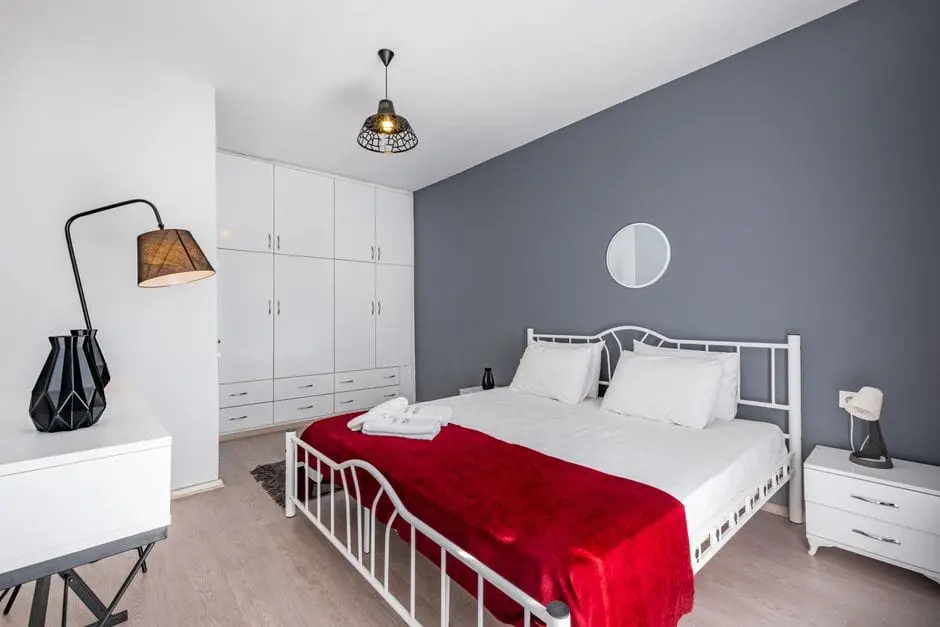
Renting out individual rooms inside a house or apartment is an increasingly common way to generate income, especially in cities with universities and job hubs. Well managed, it can earn more than renting the entire property; poorly managed, it turns into a headache of roommate conflicts and late payments. In this landlord guide we cover how to choose tenants, draft contracts and rules, set the price, and meet your tax obligations in Mexico.
1. Is renting by the room worth it?
Renting by the room usually generates a higher total income than renting the whole property to a single family, but it also means more management: more contracts, more tenant turnover, and the responsibility of managing the living arrangement. It is an attractive model near universities, hospitals, and office districts, where demand from students and young professionals is high.
Before you jump in, make an honest estimate of the time you will put into it. Renting by the room is closer to running a small business than collecting passive rent: you will answer questions, mediate disagreements, coordinate maintenance of common areas, and handle people moving in and out more frequently. If you live far from the property or have little time, consider whether hiring a property manager makes sense or whether it is better to rent the whole property. The room model rewards landlords who live nearby and stay organized.
Advantages:
- Higher potential total income than renting the whole property
- Spreads your risk: if one room empties out, the others keep paying
- Steady demand in student and work areas
Challenges:
- More turnover and more contracts to manage
- Conflicts between tenants
- Greater wear and tear on common areas
2. How to choose and screen tenants
Because each tenant will live with the others, selection matters even more than in a traditional rental. A good upfront screening process prevents payment and roommate problems.
Good screening practices:
- Ask for official ID and proof of income or enrollment
- Request references from previous rentals when possible
- Hold a short interview to assess compatibility with the other tenants
- Decide from the start whether you accept pets, guests, or smokers
Beware of scams aimed at landlords:
Not all the risk falls on the tenant. As a landlord, be wary of anyone who wants to sign without seeing the room, pays with checks or suspicious third-party transfers, or pushes to move in the same day without leaving any documentation. Verify identity and references before handing over keys. Find more warning signs in how to avoid real estate fraud.
3. Individual contract per room
The best practice is to sign an individual contract with each tenant, not a single group contract. That way, responsibility for payment and conduct rests with each person, and one tenant leaving does not affect your relationship with the others. Each contract should specify which room is being rented, which common areas the tenant may use, and which utilities are included.
Key elements of a per-room contract:
- Identification of the specific room and the shared common areas
- Rent amount, payment method, and which utilities are included
- Security deposit and conditions for its return
- House rules attached as part of the contract
- Term, notice of departure, and balanced penalties
The general principles of a good contract apply here as well: review our guide to key clauses of a lease agreement so you don't leave any loose ends.
One delicate point is how to split shared utilities. You have two options: include them in the rent at a fixed price, which simplifies collection but can discourage saving, or bill them separately, split among the tenants, which is fairer but requires keeping track of accounts every month. Whichever you choose, put it in writing in both the contract and the house rules. Ambiguity over who pays the electric bill when it comes in high is one of the most common sources of friction in a shared home.
4. House rules and common areas
Most conflicts in room rentals are not about money but about living together. Written rules, accepted by everyone from the start, prevent most problems.
Topics worth putting in writing:
- Quiet hours and noise limits
- Use and cleaning of the kitchen, bathroom, and common areas
- Policy on visitors and overnight guests
- How variable expenses are split (internet, gas, shared cleaning)
- Use of parking, laundry, and storage spaces
5. How to set the price per room
The price of each room depends on its size, whether it has a private bathroom, ventilation, a closet, and the shared amenities of the home. The sum of the rooms usually exceeds what you would charge for the whole property, precisely because the landlord takes on more management. Compare against similar rooms in your area before setting a price.
- Price rooms with a private bathroom differently from those with a shared bathroom
- Decide whether to include utilities (internet, electricity, water) in the rent or bill them separately
- Assess demand in your area: proximity to schools, transit, and jobs
- Leave room for the student season, when demand rises
The same principles of comparable analysis and returns are explained in detail in our guide on how much rent to charge for your property.
A practical tip: don't try to squeeze out every last peso if that means filling the house with incompatible people or sacrificing everyone's privacy. A slightly cheaper room that attracts a good, stable tenant usually earns more over the course of the year than an expensive one that turns over every two months and leaves vacant gaps. Stability and good relations among housemates are, in this model, just as valuable as the listing price, because they reduce turnover, wear and tear, and the time you spend managing replacements.
6. Taxes and tax obligations
Income from renting rooms is also rental income and must be reported to the SAT (Mexico's tax authority). It makes no difference that you are renting rooms rather than the entire property: the tax obligation is the same.
- Register your rental activity with the SAT and issue invoices
- Rental income is subject to ISR (income tax); consult an accountant about the deductions that apply
- Keep contracts and proof of payment for every tenant
- Check local and condominium rules on renting out rooms
Important:
Failing to report rental income can lead to surcharges and penalties. The rules and deductions change over time, so rely on an accountant to comply correctly and take advantage of the tax benefits you are entitled to.
A little-discussed benefit of operating by the book is that it makes it easier to grow. If you later want to buy another property to rent out, having declared, verifiable rental income strengthens your profile with a bank or financial institution. What seems like a tedious chore in the short term becomes, in the medium term, a track record that backs up your activity as a landlord. Formalizing from the start doesn't just avoid penalties: it builds the foundation for your small room-rental business to scale in an orderly way.
7. Frequently asked questions
Is it better to have one contract per room or a single contract?
An individual contract per room is usually better: responsibility for payment and conduct is kept separate, and one tenant's departure doesn't complicate your relationship with the others.
Can I ask for a deposit for each room?
Yes, that is the norm. Each tenant pays their own deposit, which is returned at the end of the lease unless there is documented damage. Document the condition of the room and common areas at move-in.
Do I need permission from the condominium?
Check the internal regulations: some condominiums limit room rentals or the number of occupants. It's wise to verify this before you start to avoid fines.
Do I have to report this income?
Yes. Room rental income is rental income and must be reported to the SAT. Consult an accountant to comply and take advantage of the deductions that apply.
Start renting out your rooms the right way
List your available rooms or browse what's on offer in your area to set competitive prices.
Listings
Recent properties
 For sale
MX$1,440,000
Land
Land for Sale in Residencial Lomas del Dorado
Boca del Río, Veracruz
 For sale
MX$3,900,000
House
House for Sale in Las Lomas, Riviera Veracruzana | 3 Bedrooms with Private Bathrooms
Alvarado, Veracruz
 For sale
MX$10,900,000
Land
Attention Investors
Puerto Vallarta, Jalisco
Keep reading
Related articles

Abusive Clauses in Rental Contracts: How to Spot Them
Some rental contract clauses limit your rights well beyond what is reasonable. Learn how to identify them and what to do before you sign.
Inmobiliaria32 Team
Electronic Signatures on Rental Contracts: Are They Valid?
An electronic signature on a rental contract is valid in Mexico under certain legal conditions.
Carlos Mendoza

Airbnb Rules and Short-Term Rentals by City in Mexico
Airbnb regulation in Mexico varies widely by city: registration, night limits, and taxes.
María Elena Rodríguez

Used Furniture on Facebook Marketplace: Buy Without Getting Scammed
Buying used furniture on Facebook Marketplace in Mexico: the most common scams, how to pay safely, what to check on sofas and wood, and what to do if you've been scammed.
Inmobiliaria32 Team
Renting and leases
Keep learning before you decide
99 guides on renting and leases, and thousands of properties listed across Mexico.