

What to Do If Your Tenant Stops Paying Rent in Mexico
Tenant not paying? Legal steps, rough timelines and options for landlords in Mexico before the case ever reaches court.

A tenant who stops paying rent is one of the most stressful situations any landlord in Mexico can face. Before acting on impulse, it helps to understand what options you have, in what order to use them, and which mistakes can drag the problem out instead of solving it. This guide walks through the recommended path: from the first conversation with the tenant to, if necessary, the legal route.
Important notice
This article is for informational purposes only and is not a substitute for advice from an attorney. Rental laws vary by state in Mexico, and deadlines, requirements and procedures can change. Before making any legal decisions, consult a legal professional or your trusted real estate advisor.
1. First steps: communication before confrontation
As soon as you notice a late payment, the first thing to do is contact the tenant directly and in writing (text message, email or WhatsApp, which also serves as evidence). Many delays have one-off causes: a temporary job loss, a medical emergency or a bank error. Asking before threatening often gets the payment moving within a few days.
Document every exchange from the very beginning. Save screenshots, emails and put any verbal agreement in writing afterward. This evidence will be key if the case moves on to formal proceedings.
Practical tip
Set a reasonable grace period (for example, 5 to 10 days) before escalating the tone of your communication. Acting calmly but firmly from the start keeps late payment from becoming the norm month after month.
2. Review the contract and the guarantor or security deposit
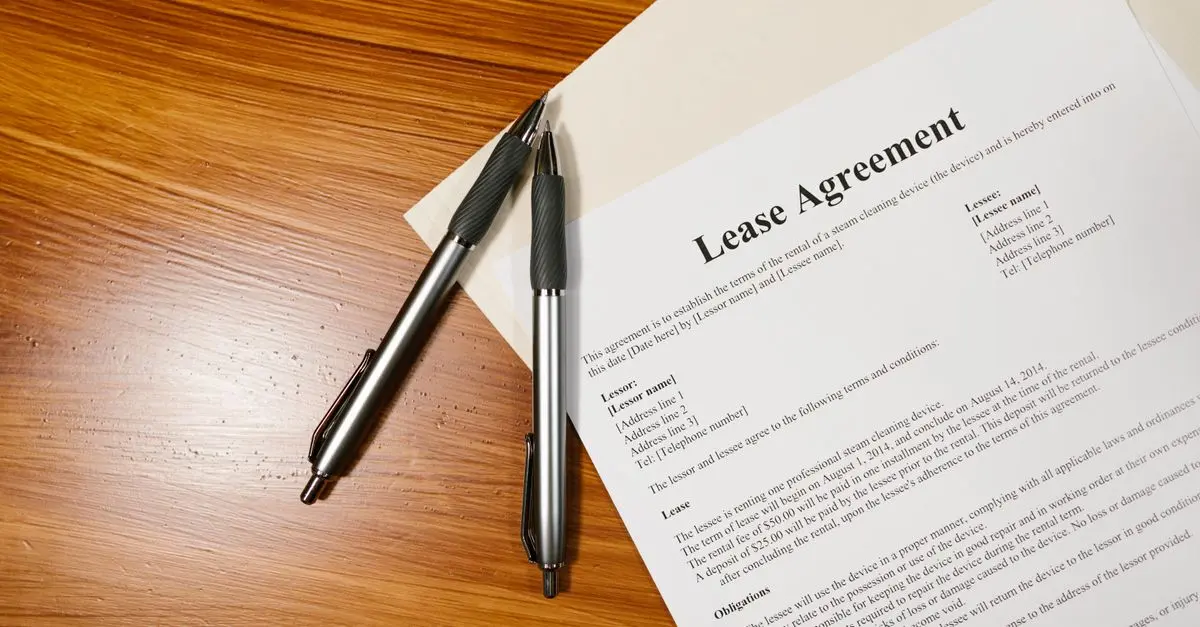
Before taking any further step, reread your lease agreement. It should define the grace period for payment, late-payment interest (if applicable), the grounds for termination, and the details of the guarantor (fiador) or security deposit. If you don't have a well-structured contract, now is the time to learn from the experience for your next lease; you can use a lease agreement template as a reference.
If the contract has a guarantor, notify them in writing as well: in most contracts the guarantor is jointly and severally liable for the debt, which widens your collection options. If a security deposit was agreed upon instead, check whether the contract allows it to be applied to overdue rent or whether it is reserved only for damage to the property.
| Scenario | What to check | Suggested action |
|---|---|---|
| A few days late | Grace period clause | Friendly written reminder |
| One month overdue | Agreed late-payment interest | Formal notice of arrears |
| There is a guarantor | Joint and several liability clause | Notify the guarantor in writing |
| Two or more months overdue | Grounds for termination in the contract | Evaluate legal action with an attorney |
3. Formal notice of arrears
If informal communication doesn't work, the next step is a formal notice of arrears. This can be certified mail, a letter delivered with proof of receipt, or, in some states, a notarial notice (through a notario público). The goal is to create a legal record that the tenant knows the amount owed and the deadline to bring the account current.
A formal notice should include: the exact amount owed, the period it covers, the payment deadline and the consequence of non-compliance (for example, the start of legal action or termination of the lease). This document is usually the first thing a judge will ask for if the case reaches a lawsuit.
4. Negotiation options before litigation
Going to court is slow and costly for both sides, so it is usually worth exploring alternatives before getting there:
- Payment plan: split the debt into partial installments over the coming months, putting the agreement in writing and signed.
- Voluntary surrender of the property: negotiate a move-out date in exchange for forgiving part of the debt, avoiding additional months of non-payment.
- Mediation: some states and real estate professional associations offer mediation services between landlord and tenant, which are faster and cheaper than a trial.
- Applying the security deposit: if the contract allows it, use it to cover part of the debt while the rest is resolved.
Why negotiate first
A rental lawsuit can take several months to resolve, depending on the state and the court's caseload, in addition to legal fees. Negotiating an orderly exit is usually faster and cheaper than waiting for a judgment, even if it means giving up part of the debt.
5. When and how to start legal action
If the tenant doesn't respond, won't negotiate or breaks the agreements reached, legal action is the next step. A lease between private parties is, as a general rule, a civil matter: it is governed by each state's Civil Code and Code of Civil Procedure, not by commercial law. The commercial executive route (vía ejecutiva mercantil) would only come into play if the debt was documented in a negotiable instrument (for example, a promissory note signed by the tenant); if no such document exists, the normal course is to pursue collection and, where applicable, eviction through a civil rental lawsuit.
Many Mexican states also provide a special rental proceeding (sometimes called a summary proceeding or special procedure, depending on the state), designed precisely for this kind of dispute between landlord and tenant. It is usually faster than an ordinary civil lawsuit because it shortens deadlines and simplifies stages, although exact timelines and requirements vary by state. Ask your attorney whether this special route exists in your state before starting an ordinary proceeding that may take longer than necessary.
In general terms, the landlord usually seeks one of these two things, or both in the same lawsuit:
- Termination and eviction: seeks to recover possession of the property in addition to payment of overdue rent.
- Collection of overdue rent (civil route, or commercial only if a negotiable instrument is involved): seeks mainly payment of the debt, useful when the tenant has already moved out but left rent unpaid.
To start either of these proceedings you will need, at a minimum: the signed lease agreement, evidence of the formal notice of arrears, receipts for payments received and amounts missing, and an official ID. An attorney specialized in rental law can advise you on the fastest route depending on your state (including whether the special rental proceeding applies) and the amount involved.
Don't take matters into your own hands
Changing the locks, cutting off utilities or removing the tenant's belongings without a court order can constitute a crime in Mexico, no matter how much is owed. These actions can turn the case against you and create legal liability for you as the landlord. Always follow the formal process.
6. How to prevent non-payment in future leases
The best defense against non-payment is prevention, starting with how you screen tenants. A few practices that reduce risk:
- Request proof of income and employment references before signing.
- Require a guarantor who owns property free of liens, or a joint and several co-signer, as local custom allows.
- Formalize a clear contract with well-drafted late-payment and termination clauses.
- Consider rent default insurance, available through some insurers and property management companies in Mexico.
- Keep in close contact during the first months of the lease, when the first red flags tend to appear.
Knowing the tenant's rights in Mexico also helps you act within the legal framework and avoid claims against you during the collection process.
Frequently asked questions
How long can I wait before acting if my tenant doesn't pay?
There is no single rule, but it's best to act from the first late payment with a reminder and, if the debt reaches one or two months with no agreement, to begin a formal notice. The more time passes, the harder it usually is to recover the full amount.
Can I evict a tenant on my own if they don't pay?
No. Changing the locks, cutting off utilities or removing belongings without a court ruling can be considered a crime in Mexico, regardless of the debt. Eviction must be pursued through the appropriate legal route.
Does the security deposit cover overdue rent?
It depends on what the contract says. In some cases the deposit is intended only for damage to the property, while in others it can be applied to unpaid rent. Check the specific clause before deducting from it.
Is it worth hiring an attorney for a small debt?
You should weigh the cost of the legal process against the amount owed. For small debts, direct negotiation or mediation tends to be more efficient; for larger debts or tenants who refuse to leave, legal backing reduces the risk of losing additional time and money.
Looking to rent out your property with greater security?
List your property on Inmobiliaria32 and use a clear contract from the start to reduce the risk of non-payment.
Listings
Recent properties
 For sale
MX$1,440,000
Land
Land for Sale in Residencial Lomas del Dorado
Boca del Río, Veracruz
 For sale
MX$3,900,000
House
House for Sale in Las Lomas, Riviera Veracruzana | 3 Bedrooms with Private Bathrooms
Alvarado, Veracruz
 For sale
MX$10,900,000
Land
Attention Investors
Puerto Vallarta, Jalisco
Keep reading
Related articles

Delinquent Condo Fees: What the Owners' Assembly Can Do
Neighbors behind on condo fees: what the assembly can do, what is off-limits, how to collect through an executory civil action, and how to set up a payment agreement.
Inmobiliaria32 Team
What to Do If Your Developer Delays Delivery
If your developer is late delivering your presale unit: what to check in the contract, how to file a written claim, when to go to Profeco and when to rescind.
Inmobiliaria32 Team

20 Questions to Ask Before Buying a House in Mexico
The questions many buyers forget to ask the seller, the agent, and themselves before buying a home, organized by stage of the process.
Inmobiliaria32 Team

What to Do If the Buyer Backs Out of the Deal
When a buyer backs out before closing, first review the promissory contract (promesa de compraventa) and find out what happens to the down payment.
Carlos Mendoza
Renting and leases
Keep learning before you decide
99 guides on renting and leases, and thousands of properties listed across Mexico.