

Loft vs. Studio vs. Apartment: The Real Differences
The difference between a loft and an apartment goes beyond size: it changes the layout, the upkeep and even the price per m2. Here's the complete guide.

If you're searching for housing in urban areas of Mexico, you've surely seen all three terms mixed together in listings: loft, studio and apartment. Many sellers use them almost as synonyms, but they aren't. Understanding the difference between a loft and an apartment (and where the studio fits in between) can save you disappointment, awkward negotiations and even money wasted on a space that doesn't match the way you live.
What each type of housing is
Before comparing them, we need to be clear about what we're talking about. In the Mexican market these terms are used quite loosely, but conceptually they differ as follows:
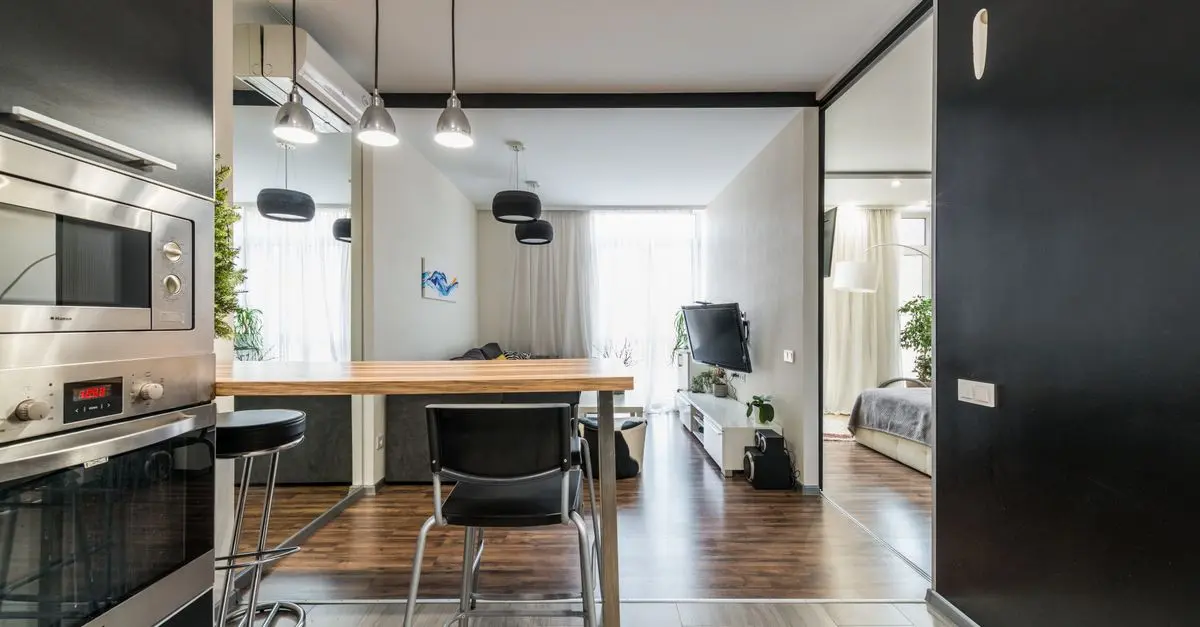
- Loft: an open-plan space, usually with high ceilings, an industrial look (exposed pipes, ducts or beams) and sometimes a mezzanine for the bedroom. It often comes from the conversion of old warehouses or industrial buildings, although today lofts are also built from scratch in new developments.
- Studio (or efficiency/monoambiente): a small unit where the living room, kitchen and bedroom share a single space with no fixed dividers, except for the bathroom. It's the most compact and affordable version within a conventional apartment building.
- Apartment (departamento): a general term that covers units with bedrooms separated by walls, from a one-bedroom apartment to one with three or more. It's the broadest category, and both the loft and the studio technically fit within it in many listings.
Here is the first point of confusion: in legal and deed terms (escrituración), a loft is almost always an apartment (a privately owned unit within a condominium property regime), although this depends on state law and on the condominium regime that applies in each state. The difference between a loft and an apartment is usually not one of legal status, but of interior design and the layout of the space. This article is for informational purposes and does not replace the advice of a notary public (notario), an attorney or a tax specialist for your particular case.
Useful tip
In areas such as La Roma, La Condesa, downtown Guadalajara or Monterrey, it's common for the same building to offer lofts and conventional apartments on different floors. It's worth asking for the architectural floor plan before signing any deposit agreement, because the commercial name in the listing doesn't always match the actual layout.
Key differences between a loft, a studio and an apartment
Beyond the definitions, these are the factors that will really affect you in your day-to-day life:
1. Layout and privacy
The loft and the studio share an open-plan logic, which means less privacy if you live with someone else. An apartment with one or more bedrooms gives you fixed walls between areas, something that families and people who work from home and need to block out noise value highly.
2. Ceiling height and volume of the space
Lofts often boast double-height ceilings, which gives a sense of spaciousness even in small square footage. A studio or a conventional apartment normally has standard ceiling heights (as a rough guide, around 2.4 to 2.6 meters according to construction industry references, although this varies by development and local regulations), so the same number of square meters feels different depending on the type of unit. Confirm the exact height on the architectural floor plan if it's an important factor for you.
3. Flexibility to remodel
Since they have no load-bearing walls in the middle of the main space, lofts (and many studios) allow you to reconfigure the layout with more freedom. In an apartment with bedrooms already defined, moving a wall usually involves higher paperwork and costs, especially if it's a structural wall.
4. Systems and finishes
Lofts that originated in industrial buildings sometimes keep exposed systems (piping, air ducts) as part of the style, which can mean different maintenance than an apartment with closed-off ceilings. It's worth asking about the condition of the waterproofing and the electrical systems if the building is an older conversion.
Quick comparison
| Feature | Loft | Studio | Traditional apartment |
|---|---|---|---|
| Layout | Open, with a possible mezzanine | Open, no dividers | Bedrooms separated by walls |
| Typical size | Variable, sometimes roomier because of the height | Compact, the smallest of the three | From compact to spacious |
| Privacy | Low to medium | Low | Medium to high |
| Price per m2 (approximate) | Can be higher because of the design and location | Usually the most affordable overall | Varies by number of bedrooms and area |
| Best for | Singles or couples who value design | Students or anyone seeking affordable rent | Families or anyone who needs separate spaces |
Prices vary widely by city, colonia and developer. Use this table as a conceptual reference, not as a quote.
Price, maintenance and appreciation
In general terms, the total price of a studio tends to be lower than that of a loft or an apartment with a separate bedroom, simply because the square footage is smaller. But the price per square meter can be misleading: in trendy areas, a well-located loft sometimes costs more per m2 than a traditional apartment in the same building, because the design and the high ceiling are priced as added value.
As for maintenance, buildings converted from industrial warehouses (common among lofts) can have higher maintenance fees if the structure requires special waterproofing work or if the building is historic and has remodeling restrictions. Before buying, ask for the maintenance fee account statement and check whether there are any outstanding debts or pending construction projects.
To better understand how prices behave in your area, you can review the price per m2 in Mexico and the factors behind property appreciation (plusvalía) and what increases it, since these criteria apply to lofts and conventional apartments alike.
Negotiation tip
If the listing says loft but the space has neither high ceilings nor a truly open plan, it's likely just a small apartment with an attractive commercial name. Use that as a bargaining point if the price is above the average for the area.
Who each option is right for
The final choice depends on your stage of life and how you plan to use the space:
- Loft: a good fit if you live alone or as a couple, value design, work from home with a creative area and don't mind the lack of interior dividers.
- Studio: the best option if your priority is to minimize rent or mortgage payments, if it's your first independent home, or if you're looking for a rental investment in areas with high demand from students or young professionals.
- Apartment with separate bedrooms: the most practical option for families, for anyone who frequently hosts guests, or for anyone who needs a work space completely isolated from the resting area.
If you're about to buy any of these options, don't forget to review the checklist of documents for buying a home and, if you're going to finance the purchase, compare the step-by-step mortgage process before signing any deposit agreement. This article is for informational purposes; for investment, tax or financing decisions, it's best to consult a specialized advisor.
Watch out for this
Some lofts and studios in older buildings lack sufficient natural ventilation or clear emergency exits because of their open-plan design. Check this in person, both day and night, before committing.
Frequently asked questions
What is the legal difference between a loft and an apartment?
In most cases, a loft is deeded as an apartment within a condominium property regime, although the exact rules depend on each state's legislation and on the building's condominium regulations. The difference usually lies in the interior design, not in the type of property before the notary public (notario). This content is informational; to confirm the legal regime of a specific unit, it's best to consult a notary public or an attorney.
Are a studio and a loft the same thing?
Not exactly. Both have an open plan, but the loft usually has high ceilings and sometimes a mezzanine, while the studio is a compact, standard unit without those special architectural features.
Which one is better for investing and renting out?
It depends on the area and the target audience. Studios tend to have higher rental demand because of their affordable price, while lofts can attract tenants who pay more for design in trendy colonias. It's worth analyzing local demand before deciding; this information is general in nature and does not replace personalized investment advice.
Do lofts have higher maintenance costs than a regular apartment?
Not always, but in buildings converted from old industrial warehouses it's common for fees to be higher because of waterproofing work or upkeep of the structure. It's advisable to review the condominium's account statement before buying.
Ready to find your next space?
Explore lofts, studios and apartments available across the country and compare real options.
Listings
Recent properties
 For sale
MX$1,440,000
Land
Land for Sale in Residencial Lomas del Dorado
Boca del Río, Veracruz
 For sale
MX$3,900,000
House
House for Sale in Las Lomas, Riviera Veracruzana | 3 Bedrooms with Private Bathrooms
Alvarado, Veracruz
 For sale
MX$10,900,000
Land
Attention Investors
Puerto Vallarta, Jalisco
Keep reading
Related articles

Sell Your House Fast for an Urgent Move: Real Strategies
Selling a house fast because of an urgent move takes a competitive price, aggressive marketing and flexibility in negotiation.
María Elena Rodríguez
Rental Bond vs. Deposit vs. Guarantor: Key Differences
A rental bond (fianza), a security deposit, and a guarantor (aval) are not the same thing, even though people mix them up. Learn how they differ to choose the best guarantee when renting.
Inmobiliaria32 Team

Big House vs. Downtown Apartment: How to Choose
House or apartment isn't a question with one right answer: it depends on your stage of life, your budget and your day-to-day priorities.
María Elena Rodríguez
Apartment With or Without an Elevator: What to Check
Whether an apartment with an elevator is worth it depends on the floor, your family's mobility and your budget. We compare convenience, upkeep and price.
Carlos Mendoza
Buying a home
Keep learning before you decide
358 guides on buying a home, and thousands of properties listed across Mexico.