

Cash Limit for Buying a Home in Mexico (2026)
Cash limit for buying a home in 2026: 8,025 UMA, about 941,400 pesos. What counts as cash, what happens if you exceed it, and how to pay without problems.
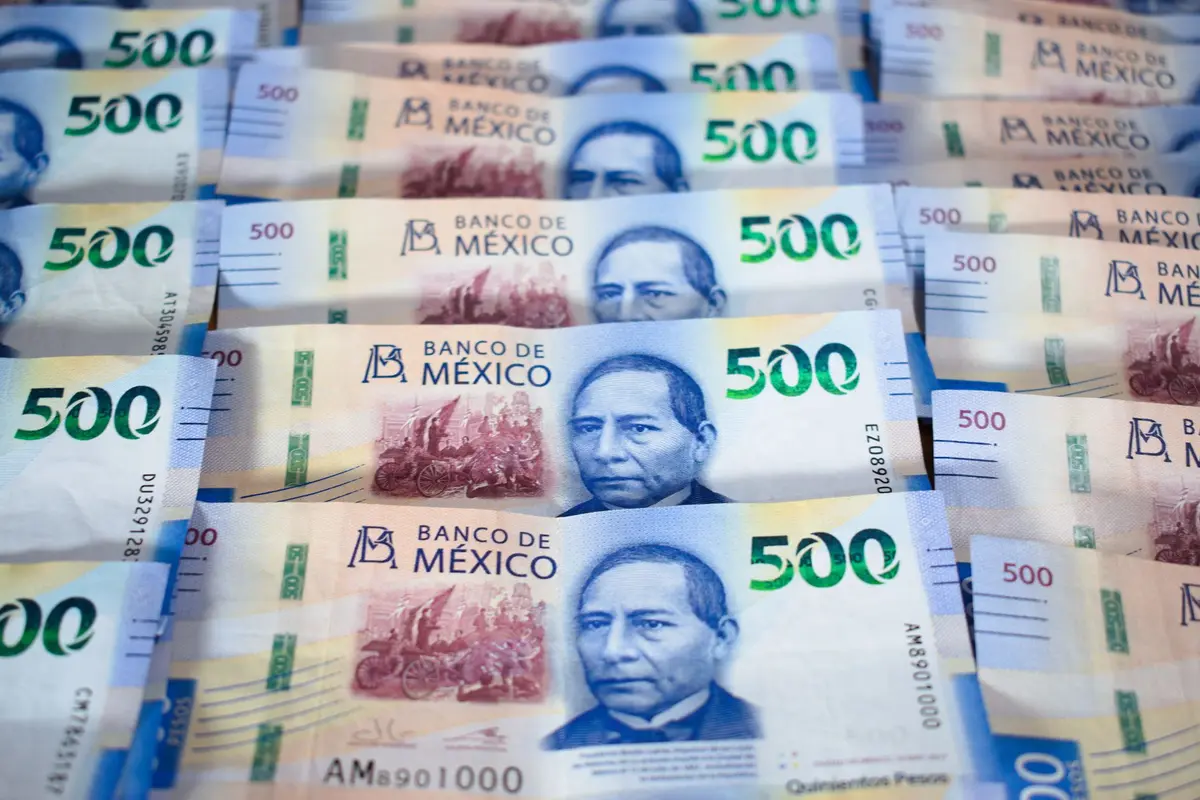
The cash limit for buying a home in Mexico is 8,025 times the UMA: in 2026 that equals 941,412.75 pesos. It is set by Article 32 of the Federal Law for the Prevention and Identification of Operations with Resources of Illicit Origin (LFPIORPI, the "anti-money-laundering law"), which prohibits paying for real estate worth that amount or more with bills and coins, in pesos or dollars. If the home costs less, you can pay for it in cash; if it costs more, the cash portion must stay below the cap and the rest must go through the financial system (wire transfer, check, or mortgage loan). The notary public (notario público) is required to record the form of payment in the deed (escritura), so it's not a detail you can "fix" later. Here we explain how the cap is calculated, what counts as cash, what happens if you exceed it, and how to structure your payment so you can close without setbacks.
What the law says about paying for a home in cash
The LFPIORPI took effect in 2013 to close the door on money of illicit origin in large purchases. Its Article 32 lists the acts in which it is prohibited to fulfill obligations, settle, or pay, and also to accept payment, in domestic or foreign coins and bills, or in precious metals. The first item on the list is precisely the one that concerns us: the creation or transfer of real rights over real estate with a value equal to or greater than 8,025 times the Unidad de Medida y Actualización (Measurement and Update Unit, UMA) (LFPIORPI, Article 32, section I).
Three ideas worth having clear from the start:
- The prohibition applies to both sides. Not only can the buyer not pay this way: the seller cannot accept that payment either. Both are exposed to penalties.
- "Transfer of real rights" is broader than "purchase and sale." It includes buying a house, condo, lot, or commercial space, assigning rights over a property, and creating rights such as usufruct.
- It's not an SAT or bank rule, it's a federal law. It applies equally to individuals, real estate agencies, and developers, in every state in the country.
Article 33 of the same law closes the circle: the notary or broker who formalizes the transaction must identify how payment is made and record it in the deed. That's why recent deeds describe each payment (wire transfer, check, mortgage loan) instead of just saying "the seller declares having received the price." If you want to better understand that role, see what a notary does and how to choose one.
How much the cash limit is in 2026
The cap isn't a fixed amount in pesos: it's measured in UMA, the reference value that INEGI publishes every year and that is used for fines, thresholds, and legal obligations. The daily UMA value for 2026 is 117.31 pesos (INEGI, Unidad de Medida y Actualización), so the math works out like this:
8,025 × 117.31 = 941,412.75 pesos.
| Period in effect | Daily UMA | Cash limit (8,025 UMA) |
|---|---|---|
| Feb 1, 2024 – Jan 31, 2025 | $108.57 | $871,274.25 |
| Feb 1, 2025 – Jan 31, 2026 | $113.14 | $907,948.50 |
| Feb 1, 2026 – Jan 31, 2027 | $117.31 | $941,412.75 |
Watch out for January
The new UMA takes effect on February 1 of each year, not January 1. If you sign in January, the previous year's value, which is lower, still applies. Calculate the cap using the UMA in effect on the day you sign, not the one for the calendar year.
In practice, the cap is compared against the value of the transaction and the sum of everything paid in cash for it, not against each bill or each installment separately. Splitting the payment into several deliveries of 300,000 pesos changes nothing: if the cash adds up to the limit, the transaction falls under the prohibition. And artificially splitting a purchase so that "each part" falls below the limit is precisely what the UIF (Financial Intelligence Unit) looks to detect.
To size up the rest of what you'll pay at signing (acquisition tax, registration fees, and notary fees), use the closing costs calculator; those costs are also best paid by wire transfer.
What counts as cash and what doesn't
The law speaks of "coins and bills, in national currency or foreign currencies, and precious metals." Here's what falls in and what doesn't:
| Form of payment | Counts toward the limit? | Comment |
|---|---|---|
| Bills and coins in pesos | Yes | This is the typical case. |
| Dollars, euros, or other foreign currency in bills | Yes | Converted to pesos for comparison with the cap. |
| Gold coins (centenarios), gold, or silver | Yes | The law treats them as equivalent to cash. |
| Cash deposit into the seller's account | Yes | The money enters the bank, but the payment was made in bills. |
| SPEI wire transfer from your account | No | The recommended method: it leaves a trail of origin and destination. |
| Cashier's check or named check | No | Made out to the seller; many notaries prefer it. |
| Mortgage loan (bank, Infonavit, Fovissste) | No | The lender pays the seller directly. |
The most commonly misunderstood point is the teller deposit. Many people believe that if they deposit the bills into the seller's account, the payment "was already made through the bank." It wasn't: the act of paying was done with cash, and the deposit slip proves it. In addition, banks report to the SAT cash deposits exceeding 15,000 pesos per month in a person's accounts (Income Tax Law (Ley del ISR), Article 55, section IV), so a large deposit raises questions for the seller even if the house was paid for legally.
If the money comes from abroad, the right approach is to transfer it to a Mexican account in your name and pay from there; we explain how in how to send money from the United States to buy a home and in what bank account you need to buy property in Mexico.
What happens if you exceed the limit
Paying in cash above the cap is not just "an administrative offense." The consequences come from three fronts:
1. The notary can't close the deal that way
The notary is required to identify the form of payment. If you tell them you paid 1.5 million in bills, they cannot formalize the sale on those terms. And stating a false form of payment in the deed ("by wire transfer" when it was cash) means giving false information to a public official who attests to the transaction, which makes the problem worse instead of solving it.
2. Fines for both buyer and seller
The penalties chapter of the LFPIORPI punishes transactions carried out in violation of Article 32 with a fine of between 10% and 100% of the value of the act (LFPIORPI, Articles 53 and 55). On a 2-million-peso home, that ranges from 200,000 pesos up to the full price of the house. And the penalty reaches both the one who pays and the one who accepts.
3. Tax and source-of-funds problems
Even if the money is clean, a large purchase paid in cash leaves the buyer without the simplest proof of where the funds came from: a bank statement. If your spending for the year exceeds your declared income, the SAT can presume omitted income (known as a tax discrepancy, discrepancia fiscal). And if the money is used to "hide" part of the price, both parties get into a much more serious problem than a fine.
The "underreported deed" trick
Some people propose recording a lower price in the deed and paying the difference in bills "under the table." That effectively exceeds the cash limit, underreports taxes, and leaves the buyer with a larger taxable gain when they sell, because their acquisition cost was artificially lowered. We explain it in private contract vs. public deed: what isn't in the deed legally doesn't exist.
How to pay for a home without going over the cap
If you have savings in cash and want to buy a home worth more than 941,000 pesos, the solution is to move the money into the banking system ahead of the transaction, with time and paperwork. This is the order we recommend:
- Deposit your cash into your own account months in advance. Do it in your account, not the seller's, and keep the receipts. Have on hand the documentation that explains the source: sale of a car or lot, severance pay, inheritance, business income.
- Check that your declared income supports the amount. If the money comes from a business, make sure it's invoiced and declared. If it's a family gift, it's wise to formalize it and report it on your annual tax return when it exceeds the amounts the law requires.
- Pay the reservation deposit and down payment by wire transfer to the seller's or agency's account, with a clear description ("down payment house on X street"). The SPEI receipt is your proof of payment.
- Settle the balance on signing day with a wire transfer or cashier's check made out to the seller, depending on what the notary requests. If there's a mortgage loan, the bank pays its portion directly.
- Ask that the deed describe each payment: date, amount, method, and account. It's your proof that the purchase complied with the law and, later on, of your acquisition cost when you sell.
You can use some cash
If the home is worth more than the cap, you can pay part of it in bills as long as the total in cash stays below 941,412.75 pesos and the rest goes by wire transfer, check, or loan. Even so, the more of the payment that goes through the banks, the easier it will be to close and, later, to sell.
Should you buy with cash or with a mortgage, even if you have the money? We compare it with numbers in buying with a mortgage vs. paying cash. And to avoid surprises on signing day, review the notary fees when buying a home in 2026. Once your budget is ready, browse homes for sale across Mexico.
If you're the seller: what you should accept
The seller is also liable if they accept cash above the limit, and on top of that bears the deposits the bank will report to the SAT. Before closing a deal:
- State in the offer how you accept payment: "wire transfer, cashier's check, or mortgage loan." This filters out buyers who want to pay in bills right from the start.
- Receive the reservation deposit by wire transfer and with a receipt stating which property it corresponds to.
- Record the deed at the real price. If your sale is exempt from ISR because it's a primary residence, underreporting saves you nothing and does expose you; we explain it in the ISR exemption on the sale of a primary residence.
- Be wary of a rush to pay in bills. A buyer who insists on paying a large amount in cash, unwilling to go through the bank, is a red flag, not an advantage.
If you're about to sell, you can list your property on Inmobiliaria32 and make your payment terms clear right in the listing.
Frequently asked questions
How much cash can I use to buy a home in 2026?
Less than 8,025 times the UMA, which from February 1, 2026 to January 31, 2027 equals 941,412.75 pesos. If the home costs less than that, you can pay for all of it in cash; if it costs more, the cash must add up to less than that cap and the rest must go through the financial system.
Does the limit apply if I pay in cash dollars?
Yes. Article 32 of the LFPIORPI covers bills in national currency and in foreign currencies, as well as precious metals. Dollars are converted to pesos for comparison with the cap.
Does depositing the cash into the seller's account avoid the limit?
No. The payment is still made with bills even if it ends up in a bank, and the deposit slip proves it. The right approach is to deposit into your own account in advance and pay the seller by wire transfer or check.
What fine applies for paying cash for a home above the limit?
The LFPIORPI provides for a fine of between 10% and 100% of the value of the act, and it reaches both the buyer who pays and the seller who accepts the cash. In addition, the notary cannot formalize the sale with that form of payment.
Can I pay the down payment in cash?
Only if all the cash in the transaction, adding up the reservation deposit, down payment, and balance, stays below the limit. Even so, it's best to pay it by wire transfer: the receipt is your best proof that you handed over the money.
Listings
Recent properties
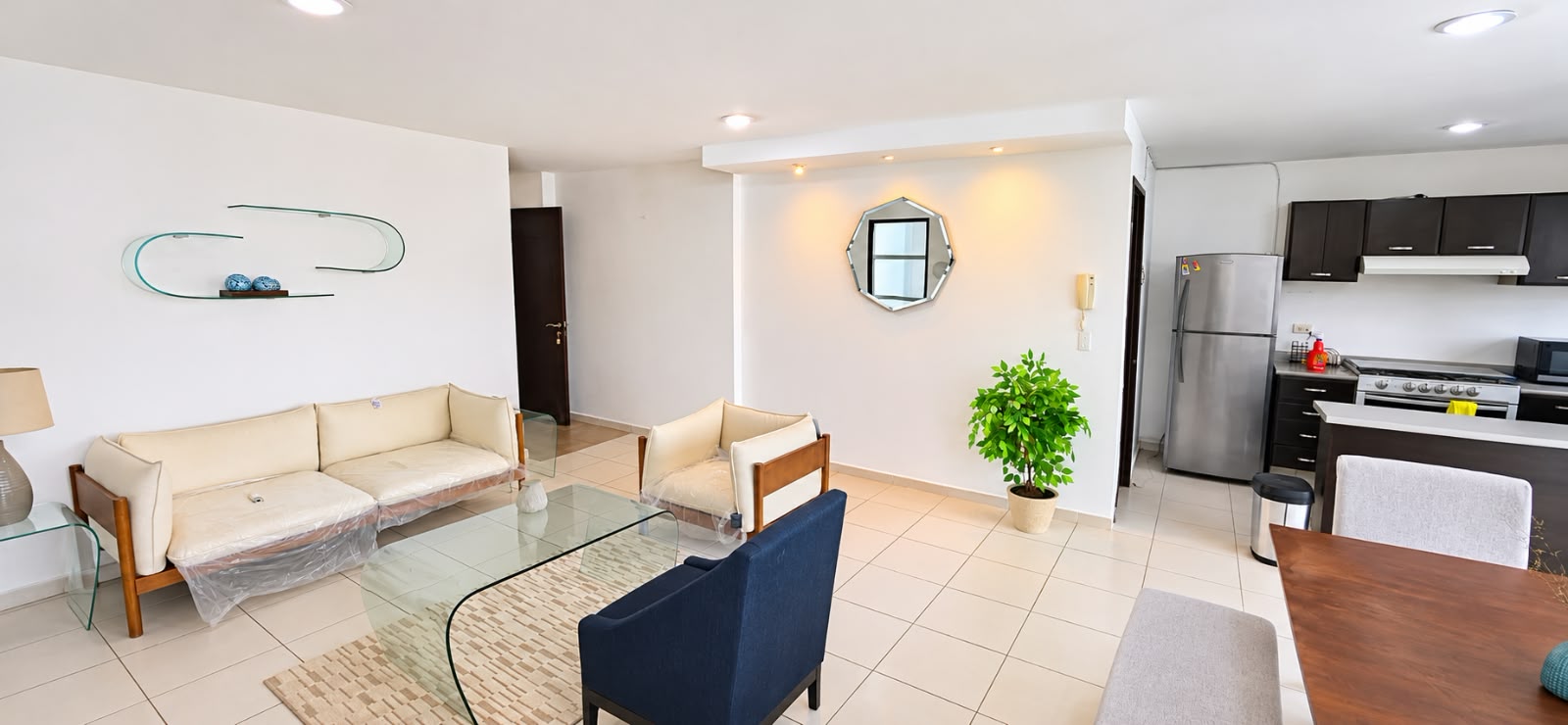 For rent
MX$19,000/month
Apartment
Furnished Apartment / Boca Towers / 2 Bedrooms
Boca del Río, Veracruz
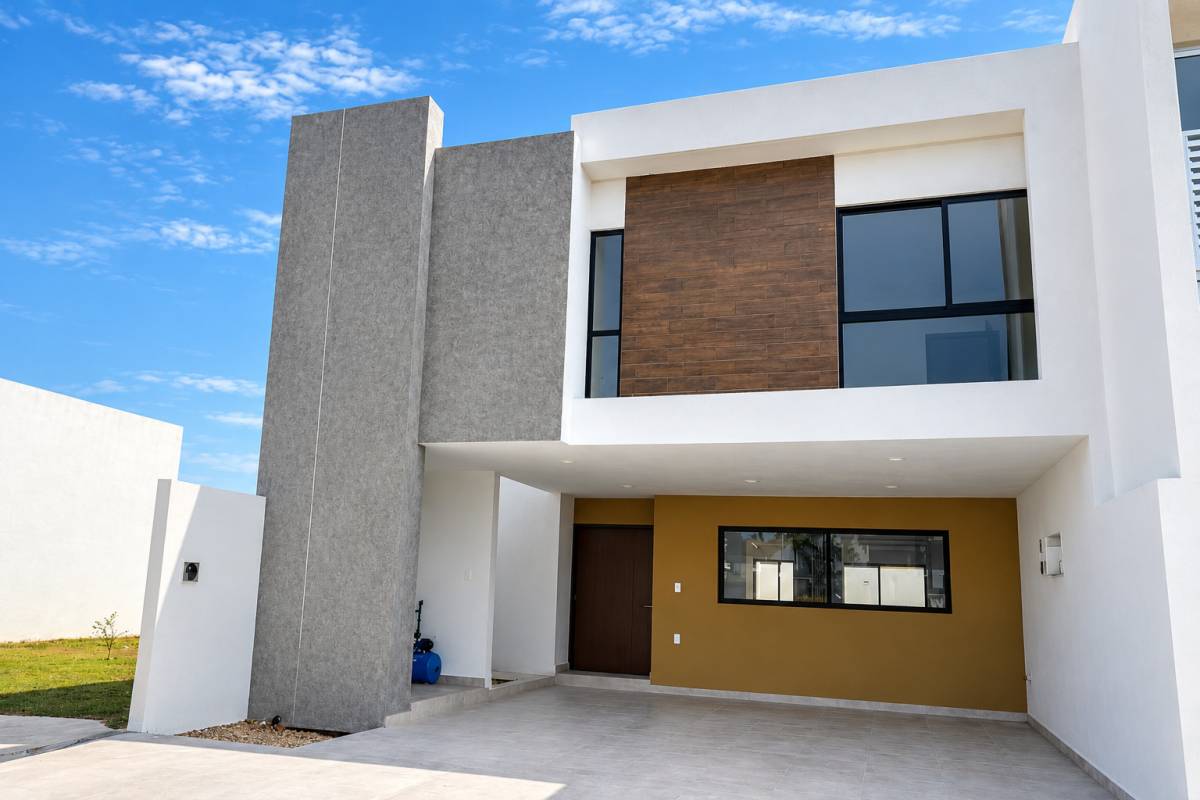 For sale
MX$4,125,000
House
Lomas del Dorado San Jose / 3 Bedrooms with Private Bathrooms
Boca del Río, Veracruz
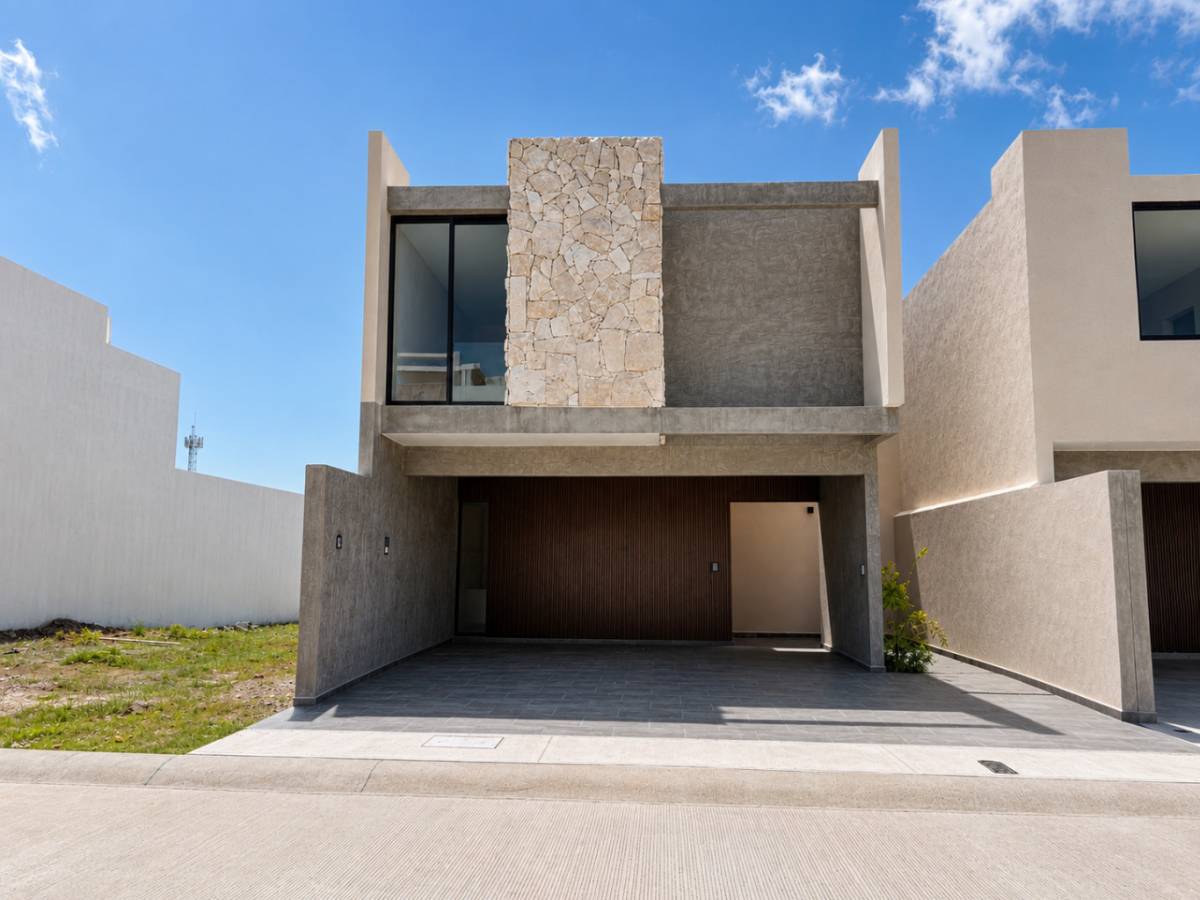 For sale
MX$4,250,000
House
House In Punta Lomas / 3 Bedrooms With Bathrooms
Alvarado, Veracruz
Keep reading
Related articles

Cheapest Cities to Buy a House in Mexico
Discover the most affordable cities to buy a house in Mexico, what explains their low prices, and how to evaluate whether moving there makes sense for you.
María Elena Rodríguez

Selling Your Home Abroad to Buy in Mexico
How to coordinate selling your home abroad with buying in Mexico: timing.
Inmobiliaria32 Team
Repatriating Your Savings to Buy a Home in Mexico
A practical guide to repatriating savings and buying a home in Mexico without surprises: which documents to have ready.
Carlos Mendoza

Buying a Home in Mexico Remotely Without Traveling
A practical guide to buying a home in Mexico remotely: powers of attorney, virtual tours, fideicomiso (bank trust), and the legal steps to close the deal without traveling.
María Elena Rodríguez
Buying a home
Keep learning before you decide
360 guides on buying a home, and thousands of properties listed across Mexico.