

Builder's Structural Warranty in Mexico: How Long It Lasts
Builder's structural warranty in Mexico: the law requires at least five years from delivery. What it covers, how to claim it and what to do if the defect isn't fixed.
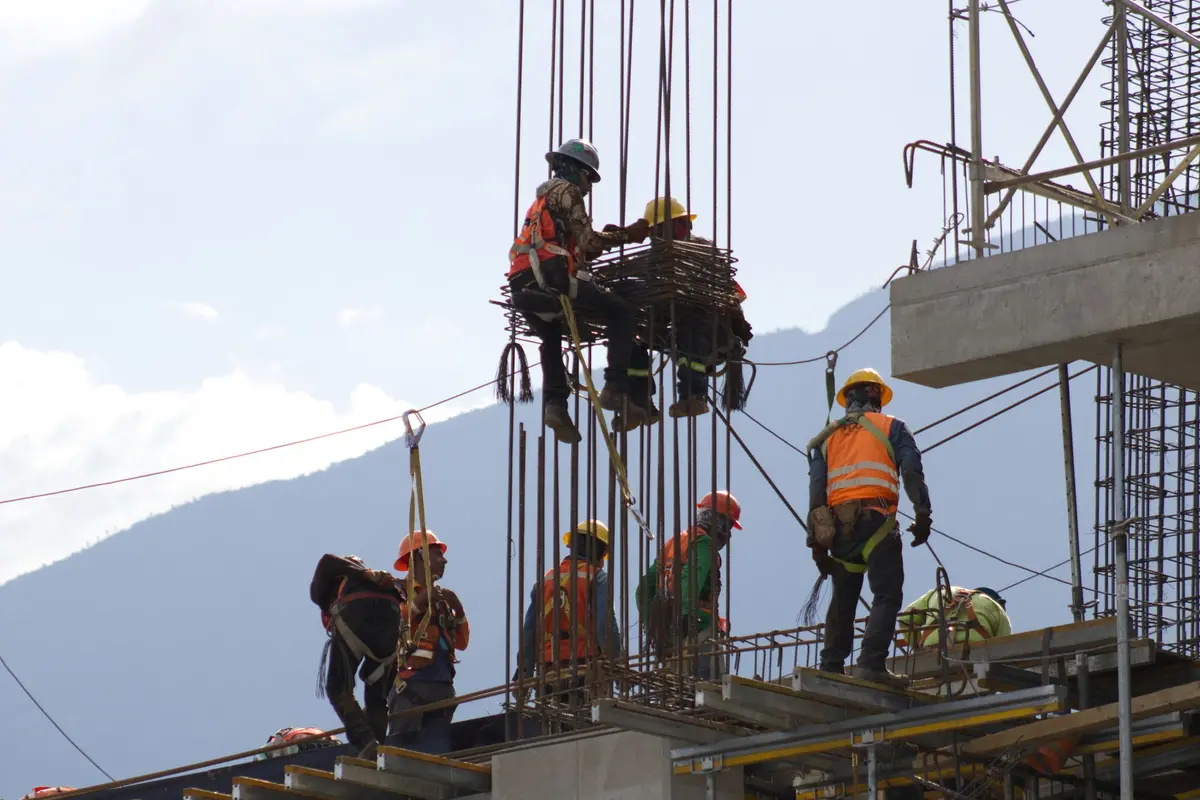
The structural warranty a builder or developer gives on a home cannot be shorter than five years, counted from the actual delivery of the house. That is what article 73 Quáter of the Ley Federal de Protección al Consumidor (LFPC) establishes, and it also requires three years for waterproofing and one year for all other elements. These are minimums: the company can offer more, never less. Below you'll see who it applies to, when the clock starts, what happens when they repair something, and what options remain if the defect persists or if the five years have already passed.
How long it lasts: the legal minimum terms
The law splits the warranty into three separate clocks. The official standard NOM-247-SE-2021, which regulates home sales, repeats the same terms in section 7.1.2 and adds that they are non-waivable: a clause that shortens them does not take your right away.
| Item | Minimum term | Illustrative examples of defects |
|---|---|---|
| Structural matters | 5 years | Foundation, columns, beams, slabs, load-bearing walls |
| Waterproofing | 3 years | Roof leaks |
| All other elements | 1 year | Finishes, doors, fixtures, installation details |
The third column is a practical guide, not a legal definition: the LFPC does not list which parts count as "structural." When there is a disagreement, an expert's report settles it. That is why it pays to have the policy describe in writing what falls into each category.
Who it applies to and who it doesn't
Article 73 of the LFPC applies to real estate when the seller is a subdivision developer, builder, promoter or another party involved in advising on and selling homes intended as residences to the public. Those contracts must also be registered with Profeco (the federal consumer protection agency).
- It applies: a new house or condo bought from a developer, including pre-sales.
- It doesn't apply the same way: a used home sold by a private individual. There, the Código Civil and its rules on hidden defects govern, with a much shorter deadline.
- Separate case: hiring a contractor to build your house on your own land. This falls under the construction contract rules, which we cover below.
- Check first: commercial spaces, offices, warehouses or other properties that are not residences fall outside the wording of article 73.
If you're comparing new developments, before reserving a unit also review the developer's permits.
When it starts and how it restarts
All terms are counted from the actual delivery of the property. Not from the deposit, not from signing the pre-sale, and not from the date construction was finished. The delivery record (acta de entrega) is your starting point: keep it, and use a delivery-day checklist to document anything that was already wrong.
While the warranty is in force, the provider must do whatever is necessary to repair defects at no cost to you. And the law adds two rules that almost nobody knows about:
Repair time doesn't count against you
The days that repairs take under the warranty are not counted within the term. If the company takes months to fix a defect, that time is added back to your warranty.
Repaired work gets a new warranty
Once the property is repaired, a new warranty begins for the repairs made and the parts replaced, while the warranty on the rest of the house continues. Each time, ask for a written record showing the start and end dates of the work and a description of what was replaced: without that paper, it is very hard to prove the extension.
What happens if the defect isn't fixed
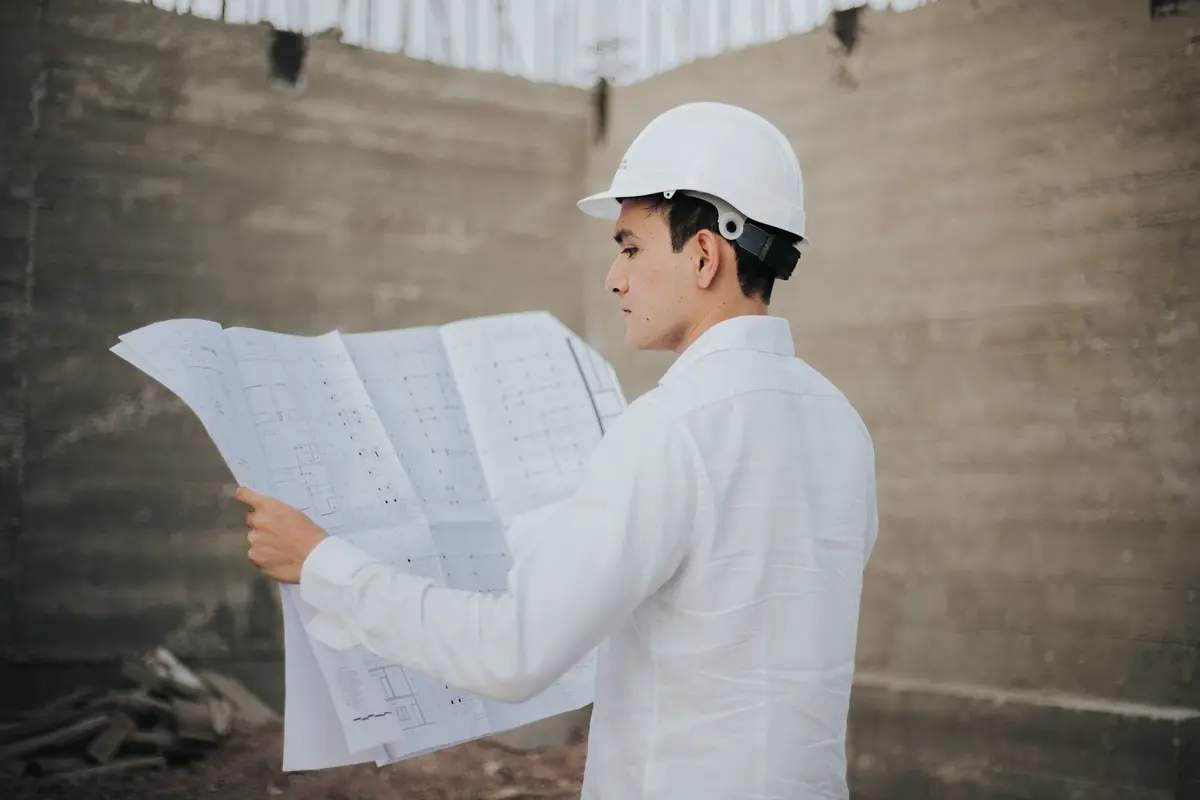
Article 73 Quintus of the LFPC covers the scenario in which you have already claimed the warranty and the defects attributable to the provider persist. The company must repair again immediately and pay you a compensation whose amount depends on the severity.
The law defines a serious defect as one that affects the structure or the installations and compromises full use or safety, or prevents you from using and enjoying the property. Everything else is a minor defect.
| Situation | Legal consequence |
|---|---|
| Minor defect that persists | New repair and compensation of 5% of the value of the repair |
| Serious defect that persists | New repair and compensation of 20% of the property price stated in the contract |
| Serious defect the provider considers impossible to repair | The provider may choose to replace the property, covering the costs; in that case there is no compensation |
| Serious defect still uncorrected even after the warranty work and compensation | Your choice: replacement of the property or rescission of the contract with a refund of what you paid plus interest |
The 20% compensation is calculated on the price of the home, not on the cost of the repair. That is why it is worth documenting a structural defect thoroughly from the very first visit.
How to enforce it, step by step
1. Document it and separate what's urgent
Take dated photos and video, measure the cracks and repeat the measurement every few weeks. If there is any risk, vacate the area and call Protección Civil (civil protection) before calling the builder. To tell a cosmetic hairline crack from something serious, see which cracks are normal and which are alarming.
2. Claim in writing and get a receipt
Use the channel specified in the policy and, in addition, deliver a dated letter describing the defect and requesting the repair. A phone call leaves no proof. Don't hire anyone to alter the structure on your own before notifying the company: it may argue that the defect stems from your intervention.
3. Request an expert report
A civil engineer or licensed expert (perito) can determine whether the defect is structural and whether it is attributable to the construction. Here we explain when to request a structural report. NOM-247 provides that each party appoints an expert and, if they disagree, Profeco appoints a third; you must allow access to the property.
4. File a complaint with Profeco without waiting
If the company doesn't respond, you can file a claim with Profeco. Bring the contract, proof of payment, delivery record, warranty policy, your written claim with the receipt stamp, and the photos.
The Profeco complaint has its own deadline
Article 105 of the LFPC gives one year to file claims, counted, depending on the case, from the receipt, the payment, the receipt of the goods, or the last time you can show you directly demanded action from the provider. Don't assume you have five years to file the complaint: claim as soon as the defect appears and keep every receipt.
Conciliation at Profeco is not a substitute for a lawsuit. If there is serious structural damage or a lot of money at stake, consult an attorney from the start.
After the five years, and work on your own land
The expiration of the minimum warranty doesn't mean all responsibility disappears. In the Código Civil Federal, within the rules on fixed-price construction contracts, article 2634 says that even after the work is received and approved, the contractor is liable for defects that appear later and stem from construction flaws, poor-quality materials or soil defects.
The exception: the owner expressly ordered the use of defective materials despite being warned, or chose an unsuitable plot of land despite the builder's objections.
Two cautions. That article does not specify a number of years, and how long you have to sue depends on the contract and on your state's civil code. It is also designed for the person who commissioned the work; if you bought an already-built home, an attorney should review which avenue applies to you. Don't treat it as an automatic second warranty.
Hidden defects (vicios ocultos) are a different matter: under the Código Civil Federal the claim expires six months after delivery (article 2149). We detail the requirements and steps in how to claim hidden defects in a house.
Schedule two inspections
Schedule a technical inspection before the end of the first year (finishes), before the third (waterproofing) and before the fifth (structure). What you report in writing within the term is much easier to defend than what you discover afterward.
What to check in the warranty policy before signing
NOM-247 requires that the warranty clearly describe obligations, scope, duration, exclusions, the mechanism for enforcing it and an address for claims, without reducing the rights the law gives you. When the home is delivered, you must be informed about the policy and where to enforce it.
- Terms: confirm they are not shorter than 5, 3 and 1 year.
- Exclusions: ask which modifications void the coverage (adding a floor, removing walls, loading the roof).
- Required maintenance: if they require you to maintain the waterproofing, keep the invoices; our guide to waterproofing your roof can help.
- Who is responsible: full corporate name, address, and whether there is insurance or a bond. NOM allows such backing, but the provider remains responsible to you.
- Plans or structural report: article 73 Bis requires them to be made available to you, or to explain why they don't exist and when they will.
Also review the abusive clauses in pre-sale contracts and keep in mind the risk that the company disappears before the term expires: we explain what happens if the developer goes bankrupt. If you're still choosing, compare houses for sale and ask for a sample policy before paying a deposit. To find out whether the price is reasonable, use the property valuation tool.
Frequently asked questions
How many years does the structural warranty on a new house last?
At least five years from actual delivery, under article 73 Quáter of the LFPC, when the home is sold by a subdivision developer, builder or promoter. The company can offer more.
Can the builder give me only a one-year structural warranty?
Not in a home sale governed by the LFPC. The minimums of five years for structure, three for waterproofing and one for all other elements are non-waivable under NOM-247-SE-2021.
Does the warranty restart when they repair a defect?
The repairs and replaced parts start their own warranty, and the time the work takes is not deducted from the term. The rest of the property continues under its existing warranty.
What happens if the structural defect can't be fixed?
The provider may choose to replace the property and pay the costs. If it decides to repair and the serious defect continues after the warranty work and the 20% compensation, you can choose replacement or rescission with a refund of what you paid plus interest.
Does the warranty carry over if I buy the house from its first owner?
Article 73 Quáter does not expressly regulate resale. Check whether the policy allows transfer, ask the seller to hand over the documents, and consult the builder in writing before buying.
Listings
Recent properties
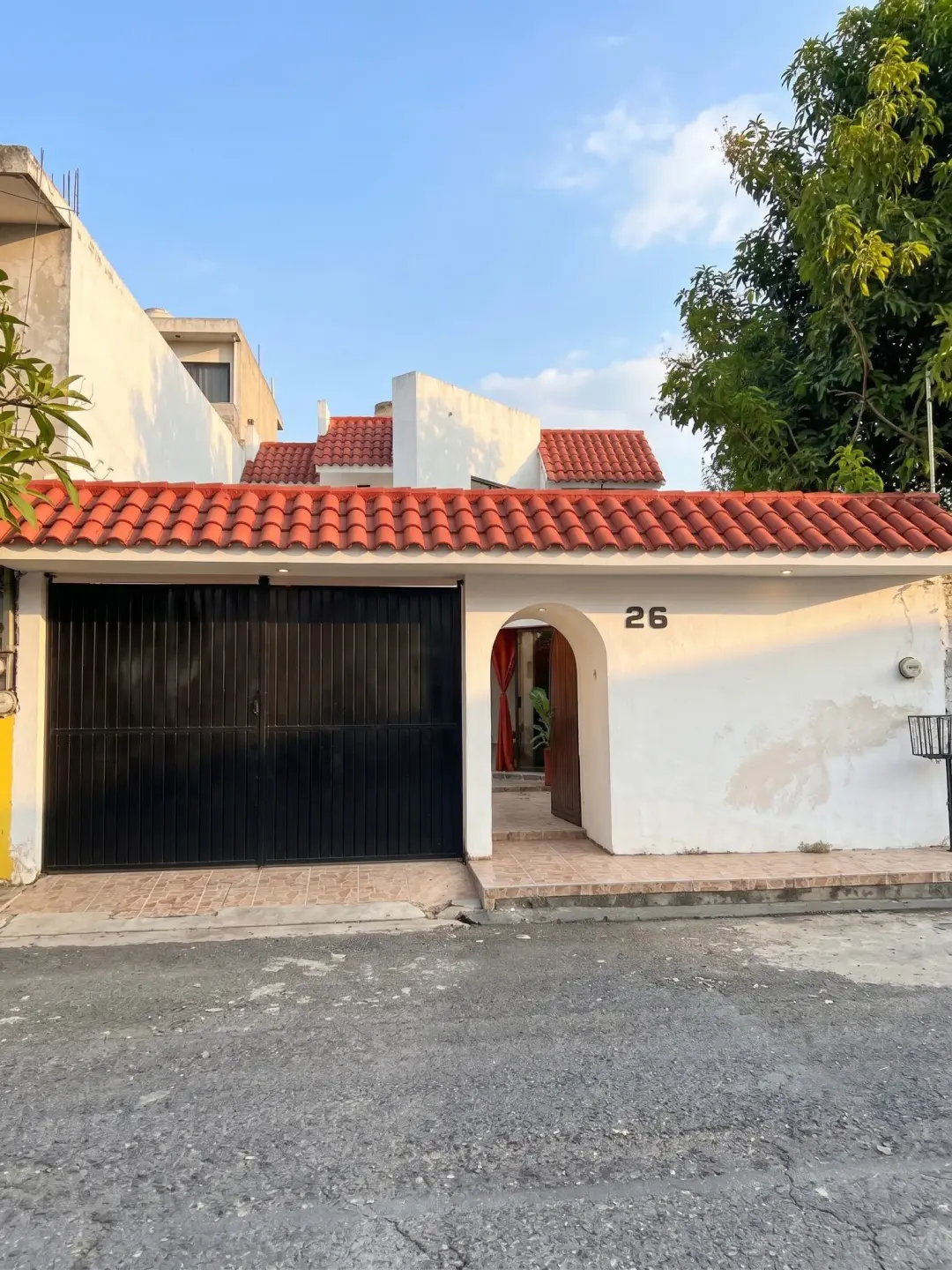 For sale
MX$2,100,000
House
House In Col. Gutierrez Barrios / 3 Bedrooms
Boca del Río, Veracruz
 For sale
MX$14,990,000
House
Incredible House Opportunity in La Punta
Brisas de Zicatela, Puerto Escondido, Oaxaca
 For sale
MX$2,650,000
Apartment
Brisas La Punta
Brisas de Zicatela, Puerto Escondido, Oaxaca
Keep reading
Related articles

Notarial Preventive Notice (Aviso Preventivo): What It Is and How Long It Lasts
What the notarial preventive notice (aviso preventivo notarial) is, how it protects the buyer while the deed is being signed, how long it lasts, and what happens if it expires before closing.
Carlos Mendoza

New Home Warranty in Mexico: What the Law Requires Coverage For
New home warranty in Mexico, what the law covers: structure, waterproofing, installations and finishes. See what to demand in the policy and how to report defects.
Inmobiliaria32 Team

Pre-Sale Guarantee Trust: What Really Protects You
What a guarantee trust (fideicomiso de garantía) in a pre-sale does and doesn't protect, who gets paid first, which clauses to read, and how to verify it before reserving your home or condo.
Inmobiliaria32 Team

Living in Colonia Del Valle: Who It's For and What It Costs in 2026
Is living in Del Valle worth it? Prices by zone, getting around, earthquakes, water and who this Benito Juárez neighborhood suits, before you rent or buy.
Carlos Mendoza
Building and remodeling
Keep learning before you decide
34 guides on building and remodeling, and thousands of properties listed across Mexico.