

Buying Property in Mexico as a U.S. Citizen: Complete Guide
Everything a foreign buyer needs to know about buying property in Mexico as a U.S. citizen: the bank trust (fideicomiso) and the restricted zone.
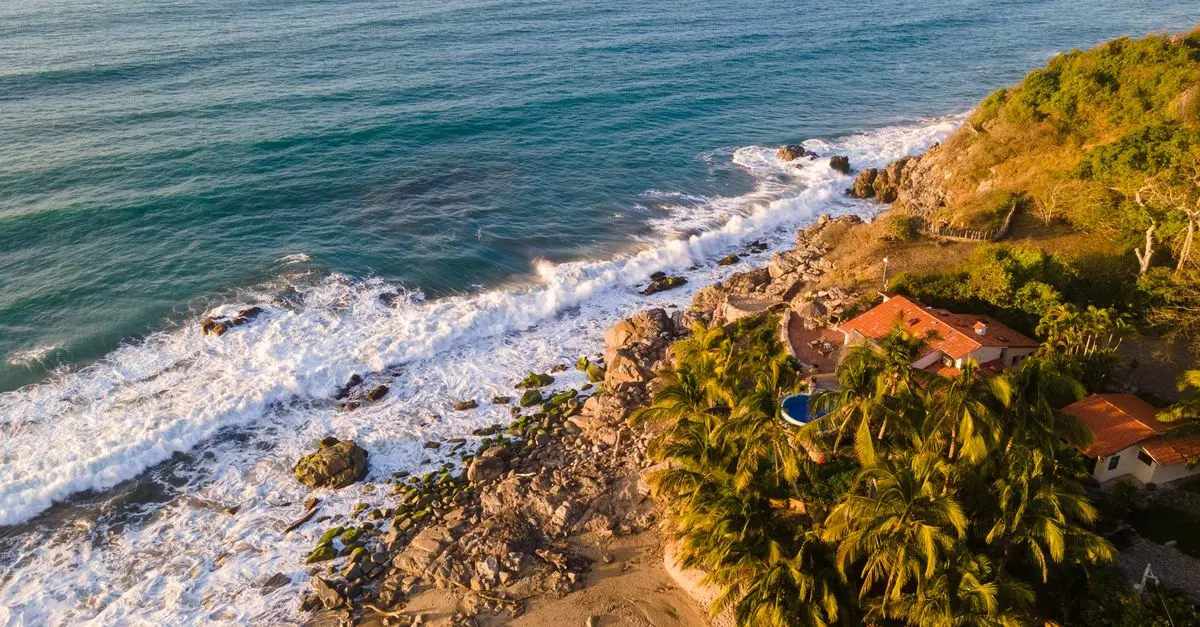
Every year, thousands of U.S. citizens buy houses, condos or land in Mexico, drawn by the cost of living, the climate and the proximity to the United States. The good news is that Mexican law does allow foreigners to own real estate, even in beachfront areas. However, the process has specific rules —especially in the so-called "restricted zone"— that are worth understanding before you sign any document. This guide explains, step by step, how the process of buying property in Mexico as a U.S. citizen works in practice today.
Important notice: This article is for informational and educational purposes only. It does not constitute legal, tax or immigration advice. Foreign property ownership laws, notarial procedures and tax obligations may vary by state, municipality and type of property, and may also change over time. Before making any decisions, consult a Mexican notary public (notario público), a real estate attorney and, if applicable, an accountant familiar with international taxation.
Can a U.S. citizen buy property in Mexico?
Yes. The Mexican Constitution allows foreign nationals to acquire real estate within the country, with an important distinction depending on location:
- Free zone (the country's interior): outside the border and coastal strips, a foreigner can buy property directly in their own name, with direct title, just like a Mexican citizen.
- Restricted zone: roughly defined as the first 100 kilometers from any border and the first 50 kilometers from any coastline. Here the law does not allow a foreigner to hold direct title to residential land; an intermediary legal structure is required, the bank trust (fideicomiso), or alternatively setting up a Mexican company if the use is commercial.
Destinations that are very popular with U.S. buyers —such as Cancún, Playa del Carmen, Puerto Vallarta, Los Cabos, Tulum or Rosarito— fall within the restricted zone because of their proximity to the sea. That is why understanding the fideicomiso is practically mandatory for anyone looking for a beach home.
The bank trust (fideicomiso) in the restricted zone
The fideicomiso ("bank trust" in English) is the legal mechanism that allows a foreigner to enjoy all the rights of an owner —to use, rent, inherit, sell and renovate— without holding direct title. It works like this:
- An authorized Mexican bank acts as the trustee (fiduciario, the legal owner on paper) of the property.
- The foreign buyer is the beneficiary (fideicomisario): the person who receives all the economic benefits and use of the property.
- The fideicomiso is typically established for a renewable term of 50 years, and can be renewed indefinitely before it expires.
- The beneficiary can sell the property, transfer their rights, rent it out or leave it to heirs through a substitute-beneficiary clause, in many cases without the need for additional probate proceedings.
The bank charges an annual administration fee to keep the fideicomiso in force, and there is usually an initial set-up cost. These amounts vary depending on the bank and the value of the property, so it is worth comparing quotes before choosing a trustee; see the breakdown of ranges in our guide on how much a bank trust costs per year.
Key fact: The fideicomiso is not a limitation in disguise, but the recognized legal route that lets foreigners own coastal or border real estate with full legal certainty. To understand the requirements, terms and renewal in depth, read our specific guide on the fideicomiso for foreigners in the restricted zone.
Steps to buy as a foreigner
The purchase process follows logic similar to that of a Mexican buyer, with a few additional layers when a fideicomiso is involved:
| Stage | What it involves |
|---|---|
| 1. Search and offer | Explore verified properties and submit a formal offer, usually with a good-faith deposit. |
| 2. Legal due diligence | Verify the property title, that it is free of liens, land use, and that there are no outstanding property tax (predial) or utility debts. |
| 3. Permit from the Secretaría de Relaciones Exteriores | If a fideicomiso applies, the trustee bank requests the corresponding permit from the SRE (Mexico's Ministry of Foreign Affairs). |
| 4. Purchase agreement | The agreement is signed with the conditions, price, deadlines and contingencies clearly defined. |
| 5. Closing before a notary public | The Mexican notary public (notario público) formalizes the transaction, calculates taxes and registers the property. |
| 6. Registration in the Public Registry | The property is registered in the name of the fideicomiso (or directly in the buyer's name, in the free zone). |
Before you reach the signing stage, it is essential to gather the right documentation. Check our checklist of documents for buying a home so you don't arrive at the notary's office with last-minute surprises.

Costs, taxes and related expenses
Buying property in Mexico as a foreigner involves several expenses beyond the sale price. Although the exact amounts vary by state and property value, these are the most common items:
- Real estate acquisition tax (ISAI): a local tax paid at the time of purchase, with an approximate rate that varies by state.
- Notary fees: the notary charges for formalizing the transaction, calculating taxes and handling the registration procedures.
- Fideicomiso set-up and annual fee: applies only in the restricted zone; it includes an initial cost and an annual maintenance fee paid to the trustee bank.
- Cadastral appraisal and certificate of no liens: documents required to confirm the property's tax value and that it is free of debts or attachments.
- Income tax (ISR): generally paid by the seller on the gain from the sale, but it is important to confirm this in the contract.
For a rough estimate of these expenses based on your state, you can use our closing cost calculator, and complement it with the detailed breakdown in how much it costs to close by state.
Practical tip: In addition to the purchase price, budget an extra margin for closing costs, since in Mexico they often represent a significant percentage of the property's value. Our article on hidden costs of buying a home details the items that first-time buyers tend to overlook.
Common mistakes to avoid
Most of the problems U.S. buyers face in Mexico can be prevented with proper due diligence:
- Not verifying the certificate of no liens: buying without confirming that the property is free of mortgages, attachments or pending litigation.
- Relying only on the seller's verbal promises: any condition must be put in writing in the purchase agreement.
- Skipping the notary public: in Mexico, the notary is indispensable for formalizing a real estate sale; it is not optional as in other countries.
- Not researching the developer's or seller's background: especially in pre-sales, it is key to review the track record of the project and the developer.
- Underestimating how long the process takes: SRE permits and setting up the fideicomiso can take weeks, so it pays to plan with some margin.
If you want to dig deeper into the most frequent warning signs, read our guide on common real estate scams in Mexico. And if you plan to finance the purchase from within Mexico, it is worth comparing options in our mortgage loan comparison.
Frequently asked questions
Can a U.S. citizen own 100% of a house in Mexico?
Yes, they can own 100% of the benefits and rights of use. In the free zone, the property can be held directly in their name. In the restricted zone (near coasts or borders), the property is held through a bank trust, but the foreigner retains all economic rights: they can use, rent, sell or leave the property to heirs with complete freedom.
What is the restricted zone and why does it affect foreign buyers?
It is a strip of roughly 100 kilometers from any border and 50 kilometers from any coastline where, under the Constitution, foreigners cannot hold direct title to real estate. Instead, they must use a bank trust or set up a Mexican company if the use is commercial.
How much does it cost to maintain a fideicomiso per year?
The cost varies depending on the trustee bank and the value of the property, and includes an initial set-up payment plus an annual administration fee. It is advisable to request quotes from several authorized banks before choosing, since fees can differ considerably between institutions.
Do I need a resident visa to buy property in Mexico?
No. You do not need to be a resident or hold a Mexican visa to buy real estate in the country. You can buy as a tourist or visitor. However, if you plan to live in the property permanently, having an appropriate immigration status makes other procedures easier, such as opening a local bank account.
Ready to search for your property in Mexico?
Explore thousands of verified houses, apartments and lots, or first calculate how much the property you have your eye on is worth.
Listings
Recent properties
 For sale
MX$1,440,000
Land
Land for Sale in Residencial Lomas del Dorado
Boca del Río, Veracruz
 For sale
MX$3,900,000
House
House for Sale in Las Lomas, Riviera Veracruzana | 3 Bedrooms with Private Bathrooms
Alvarado, Veracruz
 For sale
MX$10,900,000
Land
Attention Investors
Puerto Vallarta, Jalisco
Keep reading
Related articles
Buying Property in Mexico as a Colombian: Wire, DIAN, Residency
A guide for Colombians buying property in Mexico: how to wire money from Colombia, what to report to the DIAN, the tax treaty and residency options.
Inmobiliaria32 Team

Buying Property in Mexico as an Argentine: Dollars, ARCA, Visas
A guide for Argentines buying property in Mexico: how to wire your dollars, what to declare to ARCA, the double taxation treaty, and residency options.
Inmobiliaria32 Team

Buying Property in Mexico as a Canadian: A Practical Guide
A practical guide for Canadians buying property in Mexico: the fideicomiso (bank trust), restricted zone rules and costs.
María Elena Rodríguez

Buying Property in Mexico as an Asian Buyer
What Asian buyers should know about purchasing property in Mexico: immigration requirements, cultural differences in negotiation, and how to choose trustworthy advisors.
Inmobiliaria32 Team
Buying a home
Keep learning before you decide
358 guides on buying a home, and thousands of properties listed across Mexico.