

How to Lower Your CFE Electric Bill at Home
A practical guide to lowering your home electric bill: understand your rate.
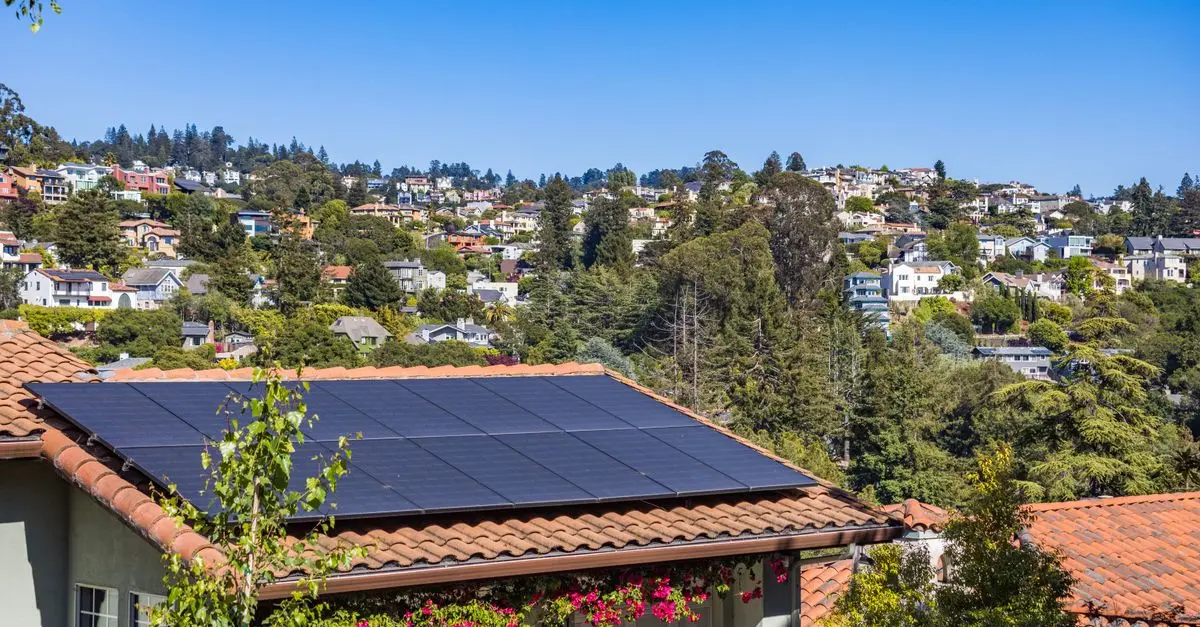
If the amount on your CFE bill surprises you every two months, you're not alone. The cost of electricity in Mexico depends on your rate, the climate zone where you live and, above all, your consumption habits. The good news is that lowering your home electric bill doesn't require a big investment: with a few simple adjustments and some targeted upgrades, you can see a real reduction starting with the next billing period. In this guide we cover how your rate works, which appliances use the most power and which concrete actions have the biggest impact.
Understand your rate before you act
Before changing any habits, it pays to know which rate you're on. Most households in Mexico are on the basic residential rate (1, 1A, 1B, etc., depending on the heat zone), but if your bimonthly consumption exceeds a certain limit—which varies by region—you automatically move to the High Residential Consumption rate (Tarifa de Alto Consumo Doméstico, or DAC), where the price per kWh rises considerably. In many cases this is the main reason for a high bill: it's not that you use much more, but that you crossed the threshold and now pay a different price for every additional kilowatt.
Check your bill and find your consumption tier (basic, intermediate, excess) and the price per kWh for each one. That tells you whether your priority should be "use a little less so I don't cross the limit" or simply "reduce total consumption." The exact kWh limits and rates vary by season and location, so always confirm the current figures on your bill or on CFE's official website.
Key fact
Getting out of the DAC rate usually delivers the biggest and fastest savings, even before you buy any efficient equipment. Compare your current consumption against your rate's limit to see how many kWh you need to cut.
The appliances that use the most power
Not all appliances weigh equally on your bill. The equipment that generates or removes heat is almost always the biggest culprit behind high consumption:
| Appliance | Consumption level | Recommendation |
|---|---|---|
| Air conditioning | Very high | Set it to 24-26°C (75-79°F), use a timer and service it annually |
| Electric water heater | High | Consider switching to gas or solar if usage is constant |
| Older refrigerator | High (constant) | Check the door seals and keep it away from the wall |
| Washer / dryer | Medium | Wash with cold water and full loads |
| Incandescent lighting | Medium | Replace with LED in the most-used fixtures |
| Appliances in standby mode | Low, but adds up | Use power strips that cut power completely at night |
If your home has air conditioning, it is usually the single appliance with the biggest impact in hot climates, especially during the hottest months, when the basic rate's limit tends to be more generous but usage also skyrockets.

Daily habits that really make a difference
- Take advantage of natural light: open the curtains during the day and set up work areas near windows before turning on lamps.
- Adjust the refrigerator thermostat: a mid-range temperature (neither the coldest setting nor too warm) cuts consumption without putting your food at risk.
- Iron and do laundry in concentrated time blocks: grouping tasks that use high-consumption appliances avoids unnecessary peaks and makes it easier to monitor your spending.
- Unplug chargers and screens on standby: although each device uses little, the total in a household with several devices does show up on the bill.
- Maintain your air conditioner and refrigerator: dirty filters or worn seals force the equipment to work harder to get the same result.
- Use LED bulbs in the most-used areas: living room, kitchen and main bedrooms first, since that's where the savings add up fastest.
Home improvements with a real return
Beyond habits, there are structural changes that cut consumption permanently:
- Thermal insulation in the roof and walls: especially useful in extreme climates, it reduces the need for air conditioning or heating.
- Double-pane windows or solar film: they reduce heat gain without sacrificing natural light.
- Appliances with an energy efficiency label: when you replace an older refrigerator or washer, the savings accumulated over several years usually offset the initial investment.
- LED bulbs throughout the house: one of the lowest-cost improvements with the fastest payback.
- Electrical system inspection: damaged wiring or loose connections can cause phantom consumption; a certified electrician can detect it.
Before you invest
Compare the cost of the improvement against the estimated savings on your bill over one or two years. Low-cost improvements (LEDs, door seals, maintenance) almost always pay for themselves first; save the big investments for after you've optimized your basic habits.
Is solar energy worth it?
For households with high, constant consumption, especially those that fall into the DAC rate, a photovoltaic system can significantly reduce the bill or even generate surplus under CFE's net metering scheme. However, the upfront investment is considerable, and the payback period varies depending on the size of the system, the solar radiation in your area and the home's actual consumption.
Before deciding, get quotes from more than one certified installer, review at least a full year of consumption history (to capture seasonal variations) and confirm the current terms of CFE's interconnection scheme, since these rules can be updated. If you're buying or selling a property with panels installed, it's worth factoring them into your analysis of how much the house is worth, since they can affect the property's appeal.
Before signing an installation contract
Verify that the company is certified, ask for references from previous installations and avoid signing financing agreements with unclear terms. An independent advisor can help you compare proposals before you commit to several years of payments.
This content is for informational purposes only and does not constitute financial, legal or technical advice. Before investing in a photovoltaic system or signing a financing contract, consult a certified advisor and confirm the current terms directly with CFE.
Frequently asked questions
Why did I get a much higher CFE bill than the previous billing period?
It could be due to a real increase in your use of air conditioning or water heaters for the season, to your consumption crossing your rate's limit and moving you into a tier with a higher price per kWh, or to a change in the subsidized consumption limit that applies during the hot season in your area (not the thermal zone itself, which is a fixed classification of your address, but the kWh cap that applies to you depending on the time of year). Review the bill's breakdown to identify the consumption tier in which your spending increased.
What is the DAC rate and how do I know if I'm on it?
The High Residential Consumption rate (Tarifa de Alto Consumo Doméstico) applies when your bimonthly consumption exceeds the limit set for your climate zone. Your bill shows whether your rate changed to DAC, along with a price per kWh that is noticeably higher than the basic rate. Confirm the exact current figure on your bill or directly with CFE.
Does switching to LED bulbs really make a noticeable difference?
Yes. Although the individual impact of each bulb is smaller compared to air conditioning or the water heater, it is one of the lowest-cost improvements with the fastest payback, especially when applied in the areas used most each day, such as the kitchen, living room and main bedroom.
Does installing solar panels completely eliminate the CFE bill?
Not necessarily. The result depends on the size of the system, the home's consumption and the current interconnection terms. In many cases the payment drops significantly, but a minimum or service charge usually remains. It's advisable to confirm the current terms with a certified installer and with CFE before deciding.
Looking for a more energy-efficient home?
Explore properties for sale and compare options that fit your budget and lifestyle.
Listings
Recent properties
 For sale
MX$1,440,000
Land
Land for Sale in Residencial Lomas del Dorado
Boca del Río, Veracruz
 For sale
MX$3,900,000
House
House for Sale in Las Lomas, Riviera Veracruzana | 3 Bedrooms with Private Bathrooms
Alvarado, Veracruz
 For sale
MX$10,900,000
Land
Attention Investors
Puerto Vallarta, Jalisco
Keep reading
Related articles

When to Lower the Price If Your House Isn't Selling
Lowering the price when your house isn't selling is a timing decision: do it too soon and you lose margin, too late and the property looks stale.
Inmobiliaria32 Team

Monterrey's Water Crisis: What It Means for Homebuyers
Monterrey's water crisis: what happened in 2022, how the dams stand today, what infrastructure was built, and what to check in a home before buying in the metro area.
Inmobiliaria32 Team
If Your Developer Goes Bankrupt: What Happens to Your Money and Home
If the developer goes bankrupt on your pre-sale: what happens to your money and your home based on what you signed, who gets paid first in a concurso mercantil, and what to do now.
Inmobiliaria32 Team
Best Neighborhoods in Zihuatanejo to Buy a Home (2026)
A guide to the best areas to buy a home in Zihuatanejo: Centro, La Madera, La Ropa and Playa Larga.
Carlos Mendoza
Building and remodeling
Keep learning before you decide
33 guides on building and remodeling, and thousands of properties listed across Mexico.