

Downtown vs. the Suburbs: The Real Cost of Your Commute
Living downtown or on the outskirts is about more than rent: the time and money you spend commuting can change your real cost of living.

One of the most common dilemmas when searching for a house or apartment is deciding between living downtown or on the outskirts of the city. Rent or purchase prices usually drop the farther you get from the center, but that difference doesn't always translate into real savings once you add up the cost of the daily commute: gas, public transportation, lost time, and wear and tear on your vehicle. In this article we break down how to calculate the real cost of each option so you can make an informed decision, not one based only on the rent or the monthly payment.
Factors that determine the real cost of living far from downtown
When comparing life downtown with life on the outskirts, the most common mistake is looking only at rent or the price per square meter. The real cost of living includes several components that are rarely calculated together:
- Daily transportation: gas, tolls, car maintenance, or the accumulated cost of public transportation (metro, bus, ride-hailing apps).
- Commute time: hours per week that could otherwise go to work, family, or rest.
- Parking: in downtown areas it can be a significant extra expense; on the outskirts it's usually included.
- Nearby services: living far from schools, hospitals, or supermarkets can create additional trips you didn't account for at the start.
- Appreciation and urban development: some outlying areas gain value over time if new roads or developments arrive, which can offset today's commuting cost in the medium term. You can review what factors influence an area's appreciation (plusvalía) before deciding.
The right decision depends on your particular situation: if you work from home, the commute matters less; if you have a fixed-schedule job downtown, the cost of your time may be the deciding factor.
Key fact
There is no fixed percentage that applies to every city: how much the commute weighs on your budget depends on how congested the roads or public transportation are in your area, and on whether your work schedule coincides with rush hour. That's why it's best to run the numbers with your own figures instead of relying on general averages.
How to calculate your monthly commuting cost
To make a decision based on data and not just intuition, follow these general steps:
- Calculate distance and frequency: estimate the kilometers or time of the round trip to your regular destinations (work, school, activities) over a typical month.
- Add up the direct cost: if you drive, include gas, tolls, and an estimate of the extra maintenance from higher mileage. If you use public transportation, add up the monthly fares.
- Include the cost of time: multiply your weekly commuting hours by what you consider an hour of your time to be worth (it can be your work rate or simply the value you place on your free time).
- Compare against the rent savings: subtract the total commuting cost from the monthly savings you get by living in a cheaper area.
- Consider extras: parking, higher car insurance from heavier use, or the cost of delivery services you use more often because you're far from stores.
A purely illustrative example, using hypothetical figures that do not represent a real case: if moving to the outskirts saved you roughly between $1,500 and $3,000 pesos per month in rent, but the extra spending on gas or public transportation ran around $800 to $1,800 pesos, and you add the value of about 15 to 20 additional commuting hours per month, the real net savings could end up far below what you expected, or even disappear, depending on how much you value your time.
This methodology is a general guide; exact amounts vary by city, vehicle model, local gas prices, and your spending habits, so it's best to run the calculation with your own real numbers. This content is for informational and educational purposes and does not constitute personalized financial advice; for important budget or housing decisions, consider reviewing your case with a qualified advisor.
Comparison: downtown vs. outskirts in ballpark figures
The following table summarizes, in a general and approximate way, the typical differences between living in downtown areas and on the outskirts. Ranges vary widely by city and should be taken only as a reference for your own analysis.
| Factor | Downtown | Outskirts |
|---|---|---|
| Rent or price per m2 | Generally higher | Generally lower |
| Commute time | Short to moderate | Moderate to long, varies with road conditions |
| Transportation spending | Lower or none if you walk | Higher, especially with a private car |
| Parking | Sometimes an extra cost | Usually included |
| Access to services | Wide and nearby | Limited, depends on the development |
| Space and home size | Generally smaller | Generally larger for the same budget |
Before deciding, browse houses for sale and apartments in different areas to compare real prices in the city you're interested in.

Time vs. money: the cost that doesn't show up on your bank statement
The commute doesn't just cost money, it costs time, and time has a value that is often underestimated. If you spend one to two extra hours a day because you live on the outskirts, that adds up to several full days a month you could use to work, rest, or be with your family.
Beyond time, there's a toll that is often overlooked: traffic stress, accumulated fatigue, and the impact on your quality of life. For those who work hybrid or remotely, this factor matters less, which can tip the balance toward the outskirts without the commuting cost being a real problem.
Practical tip
If your job allows partial remote work, negotiating two or three days of home office can significantly reduce the real cost of living on the outskirts, without giving up the extra space they usually offer.
When each option makes sense, depending on your profile
There is no single answer to whether it's better to live downtown or on the outskirts; it depends on your lifestyle, budget, and priorities. Some general guidelines:
- Living downtown makes sense if: your job requires frequent in-person presence, you value walking to services and activities, or you'd rather have a smaller space in exchange for less commuting.
- Living on the outskirts makes sense if: you work remotely or hybrid, you want more space for your family, you prioritize quiet, or your budget to buy or rent is limited and you need to maximize square meters.
- Consider a middle ground: transition areas well connected by public transportation or fast roads can offer a reasonable balance between price and commute time.
It's also worth evaluating the appreciation potential of any outlying area you're considering, since urban growth can offset today's commuting cost down the road. If you're about to buy, review the property valuation and use the closing costs calculator (gastos de escrituración) to get the full financial picture before deciding.
Heads up
Before signing a rental contract or closing a purchase, do a practical test: drive or ride the actual route at the time of day you'd make it every day, ideally more than once, to confirm that the estimated time and cost resemble reality and not just what a map shows under ideal conditions.
Frequently asked questions
Is it always cheaper to live on the outskirts?
Not necessarily. Although rent or purchase price is usually lower, spending on transportation, the time invested, and other associated costs can reduce or eliminate those savings. It's best to calculate the total cost, not just the price of the home.
How do I calculate how much I really spend on commuting?
Add up your direct spending on gas, tolls, or public transportation over a month, add extra vehicle maintenance if it applies, and factor in the value of your time by multiplying your weekly commuting hours by what you consider an hour of your time to be worth.
Does remote work change the downtown vs. outskirts decision?
Yes, significantly. If you work from home most days, the commuting cost stops being a deciding factor and you can prioritize space, price, and quality of life in areas farther from downtown.
Is it worth living far from downtown for future appreciation?
It can be, if the area has urban development plans, new roads, or infrastructure on the way, but it's a medium- to long-term bet. It's best to research the area's growth history before deciding based solely on future expectations.
Find the area that best fits your lifestyle and budget
Listings
Recent properties
 For sale
MX$1,440,000
Land
Land for Sale in Residencial Lomas del Dorado
Boca del Río, Veracruz
 For sale
MX$3,900,000
House
House for Sale in Las Lomas, Riviera Veracruzana | 3 Bedrooms with Private Bathrooms
Alvarado, Veracruz
 For sale
MX$10,900,000
Land
Attention Investors
Puerto Vallarta, Jalisco
Keep reading
Related articles

Living in Torreón: Best Areas and Cost of Living
A practical guide to living in Torreón: the best areas, rent and purchase price ranges, and what to expect from the climate and daily life in the Comarca Lagunera.
Inmobiliaria32 Team

Living in San Pedro Garza García: Mexico's Priciest Municipality
Living in San Pedro Garza García costs more than anywhere else in Mexico. Why it's so expensive, prices by area, taxes and traffic, before you buy or rent there.
Inmobiliaria32 Team

Living in Santa Fe CDMX: Towers, Traffic and Daily Life in 2026
Is living in Santa Fe CDMX worth it? Zones, tower prices, maintenance fees, traffic, water and who it suits best, before you rent or buy there.
Inmobiliaria32 Team
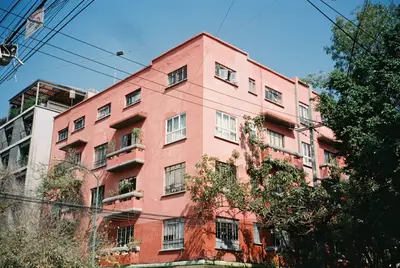
Living in Colonia Del Valle: Who It's For and What It Costs in 2026
Is living in Del Valle worth it? Prices by zone, getting around, earthquakes, water and who this Benito Juárez neighborhood suits, before you rent or buy.
Carlos Mendoza
Buying a home
Keep learning before you decide
358 guides on buying a home, and thousands of properties listed across Mexico.