

Sustainable Homes in Mexico: What Makes Them Worth More
A sustainable home in Mexico can cost more to build, but it often saves on utilities and adds resale value.
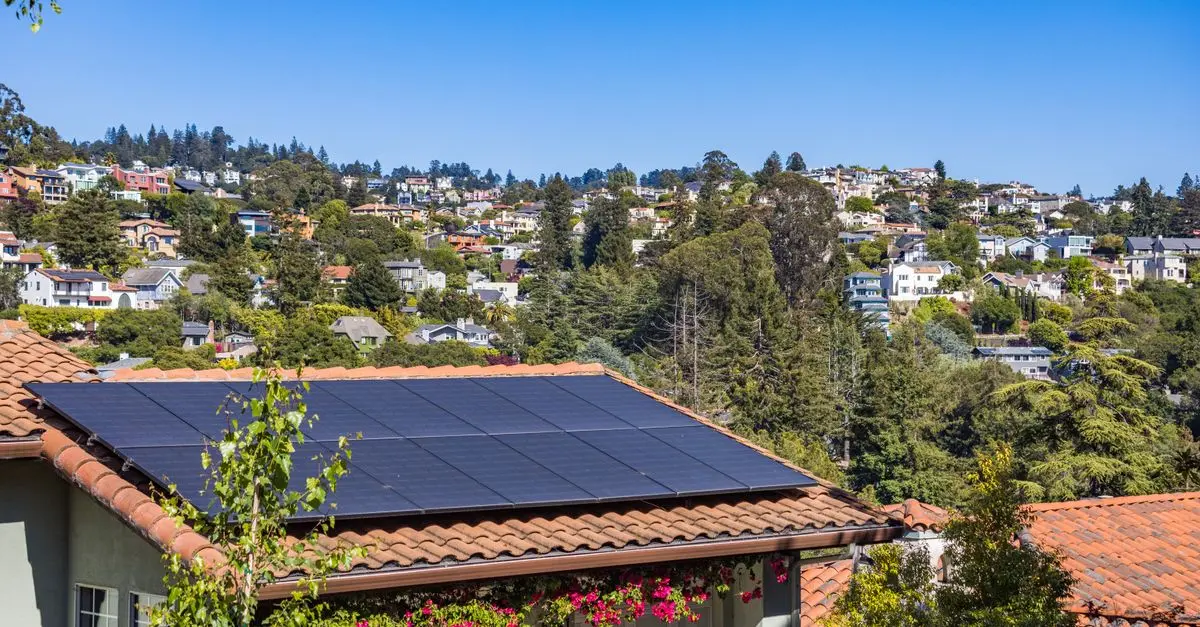
More and more buyers in Mexico ask about water and electricity consumption before they ask about the number of bedrooms. That shift in priorities is turning a sustainable home in Mexico from a niche product into a real selling point. But not every "green" feature carries the same weight when it comes to setting the price: some increase property value in a measurable way, while others are more of an aesthetic preference. In this guide we review what actually adds value, which documents you should have on hand, and how to communicate it if you are selling or renting.
What makes a home truly sustainable?
The term "sustainable" gets used freely in real estate listings, but not everything with plants on the facade actually reduces consumption. In practical terms, a sustainable home in Mexico usually combines three fronts: energy efficiency (lower electricity and gas use), water efficiency (harvesting, reuse and conservation of water), and bioclimatic materials or design that reduce the need for artificial climate control.
What matters for property value is not the label but the evidence: utility bills lower than the neighborhood average, certifications or studies that back up the savings, and systems that actually work (not just installed, but maintained). An informed buyer will usually ask to see the bills from the last several months before believing the promised savings.
This article is for informational purposes only and does not replace professional legal, financial or technical advice; for decisions about contracts, financing or the deed process (escrituración), it is best to consult a specialist.
Features that add the most to property value
Not all "green" investments recoup the same amount. In general, the more directly a buyer can verify the monthly savings, the more willing they are to pay extra for the property.
| Feature | Typical impact on property value | What to check before buying/selling |
|---|---|---|
| Solar panels (grid interconnection with CFE) | High: verifiably reduces the electricity bill | Interconnection contract, age of the system, inverter warranty |
| Rainwater harvesting + cistern | Medium-high in areas with water scarcity | Storage capacity, filters, recent maintenance |
| Solar water heater | Medium: noticeable gas savings, but smaller than with solar panels | Condition of the piping and gas backup for cloudy days |
| Thermal insulation and efficient windows | Medium: more noticeable in extreme climates | Materials used, orientation of the house |
| Home automation (lighting, climate, security) | Low-medium: perceived as convenience, not always as savings | Compatibility with standard apps, not closed or discontinued brands |
| Xeriscape or low-water garden | Low: valued mostly in semi-arid climates | Current maintenance cost vs. a traditional garden |
As a rough guide, the systems that directly attack the electricity or water bill tend to be the ones a buyer is willing to recognize in the sale price, because the savings are easy to project into the future. The more aesthetic or convenience-oriented features help set the property apart, but they rarely justify a large price increase on their own.
Practical tip
If you are buying a home with solar panels, ask whether the system is owned outright or is under a lease or financing arrangement with a third party. This completely changes the real value it adds to the property and the obligations you inherit.
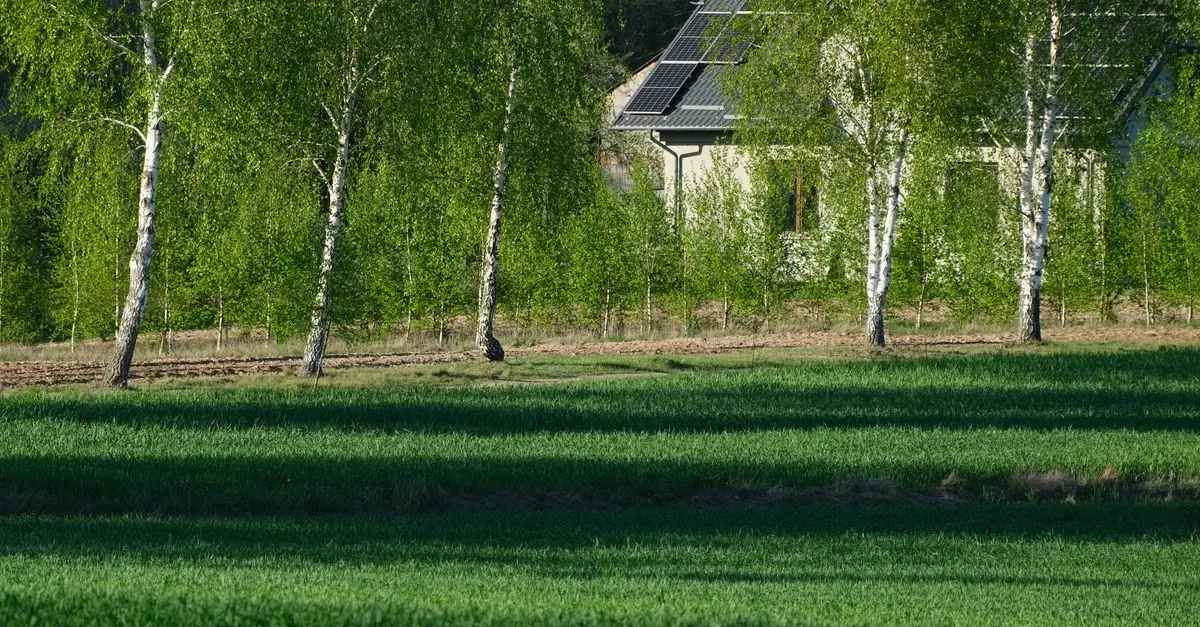
Utility savings vs. upfront investment
Before deciding whether it makes sense to invest in sustainable upgrades before selling, or to pay extra for a home that already has them, it is worth thinking about three variables:
- Payback period: it varies greatly depending on the system, the area and the home's prior consumption; it is wise to get a quote with a savings projection before installing any system.
- Useful life and maintenance: a solar panel or water harvesting system without maintenance loses efficiency over the years; ask when it was last serviced.
- Local context: in regions with water scarcity or high electricity rates, these upgrades tend to weigh more in the purchase decision than in areas where utilities are cheaper or more stable.
If you are setting the price of a property with these features, it can help to see how it compares to the rest of the market with our tool for finding out how much your home is worth, and to complement that with the guide on how to price your home.
How to prove it to a buyer or tenant
Trust is built with evidence, not adjectives. If you are going to sell or rent a sustainable property, consider gathering:
- CFE (Comisión Federal de Electricidad) and water bills from the last 6 to 12 months, ideally compared against a period before the upgrades.
- Invoices or installation contracts for the systems (solar panels, solar water heater, rainwater cistern).
- Current equipment warranties and, where applicable, the interconnection contract with the electric utility.
- Photos or reports of recent maintenance.
This documentation is in addition to what is normally required in any transaction; if you want to see the full list of what is needed for a sale, check out the document checklist for buying a home.
For rentals
If the property is for rent, stating in writing in the contract who is responsible for maintaining the panels or cisterns helps avoid disputes. You can use a lease agreement template as a starting point.
Common mistakes when promoting a "green" home
| Mistake | Why it hurts the sale |
|---|---|
| Using "eco" or "sustainable" with no supporting data | Breeds distrust and can come across as empty marketing |
| Not mentioning the condition or age of the systems | The buyer assumes the worst and negotiates the price down |
| Leaving out that the equipment is financed or leased | It can come to light during the appraisal or at the notary's office and stall the deal |
| Comparing the savings with homes in a different area or climate | Real savings depend on the local context; it is not a fixed number |
Accurately describing the installed systems, their age and the savings backed by the bills avoids misunderstandings with buyers and speeds up negotiation. If you haven't listed your property yet, check out the guide on how to list on Inmobiliaria32 to include this information in an organized way, or browse similar homes for sale to compare how other listings present these features.
Frequently asked questions
Does a sustainable home always sell for more?
Not always. The added value depends on the savings being verifiable and on the area valuing that kind of upgrade. In climates or cities where utilities are cheap, the impact on price tends to be smaller.
Do the solar panels stay with the house when it is sold?
It depends on the arrangement. If they are owned outright and already paid off, they are normally included in the sale as part of the property. If they are leased or financed through a third party, you need to review the contract and clarify whether it is transferred or paid off before the deed (escritura) is signed.
How quickly does a solar system pay for itself?
It varies depending on prior consumption, the size of the system, the area and the electricity rates in effect at the time. There is no single timeframe; the best approach is to ask a certified installer for a personalized projection before deciding.
How do I know whether the savings the seller is advertising are real?
Ask to see the CFE and water bills from the last several months, ideally compared with a period before the upgrades were installed. Real savings can be backed up with documents, not just the seller's word.
Looking for a home with sustainable upgrades, or want to know what yours is worth?
Listings
Recent properties
 For sale
MX$1,440,000
Land
Land for Sale in Residencial Lomas del Dorado
Boca del Río, Veracruz
 For sale
MX$3,900,000
House
House for Sale in Las Lomas, Riviera Veracruzana | 3 Bedrooms with Private Bathrooms
Alvarado, Veracruz
 For sale
MX$10,900,000
Land
Attention Investors
Puerto Vallarta, Jalisco
Keep reading
Related articles
Condos vs. Houses: Which Appreciates More in Mexico?
Which appreciates more, a house or a condo? We compare appreciation (plusvalía) and demand.
Carlos Mendoza
Remodels That Add the Most Value to Your Home in Mexico
Find out which value-adding remodels are actually worth the money in Mexico: kitchen, bathrooms, paint and curb appeal.
Carlos Mendoza

Living in San Pedro Garza García: Mexico's Priciest Municipality
Living in San Pedro Garza García costs more than anywhere else in Mexico. Why it's so expensive, prices by area, taxes and traffic, before you buy or rent there.
Inmobiliaria32 Team

Building Gym and Pool: Are You Overpaying for Amenities?
Before you pay for building amenities, find out if you're overpaying for a gym and pool. Calculate whether you'll really use them or just end up subsidizing what others enjoy.
Inmobiliaria32 Team
Building and remodeling
Keep learning before you decide
33 guides on building and remodeling, and thousands of properties listed across Mexico.