

Home Purchase Offer Letter in Mexico: What to Include
What is a home purchase offer letter, and what should it include?
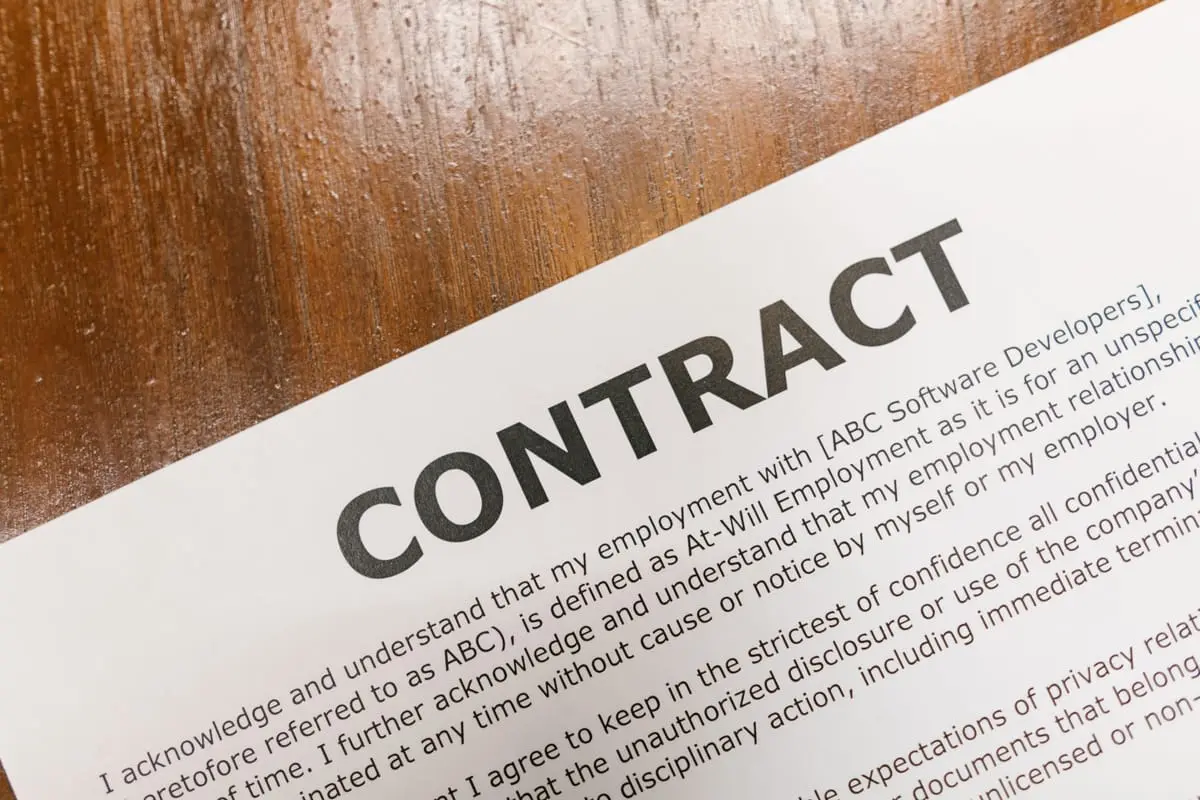
When you finally find the house you want and decide to buy it, you rarely jump straight to the final contract. There is usually a very important intermediate step first: the purchase offer letter, also called a letter of intent or purchase proposal. It is the document in which you, as the buyer, formally tell the seller how much you are offering and under what conditions you are willing to close the deal. In this guide we explain what a purchase offer letter is in Mexico, what it should include, whether or not it is binding, and how it connects to the purchase and sale contract that comes next.
What is a purchase offer letter?
The purchase offer letter is a formal document, usually one or two pages long, in which the buyer proposes to the seller the acquisition of a property at a specific price and under certain conditions. It is not yet the purchase and sale contract: it is the preliminary step that puts your serious intention to buy in writing and lays the groundwork for the negotiation.
In Mexican practice, this document is widely used when a real estate agency or advisor is involved: it gives the seller clarity that your interest is real and organizes the terms that will later be carried over into the final contract. It is usually delivered together with the buyer's ID and, in some cases, proof of ability to pay or the mortgage pre-approval letter.
Don't confuse it with the reservation deposit
The offer letter expresses a proposal in writing; the reservation deposit (apartado) involves handing over money to hold the house. Sometimes they are used together, but they are different things: you can submit an offer without having paid anything yet.
What is a purchase offer letter for?
Although it is not always mandatory, this document serves several useful purposes for both the buyer and the seller:
- It formalizes your interest: it shows that your proposal is serious and not just a hallway conversation.
- It organizes the negotiation: it puts the price, payment method, and deadlines in writing to avoid misunderstandings.
- It gives you a starting point: it opens the conversation so you can negotiate before signing the final contract.
- It makes the purchase conditional: it lets you make clear that you will buy only if certain conditions are met, such as approval of your loan.
- It reduces surprises: by agreeing on the terms in advance, the contract that follows goes more smoothly.
If you are still deciding how much to offer, it is worth reviewing our guide on how to negotiate the price of a house first, because the figure you put in the letter is precisely your calling card in the negotiation.
What the purchase offer letter should include
There is no single mandatory format, but a well-written offer letter usually contains, at a minimum, the following elements. The clearer they are, the less room there will be for disputes later on:
| Element | What to specify |
|---|---|
| Details of the parties | Full name of the buyer and the seller |
| Identification of the property | Address and reference of the property being offered on |
| Offered price | The exact amount you propose to pay, in pesos |
| Payment method | Cash, bank loan, INFONAVIT, or a mixed arrangement |
| Closing timeframe | Estimated time to sign the contract and execute the deed (escriturar) |
| Contingencies (condiciones suspensivas) | Conditions that must be met for the purchase to go forward |
| Offer validity | Deadline for the seller to respond |
In addition to the table above, it is a good idea to state in writing what is included in the sale (built-in kitchen, closets, curtains, parking space, storage room) and who will cover costs such as the appraisal, the notary, or taxes. These details prevent arguments when it comes time to sign the deed.
Be clear about the price and the currency
Write the amount in both numbers and words, always in Mexican pesos, and specify whether it is the total price or whether you expect to keep negotiating. An ambiguous offer is open to interpretation and can work against you during the negotiation.

Contingencies (condiciones suspensivas): your safety net
One of the most valuable sections of the offer letter is the so-called condiciones suspensivas (contingencies): conditions that must be met for the purchase to proceed. If they are not met, the transaction does not go through and, in principle, you are not obligated to buy. They are especially important when you depend on financing.
The most common contingencies in Mexico include:
- Loan approval: that your bank or INFONAVIT authorizes the amount needed for the purchase.
- Satisfactory appraisal: that the property appraises at a value consistent with the agreed price.
- Legal status in order: that the house is free of liens and its documentation is in order.
- Payments up to date: that the property tax (predial), water, and maintenance fees are paid.
Putting these conditions in writing protects you. For example, if you make the purchase contingent on your loan being approved and it is not authorized, you will have a solid argument for not continuing, without the refusal being treated as a breach on your part. Before signing the deed, it is wise to verify the legal status of the property with documents such as the certificate of freedom from liens (certificado de libertad de gravamen).
Is the purchase offer letter binding?
This is the question that raises the most doubts, and the honest answer is: it depends on how it is drafted. In general terms, a letter of intent can be treated as a simple expression of interest with no binding force, or it can be drafted in a way that creates commitments for the parties. The difference lies in the content and in the intent expressed.
If the letter expressly states that it is a proposal subject to the later signing of a purchase and sale contract and to the fulfillment of the contingencies, it tends to be interpreted as a preliminary step, not as the sale itself. By contrast, if it includes all the essential elements (the property and the price) and both parties accept it without reservations, a court could find that an agreement with binding effects exists.
Read every word before you sign
Because the legal scope depends on the wording and on each state's legislation, don't assume that an offer letter "doesn't commit you to anything." If the document involves significant amounts or penalty clauses, the prudent thing is to have a lawyer or notary public (notario público) review it before you sign.
To reduce uncertainty, many letters include a sentence clarifying their nature, for example stating that the proposal does not in itself constitute a purchase and sale contract and that it will be void if the final contract is not signed within the agreed validity period. Clarifications like this help both parties know where they stand.
The next step: from "yes" to the purchase and sale contract
Once the seller accepts your offer, the formal stage of the purchase begins. The usual path is to move toward a purchase and sale contract (or a promissory purchase and sale contract as an intermediate step) in which all obligations are laid out precisely, and where arras (an earnest-money deposit) or a down payment backing both parties' commitment is often agreed.
In short, the typical path usually looks like this:
- You submit your purchase offer letter with the price and conditions.
- The seller accepts, rejects, or makes a counteroffer.
- Once they say yes, the purchase and sale contract (or promissory contract) is drafted.
- Arras or a down payment are handed over, if agreed.
- The conditions are met (loan, appraisal, documents).
- The deed is signed before a notary public and the property is registered.
The contract is where your rights and obligations are truly safeguarded, so give it the time it deserves. You can learn what it should contain and how to protect yourself in our guide to the house purchase and sale contract.
Consistency between documents
Make sure that what you offered in the letter matches what you sign in the contract: price, payment method, deadlines, and what is included. Any last-minute change must be put in writing and accepted by both parties.
Common mistakes to avoid
Watch out for these oversights
- Offering a price without having compared the market value in the area.
- Leaving out the contingencies, especially if you depend on a loan.
- Not setting a validity period, leaving your offer open indefinitely.
- Signing without reading, assuming the letter "doesn't obligate you to anything."
- Handing over money as a reservation deposit without a receipt describing the conditions.
Before deciding how much to offer, it is a good idea to estimate the property's real value. You can use our tool to calculate the value and go into the negotiation with a well-grounded figure.
Frequently asked questions
Is it mandatory to submit a purchase offer letter?
It is not a legal requirement to buy, but it is a common and recommended practice, especially when a real estate agency is involved. It organizes the negotiation and puts the terms in writing before the contract.
Do I have to pay anything when I submit the letter?
Not necessarily. The letter can be submitted without handing over any money. In some cases it is accompanied by a reservation deposit, but that is a separate agreement that should be documented separately.
What happens if the seller accepts my offer and then backs out?
It depends on how the letter was drafted and whether formal commitments were already in place. If it was only an expression of interest, the room for a claim is usually limited; that is why the contract that follows is so important. If in doubt, consult a lawyer.
Can I withdraw my offer before they respond?
Generally yes, especially if the offer has not yet been accepted and you set a validity period. Communicate it in writing to keep a record. The exact rules may vary depending on the wording and state legislation.
Ready to make your offer?
Before submitting your offer letter, find the ideal home and calculate a fair price based on market value.
Listings
Recent properties
 For sale
MX$1,440,000
Land
Land for Sale in Residencial Lomas del Dorado
Boca del Río, Veracruz
 For sale
MX$3,900,000
House
House for Sale in Las Lomas, Riviera Veracruzana | 3 Bedrooms with Private Bathrooms
Alvarado, Veracruz
 For sale
MX$10,900,000
Land
Attention Investors
Puerto Vallarta, Jalisco
Keep reading
Related articles

VAT on a New Home in Mexico: When You Pay It
How VAT (IVA) on a new home in Mexico works: which part of the price may carry IVA, when it applies, and how to tell it apart from the ISAI and other notary costs.
María Elena Rodríguez

Used Furniture on Facebook Marketplace: Buy Without Getting Scammed
Buying used furniture on Facebook Marketplace in Mexico: the most common scams, how to pay safely, what to check on sofas and wood, and what to do if you've been scammed.
Inmobiliaria32 Team

Monterrey's Water Crisis: What It Means for Homebuyers
Monterrey's water crisis: what happened in 2022, how the dams stand today, what infrastructure was built, and what to check in a home before buying in the metro area.
Inmobiliaria32 Team
If Your Developer Goes Bankrupt: What Happens to Your Money and Home
If the developer goes bankrupt on your pre-sale: what happens to your money and your home based on what you signed, who gets paid first in a concurso mercantil, and what to do now.
Inmobiliaria32 Team
Buying a home
Keep learning before you decide
358 guides on buying a home, and thousands of properties listed across Mexico.