

Will Home Prices Drop in Mexico? 2026 Analysis
We analyze whether home prices in Mexico will fall in 2026: what the trends say, which factors push prices down, and what to expect by region.
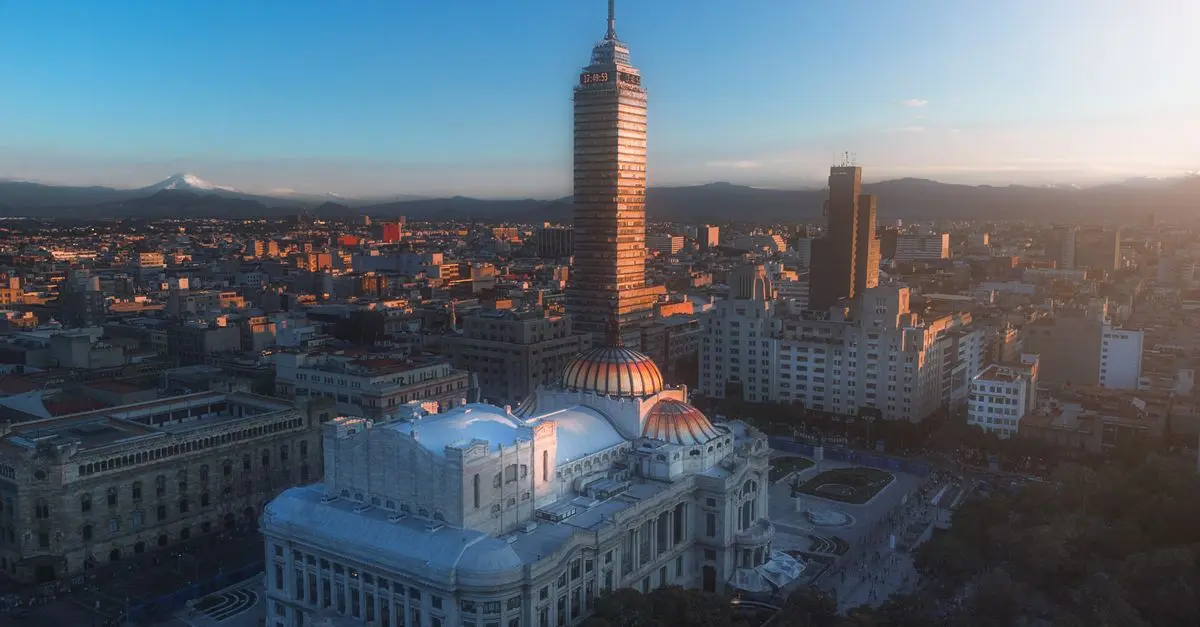
It's the question buyers ask most often: will home prices in Mexico drop in 2026? The short answer is that there is no single answer for the whole country. The Mexican real estate market behaves very differently depending on the city, the segment and the type of property. In this analysis we review the general trends with approximate figures, the factors that could push prices down (or keep them rising), and what an informed buyer can do with this information.
Important notice
This article is for informational and educational purposes only. It does not constitute financial or investment advice, nor a guaranteed price forecast. The figures and percentages cited are approximate and indicative, based on general trends reported in recent years by sources such as INEGI and the Sociedad Hipotecaria Federal (SHF); actual market behavior varies by city, neighborhood (colonia) and economic conditions. Before making buying or selling decisions, check the most up-to-date official figures from these institutions and consult a certified real estate or financial advisor.
1. Overview of the market in 2026
In recent years, the Housing Price Index published by the SHF has shown a general upward trend in most of the country's urban markets, with year-over-year changes that in the national aggregate usually fall within a range of moderate growth (low to mid single digits, depending on the quarter and the source consulted), though at very different paces from city to city. In some markets growth has been close to general inflation, while in others — particularly border cities and nearshoring hubs — the increase reported in recent bulletins has been noticeably sharper, at times exceeding the national average by several percentage points, driven by demand pressure on a limited supply.
For prices to "fall" in nominal terms (that is, for a house to cost fewer pesos than before) is an uncommon scenario in the national aggregate: historical INEGI and SHF reports rarely show negative year-over-year changes at the country level. What does happen more often is a slowdown in the pace of growth, stagnation in specific segments, or even isolated adjustments in areas that overheated in earlier cycles. To understand where your local market is heading, it's worth reviewing up-to-date reports such as our analysis of the price per m² in Mexico 2026.
2. Factors that could push prices down
Several forces could, in theory, moderate or even reverse price growth in certain areas:
| Factor | Potential effect |
|---|---|
| High mortgage interest rates | Reduces purchasing power and discourages leveraged buyers; even a couple of percentage points' difference in the rate can weigh more on the monthly payment than a moderate price drop |
| Oversupply of new inventory in some areas | Pushes prices down where there are excess unsold units and absorption times lengthen |
| Economic slowdown or uncertainty | Cools demand and lengthens selling times |
| Correction after cycles of overvaluation | Isolated adjustments in neighborhoods (colonias) that rose above their city's average in previous cycles |
| Changes in tax or credit policies | Can change the effective demand from buyers and investors |
It's important to note that these factors rarely act alone or uniformly: they may affect one segment (for example, luxury housing or investment condos) more than affordable housing, which tends to respond more to credit programs and subsidies than to the speculative cycle.
3. Factors that support or raise prices
On the other side of the scale are structural factors that have sustained price growth in Mexico for years and are not easily reversed in the short term:
- Historical housing deficit: formal supply has not grown at the same pace as demand in many cities, an imbalance that various industry analyses estimate at millions of units nationwide.
- Nearshoring and industrial investment: cities in the north and the Bajío have seen an influx of companies and workers, putting pressure on housing and rental demand, with reported price increases above the national average in several of these markets. You can read more in our article on nearshoring and the real estate market.
- Construction costs: materials, labor and serviced land have made new housing more expensive in recent years, which props up prices in the resale segment as a comparative benchmark.
- Appreciation (plusvalía) from infrastructure: road works, transportation and commercial development raise the value of specific areas steadily, at times well above their city's average. See which factors increase property appreciation (plusvalía).
- Housing as a store of value: in inflationary contexts, part of the demand sees real estate as a way to preserve capital, which sustains demand even with high interest rates.
In summary
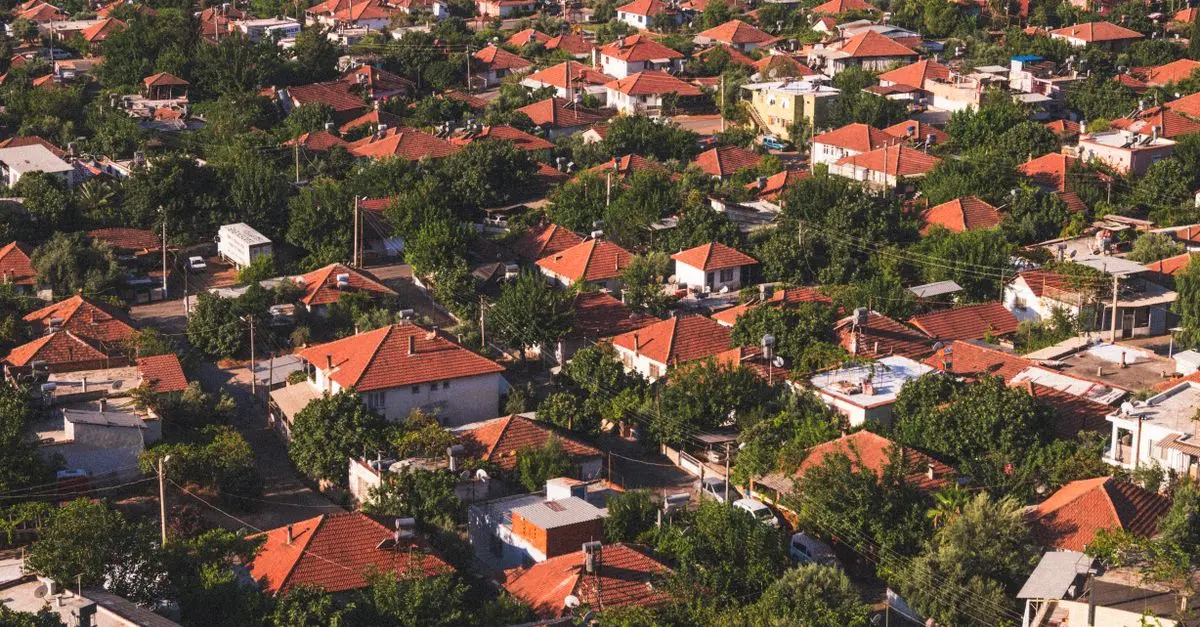
Rather than expecting a across-the-board drop in prices, the most realistic outlook for 2026 is a "multi-speed" market: areas with sustained growth driven by real demand (nearshoring, infrastructure), areas with stagnation or slight adjustments due to oversupply, and segments where mortgage credit is the real factor determining the pace of sales. The gap between the cities with the highest and lowest reported growth can be several percentage points per year, so national averages say little about what is happening in a specific neighborhood.
4. Differences by region and segment
Talking about "the Mexican market" as a single block is misleading. Here are some indicative dynamics worth keeping in mind, based on regional price reports from recent years:
- Border and industrial cities (north and Bajío): sustained upward pressure from nearshoring demand, with annual growth reported above the national average in several markets, though possible pauses if foreign investment cools.
- Large metropolitan areas (Ciudad de México, Guadalajara, Monterrey): mixed behavior by neighborhood, with price-per-m² differences that can be several times higher between a well-connected central area and a peripheral one in the same city; the former tend to hold value better.
- Tourist destinations and second-home markets: more sensitive to international demand and the exchange rate, with greater relative volatility from one year to the next.
- Mid-sized cities with less economic dynamism: more prone to price stagnation, with annual changes close to zero in real terms, if there are no significant infrastructure or investment projects.
For specific decisions, it's always better to compare current prices per m² across several similar neighborhoods (colonias) or municipalities before deciding, rather than relying only on national averages; you can browse houses for sale or apartments in the specific area you're interested in, and cross-check them against our report on the price per m² in Mexico 2026.
5. What to do if you're thinking of buying
Regardless of whether prices rise, fall or hold steady, there are steps that reduce the risk of a bad purchase decision:
- Compare prices per m² across several similar neighborhoods (colonias) or municipalities before deciding, using references such as the report on the price per m² in Mexico 2026.
- Review your financing options carefully; a difference of a few points in the rate can weigh more on the monthly payment than an eventual price drop. Check our 2026 mortgage loan comparison and the step-by-step mortgage guide.
- Don't forget to budget for the additional costs of the transaction with our closing costs calculator (gastos de escrituración).
- Always verify the property's legal status before moving forward; review the checklist of documents for buying a house.
- Avoid rushed decisions out of fear of "missing the moment"; the real estate market moves in months and years, not weeks.
Practical tip
Instead of trying to predict the exact moment when prices will "drop," focus on finding a property that fits your real budget, with a good location and its paperwork in order. Long-term appreciation (plusvalía) usually outweighs short-term fluctuations in most established urban areas.
Frequently asked questions
Will home prices in Mexico drop in 2026?
There is no single answer for the whole country. In nominal terms, a widespread drop is unlikely, since historical INEGI and SHF indices rarely show negative year-over-year changes at the national level; the most realistic scenario is that some areas will show a slowdown or isolated adjustments while others, especially those with strong nearshoring or infrastructure demand, keep growing. It's best to analyze each city and segment separately with up-to-date data.
What factors could cause prices to fall in a specific area?
Oversupply of new inventory, high interest rates that reduce qualified demand, a local economic slowdown, or a correction after a cycle of overvaluation are the most common factors that can push prices down in specific markets.
Is it worth waiting for prices to drop before buying?
It depends on your personal situation. Waiting carries the risk that mortgage rates or prices keep rising in your area of interest, while buying now exposes you to short-term fluctuations. The most advisable approach is to assess your current ability to pay and the quality of the specific opportunity, rather than trying to predict the market.
Do all cities in Mexico behave the same way when it comes to housing prices?
No. Cities with strong industrial investment or nearshoring tend to show sustained upward pressure, with reported growth above the national average, while mid-sized cities without significant infrastructure projects may show stagnation. It's always better to analyze local behavior before drawing general conclusions.
Looking to buy or sell at the right time?
Explore up-to-date listings across the entire country or calculate how much your property is worth today.
Listings
Recent properties
 For sale
MX$1,440,000
Land
Land for Sale in Residencial Lomas del Dorado
Boca del Río, Veracruz
 For sale
MX$3,900,000
House
House for Sale in Las Lomas, Riviera Veracruzana | 3 Bedrooms with Private Bathrooms
Alvarado, Veracruz
 For sale
MX$10,900,000
Land
Attention Investors
Puerto Vallarta, Jalisco
Keep reading
Related articles
Condos vs. Houses: Which Appreciates More in Mexico?
Which appreciates more, a house or a condo? We compare appreciation (plusvalía) and demand.
Carlos Mendoza

Marinas and Homes with Private Boat Slips in Mexico
A guide to Mexico's main marinas with residences that include a private boat slip.
María Elena Rodríguez
Health Insurance for Expats in Mexico: Options and Prices
What expat health insurance options exist in Mexico, how the public and private systems work, and which factors drive the cost of a policy.
Carlos Mendoza
Earthships and Self-Sufficient Homes in Mexico
An earthship in Mexico is a self-sufficient home built with recycled materials and solar power. How it works and what building one in the country involves.
María Elena Rodríguez
Buying a home
Keep learning before you decide
358 guides on buying a home, and thousands of properties listed across Mexico.