

Villas in Mexico: What They Are and Who They Make Sense For
What a villa means in the Mexican real estate market and how it differs from a house or a condominium.
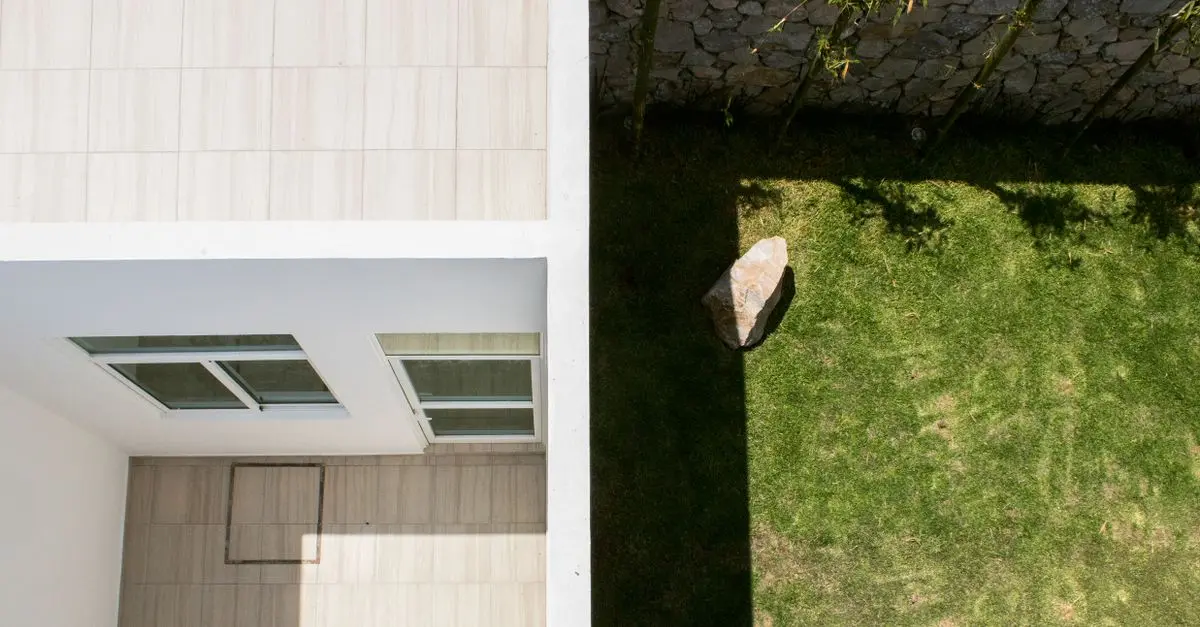
If you've searched for property in areas like the Riviera Maya, Los Cabos, Puerto Vallarta or Valle de Bravo, you've probably come across the term "villa" applied to very different kinds of homes: from a two-bedroom residence with a private pool to a 1,000-square-meter mansion with maintenance service included. In Mexico, unlike in some other countries, "villa" has no single legal or cadastral definition. It is mostly a marketing label, and understanding it well can save you confusion when buying, renting or selling.
Disclaimer: this article is for informational purposes only and does not constitute legal, tax or financial advice. Deed (escrituración), fideicomiso (bank trust) and tax procedures vary by state and by each person's situation; always confirm the details with a notary public (notario público), attorney or accountant before making decisions.
What a villa is in the Mexican context
The question "what is a villa?" has a different answer depending on who you ask. In the Mexican real estate market, especially in tourist destinations and high-end residential areas, a villa usually refers to a detached single-family home, generally with one or a few floors, on its own lot, with a private pool and garden, designed for luxury residential use or vacation rental. No building code or cadastral standard in any state reserves the term "villa" for a specific type of property: any developer or seller can use it.
This contrasts with European countries, where "villa" describes a more standardized architectural type. Here, the term works more as market positioning: it signals exclusivity, privacy and a level of finishes above the average. That's why it's common to see the same type of home advertised as a "villa" on one portal and as a "residential house" on another, with nothing changing in the deed or the land use.
Key point
When buying, don't go by the "villa" label alone. Review the deed (escritura), the authorized land use and the rules of the development or condominium so you know exactly what you're acquiring and which restrictions apply, for example whether short-term rentals are allowed.
Villa vs. house vs. condominium: the real differences
Although the commercial name varies, there are functional differences worth understanding before you start searching on house listing portals or in gated developments.
| Type | Land | Typical ownership regime | Common use |
|---|---|---|---|
| Villa | Own lot, with garden and private pool | Individual ownership or within a gated community (fraccionamiento cerrado) | Luxury residential, vacation rental, second home |
| Traditional house | Own lot, varying size | Individual ownership | Primary residence, family home |
| Condominium / apartment | Shared common areas | Condominium ownership regime | Urban housing, rental investment |
The most practical difference is usually privacy and the services that come with the property. Many villas, especially those aimed at vacation rental, include cleaning, gardening and security services, and sometimes a chef or concierge, while a traditional house doesn't have that service component built into the price or the maintenance fee.
Typical features of a villa
Although there is no firm definition, in Mexican market practice, properties advertised as villas tend to share several of these traits:
- A large lot relative to the built area, with its own garden and, almost always, a private (not shared) pool.
- Location in tourist or second-home areas: coast, lake, golf course or wooded areas near cities such as Valle de Bravo or Tepoztlán.
- Distinctive architectural design, often with regional materials, high ceilings and open spaces oriented toward outdoor living.
- A freestanding structure: it doesn't share walls with other units, unlike a horizontal condominium.
- Possible membership in a private gated community with a security gatehouse and internal rules, although each lot is deeded individually.
- A focus on short-term rental or seasonal use, which shapes the design of the bedrooms (several suites) and the common areas.
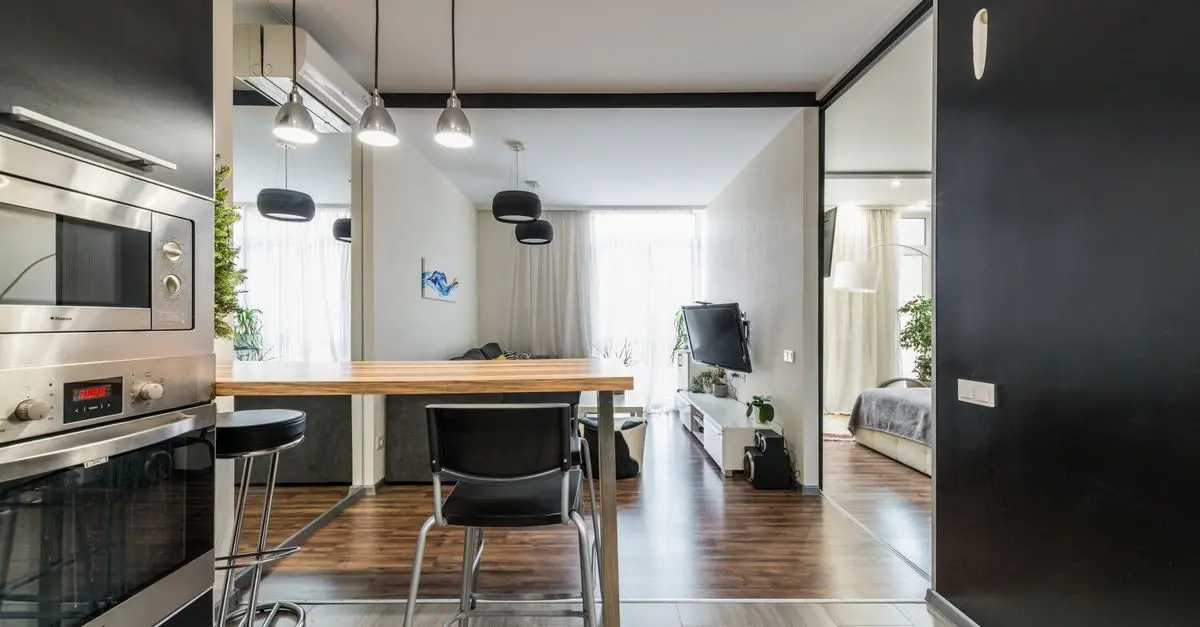
Who a villa makes sense for
Not every buyer benefits from this type of property. Before searching for villas among properties in Mexico, it's worth checking whether your profile matches any of these cases.
- Investors focused on vacation rentals. A well-located villa in a tourist area can generate significantly higher nightly income than a standard apartment, although it also means higher operating costs (gardening, pool, staff).
- Families looking for a second home. For those who travel frequently to the same destination and value privacy and outdoor space over proximity to urban services.
- Foreign buyers or retirees looking for a seasonal-use property with management included or available as an add-on service.
- Large or multigenerational family groups who need several independent bedrooms and ample shared spaces, something an apartment rarely offers.
On the other hand, if you're looking for a primary residence near work, schools or public transportation in a city, a traditional house or apartment will probably fit your needs and budget better than a villa designed for vacation use.
Before buying as an investment
If your main interest is profitability, it's wise to estimate the property's value and compare it against the potential rental income. A tool like the property valuation service helps you start from a realistic number before negotiating. Keep the tax side in mind as well: rental income from a villa is generally subject to ISR (income tax) as leasing activity, and an eventual sale may trigger ISR on the gain obtained (capital gain), with different rules depending on whether or not the property qualifies as your primary residence. It's a good idea to review these points with an accountant before projecting the net return on the investment.
Where villas are concentrated in Mexico
The villa concept is closely tied to certain regions of the country where residential tourism and second homes are major drivers of the real estate market:
- Riviera Maya and Tulum, with oceanfront or jungle-adjacent villas, many geared toward short-term rental for international tourists.
- Los Cabos, with high-end villa developments tied to golf courses and marinas.
- Puerto Vallarta and Riviera Nayarit, an established second-home market for domestic and foreign buyers.
- Valle de Bravo and wooded areas near Ciudad de México, with weekend villas aimed at families from the capital.
- San Miguel de Allende and other colonial cities, where the term is used for homes with a garden and pool in or near the historic center.
Outside these areas, the term is used far less often, and in large cities oriented toward primary housing (Guadalajara, Monterrey, Ciudad de México itself) it's more common to find inventory classified simply as houses or residential developments.
Costs and considerations before buying
Buying a villa usually involves expenses and procedures beyond the list price, and it's best to keep them in mind from the start of your search.
- Closing and notary costs (gastos de escrituración y notariales), which in practice include several separate items: the ISAI (acquisition tax on real estate, collected by the state or municipality), the notary public's (notario público) fees, and the registration of the deed in the Registro Público de la Propiedad (RPP). Each varies by state and by the property's cadastral or commercial value, so it's best to ask for an itemized breakdown before closing the deal.
- Pool and garden maintenance, a recurring cost that isn't always reflected in the purchase price but does show up in the monthly budget.
- Private community fees, if the villa is inside a gated development with security and common areas.
- Bank trust (fideicomiso), if the property is in a restricted zone (within 50 km of the coast or 100 km of a border) and the buyer is a foreigner.
- Hurricane or natural disaster insurance, relevant in coastal areas where much of the villa supply is concentrated.
| Item | Applies to | Note |
|---|---|---|
| ISAI (acquisition tax on real estate) | All buyers | Set by the state or municipality; varies by jurisdiction |
| Notary fees and registration at the RPP | All buyers | Varies by notary office and state; confirm the approximate percentage with your notary |
| Fideicomiso (bank trust) | Foreigners in a restricted zone | Requires an additional bank procedure |
| Operating maintenance | All owners | Pool, garden, security; recurring cost |
Watch out for what isn't obvious
Before signing, check that there are no outstanding debts or liens on the property and confirm all the documentation with a professional. Many purchase costs don't appear in the advertised price; it pays to identify them early. This article is only a general guide and does not replace the advice of a notary, attorney or accountant for your particular case.
Frequently asked questions
What exactly is a villa in Mexico?
It is a detached single-family home, generally on its own lot, with a garden and private pool, marketed as a high-end or vacation-use property. There is no single legal definition of the term in the country; it works mainly as a market label.
How is a villa different from a regular house?
The main difference is usually the level of finishes, the privacy, the larger lot and, in many cases, the inclusion of services such as gardening, cleaning or security. Legally, both are deeded the same way as individual property.
Is a villa a good investment for vacation rental?
It can be in established tourist areas, since villas tend to generate higher nightly income than an apartment. However, it also means higher operating and maintenance costs and tax obligations on rental income (ISR), so it's wise to calculate the net return with an accountant's help before buying, not just the potential gross income.
Looking for a villa in Mexico, or want to list one?
Explore available properties or list yours with Inmobiliaria32.
Listings
Recent properties
 For sale
MX$1,440,000
Land
Land for Sale in Residencial Lomas del Dorado
Boca del Río, Veracruz
 For sale
MX$3,900,000
House
House for Sale in Las Lomas, Riviera Veracruzana | 3 Bedrooms with Private Bathrooms
Alvarado, Veracruz
 For sale
MX$10,900,000
Land
Attention Investors
Puerto Vallarta, Jalisco
Keep reading
Related articles

Internal Migration in Mexico: Who Is Moving and Where To
Internal migration in Mexico is redrawing the map of housing demand: young professionals and entire families are relocating in search of work.
María Elena Rodríguez
Taxes if You Live in Mexico and Work for a US Employer
Taxes for living in Mexico and working in the US confuse many people: where do you file?
Carlos Mendoza

Buying Property in Mexico as a Colombian: Wire, DIAN, Residency
A guide for Colombians buying property in Mexico: how to wire money from Colombia, what to report to the DIAN, the tax treaty and residency options.
Inmobiliaria32 Team

Buying Property in Mexico as an Argentine: Dollars, ARCA, Visas
A guide for Argentines buying property in Mexico: how to wire your dollars, what to declare to ARCA, the double taxation treaty, and residency options.
Inmobiliaria32 Team
Buying a home
Keep learning before you decide
358 guides on buying a home, and thousands of properties listed across Mexico.