

Right of Way Easement in Mexico: What It Is and How to Create One
A practical guide to the servidumbre de paso (right of way easement) in Mexico: what it is, dominant and servient estates, types, and how it is created before a notary and the RPP.
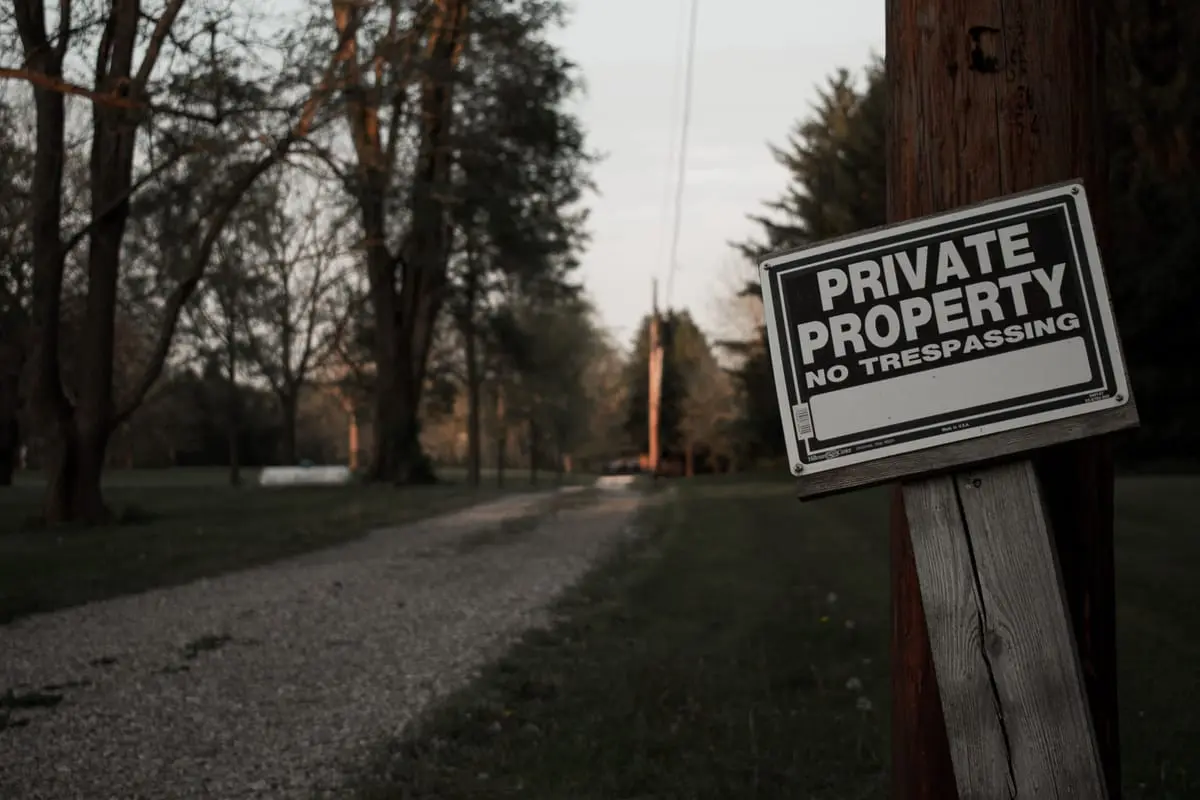
When you buy a piece of land, it is not enough to check its measurements and boundaries: you also need to know whether it is burdened by (or benefits from) a servidumbre de paso (right of way easement). This right, very common on rural and countryside properties and in irregular subdivisions, can determine whether your land has access to a public road or whether a neighbor has the right to cross your property. In this guide we explain, in general terms and for Mexico, what a right of way easement is, how it is created and, above all, what you should check before signing.
What is a right of way easement?
A servidumbre de paso is, in general terms, an encumbrance or burden placed on a piece of land (called the servient estate) for the benefit of another piece of land (the dominant estate), normally to allow people, vehicles or animals to pass through to the public road. It is a real right that follows the property, not the person: even if the owner changes, the easement usually remains in place.
In Mexico, easements are governed by the civil codes of each state, so the specific rules can vary from one state to another. What we describe here is the general framework; for your particular case, you should review the applicable state civil code and consult a notary public (notario público) or attorney.
Key fact
An easement does not transfer ownership of the land that is crossed. The owner of the servient estate keeps their property; they simply must tolerate the passage as agreed or as the law requires.
Dominant estate and servient estate
To understand any easement, it helps to identify its two main parties:
- Dominant estate (predio dominante): the land that benefits from the easement. For example, the one that needs to cross another property to reach the street.
- Servient estate (predio sirviente): the land that bears the burden, that is, the one that allows passage or use in favor of the dominant estate.
This relationship is fundamental because rights and obligations are shared between both. The owner of the dominant estate usually has the right to use the passage and, in many cases, the obligation to help maintain it; the owner of the servient estate must refrain from obstructing that right.
Types of easements
Although the right of way is the best known, there are several kinds of easements. These are some of the most common in the Mexican real estate context:
| Type | What it is for |
|---|---|
| Right of way (de paso) | Allows people or vehicles to pass through to the public road |
| Views (de vistas) | Regulates windows, balconies or openings that face the neighboring property |
| Aqueduct (de acueducto) | Allows water to be conveyed across one property to another |
| Drainage (de desagüe) | Provides an outlet for rainwater or wastewater through an adjoining property |
Easements are also commonly classified as continuous or discontinuous and as apparent or non-apparent, depending on how they are exercised and whether they show visible signs (a road, a pipe). This distinction can affect how they are proven and defended.
Voluntary vs. legal easement
A very important practical distinction is the origin of the easement:
- Voluntary: it arises from an agreement between the parties. The property owners freely agree on the terms (location of the passage, width, use, maintenance), and it is usually formalized in a public deed (escritura pública).
- Legal: it is imposed by law when certain conditions are met, typically when a property is landlocked and has no access to the public road. In these cases, the owner of the dominant estate may have the right to demand passage, generally in exchange for compensation.
Watch out for compensation
In legal rights of way, the law usually provides that the owner of the dominant estate must compensate the owner of the servient estate for the harm the burden causes. The amount and form depend on the case and the applicable civil code, so it is wise to document it clearly.
How a right of way easement is created
Although the details vary by state, the safest way to create a voluntary easement and give it full legal certainty usually includes these steps:
- Agreement between the owners on the location, width, use and conditions of the passage.
- Technical definition of the route, ideally supported by a plan or survey of the land.
- Formalization in a public deed (escritura pública) before a notary public (notario público), describing the encumbrance precisely.
- Registration with the Registro Público de la Propiedad (RPP, the Public Property Registry) so that it takes effect against third parties.
Registration with the RPP is key: an easement that exists only in a private agreement can be hard to enforce against future buyers. Once registered, it is noted in the registry records of both the dominant and the servient estate. Before defining the route, it is very helpful to rely on a boundary survey and measurement of the land to avoid inaccuracies.
Best practices when drafting
- Describe exactly where the easement runs and how wide it is.
- Specify the type of use allowed (pedestrian, vehicular, utilities).
- Define who bears maintenance costs and in what proportion.
- Make clear whether it is perpetual or subject to a condition or term.
Landlocked properties with no access to a public road
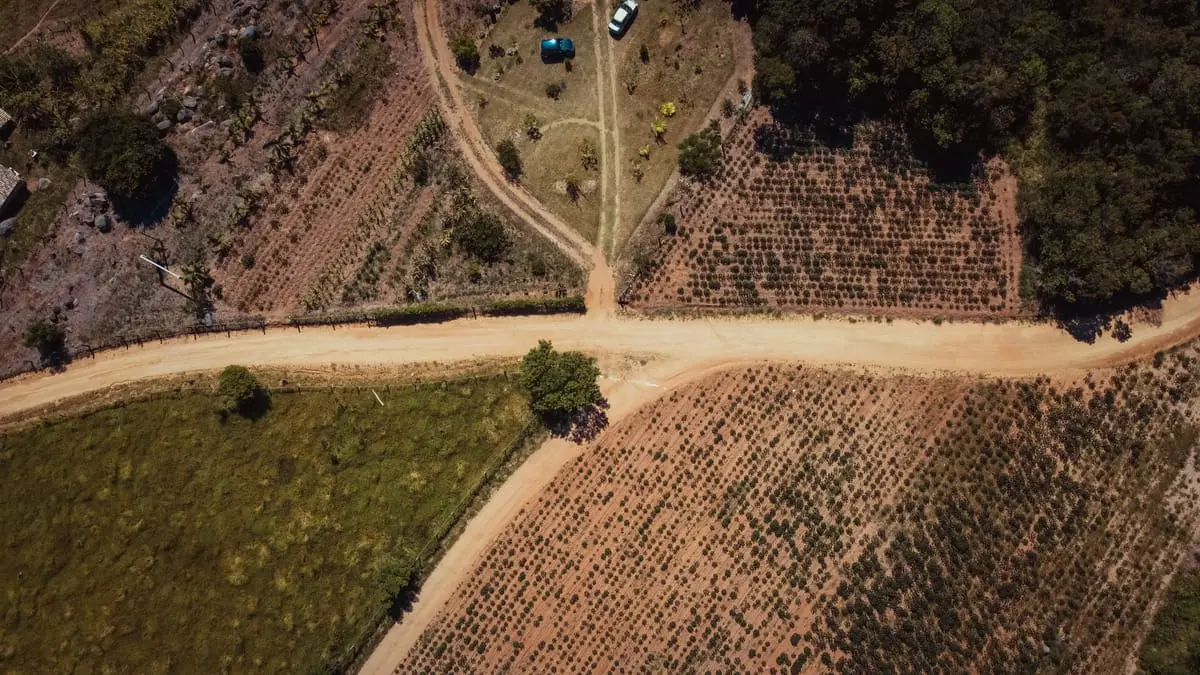
A landlocked property (predio enclavado) is one that is surrounded by other properties and has no direct access to a public street or road. It is one of the classic situations in which the law recognizes the right to a right of way easement: the owner of the landlocked property can claim passage across the neighboring land that provides the shortest or least harmful route out, generally in exchange for compensation.
This kind of situation is common on rural land, inherited properties that get subdivided among relatives, or subdivisions that grew without planning. If you are considering a property like this, first verify how its access is resolved. You can explore available options in our land for sale section.
Common disputes over rights of way
Poorly documented easements are a frequent source of disputes between neighbors. These are some of the conflicts that come up most often:
Problems worth anticipating
- De facto easements, used for years but never registered with the RPP.
- Disagreements over the width of the passage or the types of vehicles allowed.
- Obstructions: gates, structures or materials that block passage.
- Arguments over who pays for maintenance of the road.
- New owners who are unaware of the burden and want to deny the passage.
Many of these conflicts are avoided when the easement is well described in the deed and registered. If a dispute already exists, the best course is to seek legal advice before taking action on your own.
What to check before buying land
If you are going to buy land, the existence of easements (in your favor or against you) should be part of your legal review. Consider the following:
- Request the certificado de gravámenes (certificate of encumbrances) or certificate of freedom from encumbrances from the RPP to see whether any easements are registered.
- Read the deeds (escrituras) carefully to detect any mentioned easements.
- Confirm that the land has real access to the public road or, failing that, a formalized right of way easement.
- Physically verify the access: roads, gates and entrances that are used in practice.
- Check that the land use (uso de suelo) is compatible with what you plan to do.
Buying land with an easement is not always a negative: sometimes that burden is precisely what provides access or utilities. What matters is knowing it exists, understanding its terms, and making sure it is properly documented. If you also want a reference for the property's value, you can use our tool to calculate its value.
Frequently asked questions
Does the right of way easement disappear if the owner changes?
As a general rule, no. The easement is a real right tied to the property, so it usually remains in place even when the owner changes, especially if it is registered with the Registro Público de la Propiedad.
Can I charge for allowing passage across my land?
In voluntary easements, the parties may agree on compensation. In legal ones, compensation in favor of the servient estate is usually provided for. The terms depend on the agreement and on the civil code applicable in your state.
Is an easement used for years already legal even if it was never put in a deed?
Long-term use may have legal relevance in certain situations, but it does not replace a properly created and registered easement. For certainty, the recommended course is to formalize it before a notary public and register it.
What happens if I buy land with no access to the street?
A landlocked property usually has the right to demand a right of way easement across the neighboring land that offers the least harmful route, normally in exchange for compensation. Even so, it is best to resolve access before buying to avoid litigation.
Looking for land with secure access?
Before buying, always check for easements and access to the public road. Explore our catalog and estimate the value of the property you are interested in.
Listings
Recent properties
 For sale
MX$10,900,000
Land
Attention Investors
Puerto Vallarta, Jalisco
 For sale
MX$11,900,000
House
House For Sale With Spacious Layout And Excellent Opportunity In Joyas de Mocambo
Boca del Río, Veracruz
 For rent
MX$55,000/month
Commercial space
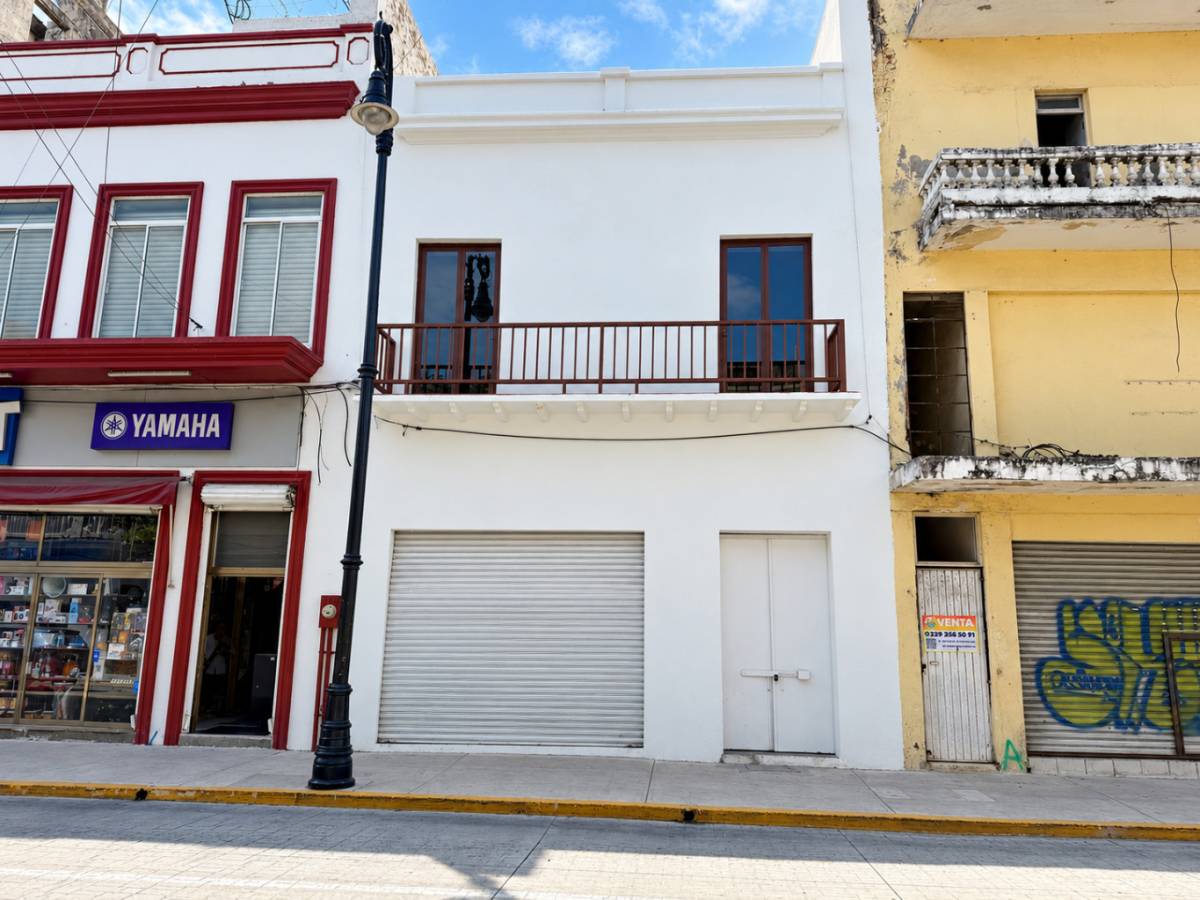
2-Story Commercial Space With Double Access
Veracruz, Veracruz
Keep reading
Related articles

House Flipping in Mexico: A Step-by-Step Guide
House flipping in Mexico means buying a property with potential, renovating it, and reselling it at a profit.
Inmobiliaria32 Team

Easements and Land Encumbrances: How to Spot Them
Encumbrances on a lot, such as a right-of-way easement (servidumbre de paso) or a derecho de vía, can limit what you are allowed to build.
Carlos Mendoza
Step-by-Step Guide to Buying Your First Home in Mexico in 2025
Buying your first home in Mexico is one of the most exciting and challenging moments of your life. With the Mexican real estate market showing signs of stability and new opportunities emerging, 2025 is shaping up to be an excellent year to take this important step.
Inmobiliaria32 Team
How to Buy Your First Home in Mexico: Step-by-Step Guide
Everything you need to know to buy your first home in Mexico in 2025. Financing, INFONAVIT, documents and the best areas. A complete step-by-step guide!
María Elena Rodríguez
Legal and paperwork
Keep learning before you decide
102 guides on legal and paperwork, and thousands of properties listed across Mexico.