

Casa de Interés Social: What It Is and How to Buy One in 2026
What is a casa de interés social (social-interest home), and how do you buy one in Mexico in 2026? Prices, programs, requirements and pros and cons.
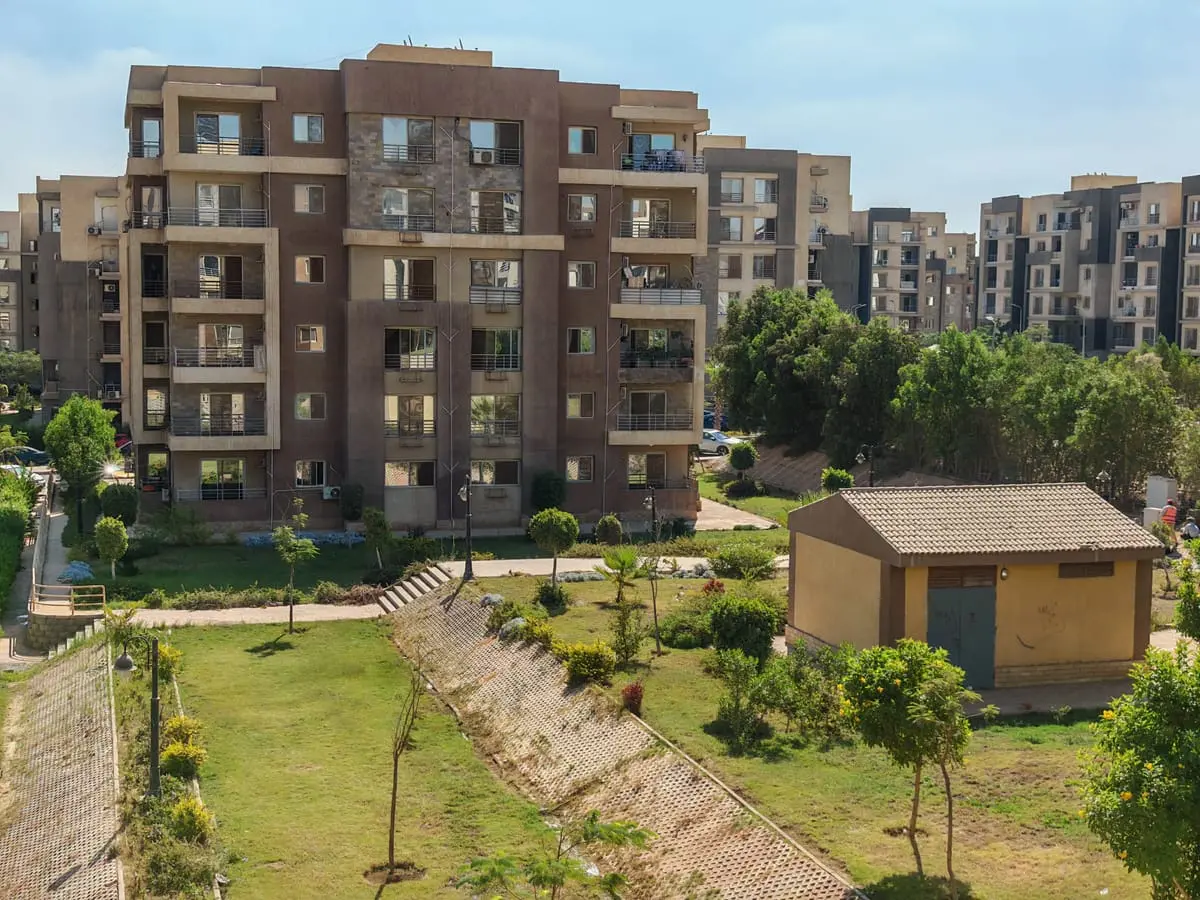
The casa de interés social (social-interest home) remains, for millions of Mexican families, the gateway to owning property. It is low-cost housing designed for workers with moderate incomes, backed by public programs and accessible credit. But what requirements apply in 2026, how much does it really cost, and is it worth buying? In this guide we walk you through, with general and up-to-date information, everything you need to know before deciding.
What is a casa de interés social?
Social-interest housing (vivienda de interés social) is housing whose price is capped to make it accessible to working families with low and middle incomes. These are usually compact houses or apartments with basic finishes, built in housing developments or fraccionamientos (planned residential subdivisions). The goal is to make decent housing accessible through loans and subsidies from agencies such as INFONAVIT, FOVISSSTE and federal programs.
Traditionally, the price of this type of housing has been expressed in Veces el Salario Mínimo (VSM, multiples of the minimum wage) or in Unidades de Medida y Actualización (UMA), reference units the industry uses to define segments. Because these values are updated every year, treat any figure as a rough guide and confirm it at the time of your purchase.
Key fact
The term "interés social" describes a price segment, not a quality label. Within this range there are very different developments, so you should always check the location, utilities and condition of the construction before buying.
Price range in 2026
The price of a casa de interés social varies significantly by state, city and developer. As a general reference, this segment sits below mid-range housing and is measured in multiples of VSM or UMA. In practical terms, in many parts of the country these homes tend to fall in a range on the order of hundreds of thousands of pesos, although the exact figure depends on the local market and timing.
To avoid false precision, the most useful approach is to compare real options in your area. You can browse our catalog of homes for sale and filter by budget in our property search, and estimate the value of a specific home with our property value calculator.
| Segment | General characteristics | Price reference |
|---|---|---|
| Social / economy housing | Compact size, basic finishes | The most affordable on the market |
| Mid-range housing | More space and better finishes | Several multiples above social housing |
| Upscale residential housing | Spacious, established locations | The highest-priced segment |
Available programs and support
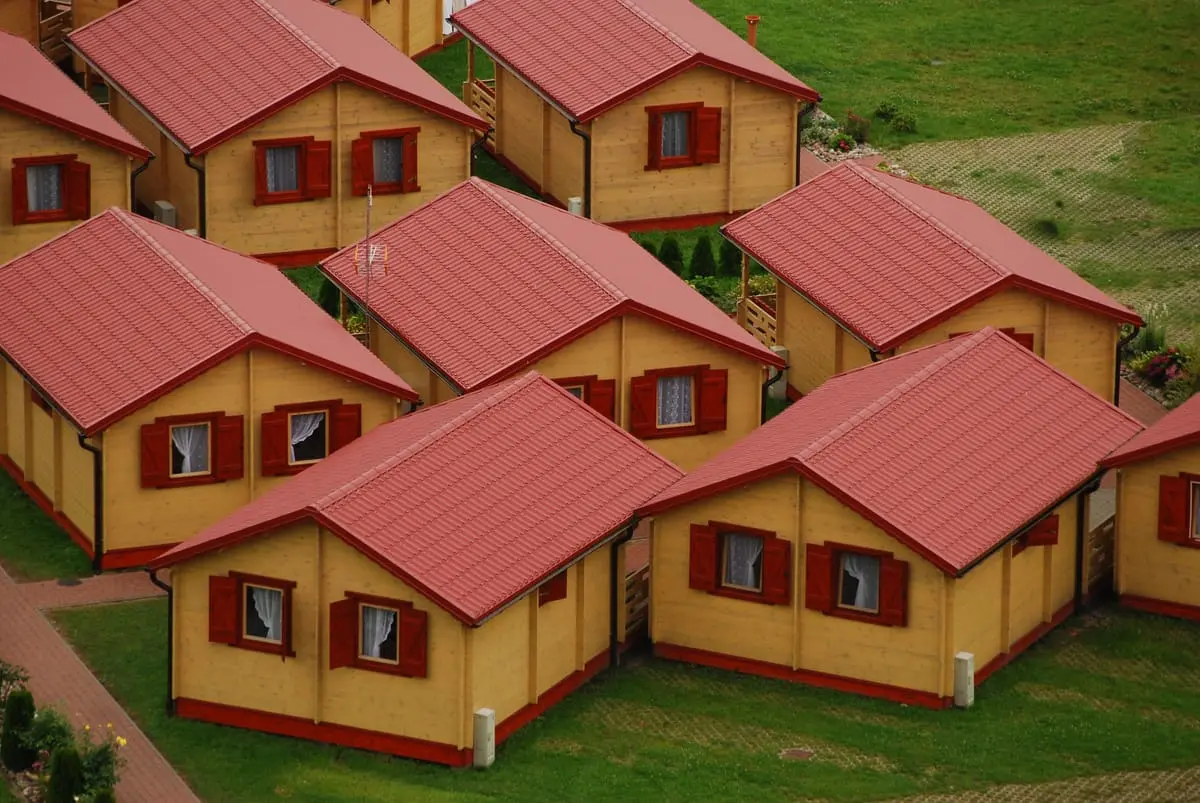
Buying social-interest housing almost always means relying on a public loan or subsidy. These are the most common routes in Mexico; their specific terms should be confirmed on the official websites when you start the process:
INFONAVIT loan
This is the option most used by formal-sector workers. With your savings in the Subcuenta de Vivienda (housing sub-account) and the minimum required points, you can take out a loan for new or used housing. For details, see our guide to INFONAVIT requirements for buying a home.
Conavi subsidies
The Comisión Nacional de Vivienda (Conavi, National Housing Commission) has historically run subsidy schemes aimed at lower-income families, which are combined with a loan to reduce the amount to be financed. The availability and rules of these supports change with each administration and budget cycle, so verify they are still in effect before counting on them.
Vivienda para el Bienestar
Within the housing policy pushed in recent years, social housing construction programs have been announced under initiatives such as Vivienda para el Bienestar, with the participation of agencies like INFONAVIT and Conavi. Their eligibility criteria, locations and timelines are set through public calls (convocatorias), so it is best to check the most recent official information.
Watch the application calls
Subsidies and social housing programs usually have limited capacity and specific registration windows. Don't take any support for granted until you have confirmed it in writing with the relevant agency.
Requirements and income
Requirements depend on the program or loan you choose, but some conditions come up in most cases:
- Be of legal age and have a valid official ID.
- Have a CURP and, for an INFONAVIT loan, your Número de Seguridad Social (NSS, Social Security Number).
- Prove income within the ranges each program defines.
- For formal-sector loans, have an active employment relationship and contribute to social security.
- Generally, not own another home or have an active housing loan.
For supports focused on social housing, priority is usually given to lower-income households, measured in VSM or UMA. Since these caps are updated, the best practice is to verify the current ranges on the program's website before starting the process.
Prepare your file
- Gather your ID, CURP, proof of address and proof of income.
- Check your credit history; good payment behavior helps.
- Confirm that the home you are interested in is eligible for financing.
- Keep in writing any promise of a subsidy or discount.
Where they are located
A large share of social-interest housing is built on the outskirts of cities, in fraccionamientos and housing developments where land is cheaper. This makes affordable prices possible, but it also means weighing factors such as distance to workplaces, availability of transportation, and proximity to schools, hospitals and shops.
Before deciding, it is worth visiting the area at different times of day and assessing real commute times. You can compare options by location in our property search and browse the full catalog of homes for sale.
Pros and cons
Advantages
- Affordable price and a way into owning property.
- Compatible with public loans and subsidies.
- Low down payment, or even none, under some schemes.
- A way to stop renting and start building equity.
Disadvantages
- Small floor area and basic finishes.
- Locations often far from the city center.
- Appreciation can be slower than in other segments.
- Possible maintenance costs and future improvements.
The matter of plusvalía (property appreciation) deserves special attention. In well-located developments with established services, a casa de interés social can appreciate reasonably over time; in very remote areas or those with little demand, appreciation may be more modest. There is no single rule, so it is best to analyze each case individually.
How it differs from mid-range housing
The main differences between social-interest housing and mid-range housing are price, size and location. Mid-range housing offers more square footage, better finishes and is usually located in more established areas, in exchange for a noticeably higher price. Social-interest housing prioritizes affordability over size and materials.
Choosing between the two depends on your budget, your borrowing capacity and your life priorities. If your approved loan amount allows it and you value more space or a better location, mid-range housing may be worth a look; if your goal is to stop renting as soon as possible with a manageable monthly payment, social-interest housing may be the best first step.
Frequently asked questions
Can I buy a casa de interés social with an INFONAVIT loan?
Yes. It is one of the most common uses of the loan, as long as you meet the Institute's requirements and the home is eligible for financing. See the details in our guide to INFONAVIT requirements.
Does social-interest housing appreciate in value?
It can, especially if it is well located and the area develops with services. However, appreciation tends to be slower than in higher-priced segments, so it is worth analyzing each development separately.
Do I need a down payment to buy one?
It depends on the loan and the price. Some schemes allow a low or zero down payment by using your housing savings, while others require covering an initial portion. Confirm the terms with your lending agency.
Ready to find your casa de interés social?
Explore the options available in your area and estimate the value of the property you are interested in before you decide.
Listings
Recent properties
 For sale
MX$1,440,000
Land
Land for Sale in Residencial Lomas del Dorado
Boca del Río, Veracruz
 For sale
MX$3,900,000
House
House for Sale in Las Lomas, Riviera Veracruzana | 3 Bedrooms with Private Bathrooms
Alvarado, Veracruz
 For sale
MX$10,900,000
Land
Attention Investors
Puerto Vallarta, Jalisco
Keep reading
Related articles
Social Interest Housing in Mexico: What It Is and Who Qualifies
What is a casa de interés social and who can buy one? We explain the requirements, ballpark prices and available credit options.
Carlos Mendoza

INFONAVIT Requirements to Buy a Home: Complete 2026 Guide
Learn all the INFONAVIT requirements to buy a home in 2026: points, documents, loan types and the step-by-step process to use your loan without setbacks.
Carlos Mendoza

Monterrey's Water Crisis: What It Means for Homebuyers
Monterrey's water crisis: what happened in 2022, how the dams stand today, what infrastructure was built, and what to check in a home before buying in the metro area.
Inmobiliaria32 Team
If Your Developer Goes Bankrupt: What Happens to Your Money and Home
If the developer goes bankrupt on your pre-sale: what happens to your money and your home based on what you signed, who gets paid first in a concurso mercantil, and what to do now.
Inmobiliaria32 Team
Buying a home
Keep learning before you decide
358 guides on buying a home, and thousands of properties listed across Mexico.