

Earthquake-Resistant Home Construction in Mexico
Earthquake-resistant home construction depends on the foundation, castillos, trabes and a sound structural assessment. Here's what to check if you live in a seismic zone.
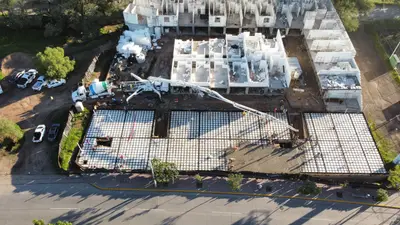
Good earthquake-resistant home construction doesn't rely on a single element, but on the entire structure working together: a foundation suited to the soil type, well-distributed castillos (reinforced concrete columns) and confinement trabes (beams), and a regular floor plan that avoids dangerous twisting during an earthquake. In Mexico, a large part of the territory is classified as a seismic zone, so any home —new or being remodeled— should have a structural plan signed by an engineer or responsible professional (perito responsable), not just the hands-on experience of the construction foreman, however capable he may be.
Structural elements that make the difference
Castillos (vertical reinforced concrete elements) and trabes or cerramientos (horizontal elements) form a frame that confines the walls and keeps them from collapsing under seismic movement; their placement and spacing must be calculated according to the height and length of each wall, not placed arbitrarily, as often happens in self-built homes without professional guidance. The foundation is also critical: a soil mechanics study (mecánica de suelos) makes it possible to choose between footings, a mat foundation or piles depending on the bearing strength of the ground, avoiding differential settlement that damages the structure over time, even without an earthquake. Regularity in the floor plan —avoiding highly irregular shapes or excessive cantilevers without reinforcement— also reduces the risk of torsion during seismic movement.
Warning signs in an existing building
If you're buying or evaluating a home that has already been built, pay attention to these signs that may indicate structural deficiencies:
- Diagonal cracks in walls, especially near corners or around door and window openings
- No visible castillos or trabes in self-built or very old construction
- Very irregular floor plans or many cantilevers with no apparent reinforcement
- No documented structural assessment (dictamen) or plan provided by the seller
- Later additions without an adequate structural connection to the original building
What to ask for when buying or building your home
If you're building from scratch, insist on a complete structural plan signed by a registered engineer, not just an architectural drawing, and ask that the same professional supervise the work during the critical stages: the foundation, the pouring of castillos and the assembly of trabes. If you're buying an existing home in a seismic zone, ask the seller for any available structural documentation and consider hiring an independent inspection before closing the purchase, especially if the building is more than twenty or thirty years old or shows visible cracks. This extra expense is usually minimal compared to the cost of reinforcing or repairing structural damage after you've acquired the property.
Structural maintenance over the years
A home's seismic resistance doesn't end when construction is handed over; it also depends on the maintenance it receives over the years. Unaddressed water leaks can corrode the reinforcing steel inside columns and trabes, silently weakening the structure until visible cracks appear. Later additions, such as adding a second floor without verifying that the original foundation and castillos can bear the extra weight, are another frequent cause of seismic vulnerability in Mexican homes. Periodically checking the condition of walls, watching for persistent moisture and consulting an engineer before any expansion are habits that extend the safe structural life of the home.
Frequently asked questions
Must all homes in Mexico comply with seismic standards?
Most state and municipal building codes require seismic criteria according to the zone where the lot is located, so it's wise to verify the local regulations before building or expanding a home.
Can I reinforce an existing home that wasn't built to seismic standards?
Yes, there are reinforcement techniques such as column jacketing, bracing or adding castillos, but they require evaluation by a structural engineer to determine the right solution for each case.
How do I know if my home is in a high seismic risk zone?
The Comisión Nacional de Zonas Sísmicas and state regulations classify the country into different risk zones; your engineer or the municipal building code can tell you which zone your specific lot falls in.
Find homes built with sound structural criteria
Listings
Recent properties
 For sale
MX$1,440,000
Land
Land for Sale in Residencial Lomas del Dorado
Boca del Río, Veracruz
 For sale
MX$3,900,000
House
House for Sale in Las Lomas, Riviera Veracruzana | 3 Bedrooms with Private Bathrooms
Alvarado, Veracruz
 For sale
MX$10,900,000
Land
Attention Investors
Puerto Vallarta, Jalisco
Keep reading
Related articles
What Is the RUV and Why Your Pre-Sale Home Needs to Be in It
What the RUV (Registro Único de Vivienda) is, what the CUV is, and why Infonavit and Fovissste won't lend on a pre-sale home without that registration. How to verify it.
Inmobiliaria32 Team

Documents to Have Ready Before Listing Your Home in Mexico
Gathering your documents before listing your home speeds up the entire sale and avoids last-minute surprises when it comes time to negotiate and sign the escrituras.
María Elena Rodríguez
Pet Costs You Don't Factor In When Moving
Beyond rent, moving with a pet means deposits, home modifications and transition vet visits. A breakdown of the costs people tend to forget.
María Elena Rodríguez
Roommate Agreement: What It Should Include
A practical guide to the clauses a roommate agreement needs to split expenses fairly.
Carlos Mendoza
Building and remodeling
Keep learning before you decide
33 guides on building and remodeling, and thousands of properties listed across Mexico.