

Construction Budgets in Mexico: How to Read One and Avoid Scams
A practical guide to understanding a home construction budget in Mexico: line items, units, labor vs. materials, red flags, and how to compare bids.
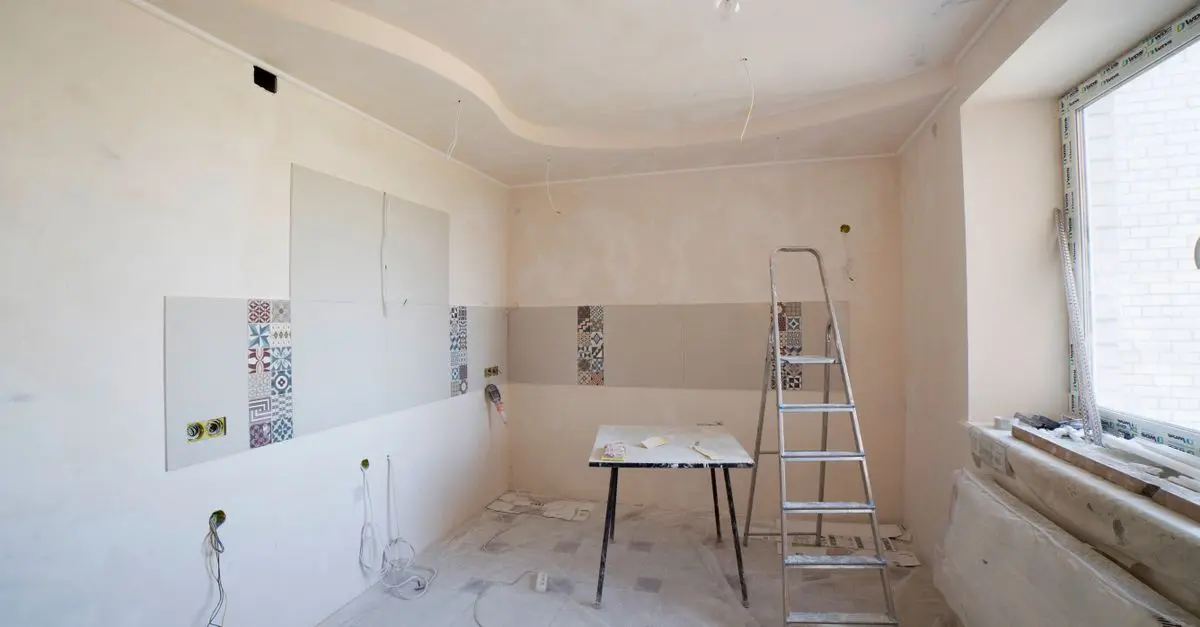
Receiving a home construction budget packed with numbers and abbreviations can be intimidating. A document like this can have dozens of line items, different units (m², ml, pza, lote) and concepts that look reasonable at first glance but, on closer review, hide cost overruns, omissions or ambiguities that later turn into unplanned extras. Learning to read it with a critical eye is probably the most profitable skill you can develop before starting a remodel or a new build.
Important notice: this article is for informational purposes only and does not replace the advice of an architect, civil engineer or cost estimator. Amounts, percentages and examples are approximate and vary by region, type of work and supplier. Before signing a construction contract, we recommend having a professional review the budget and, if possible, an attorney review the contract clauses.
1. How a construction budget is structured
A serious home construction budget is organized by line items or chapters, following roughly the chronological order of the work: preliminary work, foundation, structure, masonry, utilities (plumbing, drainage, electrical, gas), finishes, carpentry, metalwork and final cleanup. Each chapter is divided into concepts, and each concept has a unit of measurement, a quantity and a unit price which, multiplied together, give the total amount.
If the document you received is just a single lump-sum figure ("complete remodel: total amount"), with no breakdown by line item, it is not a construction budget in the strict sense but an estimate. Asking for the breakdown is your right as a client, and it is the basis for comparing, negotiating and, later, tracking progress and payments as the work is carried out.
| Chapter | What it typically includes | Approximate share of total cost |
|---|---|---|
| Preliminary work and demolition | Layout, leveling, debris removal | Low |
| Foundation and structure | Footings, tie columns, slabs, rebar | High |
| Masonry and walls | Block, brick, plastering | Medium-high |
| Utilities | Plumbing, drainage, electrical, gas | Medium |
| Finishes | Flooring, tile, paint, carpentry | Medium-high (highly variable) |
| Overhead and profit | Administration, tools, contractor's profit | Variable, check that it is stated explicitly |
The percentages are approximate: they depend on the type of work (new build vs. remodel), the region and the level of finishes chosen.
2. Materials, labor and overhead: what to check in each
A properly built unit price normally consists of three elements: the cost of the material, the cost of the labor needed to install it, and a percentage for overhead (small tools, supervision, administration) plus the contractor's profit. When a budget only gives a "closed" unit price without that breakdown, it is harder to tell whether you are being overcharged on any specific item.
- Materials: ask whether the price includes the brand and specification (for example, "gray cement type CPC 30R" and not just "cement"). Vague specifications leave the door open to lower-quality substitutions.
- Labor: check whether the budget assumes the contractor's own crews or subcontractors. This affects who is responsible for workmanship defects.
- Overhead and profit: a reasonable range is usually cited in industry literature, but it is best to ask that it be stated as a separate percentage rather than diluted inside each unit price, so you can compare bids against each other.
- Exclusions: every budget should clearly state what it does NOT include (for example, furniture, permits, final utility hookups). What is not written down is generally not included, even if the client assumed it was.
Practical tip: always ask for the budget in an editable format (spreadsheet) and not just as a PDF or image. That way you can review the formulas, add things up yourself and spot any quantity that does not match the plans.
3. Units of measurement and quantities: the most common mistake
One of the most frequent mistakes (or tricks) in unclear budgets involves units and quantities. A "ceramic flooring" item charged per square meter (m²) should correspond to the actual floor area to be covered according to the plans, not to a figure rounded up. It is worth taking your own measurements of the main areas and comparing them with the budget quantities; as a rough guide, a difference of more than about 10-15% between your calculation and the contractor's usually deserves an explanation, although the reasonable threshold may vary depending on the type of work.
Also check that the units are consistent with the type of work: metalwork and carpentry are usually quoted per piece (pza) or per linear meter (ml), waterproofing and plastering per m², and certain specialized work (a complete electrical installation, for example) is sometimes quoted per "outlet" or "point" rather than per meter. No unit is wrong in itself, but they must be the right ones to measure that item accurately.
4. Red flags that you may be getting scammed
- A price far below the market average with no clear explanation (the contractor's own labor, a seasonal discount, etc.). It usually means lower-quality materials, cheap subcontracting or "extras" that will show up later.
- Generic line items such as "complete rough construction" with no breakdown, which make it impossible to know what you are really paying for.
- No contract or construction schedule. A budget without start dates, milestones and a final delivery date leaves the client with no way to demand compliance.
- Very large down payments (for example, more than half of the total) before any visible physical work begins.
- Pressure to decide immediately or discounts "only if you sign today." A serious professional gives you reasonable time to compare.
- Lack of verifiable references from previous projects, or of an RFC (tax ID)/formal business name for invoicing.
Warning: if the budget changes significantly between the first conversation and the formal document, without you having changed the scope, ask them to explain each difference in writing before moving forward.
5. How to compare bids from different contractors
Comparing budgets only by the bottom-line total often leads to bad decisions. To compare fairly, first standardize the scope: make sure all contractors are bidding on exactly the same items, with the same material specifications and the same quantities. A practical way to do this is to give all of them the same list of line items (a "catálogo de conceptos") to fill in with their prices, instead of letting each one build their own format.
Then review not only the amount but also the proposed delivery times, the payment terms, the warranties on workmanship defects, and whether they include supervision or project management. A higher bid that includes professional supervision and a written warranty can turn out cheaper in the long run than a low one with no backing.
6. Contingency, down payments and payment schedule
No construction budget, however well prepared, is completely exact: unforeseen issues can always arise (ground conditions, design adjustments, material price changes). That is why it is wise to set aside an additional percentage on top of the approved budget as a contingency, rather than committing 100% of your available budget from the start.
As for payment terms, the usual arrangement is a schedule of partial payments tied to verifiable progress milestones (for example, upon completion of the foundation, the structure, the utilities, the finishes), rather than a single large down payment. This protects both parties: it gives the contractor cash flow to operate, and it lets the client hold back payments if the progress does not match what has been paid.
Best practice: document each stage of progress with photos and a signed acceptance before releasing the next payment. In the event of a later dispute, that log is the most useful evidence you will have.
If you are also calculating the total cost of a purchase or remodel as part of a sale transaction, it may help to review the hidden costs of buying a home and, once you are clear on the construction budget, use our closing cost calculator (escrituración) to size up the total cost of the project.
Frequently asked questions
How far in advance of starting construction should I request the budget?
It is best to request the detailed budget once you have plans or at least a well-defined scope of work, and to allow enough time (several weeks, depending on complexity) to receive and compare at least two or three bids before deciding.
Is it normal for the final budget to differ from the initial one?
It can vary because of design adjustments, specification changes or unforeseen site conditions, but any significant difference should be explained in writing and, ideally, approved through a change order before the work is carried out.
What percentage is reasonable to set aside for contingency?
There is no single figure that works for every case because it depends on the type of work and its complexity; many professionals suggest setting aside an additional margin on top of the approved budget, but an architect or engineer should determine it for your specific project.
Should I sign a contract even if the contractor is someone I know or who came recommended?
Yes. Personal trust is no substitute for a written contract covering scope, budget, schedule, payment terms and warranties. The contract protects the relationship and prevents misunderstandings, even between acquaintances.
Looking for land or a house for your next construction or remodeling project?
Listings
Recent properties
 For sale
MX$1,440,000
Land
Land for Sale in Residencial Lomas del Dorado
Boca del Río, Veracruz
 For sale
MX$3,900,000
House
House for Sale in Las Lomas, Riviera Veracruzana | 3 Bedrooms with Private Bathrooms
Alvarado, Veracruz
 For sale
MX$10,900,000
Land
Attention Investors
Puerto Vallarta, Jalisco
Keep reading
Related articles

How to Keep Squatters Off Your Vacant Lot: Prevention Guide
How to prevent the invasion of a vacant lot in Mexico: paperwork in order, fencing, visits, predial and proof of possession. Concrete steps before it happens.
Inmobiliaria32 Team
Architect vs. Maestro de Obra: Who Should You Hire?
Choosing between an architect and a maestro de obra (master builder) depends on your project's size, your budget and how much control you want over the design.
Carlos Mendoza

Rent-to-Own in Mexico: Mistakes You Should Avoid
A rent-to-own arrangement sounds appealing, but common contract mistakes can cost you money. Here are the most frequent ones.
Carlos Mendoza
Renting with Cats: How to Avoid Problems with Your Landlord
Renting with cats usually causes fewer conflicts than renting with dogs, but scratches, odors, and poorly defined clauses can cost you your deposit. Here's how to prevent that.
Carlos Mendoza
Building and remodeling
Keep learning before you decide
33 guides on building and remodeling, and thousands of properties listed across Mexico.